A Scientific Guide to Filter Selection for Underwater Biofluorescence Imaging in Biomedical Research
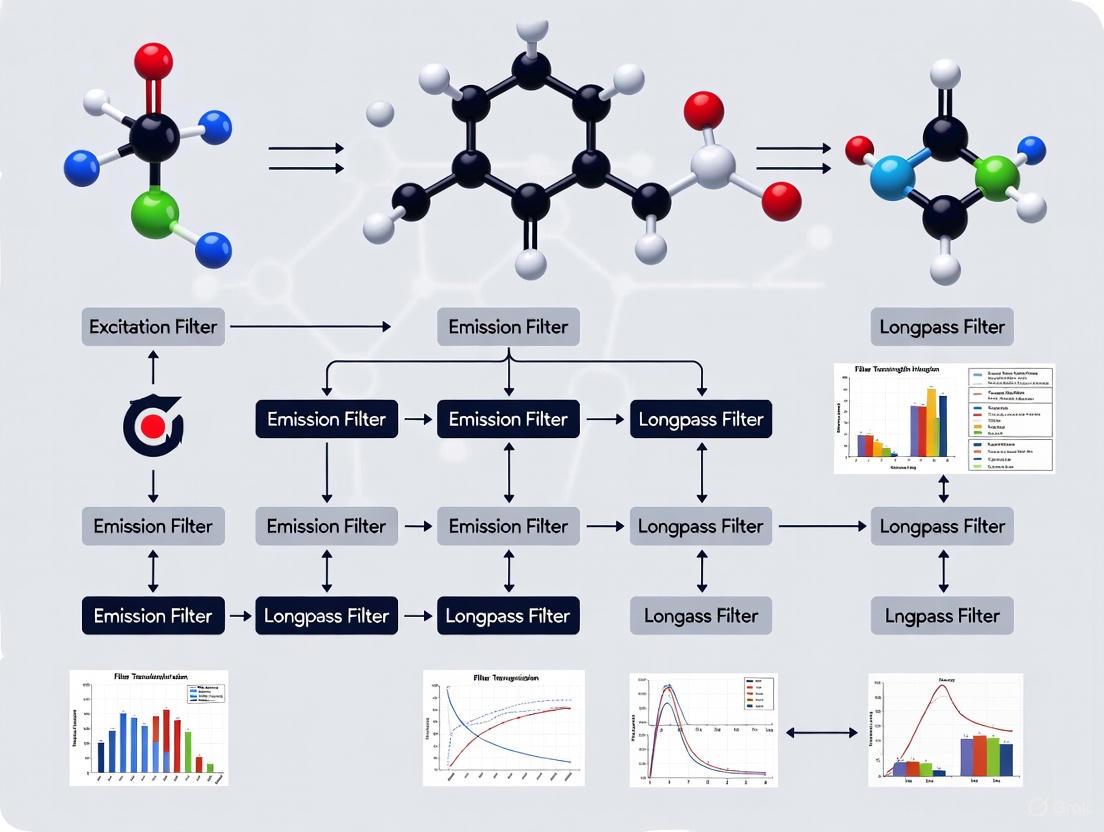
This article provides a comprehensive framework for researchers, scientists, and drug development professionals to select and implement optical filters for underwater biofluorescence photography.
A Scientific Guide to Filter Selection for Underwater Biofluorescence Imaging in Biomedical Research
Abstract
This article provides a comprehensive framework for researchers, scientists, and drug development professionals to select and implement optical filters for underwater biofluorescence photography. It covers the foundational principles of fluorescence excitation and emission, details the components of a standardized imaging system, offers protocols for troubleshooting and image optimization, and outlines validation methods to ensure data reproducibility. By bridging the gap between photographic technique and scientific application, this guide aims to enhance the reliability of fluorescence-based data acquisition for in vivo models and environmental monitoring in aquatic environments.
Principles of Underwater Biofluorescence: From Light Absorption to Scientific Insight
In the study of optical phenomena in nature and their applications in biomedical and environmental research, accurately distinguishing between biofluorescence, bioluminescence, and reflectance is fundamental. While all three involve light interaction with biological materials, their underlying mechanisms and experimental requirements differ significantly. For researchers, particularly those investigating underwater biofluorescence or employing these phenomena in drug development, understanding these distinctions is crucial for proper experimental design, especially in filter selection and imaging protocol development.
Biofluorescence and bioluminescence are often conflated due to their light-emitting properties, yet they represent distinct processes with different biological functions and methodological requirements. Similarly, reflectance imaging, which captures ambient light bouncing off surfaces, requires fundamentally different instrumentation and interpretation. This guide provides detailed protocols and analytical frameworks to differentiate these phenomena, with particular emphasis on filter-based separation techniques essential for accurate data collection in underwater and laboratory settings.
Defining the Core Phenomena
Core Definitions and Distinctions
Table 1: Core Characteristics of Optical Biological Phenomena
| Feature | Biofluorescence | Bioluminescence | Reflectance |
|---|---|---|---|
| Light Source | External illumination (blue/UV light) [1] [2] | Internal chemical reaction [1] [3] | Ambient or external white light [2] |
| Energy Mechanism | Absorption and re-emission of light [3] [4] | Chemical energy converted to light [3] [4] | Direct reflection of incident light [2] |
| Emission Duration | Only during excitation illumination [4] | Continues during reaction (no light needed) [1] | Only during illumination [2] |
| Key Requirements | High-energy light source & emission filter [5] [2] | Luciferin substrate & luciferase enzyme [3] [6] | Standard white light source [2] |
| Example Organisms | Corals, scorpions, platypus [3] [5] [7] | Fireflies, anglerfish, glowworms [1] [3] | All non-luminous subjects [2] |
The Molecular and Energetic Basis of Biofluorescence
Biofluorescence occurs when a photon of high energy (short wavelength) from an external source is absorbed by a fluorescent molecule, exciting its electrons. As these electrons return to their ground state, they release energy as a photon of lower energy (longer wavelength). This shift toward longer wavelengths is known as the Stokes Shift [2]. The entire process is instantaneous and ceases immediately when the excitation light source is removed [4].
Key biomolecules include Green Fluorescent Protein (GFP), first isolated from the jellyfish Aequorea victoria, and its various mutations that produce cyan, yellow, and red fluorescence [3] [2]. This phenomenon is not a chemical reaction but a physical property of certain pigments and proteins [1].
Diagram 1: The mechanism of biofluorescence at the molecular level, illustrating the Stokes Shift.
Experimental Protocols for Isolation and Imaging
A critical challenge in biofluorescence research is isolating the weak emitted signal from the strong excitation light. This requires a precise optical setup centered on filter selection.
Protocol 1: Isolating and Documenting Biofluorescence
This protocol is adapted for underwater photography but is applicable to laboratory settings.
1. Principle: Use a high-energy blue light source (440-480 nm) to excite fluorescent molecules. Place a barrier filter that blocks the reflected blue light over the detector (camera lens or eye), allowing only the longer-wavelength emitted fluorescence to pass [5] [2].
2. Materials:
- Excitation Light Source: High-power blue LED torch or strobe with a dichroic filter, emitting light at 450-470 nm (Royal Blue/Actinic) [2].
- Barrier Filter: Long-pass (yellow) filter that blocks wavelengths below approximately 480-500 nm [5] [2]. This is placed over the camera lens and/or dive mask.
- Camera System: Capable of manual control and RAW image capture [5].
3. Procedure:
- Setup: Mount the barrier filter securely over the camera lens. In underwater housing, this can be a filter screwed onto the macro port [5].
- Lighting: Illuminate the subject exclusively with the blue excitation light. Ensure no white light contaminates the scene [5].
- Camera Settings: Use manual mode. Start with a fast shutter speed (1/100s - 1/250s) to suppress ambient light, a wide aperture (e.g., f/8) to capture the weak fluorescent signal, and adjust ISO as needed (e.g., 400-800) [5].
- Capture: Compose the shot and capture images in RAW format for post-processing flexibility [5].
- Post-Processing: Enhance contrast, vibrancy, and saturation to compensate for the inherently low-contrast RAW files. Correct white balance if necessary [5].
Diagram 2: Optical pathway for biofluorescence imaging, showing the critical role of the barrier filter.
Protocol 2: Quantifying Bioluminescence with a Luminometer
Bioluminescence, being self-emitting, requires no excitation light. Measurement focuses on detecting extremely low light levels from a chemical reaction.
1. Principle: A bioluminescent reaction (e.g., luciferin + O₂ + ATP, catalyzed by luciferase) produces photons. A sensitive detector counts these photons to quantify the reaction rate [1] [6].
2. Materials:
- Luminometer: Instrument containing a light-tight sample chamber and a photomultiplier tube (PMT) or other highly sensitive detector [1].
- Microplate: For holding multiple samples.
- Reagents: Luciferin substrate and appropriate buffers.
3. Procedure:
- Sample Prep: Set up the luminescence reaction in the microplate wells, ensuring cells or tissue express luciferase [6] [8].
- Measurement: Place the microplate into the luminometer's read chamber. The PMT detects light from each well [1].
- Detection & Output: Photons are converted to electrons in the PMT, generating a current proportional to the light intensity. The signal is quantified in Relative Light Units (RLU) [1].
- Data Analysis: For advanced in-vivo applications, Bioluminescence Tomography (BLt) can reconstruct the 3D location and intensity of the light source within an animal [8].
Protocol 3: Differentiating from Reflectance Imaging
Reflectance is the simplest optical phenomenon, involving the direct reflection of incident white light.
Procedure:
- Illuminate the subject with a standard white light source (torch or studio light).
- The subject's surface reflects this light, and the color perceived is determined by the wavelengths it does not absorb.
- Capture the image with a standard camera without any excitation or barrier filters. The recorded colors are a product of the subject's pigmentation and the spectrum of the light source [2].
The Scientist's Toolkit: Research Reagent Solutions
Table 2: Essential Materials and Reagents for Fluorescence and Luminescence Research
| Item | Function | Example Application |
|---|---|---|
| Green Fluorescent Protein (GFP) | A naturally occurring biomarker; its gene can be fused to genes of interest to visualize expression and localization in cells and tissues [3] [2]. | Tracking tumor development or specific cell types in transgenic animal models [8]. |
| Blue Light Source & Excitation Filter | Provides the high-energy light required to excite fluorescent molecules. An excitation filter narrows the output to a specific blue/UV wavelength band (e.g., 450-470nm) [5] [2]. | Underwater biofluorescence surveys; laboratory fluorescence microscopy. |
| Barrier (Emission) Filter | Critical optical component that blocks scattered excitation light but transmits the longer-wavelength emitted fluorescence, isolating the signal [5] [2]. | Essential for all biofluorescence imaging protocols to achieve a high signal-to-noise ratio. |
| Luciferin/Luciferase System | The core reagents for bioluminescence. Luciferin is the substrate, and luciferase is the enzyme that catalyzes the light-producing reaction [3] [6]. | Reporter assays in drug development to monitor gene expression, protein-protein interactions, or bacterial load in vivo [8]. |
| Fluorescence Spectrophotometer (Fluorometer) | Instrument that detects and quantifies fluorescent light emitted by a sample across various wavelengths, generating an emission spectrum [1]. | Precisely identifying the excitation and emission peaks of novel fluorescent proteins. |
| CIELAB Color Space Framework | A standardized color model that allows for the quantitative measurement and comparison of fluorescence color from images, independent of human subjectivity [9]. | Objectively quantifying color variation in fluorescent specimens across studies. |
The precise discrimination between biofluorescence, bioluminescence, and reflectance is not merely academic; it dictates the entire experimental workflow, from equipment selection to data interpretation. For researchers focusing on underwater biofluorescence, the core technical challenge is solved by a specific optical chain: a high-power blue excitation source paired with a precisely selected long-pass barrier filter. In biomedical research, leveraging the unique properties of each phenomenon—whether using GFP for morphological visualization or luciferase for quantitative tracking of disease progression—provides powerful, non-invasive tools for scientific discovery and drug development. A rigorous understanding of these principles ensures the collection of valid, reproducible data in any research context.
The Stokes shift is a fundamental concept in photophysics, defined as the difference in energy or wavelength between the incident light absorbed by a fluorophore and the emitted light it subsequently releases. Named after the 19th-century Irish physicist Sir George Gabriel Stokes, who first observed that fluorescence emission always occurs at longer wavelengths than the excitation light, this phenomenon is critical for enabling sensitive fluorescence detection techniques across numerous scientific fields [10].
In practical terms, the Stokes shift represents the energy loss that occurs during the brief excited-state lifetime of a fluorophore, typically lasting 1-10 nanoseconds [11]. This energy difference fundamentally enables fluorescence detection by allowing researchers to separate emission photons from excitation photons spectrally, thereby facilitating low-background detection of specific signals in complex environments ranging from living cells to underwater ecosystems [11].
This application note examines the photophysical principles underlying the Stokes shift, with particular emphasis on its critical importance for filter selection in underwater biofluorescence photography research. We provide detailed methodologies for quantifying Stokes shifts, optimizing optical configurations, and applying these principles to overcome the unique challenges presented by aquatic environments.
Theoretical Foundations
Jablonski Diagram and Photophysical Processes
The Perrin-Jablonski diagram visually represents the sequential photophysical processes that give rise to fluorescence and the Stokes shift [10] [11]. As shown in Figure 1, this diagram maps the energy states and transitions of a fluorophore during the fluorescence process.
Figure 1. Jablonski Diagram Illustrating the Stokes Shift. The diagram shows (1) excitation to a higher vibrational level, (2) non-radiative relaxation, and (3) fluorescence emission at a longer wavelength [10] [11].
The fluorescence process involves three distinct stages that explain the energy loss mechanism behind the Stokes shift. In Stage 1 (Excitation), a photon of energy (hνEX) is absorbed, promoting the fluorophore to an excited electronic singlet state (S₁') [11]. During Stage 2 (Excited-State Lifetime), the fluorophore undergoes conformational changes and interactions with its molecular environment over 1-10 nanoseconds, dissipating excess energy as heat through vibrational relaxation to reach a relaxed singlet state (S₁) [11]. In Stage 3 (Emission), a photon of lower energy (hνEM) is emitted as the fluorophore returns to its ground state (S₀), with the energy difference between hνEX and hνEM representing the Stokes shift [11].
Molecular Origins of the Stokes Shift
The Stokes shift arises from two primary molecular mechanisms that occur during the excited-state lifetime. Vibrational relaxation involves rapid non-radiative decay from higher vibrational levels of the excited state (S₁, v>0) to its vibrational ground state (S₁, v=0) before emission occurs, as described by the Franck-Condon principle [10]. Solvent reorganization occurs in condensed media where solvent molecules reorient around the more polar excited-state fluorophore during its nanosecond-scale lifetime, further stabilizing the excited state and reducing the energy of emitted photons [12].
The magnitude of the Stokes shift is influenced by the fluorophore's molecular structure and its environment. The Franck-Condon principle dictates that electronic transitions occur without nuclear displacement, making transition probabilities dependent on the overlap integral between vibrational wavefunctions of ground and excited states [10]. Environmental factors including solvent polarity, temperature, pH, and ionic strength can significantly alter the Stokes shift, with more polar solvents typically producing larger shifts due to enhanced stabilization of the excited state [13] [12].
Quantitative Analysis of Stokes Shift
Calculation Methods
The Stokes shift can be quantified using several complementary approaches, each providing different insights into fluorophore behavior. These calculation methods enable researchers to compare fluorophores systematically and select optimal dyes for specific applications.
Table 1: Stokes Shift Quantification Methods
| Method | Formula | Units | Applications |
|---|---|---|---|
| Wavelength Difference | Δλ = λEM - λEX | Nanometers (nm) | Filter selection, initial characterization |
| Energy Difference | ΔE = hc(1/λEX - 1/λEM) | Electronvolts (eV) | Photophysical studies, quantum yield calculations |
| Wavenumber Difference | Δν̄ = (1/λEX - 1/λEM) | cm⁻¹ | Spectroscopic analysis, solvent effect studies |
For accurate wavenumber calculations, spectra should first be converted to a wavenumber scale before locating maxima, as direct conversion from wavelength maxima can introduce errors due to the spectral bandpass of measurement systems [10]. The magnitude of the Stokes shift has significant practical implications, where large Stokes shifts (>80-120 nm) enable complete separation of excitation and emission bands, thereby facilitating filter selection and improving signal-to-background ratios, while small Stokes shifts (<80 nm) present challenges for filter selection due to significant spectral overlap between excitation and emission bands [13] [14] [15].
Representative Fluorophore Properties
Different fluorophore classes exhibit characteristic Stokes shifts that determine their suitability for various applications, particularly in challenging environments like underwater photography where background signal and light attenuation present significant challenges.
Table 2: Stokes Shift Properties of Common Fluorophore Classes
| Fluorophore Class | Example Dyes | Excitation Maximum (nm) | Emission Maximum (nm) | Stokes Shift (nm) | Applications |
|---|---|---|---|---|---|
| Fluorescein derivatives | FITC | 495 | 519 | 24 | Cell labeling, immunoassays |
| Rhodamine derivatives | Rhodamine 6G | 525 | 555 | 30 | Laser dyes, fluorescence microscopy |
| Cyanines | Cy5 | 649 | 670 | 21 | Nucleic acid detection, protein labeling |
| BODIPY | BODIPY FL | 505 | 513 | 8 | Environmental sensing, pH indicators |
| Styrene Oxazolone Dyes | SOD9 | ~520 | ~720 | ~200 | Brain imaging, tumor surgery [15] |
Novel dye development continues to address the need for optimized Stokes shifts in specific applications. Styrene oxazolone dyes (SODs) represent a recent advancement, exhibiting exceptionally large Stokes shifts (136-198 nm) with near-infrared emissions, minimal cross-talk between excitation and emission, and small molecular weights (<450 Da) that facilitate blood-brain barrier penetration for neuroimaging applications [15].
Experimental Protocols
Determining Stokes Shift in Solution
This protocol describes a standardized method for measuring the Stokes shift of fluorophores in solution using a spectrofluorometer, with particular emphasis on addressing the challenges posed by fluorophores with small Stokes shifts.
Materials and Equipment
Research Reagent Solutions
Table 3: Essential Materials for Stokes Shift Determination
Item Specification Function Spectrofluorometer Dual-monochromator system Precise wavelength selection & detection Cuvettes Quartz, 1 cm pathlength Housing sample solution with minimal background Buffer solution PBS, pH 7.4 (or appropriate pH) Maintaining physiological conditions Fluorophore stock 1-10 mM in DMSO or water Sample preparation Cutoff filters Various wavelengths (e.g., 515 nm, 530 nm) Reducing scattered light interference [14]
Procedure
Step 1: Sample Preparation Prepare a fluorophore solution in appropriate buffer at an absorbance value of <0.05 at the excitation maximum to avoid inner-filter effects and self-quenching. For most applications, concentrations of 10-100 nM work well for initial characterization [14] [11].
Step 2: Excitation Scan Set the emission monochromator to a literature value or estimated emission maximum (e.g., 540 nm for fluorescein). Perform an excitation scan across a range covering at least 50 nm below to 50 nm above the expected excitation maximum. Identify the excitation maximum (λEXmax) from the resulting spectrum [14].
Step 3: Excitation Wavelength Selection For fluorophores with Stokes shifts <80 nm, set the excitation wavelength to a value lower than λEXmax that provides 90% of maximal relative fluorescence units (RFU) to minimize scattered excitation light interference. This critical step significantly improves signal-to-background ratio for narrow Stokes shift fluorophores [14].
Step 4: Emission Scan with Cutoff Filters With the optimized excitation wavelength, perform emission scans using appropriate cutoff filters (e.g., 515 nm and 530 nm for fluorescein) to block scattered excitation light. Record both sample and blank (buffer only) spectra under identical conditions [14].
Step 5: Data Analysis Identify the emission maximum (λEMmax) from the sample spectrum. Calculate the Stokes shift using Δλ = λEMmax - λEXoptimized. For more accurate results, convert spectra to wavenumber scale before determining maxima [10].
Step 6: Signal-to-Background Optimization Plot signal-to-background ratios (sample RFU/blank RFU) versus emission wavelength for each cutoff filter. Select the emission wavelength and filter combination that provides the highest ratio while maintaining sufficient signal intensity [14].
Workflow for Filter Optimization
The experimental workflow for optimizing filter selection involves sequential steps to maximize signal detection while minimizing background interference, which is particularly crucial for applications with limited signal such as underwater biofluorescence photography.
Figure 2. Filter Optimization Workflow. Decision pathway for selecting optimal excitation (EX) and emission (EM) wavelengths based on Stokes shift characteristics [13] [14].
Application to Underwater Biofluorescence Photography
Technical Considerations for Aquatic Environments
Underwater biofluorescence photography presents unique challenges that necessitate careful consideration of Stokes shift principles and filter selection. The spectral composition of underwater light is dominated by blue wavelengths (440-480 nm) at depths greater than 10 meters, as water efficiently attenuates longer wavelengths, making blue light the most practical excitation source for in situ fluorescence imaging [2].
The optical configuration for underwater biofluorescence imaging requires specialized equipment arranged to maximize fluorescence detection while minimizing background interference. As shown in Figure 3, this involves a blue excitation source, the fluorescing subject, and barrier filters to separate emitted light from excitation light.
Figure 3. Underwater Biofluorescence Imaging Setup. The configuration shows how barrier filters enable visualization of fluorescence by blocking scattered blue excitation light [2].
Optimal Equipment Selection
Excitation sources should emit in the 440-480 nm range (royal blue or actinic light), ideally incorporating dichroic filters to narrow the emission spectrum and improve color saturation in the resulting images [2]. Barrier filters are essential for blocking the intense blue excitation light that would otherwise overwhelm the weaker fluorescence signal; these filters should have cutoff wavelengths just above the blue spectrum (typically >480 nm) while transmitting longer wavelengths where fluorescence emission occurs [2].
The Stokes shift advantage in underwater imaging enables the complete separation of excitation and emission light, which is crucial for detecting weak fluorescence signals against the background of scattered blue light in aquatic environments. This principle allows researchers to document and quantify biofluorescence in marine organisms for census studies, health assessment, and discovery of new species [9] [2].
Protocol for Underwater Biofluorescence Documentation
Equipment Preparation
Configure an underwater camera system with a blue LED torch (440-480 nm) as the excitation source. Install a long-pass barrier filter (e.g., yellow filter with cutoff >500 nm) over the camera lens that corresponds to the expected emission range of the target fluorescence. For scientific quantification, include a color reference standard in the frame to enable post-processing color calibration [9] [2].
Image Acquisition
Position the blue light source at an angle of 20-45° relative to the camera axis to minimize direct backscatter of excitation light. Set camera exposure manually using RAW format, with ISO 400-800, appropriate aperture for depth of field (f/8-16), and shutter speed of 1/60-1/125 s. Maintain a constant distance to subjects across imaging sessions for comparable results [9].
Image Analysis and Quantification
Use color quantization algorithms (K-means clustering in CIELAB color space) to extract dominant color values from fluorescence emissions. Compare images taken under white light and blue excitation to calculate color shifts and quantify fluorescence patterns. Apply consistent white balance adjustments across all images using the reference standard [9].
Advanced Applications and Future Directions
The strategic selection of fluorophores based on Stokes shift characteristics enables sophisticated applications across biological research and clinical practice. Multiplexed detection of multiple fluorophores simultaneously requires careful selection of dyes with non-overlapping excitation and emission spectra, where large Stokes shifts provide greater flexibility in filter selection and reduce cross-talk between channels [11]. Surgical guidance utilizes fluorophores with large Stokes shifts (e.g., SOD9-TPP) that enable high contrast imaging of tumor margins during resection procedures, with complete separation of excitation and emission bands improving the signal-to-background ratio for precise tissue delineation [15].
Emerging trends in fluorophore development focus on addressing current limitations through innovative chemical design. Novel dye architectures including styrene oxazolone derivatives demonstrate how bioinspiration from fluorescent proteins can yield small molecular dyes with exceptionally large Stokes shifts (>130 nm) and favorable pharmacokinetics for in vivo imaging [15]. Barrier-penetrating probes with optimized Stokes shifts and molecular weights (<450 Da) show enhanced ability to cross biological barriers including the blood-brain barrier, opening new possibilities for neuroimaging and understanding neurological diseases [15].
The Stokes shift represents more than a fundamental photophysical phenomenon—it serves as a critical design parameter for optimizing fluorescence detection across diverse research applications. Through understanding its molecular origins and practical implications, researchers can make informed decisions about fluorophore selection, optical configuration, and detection strategies that maximize signal-to-background ratio in challenging imaging environments.
For underwater biofluorescence photography specifically, the principles outlined in this application note enable researchers to overcome the unique constraints of aquatic environments through strategic filter selection based on the Stokes shift characteristics of target fluorophores. By implementing the standardized protocols for wavelength optimization and image quantification described herein, scientists can generate comparable, quantitative data on marine biofluorescence that advances our understanding of its ecological functions and evolutionary significance.
In fluorescence imaging, whether in a laboratory microscope or in the field of underwater biofluorescence research, the separation of excitation light from emitted fluorescence is a fundamental challenge. This separation is primarily achieved through a critical pair of optical components: the excitation filter and the barrier filter. These filters work in concert to isolate the target signal from overwhelming background noise, enabling the detection of specific fluorescence emissions that would otherwise be invisible to the detector [16]. The precise selection and configuration of these filters directly determine the signal-to-noise ratio, contrast, and overall success of fluorescence detection [17]. In the context of underwater biofluorescence photography, where researchers aim to document and study marine organisms' natural fluorescence, mastering these components is essential for collecting valid, reproducible scientific data.
The Optical System and Component Functions
A standard fluorescence imaging system, from epi-fluorescence microscopes to specialized underwater photography rigs, relies on a core optical arrangement to manage light pathways. This system typically consists of three integrated components: an excitation filter, a dichroic beamsplitter (or dichroic mirror), and an emission filter, collectively known as a filter set or cube [16] [18].
Component Roles and Light Pathway
The following diagram illustrates the functional relationship and light path between these core components within a standard epi-fluorescence imaging system.
Detailed Function of Each Component
Excitation Filter: Positioned between the light source and the sample, the excitation filter functions as a spectral gate. It selectively transmits a specific portion of the light source's broad output, typically a narrow band of shorter wavelengths (e.g., blue light around 450-470 nm for underwater work), to illuminate the sample [16] [17]. This "excitation light" is optimized to match the peak absorption of the target fluorophore.
Dichroic Beamsplitter: This specialized mirror, positioned at a 45-degree angle, acts as a wavelength-specific traffic director. It reflects the shorter-wavelength excitation light downward toward the sample. When the longer-wavelength fluorescence emission returns from the sample, the dichroic's properties allow it to transmit this light through to the detector path [16] [17]. This physical separation of light paths is crucial for efficiency.
Barrier Filter (Emission Filter): This is the final and critical gatekeeper before the detector. Despite the action of the dichroic, a significant amount of scattered excitation light can still travel toward the detector. The barrier filter's primary role is to block this residual excitation light completely while transmitting the desired, longer-wavelength fluorescence emission [19] [16]. Without it, the much brighter excitation light would overwhelm the faint fluorescence signal [19].
Quantitative Filter Characteristics and Selection
Filter Types and Performance Trade-Offs
The two primary filter types used for excitation and emission are bandpass and longpass/edge filters. The choice between them involves a direct trade-off between signal strength and signal isolation.
Table 1: Comparison of Fluorescence Filter Types
| Filter Type | Function | Key Characteristics | Best Use Cases |
|---|---|---|---|
| Excitation Bandpass [17] | Selects a specific wavelength range from the light source. | Transmits a narrow band, blocking wavelengths outside this band. Maximizes contrast by reducing unwanted background light. | Applications requiring high specificity and minimal background, such as differentiating multiple fluorophores. |
| Excitation Edge Filter [17] | Selects a broad range of shorter wavelengths. | Transmits all wavelengths shorter than a defined "edge" wavelength. Allows more light through than a bandpass filter. | Applications where maximum excitation light intensity is the priority, and spectral isolation is less critical. |
| Emission Bandpass [16] [17] | Isolates a specific portion of the emission spectrum. | Transmits a narrow band centered on the fluorophore's emission peak. Excellent for blocking autofluorescence and residual excitation light. | Multi-labeling experiments and situations where discriminating between multiple emission signals is essential. |
| Emission Longpass [16] [17] | Transmits a broad range of longer wavelengths. | Transmits all wavelengths longer than its cut-on value. Captures the maximum number of fluorescence photons for a brighter signal. | Single-labeling experiments or when detecting all emission above a certain wavelength is acceptable. |
Filter Set Specifications in Microscopy
In formal microscopy, filter sets are carefully balanced. The table below exemplifies this by showing specifications for selected Nikon green excitation filter sets, demonstrating how components are matched for different performance goals.
Table 2: Example Microscope Filter Set Specifications for Green Excitation [20]
| Filter Set | Excitation Filter (nm) | Dichroic Mirror (nm) | Barrier Filter (nm) | Design Purpose & Remarks |
|---|---|---|---|---|
| G-2A | 535/50 (510-560) | 565 (LP) | 590 (LP) | Standard G Set. Wide excitation band for versatility; longpass barrier for bright images. |
| G-2E/C | 540/25 (528-553) | 565 (LP) | 620/60 (590-650) | Narrow Band, Bandpass Barrier. Reduces interference from other fluorophores in multi-labeling. |
| Cy3 HYQ | 545/30 (530-560) | 570 (LP) | 610/75 (573-648) | Medium Band, Bandpass Barrier. Wider bandpass for brighter images with specific fluorophores like Cy3. |
Application in Underwater Biofluorescence Photography
The principles of fluorescence microscopy translate directly to the underwater environment for biofluorescence research. The gear used by researchers and photographers constitutes a field-deployable version of the laboratory fluorescence microscope.
The Researcher's Toolkit for Underwater Fluorescence
A specific set of tools is required to conduct biofluorescence imaging in an underwater environment.
Table 3: Essential Equipment for Underwater Biofluorescence Research
| Research Tool | Function | Equivalent Microscope Component | Research Application Note |
|---|---|---|---|
| Blue Light Source | Provides high-energy photons for excitation, typically in the 440-480 nm "royal blue" or "actinic" range [2]. | Microscope lamp + Excitation Filter | The chosen wavelength must match the absorption peak of the marine GFP-like proteins. LED torches with dichroic filters offer superior saturation [2]. |
| Excitation Filter | A filter placed over a white strobe or flash to convert its output to the required blue light [21]. | Excitation Filter | Using an excitation filter on a powerful strobe is preferred, as it retains sufficient light output despite an ~80% power loss [2]. |
| Barrier Filter | A yellow filter placed over the camera lens or port that blocks reflected blue light, transmitting only the longer-wavelength fluorescence [19] [21]. | Barrier (Emission) Filter | This is non-negotiable; without it, the image is washed out by blue light, and faint fluorescence is invisible [19] [2]. |
| Barrier Filter Mask | A yellow filter over the diver's mask, allowing real-time visual discovery and observation of fluorescing subjects [21] [2]. | Microscope Eyepiece | Enables in-situ behavioral studies and subject location without a camera. Also protects the eyes from prolonged blue light exposure [2]. |
| Macro Lens | Allows close focusing, maximizing the fluorescence signal captured by the camera and filling the frame with small subjects [21]. | Microscope Objective | Essential for studying small marine invertebrates, coral polyps, and other cryptic fluorescing organisms. |
Experimental Protocol: Capturing Biofluorescence Still Imagery
This protocol details the standard methodology for acquiring high-quality still images of biofluorescent marine life for research purposes.
Objective: To record the fluorescence emission of a marine subject with high signal-to-noise ratio and accurate color representation. Materials: Underwater camera housing, macro lens, capable strobe(s), excitation filter(s), lens barrier filter(s), barrier filter mask, blue light torch.
Detailed Procedure:
Gear Preparation: Assemble the camera system and securely attach the excitation filter over the strobe and the yellow barrier filter over the camera lens or housing port. Perform a functional test out of water. Note: The excitation filter will significantly reduce light output, necessitating the use of high strobe power [21] [2].
Subject Discovery: Conduct the dive at night or in very low ambient light. Use the blue light torch in conjunction with the yellow barrier filter mask to scan the reef. Fluorescing subjects will appear as glowing patches against a dark background [21] [2].
Camera Configuration: Adopt settings that maximize light capture to enhance the weak fluorescence signal [21] [22].
- Aperture: Use a relatively open aperture (e.g., f/8 to f/11) to allow more light to reach the sensor while maintaining adequate depth of field [21].
- ISO: Set ISO based on subject fluorescence strength. Corals and anemones are often bright (ISO 400-800), while fish and mobile inverts are dimmer (ISO 1600-3200) [22].
- Shutter Speed: Set to the camera's maximum flash sync speed (e.g., 1/125s or 1/250s) to ensure a dark background free of ambient light [21].
- White Balance: Set a fixed white balance (e.g., 5500K) to ensure consistent color rendition across all images [22].
- Strobe Power: Set strobes to manual mode at high or full power to compensate for the excitation filter [21].
Image Capture and Review: Position the strobes as close to the subject as possible. Compose, focus, and capture the image. Review the histogram and image on the camera display. A successful image will have a dark background with only the fluorescing parts of the subject visible. If there is a blue cast or "bleed," ensure the barrier filter is correctly seated and consider stopping down the aperture slightly [21].
Data Documentation: Record scientific metadata, including species identification (if known), location, depth, water temperature, and time. This contextual data is critical for correlating fluorescence observations with environmental parameters.
Advanced Considerations for Research
Optimizing Signal-to-Noise and Minimizing Photodamage
A core challenge in fluorescence imaging is balancing the need for a clear signal with the risk of photodamage to the specimen. In live-cell microscopy, the main phototoxic effects come from fluorophore photobleaching, which generates free radicals [23]. This is directly applicable to imaging live marine organisms, where minimizing stress is a ethical and scientific imperative. The key is to reduce excitation light exposure by limiting intensity and exposure time to the minimum required to achieve a usable signal-to-noise ratio [23]. In practice, this means using the lowest effective ISO and strobe power that yields a well-exposed fluorescence image.
The Scientific Basis of Marine Biofluorescence
The phenomenon being captured is driven by Green Fluorescent Protein (GFP) and its homologs. When a high-energy (short-wavelength) photon, typically in the blue spectrum (440-480 nm), strikes a GFP, the protein absorbs the energy. This causes electrons to jump to a higher energy state. Upon instantly decaying back, they emit a lower-energy, longer-wavelength photon [2]. This shift in wavelength is known as the Stokes Shift [2]. The ability of researchers to document this phenomenon reliably hinges on the precise application of the optical filters described in this note.
In underwater biofluorescence photography, excitation filters are paramount for isolating the specific blue light spectrum required to induce fluorescence in marine organisms. These filters selectively transmit a narrow range of wavelengths, typically centered around 450 nm, while blocking other undesirable wavelengths [24]. When this high-energy blue light strikes certain biological subjects, fluorophores within them absorb the light and re-emit it at longer, lower-energy wavelengths, resulting in the stunning glow characteristic of biofluorescence [5]. The precision of the excitation filter directly influences the intensity and clarity of the observed fluorescence, making its selection a critical step in the research methodology [24] [25].
This application note details the selection criteria and experimental protocols for employing excitation filters in underwater biofluorescence research, providing a framework for obtaining consistent, high-quality scientific imagery.
Theoretical Foundations: Spectra vs. Maxima
A fundamental principle in fluorescence work is understanding the distinction between excitation maxima and excitation spectra. While a fluorophore has a peak excitation wavelength (e.g., 488 nm for GFP), it can be excited efficiently across a range of wavelengths, known as its excitation spectrum [25].
The following conceptual diagram illustrates the relationship between a light source's emission, the fluorophore's excitation spectrum, and the resulting emitted fluorescence.
Figure 1: Workflow of an underwater biofluorescence imaging system, showing the role of each optical component.
This spectrum is crucial for selecting an excitation filter. Although a 488 nm source might be most efficient for GFP on a watt-for-watt basis, a powerful 450 nm source is also highly effective, exciting the fluorophore on the "shoulder" of its spectrum [25]. This principle allows for practical filter and light source selection, where a ~450 nm filter can successfully excite a wide range of common marine fluorophores, often emitting in the green, yellow, or red [26].
Selecting the appropriate bandwidth around the 450 nm center wavelength is essential for maximizing signal-to-noise ratio. A broader bandwidth captures more excitation energy but increases the risk of spectral overlap with the emission filter, causing "crosstalk" where excitation light bleeds into the final image [25] [27].
Table 1: Impact of Excitation Bandwidth on Assay Performance
| Excitation Bandwidth | Impact on Signal | Impact on Background & Contrast | Recommended Use Case |
|---|---|---|---|
| Narrow (10-20 nm) | Lower total light throughput | Minimizes crosstalk; highest contrast [27] | Ideal for bright subjects or when excitation/emission peaks are close |
| Medium (20-40 nm) | Balanced signal strength | Moderate contrast; requires careful filter pairing [27] | General purpose biofluorescence photography |
| Broad (>40 nm) | Highest light throughput | High risk of crosstalk; can reduce contrast [27] | Not recommended for standard biofluorescence work |
For most underwater biofluorescence applications, a bandpass filter with a center wavelength of 450 nm and a bandwidth of 17-20 nm provides an optimal balance, offering strong excitation while maintaining a sufficient spectral gap to isolate the emitted light effectively [28].
Research Reagent Solutions for Underwater Biofluorescence
A rigorous biofluorescence imaging setup requires specific optical components and reagents. The following table details the essential items for a functional system.
Table 2: Essential Research Reagents and Equipment for Underwater Biofluorescence
| Item | Function/Description | Example Specifications |
|---|---|---|
| Blue Excitation Filter | Selects a narrow ~450 nm blue spectrum from the light source to excite fluorophores [26] [24]. | Center Wavelength: 450 nm, Bandwidth: 17-20 nm [28]. |
| High-Power Blue Light Source | Provides the initial high-energy light. Can be a strobe with a fitted filter or a dedicated blue LED video light [26] [5]. | Peak Emission: 450 nm; high irradiance output (e.g., >0.5 W/cm² for clinical platforms) [28]. |
| Yellow Barrier Filter | Blocks reflected blue excitation light and transmits only the longer-wavelength fluorescence (e.g., green, red) to the camera [26] [5]. | Longpass filter with cutoff at 500 nm, or bandpass filter (500-560 nm) [25]. |
| Sensitive Digital Camera | Captures the faint fluorescent emission. Must be able to perform at high ISO settings with low noise [26]. | Full-frame sensor, high ISO (800-4000) capability, shooting in RAW format [5]. |
| Fluorescent Reference Targets | Used for system calibration and focus assistance. Provides a consistent fluorescent signal for setup [29]. | Material with known, stable fluorescence under 450 nm light (e.g., certain plastics or manufactured targets). |
Experimental Protocol: In-Water Biofluorescence Imaging
This protocol provides a step-by-step methodology for capturing scientifically useful biofluorescence images in an underwater environment.
Equipment Setup and Calibration
- Mount Filters: Attach the blue excitation filters securely over your light sources (strobes or video lights). Thread the yellow barrier filter onto your camera housing's lens port [26].
- Calibrate with Target: Before entering the water, use a fluorescent reference target to check the system. Ensure the excitation light is even and the barrier filter is completely blocking the blue light, leaving only the target's fluorescence visible in the camera's viewfinder.
- Camera Presets: Configure the camera for manual operation. Set to RAW format for maximum post-processing flexibility. A recommended starting point is aperture f/8-f/11, shutter speed 1/160s, and ISO 800-1200 for brightly fluorescing subjects like corals [26].
Field Deployment and Image Acquisition
- Subject Selection: In a low-ambient-light environment (e.g., night dive), scan the reef with a blue video light while looking through your camera or a mask fitted with a yellow barrier filter. Fluorescing subjects will appear to glow [26] [5].
- Focusing: Autofocus may struggle due to low light. Use the focus-assist light from your strobe or a dedicated blue video light. For critical sharpness, switch to manual focus and use the camera's focus peaking feature if available [26].
- Lighting and Composition: Position your lights as close to the subject as possible. Since backscatter does not fluoresce, it is less of an issue than in traditional white-light photography [26]. Compose your shot to minimize distracting non-fluorescent background elements.
- Exposure Adjustment: Take test shots and review the histogram. Adjust settings accordingly:
Data Management and Image Processing
- File Organization: Download and back up all RAW files. Maintain meticulous metadata, including location, subject, and exposure settings.
- Post-Processing: Adjust white balance to correct any color casts from the barrier filter. Increase vibrance and saturation to reflect the true intensity of the fluorescence. Enhance contrast and darken shadows/blacks to clean up the background and make the fluorescence stand out [5]. All adjustments should be applied uniformly across comparable data sets to maintain scientific consistency and avoid post-hoc manipulation [29].
Troubleshooting and Optimization
Even with a correct setup, researchers may encounter challenges. The following flowchart provides a logical pathway for diagnosing and resolving common issues.
Figure 2: A logical troubleshooting workflow for diagnosing common problems in underwater biofluorescence imaging.
The strategic selection and application of a ~450 nm excitation filter is a cornerstone of reproducible underwater biofluorescence research. By understanding the optical principles, utilizing optimized equipment, and adhering to a standardized imaging protocol, researchers can generate high-contrast, quantitative data. This methodology unlocks the potential of biofluorescence as a tool for studying marine biodiversity, organism behavior, and ecological interactions.
In fluorescence imaging, a barrier filter, also known as an emission filter, plays a critical role in isolating the desired fluorescence signal from background noise and reflected excitation light. Positioned in the detection path before the camera or detector, its primary function is to block intense excitation light while transmitting the weaker fluorescence emission from the specimen. In the context of underwater biofluorescence photography, where environmental factors add complexity, proper barrier filter selection becomes paramount for obtaining high-contrast, meaningful data.
Barrier filters are categorized primarily by their spectral transmission properties. Longpass (LP) filters transmit all wavelengths longer than their specified cutoff wavelength, while bandpass (BP) filters transmit only a specific window of wavelengths, blocking both shorter and longer wavelengths [30] [31]. The ubiquitous yellow longpass filter, which typically transmits wavelengths above approximately 500 nm, is a cornerstone for isolating green fluorescence emissions and is the focus of this application note.
Longpass vs. Bandpass Filters: A Comparative Analysis
The choice between a longpass and a bandpass barrier filter involves a fundamental trade-off between signal intensity and specificity. The table below summarizes the key characteristics of each filter type.
Table 1: Comparison of Longpass and Bandpass Barrier Filters
| Feature | Longpass (LP) Filter | Bandpass (BP) Filter |
|---|---|---|
| Spectral Transmission | Transmits all wavelengths longer than a cutoff point (e.g., ≥500 nm) [30] | Transmits only a specific band (e.g., 500–560 nm) [30] |
| Primary Advantage | Maximizes signal collection by transmitting all longer-wavelength emission [16] | Superior signal-to-noise ratio by blocking unwanted background fluorescence [16] |
| Key Disadvantage | Can transmit ambient red fluorescence or autofluorescence that obscures the target signal [30] | Reduces overall signal brightness; can remove valuable color information [30] |
| Ideal Use Case | Exploratory research, multi-color detection, or when background fluorescence is minimal [30] | Differentiating signals with spectral overlap or when strong, specific background fluorescence is present [30] |
The following diagram illustrates the logical decision process for selecting between longpass and bandpass filters in an experimental workflow.
Practical Applications in Biofluorescence Research
The theoretical comparison comes to life in specific research scenarios, which are highly relevant to underwater biofluorescence studies:
Imaging Green Fluorescent Protein (GFP) in Plants: When imaging GFP in plants containing chlorophyll (which emits in the far red, ~685 nm), a green bandpass filter (e.g., 500-560 nm) is superior. It blocks the red chlorophyll autofluorescence, making the green GFP signal easy to distinguish. The yellow longpass filter, in contrast, would transmit both the green and red light, potentially masking the GFP signal [30].
Imaging Multiple Fluorophores: In a zebrafish model expressing GFP in the heart and mCherry (red) in blood cells, a yellow longpass filter allows both colors to be viewed and distinguished simultaneously. A green bandpass filter would force both signals to appear in varying intensities of green, eliminating the ability to discriminate based on color [30].
Exploratory Fieldwork: For discovering new fluorescent organisms or compounds in an underwater environment, the longpass filter is definitively recommended. Its broader transmission captures a wider range of potential emission signals that would be blocked by a restrictive bandpass filter [30].
Experimental Protocol for Filter Selection and Use
This protocol provides a step-by-step methodology for selecting and deploying barrier filters to isolate green fluorescence emission in underwater biofluorescence research.
Research Reagent Solutions and Essential Materials
Table 2: Essential Materials for Underwater Biofluorescence Imaging
| Item | Function / Explanation |
|---|---|
| Excitation Light Source | High-power blue light source (e.g., Royal Blue, 440-460 nm) to excite green fluorophores like GFP [25]. |
| Longpass Barrier Filter | Yellow filter (cut-on ~500-510 nm) placed over the camera lens to block scattered blue light and transmit green emission. |
| Bandpass Barrier Filter | Green filter (e.g., 500-560 nm) for comparison or for use in high-background-fluorescence scenarios [30]. |
| Filter Cube (if using microscope) | Holds the matched set of excitation filter, dichroic mirror, and barrier filter [31] [32]. |
| Spectral Data | Excitation and emission spectra for target fluorophores (e.g., from online spectra viewers) [25] [16]. |
Step-by-Step Procedure
Define the Experimental Goal:
- Determine if the aim is to maximize detected signal, identify multiple unknown fluorophores, or achieve the highest contrast for a specific target signal against a known background.
Gather Spectral Information:
- Obtain the emission spectrum of your target fluorophore (e.g., GFP, which peaks at ~508 nm) [25].
- If possible, identify and obtain the emission spectra of potential sources of background fluorescence (e.g., algal chlorophyll, dissolved organic matter, or coral skeleton autofluorescence).
Select and Mount the Filter:
- Based on the decision matrix in Section 2, mount the appropriate yellow longpass or green bandpass filter securely in front of the camera sensor or in the microscope's filter cube.
Perform Control Imaging:
- Capture a control image without the barrier filter in place under excitation light to visualize the unprocessed signal.
- Capture an image with the barrier filter to isolate the emission.
Analyze and Compare Results:
- Assess image quality based on signal-to-noise ratio and contrast.
- If using a longpass filter and unwanted red/orange fluorescence is present, switch to a bandpass filter and repeat the imaging.
- If using a bandpass filter and the signal is too weak or color information is lost, switch to a longpass filter and repeat.
Advanced Considerations for Underwater Applications
Managing Crosstalk in Multi-Fluorescence Imaging
In experiments involving multiple fluorophores, crosstalk (or bleed-through) is a major concern. Crosstalk occurs when the emission from one fluorophore is detected in the channel intended for another [33]. This can be caused by:
- Emission Crosstalk: Overlap in the emission spectra of different fluorophores [33].
- Excitation Crosstalk: The excitation light for one fluorophore also inadvertently excites another [33].
Mitigation Strategies:
- Filter Selection: Use bandpass filters with narrow transmission windows tailored to the peak emission of each fluorophore to minimize overlap [16].
- Sequential Imaging: Acquire images for each fluorophore separately using its specific excitation/emission filter set, rather than simultaneously with a longpass filter [33].
The Critical Role of the Dichroic Mirror
In a standard epi-fluorescence microscope filter cube, the barrier filter works in concert with an excitation filter and a dichroic mirror (or beamsplitter) [31] [32]. The dichroic mirror reflects the short-wavelength excitation light toward the sample but transmits the longer-wavelength emission light toward the barrier filter and detector [32]. The cutoff wavelength of the dichroic must be carefully chosen to lie between the excitation and emission spectra of the fluorophore for the system to function efficiently.
Fluorescent proteins (FPs) and other fluorescent molecules serve as critical biological targets across diverse research domains, from ecological monitoring to biomedical discovery. Reef-building corals represent one of the richest natural repositories of these fluorescent compounds, hosting a remarkable diversity of GFP-like proteins that span the visible spectrum [34]. These fluorescent pigments serve multiple physiological functions, including potential roles in photoprotection, antioxidant activity, and regulation of the coral's internal light environment [35]. The unique spectral properties of coral-derived FPs have enabled their widespread adoption as genetically encoded markers in biomedical research, while simultaneously providing non-invasive indicators of coral health and physiological status for marine ecologists [36].
The expansion of fluorescence-based research has created an urgent need for standardized methodologies to identify, characterize, and utilize these biological targets across experimental systems. This application note provides a comprehensive framework for fluorescence identification in diverse subjects, with particular emphasis on coral ecosystems and emerging in vivo model systems. We integrate technical specifications for imaging hardware, detailed spectral classifications of fluorescent targets, and optimized experimental protocols to facilitate cross-disciplinary research applications. The protocols outlined herein are specifically contextualized within the broader thesis of filter selection for underwater biofluorescence photography, ensuring researchers can extract maximum information from fluorescent biological targets while minimizing environmental impact.
Fluorescent Protein Diversity and Spectral Characteristics
Classification of Coral Fluorescent Proteins
Coral fluorescent proteins are broadly categorized into four main classes based on their spectral emission properties: cyan, green, red, and non-fluorescent chromoproteins [34]. This classification system provides a functional framework for identifying biological targets across species and experimental conditions. Green fluorescence represents the most commonly observed fluorescent phenotype in reef environments, with over half of the approximately 70 known fluorescent pigments falling within the 'greenish' emission spectrum [37]. The diversity of FPs arises from variations in chromophore structure and the protein environment surrounding it, leading to the characteristic emission spectra that enable remote classification of coral taxa and physiological states.
The spectral characteristics of FPs are not randomly distributed across coral phylogeny but rather reflect complex evolutionary patterns including gene duplication, functional divergence, and convergent evolution. Research has identified three major paralogous lineages of coral FPs, with one lineage conserved across all coral families responsible for purple-blue coloration, while the other two lineages have diversified to produce the full spectrum of fluorescent colors (cyan, green, and red) through evolutionary processes [34]. This phylogenetic framework provides valuable context for researchers seeking to identify novel FPs with specific spectral properties for particular applications.
Table 1: Spectral Characteristics of Major Coral Fluorescent Protein Classes
| Color Class | Emission Maxima Range (nm) | Excitation Maxima Range (nm) | Representative Proteins | Notable Features |
|---|---|---|---|---|
| Cyan | 477-495 | 404-450 | psamCFP, mmilCFP | Wide excitation/emission curves (~55 nm width at half-height); some variants with E167 mutation exhibit neutral chromophore ground state |
| Green | >500 | ~490-505 | P-515, P-518 | Narrow spectral curves (~35 nm width at half-height); most common fluorescent color in corals |
| Red | 575-609 | 550-580 | eforCP/RFP | Includes DsRed-type and Kaede-type chromophores with different maturation pathways |
| Chromoproteins | Non-fluorescent | 560-590 | Various pocilloporins | High extinction coefficients but minimal fluorescence; purple-blue visual appearance |
Spectral Library of Fluorescent Biological Targets
A systematic approach to identifying fluorescent biological targets requires comprehensive spectral libraries that capture the diversity of emission signatures across taxa and functional groups. Research conducted across Caribbean reef systems has identified that four primary pigments account for the majority of observed fluorescent colors in cnidarians, designated by their approximate peak emission wavelengths: 486 nm (cyan), 515 nm (green), 575 nm (orange), and 685 nm (red, chlorophyll-a) [35]. These spectral signatures can exist individually or in various combinations within a single organism, creating a complex but classifiable set of fluorescent phenotypes.
Building upon these discrete spectral components, researchers have defined 15 functional groups based on characteristic fluorescence emission spectra measured from Caribbean reef organisms [35]. This classification system enables unsupervised optical classification of benthic habitats and provides a standardized framework for comparing fluorescent targets across studies. The functional groups include corals expressing individual pigments (486-only, 515-only, 575-only), combination phenotypes (486+515, 515+575), and other fluorescent benthic organisms including algae, sponges, and non-photosynthetic fluorescent organisms.
Table 2: Fluorescence-Based Functional Groups for Benthic Classification
| Functional Group | Dominant Pigments | Emission Characteristics | Representative Organisms |
|---|---|---|---|
| Coral, 515 only | P-515 | Green emission (~515 nm) | Montastraea annularis, Ricordea florida |
| Coral, 575 only | P-575 | Orange emission (~575 nm) | Various Madracis species |
| Coral, 486+515 | P-486, P-515 | Cyan-green combined emission | Multiple coral families |
| Coral, 515+575 | P-515, P-575 | Green-orange combined emission | Montastraea faveolata |
| Soft coral | Chlorophyll-a | Red emission (~685 nm) | Various octocorals |
| Green algae | Chlorophyll-a | Red emission (~685 nm) | Halimeda, other green algae |
| Coralline sand | - | Broad spectrum | Carbonate sediments |
| Sponge | Phycoerythrin, Chlorophyll-a | Multiple peaks | Various sponge species |
Imaging Systems and Filter Configurations
Underwater Fluorescence Imaging Systems
Specialized imaging systems are required to accurately capture the often-faint fluorescence signals from biological targets in aquatic environments. The Fluorescence Imaging System (FluorIS) represents an optimized platform for wide field-of-view fluorescence imaging of coral reefs, capable of surveying areas up to 50 × 70 cm during both day and night operations [36]. This system addresses key challenges in underwater fluorescence imaging, including limited camera sensitivity, contamination from ambient light, and the need for appropriate spectral separation of fluorescence signals.
The FluorIS incorporates three essential components: (1) an excitation source emitting blue light around 450-470 nm, (2) a camera with enhanced sensitivity to chlorophyll-a fluorescence in the far-red spectrum, and (3) a barrier filter that transmits fluorescence emission while blocking reflected excitation light [36]. A critical innovation in the FluorIS design is the modification of consumer-grade cameras by removing the internal infrared filter, which typically attenuates wavelengths above 650 nm and severely limits detection of chlorophyll-a fluorescence. This modification results in a 20-fold increase in red channel sensitivity compared to unmodified cameras, enabling simultaneous imaging of GFP-like proteins and chlorophyll-a fluorescence [36].
Commercial fluorescence imaging systems such as the Backscatter Fluorescence Filter System provide alternative solutions for researchers requiring standardized, off-the-shelf components. These systems typically include blue excitation filters (emitting around 450 nm) for strobes or video lights and yellow barrier filters for camera lenses and dive masks [26]. The excitation filters convert white strobe light to the blue wavelengths necessary to excite fluorescence, while the barrier filters block this blue light from reaching the camera sensor, isolating the weaker fluorescence signal emitted by the subject [26]. This configuration enables visualization of fluorescence from corals, invertebrates, and certain fish species with minimal equipment modification.
Filter Selection and Spectral Considerations
Optimal filter selection represents a critical determinant of success in fluorescence imaging applications. For coral research, excitation filters should transmit light in the 440-470 nm range to effectively excite the predominant GFP-like proteins, while barrier filters must completely block these wavelengths while transmitting the longer-wavelength fluorescence emissions [26] [36]. The specific filter characteristics should be matched to the experimental objectives: broad-band filters maximize signal intensity for general fluorescence detection, while narrow-band filters enable separation of specific fluorescent proteins in multispectral imaging applications.
For quantitative imaging applications, researchers have demonstrated that a relatively small number of spectral bands (4-8) can achieve high classification accuracy (84-94%) among the 15 fluorescent functional groups when appropriate spectral similarity measures are employed [35]. The Mahalanobis distance metric consistently outperforms other spectral classification methods, particularly when applied to 8 evenly-spaced wavebands across the visible spectrum. This finding has important implications for filter selection in custom imaging systems, suggesting that relatively simple multispectral configurations can support robust classification of fluorescent biological targets.
Experimental Protocols
Protocol: In Vivo Oxygen Imaging in Coral Systems
The following protocol details methodology for mapping internal oxygen dynamics in corals using injected sensor nanoparticles, representing an advanced application of fluorescence imaging in live marine organisms [38].
Materials and Reagents
- Oxygen sensor nanoparticles: Composed of platinum(II) tetra(4-fluoro)phenyltetrabenzoporphyrin (PtTPTBPF) immobilized in poly(methyl methacrylate-co-methacrylic acid) (PMMA-MA), 50-70 nm diameter [38]
- Coral specimens: Reef-building coral colonies with intact photosynthetic symbionts
- Injection apparatus: Microneedles or capillary tubes for nanoparticle delivery
- Imaging system: Luminescence lifetime imaging system with fast-gated CCD camera
- Excitation source: High-power LED (617 nm)
- Emission filter: 720 nm long-pass filter combined with bright red plastic filter
- Seawater flow system: Maintains corals under physiological conditions during imaging
Procedure
Nanoparticle Preparation:
- Prepare aqueous dispersion of sensor nanoparticles at concentration ~20 mg/mL
- Characterize particle size distribution via dynamic light scattering (Z-average: 50-70 nm)
- Verify sensor photostability under intense illumination (400-700 nm, ~7000 μmol photons·m⁻²·s⁻¹)
Coral Preparation:
- Acclimate coral colonies to experimental conditions for 24 hours prior to injection
- Ensure continuous seawater flow and appropriate lighting conditions throughout experiment
Nanoparticle Injection:
- Slowly inject 10-50 μL nanoparticle suspension into gastrovascular system using microneedle
- Allow 2-4 hours for nanoparticle dispersion throughout coral tissue
- Monitor distribution via luminescence intensity imaging
Lifetime Imaging:
- Set LED pulse width to 40 μs with appropriate time windows for intensity measurement
- Acquire lifetime image sets with integration times of 40-400 ms
- Maintain constant temperature and flow conditions throughout imaging session
Photosynthetic Stimulation:
- Apply localized light stimuli to activate symbiont photosynthesis
- Record O₂ dynamics during illumination and subsequent dark periods
- Capture images at 10-30 second intervals to resolve O₂ gradient formation
Data Analysis:
- Convert lifetime images to O₂ concentration using predetermined calibration curves
- Quantify O₂ gradients across polyp structures
- Calculate kinetics of O₂ production and consumption
This protocol enables non-invasive mapping of internal O₂ concentration with high spatial and temporal resolution, providing insights into coral metabolic activity and symbiosis function [38]. The use of red-excited, NIR-emitting sensors minimizes interference from tissue autofluorescence and enables deeper tissue penetration compared to UV-blue excited probes.
Protocol: Fluorescence-Activated Cell Sorting of Coral Cells
This protocol adapts fluorescence-activated cell sorting (FACS) for isolation and analysis of specific cell populations from coral tissues, enabling downstream molecular and functional analyses [39].
Materials and Reagents
- Coral specimens: Pocillopora damicornis or other suitable species
- Dissociation media: 3.3× PBS (without Ca and Mg), 2% FCS (vol/vol), 20 mM Hepes, pH 7.4
- Cell markers: Fluorescent dyes (see Table 3)
- Filtration system: 40 μm mesh filters
- Flow cytometer: Capable of sorting with multiple laser lines and detection channels
- Cell culture plates: 96-well U-shaped plates for staining
Procedure
Cell Suspension Preparation:
- Scrape soft tissue from coral skeleton with fine blade into petri dish containing staining media
- Mechanically dissociate tissue with fine blade and filter through 40 μm mesh
- Wash cells by centrifugation at 500 × g at 4°C for 5 minutes
- Count cells using hemocytometer with trypan blue viability staining (0.04% final concentration)
Cell Labeling:
- Aliquot 10⁵ cells/well into 96-well U-shaped plates in 50 μL staining media
- Add fluorescent markers at predetermined concentrations (see Table 3)
- Incubate 30 minutes at 20°C
- Wash once with staining media and resuspend in 200 μL containing propidium iodide (5 μg/mL) or DAPI (3 μM) for viability assessment
FACS Analysis and Sorting:
- Set gating parameters based on forward/side scatter and fluorescence controls
- Establish sorting gates for specific cell populations based on marker expression
- Collect sorted populations into appropriate media for downstream applications
- Verify sort purity by reanalysis of collected fractions
Functional Assays:
- Perform phagocytosis assays using fluorescent beads or bacteria
- Conduct gene expression analysis on sorted populations
- Assess metabolic activity using substrate-specific fluorescent probes
Table 3: Fluorescent Cell Markers for Coral Cell Population Analysis
| Compound Name | Fluorescent Indicator | Cellular Target | Concentration | Cell Population Differentiation |
|---|---|---|---|---|
| Dihydroethidium | Intracellular superoxide | Oxidative stress | 1 μM | Yes |
| Pyronin Y | dsRNA | RNA content | 0.2 μM | Yes |
| ThioFluor623 | Intracellular thiols | Redox status | 1 μM | Yes |
| Rhodamine Phenylglyoxal | Protein citrullination | Post-translational modification | 0.2 μM | Yes |
| 3-dodecanoyl-NBD Cholesterol | Cholesterol uptake | Membrane dynamics | 1 μM | No |
| MeOSuc-Ala-Ala-Pro-Val-AMC | Elastase activity | Proteolytic activity | 1 μM | No |
This protocol successfully identifies 12 distinct cellular sub-populations in Pocillopora damicornis using three complementary markers, with verification in the sea anemone Aiptasia pallida demonstrating broader applicability across cnidarian species [39]. The methodology enables isolation of homogeneous cell populations for transcriptional analysis, functional assays, and stress response studies.
The Scientist's Toolkit: Research Reagent Solutions
Table 4: Essential Research Reagents for Fluorescence Studies in Marine Organisms
| Reagent/Category | Specific Examples | Function/Application | Key Features |
|---|---|---|---|
| Oxygen Sensors | PtTPTBPF/PMMA-MA nanoparticles | In vivo O₂ mapping | Red excitation (617 nm), NIR emission (780 nm), suitable for tissue penetration |
| Fluorescent Cell Markers | Dihydroethidium, Pyronin Y, ThioFluor623 | Cell population identification and sorting | Multiple functional assays (ROS, RNA, thiol status) |
| FP Gene Clusters | Octocoral diterpenoid biosynthesis genes | Heterologous production of coral compounds | 5-gene cluster enables lab production of bioactive compounds |
| Excitation Filters | Blue NightSea filters, Backscatter Hybrid Flash filters | Fluorescence excitation | 450 nm transmission, blocks longer wavelengths |
| Barrier Filters | Tiffen #12 yellow, Schott BG39 | Block excitation light, transmit fluorescence | Blocks <500 nm, transmits fluorescence emission |
| Imaging Systems | FluorIS, Backscatter Fluorescence Filter System | Wide-field fluorescence imaging | Modified cameras with IR filter removal for chlorophyll detection |
| Bioactive Compounds | 13-acetoxysarcocrassolide from Lobophytum crassum | Anticancer activity testing | Tubulin polymerization inhibition, apoptosis induction |
Biomedical Applications of Coral-Derived Compounds
The unique biochemical diversity of corals has significant implications for biomedical research and drug development. Soft corals (octocorals) produce complex chemical compounds called diterpenoids that demonstrate potent anti-cancer and anti-inflammatory properties [40]. Recent research has identified a conserved cluster of five genes responsible for diterpenoid biosynthesis across multiple octocoral species, enabling heterologous production of these compounds in laboratory systems [40]. This genetic breakthrough addresses the critical supply challenge that has previously hampered drug development from marine organisms.
Extracts from the soft coral Lobophytum crassum (LCE) have shown particularly promising bioactivity, demonstrating broad-spectrum inhibition of tubulin polymerization and potent activity against prostate cancer cells [41]. Mechanistic studies reveal that LCE induces apoptosis through increased expression of cleaved caspase-3 and promotes populations of early and late apoptotic cells. In xenograft models, LCE significantly suppresses tumor growth, reducing PC3 tumor volume by 43.9% and Du145 tumor volume by 49.2% [41]. Bioactivity-guided fractionation has identified 13-acetoxysarcocrassolide as the primary active component, exhibiting favorable drug-like properties for further development.
These biomedical applications highlight the importance of fluorescence-based methodologies for identifying and characterizing biologically active corals in their natural habitats. The correlation between fluorescent phenotypes and specific biochemical pathways provides researchers with non-invasive tools to screen for corals of potential biomedical interest, enabling targeted collection that minimizes environmental impact. Furthermore, fluorescence imaging serves as a valuable tool for monitoring coral health in aquaculture facilities established for sustainable drug development [41].
The identification and characterization of fluorescent biological targets from coral ecosystems to in vivo models represents a rapidly advancing field with significant implications for both basic research and applied biotechnology. The integrated methodologies presented in this application note provide researchers with standardized approaches for fluorescence imaging, cell sorting, and metabolic monitoring across experimental systems. Critically, the optimal identification of fluorescent subjects depends on appropriate filter selection matched to the specific spectral properties of target fluorophores, whether for ecological monitoring, physiological assessment, or drug discovery applications.
Advances in imaging technology, particularly the development of sensitive, wide-field systems capable of daytime fluorescence imaging, have transformed our ability to study fluorescent biological targets in their natural contexts. Concurrent progress in molecular techniques has enabled detailed characterization of the genetic basis for fluorescence and bioactivity in marine organisms. These complementary approaches continue to reveal new insights into the diversity and function of fluorescent proteins while identifying novel compounds with significant biomedical potential. As these fields continue to converge, fluorescence-based methodologies will play an increasingly important role in bridging ecological observation and biomedical discovery.
Linking Fluorescence to Physiological Status in Marine Bioconstructors
Marine bioconstructors, such as corals and calcareous algae, are fundamental ecosystem engineers that build complex structures supporting immense marine biodiversity [42] [43]. Assessing their health is critical for monitoring reef ecosystems, which are declining worldwide due to global and local stressors [44]. Chlorophyll fluorescence has emerged as a powerful, non-invasive tool for probing the physiological status of these organisms, as it can provide early warning of stress before visible signs, such as bleaching, occur [42] [44]. This protocol details the application of underwater fluorescence photography to link fluorescence signals to the physiological health of marine bioconstructors, with special emphasis on the critical role of optical filter selection.
The Scientist's Toolkit: Research Reagent Solutions
The following table lists the essential equipment required for conducting underwater biofluorescence research.
Table 1: Essential Research Equipment for Underwater Biofluorescence Studies
| Item | Function | Technical Considerations |
|---|---|---|
| Excitation Filter | Filters light source to emit primarily blue light (~450-470 nm), exciting fluorescent molecules [45] [46]. | Typically a dichroic filter. Acrylic filters are a cost-effective DIY option [47]. Must block UV light if a UV source is used [48]. |
| Barrier Filter | Blocks reflected blue excitation light, allowing only the longer-wavelength fluorescence to reach the camera sensor [45] [46]. | A long-pass yellow filter (e.g., transmitting >500 nm) is standard. Must be fitted to both the camera lens and diver's mask [47] [45]. |
| Underwater Camera System | Captures high-resolution fluorescence imagery. | Capable of manual mode and RAW capture [46]. Requires an underwater housing. A macro lens is ideal for coral polyps [42] [46]. |
| Controlled Light Source | Provides the excitation light. | Blue LED torches or strobes with excitation filters. A focus light with an excitation filter can aid autofocus [47] [46]. |
| Color Reference Chart | Aids in post-processing color correction and standardization. | Should be fluorescent and used in a control shot under the same excitation/barrier filter setup. |
| Photogrammetry Software | Generates 3D models from 2D images for morphological and fluorescence analysis [42]. | Used for quantifying surface area, volume, and polyp count, and for mapping fluorescence onto 3D structure [42]. |
Quantitative Data on Filter Performance
Selecting the correct filters is paramount for obtaining quantitatively reliable data. The following table summarizes key performance metrics for filters relevant to fluorescence imaging.
Table 2: Optical Filter Performance Metrics for Fluorescence Imaging
| Filter Type / Example | Key Performance Metric | Value / Performance Note | Implication for Research |
|---|---|---|---|
| Schott KV-418 (Reference) | UV Blocking & Fluorescence | Industry benchmark for low fluorescence and efficient UV blocking; no longer manufactured [48]. | Historical standard; current alternatives must be qualified against its performance. |
| General "Yellow" Barrier Filter | Cut-on Wavelength | Transmits light above ~500-520 nm [45]. | Must be chosen to fully block the specific excitation wavelength used. |
| Baader U-Venus | Transmission Range | Passes UV wavelengths from 320 nm to 400 nm [48]. | Useful for UV-induced fluorescence studies when paired with a UV-blocking barrier filter. |
| KS 420 nm Long-Pass | Fluorescence Under UV | Demonstrated no visible fluorescence under UV light in tests [48]. | A suitable barrier filter for UV work, preventing filter-based color cast. |
| Firecrest UV400, Quaser 415 | UV Blocking Efficacy | Variable levels of UV blocking and inherent fluorescence [48]. | Must be tested for low self-fluorescence to avoid contaminating the biological signal. |
| DIY Acrylic Filters | Cost & Accessibility | Cost-effective (~$3-4 per disk); can be laser-cut to custom designs [47]. | Enables wider adoption and custom rigging for specific housing/strobe combinations. |
Experimental Protocols
Protocol: In-situ Fluorescence Imaging of Coral Health
Objective: To capture standardized fluorescence images of coral colonies in situ for subsequent analysis of health status and spatial heterogeneity.
Materials:
- Full underwater camera rig with housing, macro lens, and dual strobes.
- Excitation filters fitted to all light sources (strobes and focus light).
- Yellow barrier filter fitted to the camera housing port.
- Color reference chart, scale bar, and dive slate for notes.
Procedure:
- Dive Planning and Timing: Conduct dives at night or in very low ambient light conditions (e.g., under ledges, on overcast days) to prevent the excitation light from being overwhelmed [46].
- Pre-dive Setup: Verify that all excitation and barrier filters are clean and securely attached. Set camera to manual mode with a recommended starting configuration: ISO 400, shutter speed 1/100s, and an aperture of f/11 [46]. Adjust as necessary based on light power and subject distance.
- System Check: Before imaging the subject, capture a frame of the color reference chart under the fluorescence setup to standardize white balance in post-processing.
- Subject Approach & Positioning: Maintain excellent buoyancy to avoid disturbing the substrate. Position the camera and lights to minimize backscatter and shadows. A configuration with a blue-filtered strobe on each side of the camera is effective [46].
- Image Acquisition: Capture multiple images of the subject, ensuring critical focus on the polyps. Take overlapping images for photogrammetric reconstruction if 3D modeling is required [42].
- Data Logging: Record relevant metadata on the dive slate, including coral species, location, depth, and any visual notes on health (e.g., bleaching, necrosis).
Protocol: Laboratory-based Multi-Sensor Health Assessment
Objective: To correlate fluorescence signatures with precise biometric data (e.g., surface area, polyp count) and known stress treatments in a controlled laboratory setting.
Materials:
- Laboratory tank with controlled temperature and water chemistry.
- Fluorescence imaging system (as in Protocol 4.1).
- High-resolution DSLR camera for photogrammetry.
- Calibration targets for both color and scale.
Procedure:
- Subject Acclimation & Treatment: Acclimate coral fragments to tank conditions. Apply a controlled stressor (e.g., thermal stress, altered pH) to a test group, keeping a control group under optimal conditions [44].
- Photogrammetric Scan: Under white light, capture a series of highly overlapping images (≥80% overlap) of the coral fragment from all angles. Ensure the scale is visible. Use a camera with a calibrated lens and known internal parameters for highest accuracy [42].
- Fluorescence Image Capture: Switch the system to fluorescence mode (install excitation and barrier filters). Capture fluorescence images of the same fragment.
- 3D Model Reconstruction & Analysis: Process the white light images in photogrammetric software (e.g., Agisoft Metashape) to generate a precise 3D model. The software calculates surface area and volume, and can be used for automated polyp counting [42].
- Data Fusion: Map the fluorescence imagery onto the 3D model. This allows for quantitative analysis of fluorescence intensity and distribution across the known surface area of the fragment [42].
- Quantitative Fluorescence Analysis: Export the fluorescence image data for analysis in an image processing tool (e.g., Python with OpenCV). Use color quantization algorithms, such as K-means clustering in the CIELAB color space, to segment and quantify the fluorescent regions [9]. This provides an objective measure of fluorescence color shift and area, which can be correlated with the applied stress treatment.
Workflow and Signaling Pathway Diagrams
Biofluorescence Imaging Workflow
The following diagram illustrates the end-to-end workflow for acquiring and analyzing fluorescence data from marine bioconstructors, from initial setup to quantitative results.
Fluorescence Phenomenon and Stress Link
This diagram conceptualizes the core biophysical phenomenon of fluorescence and how a stressor disrupts the physiological state, leading to a measurable change in the fluorescent signal.
The integration of carefully selected optical filters with standardized photographic and photogrammetric protocols provides a powerful, non-invasive method for assessing the physiological status of marine bioconstructors. The quantitative data on filter performance and the detailed workflows provided in this document serve as a foundation for researchers to generate reproducible, high-quality data. By linking fluorescence signatures to biometric and environmental parameters, this approach can significantly advance our understanding of coral health and resilience in a changing ocean.
Building a Reproducible Biofluorescence Imaging System for Aquatic Research
Underwater biofluorescence photography is a powerful research tool for studying marine organisms, enabling scientists to document natural phenomena and develop biomedical applications inspired by marine bio-optics. This application note provides detailed protocols for assembling and integrating the core components of an underwater biofluorescence imaging system: excitation sources, lenses, and filter housings. Proper integration of these components is essential for capturing high-contrast fluorescence signals in the challenging underwater environment. The guidance is framed within a broader thesis on filter selection, emphasizing how each optical component must be spectrally matched to isolate target fluorescence from excitation light effectively.
System Components and Principles
A biofluorescence imaging system operates on the principle that specific biological pigments absorb high-energy light (excitation) and re-emit it at a longer, lower-energy wavelength (fluorescence). The system must efficiently deliver excitation light and then completely block that same light while transmitting only the emitted fluorescence to the detector [19].
Core Components and Their Functions
- Excitation Source: Produces high-intensity light at the specific wavelength required to excite the target fluorophore. In underwater applications, blue light (typically around 450-470 nm) is commonly used to excite a range of marine fluorescent proteins [49] [50].
- Barrier Filter: An essential optical filter placed in front of the camera sensor. Its function is to block the reflected excitation light completely while transmitting the longer-wavelength fluorescence. Without a properly matched barrier filter, the weaker fluorescence signal is overwhelmed by the backscattered excitation light [19].
- Lenses and Optics: The camera lens captures the scene, and additional wet lenses (e.g., wide-angle or macro) can be used to adjust the field of view and magnification for different subjects [49].
- Housing and Mounting Systems: Mechanical structures that protect the camera and electronics underwater while providing secure and aligned mounting points for all optical components, including filter holders and accessory trays [49] [51].
Table 1: Key Components of an Underwater Biofluorescence Imaging System
| Component | Primary Function | Key Performance Metrics | Example from Industry |
|---|---|---|---|
| Excitation Source | Generate light at target wavelength | Power output, spectral peak, beam angle | Backscatter Hybrid Flash (HF-1) with blue excitation filter [49] |
| Barrier Filter | Block excitation light, transmit fluorescence | Cut-on/cut-off wavelength, transmission %, blocking OD | Backscatter FLIP barrier filter for GoPro; Threaded barrier filters (52mm, 67mm) [49] |
| Lens System | Focus image onto sensor | Focal length, aperture, port compatibility | Nauticam WWL-C (wide-angle wet lens); Nauticam MFO-1 (wet diopter) [49] |
| Filter Housing | Secure alignment of filters | Compatibility, sealing, ease of engagement | SEACAM flip filter system; Threaded lens mounts [49] |
The Scientist's Toolkit: Research Reagent Solutions & Essential Materials
Table 2: Essential Research Toolkit for Underwater Biofluorescence
| Item | Function/Description |
|---|---|
| Blue LED Light Source | High-power, narrow-spectrum light for exciting green fluorescent protein (GFP)-like pigments common in marine life [49] [52]. |
| Yellow Barrier Filter | Long-pass filter that blocks blue excitation light (<500 nm) and transmits green-to-red fluorescence (>500 nm) [49] [19]. |
| Underwater Camera Housing | Pressure-proof enclosure for the camera, featuring ports for lenses and mounts for external filters and lights [49]. |
| Modular Floatation Arms | Adjustable buoyancy system to achieve neutral buoyancy for the camera rig, reducing diver fatigue and improving stability [49]. |
| Spectral Matching Software | Tools for analyzing the spectral overlap between excitation sources and barrier filters to ensure optimal contrast [19]. |
Experimental Protocols
Protocol 1: System Integration and Assembly
This protocol details the physical assembly of the imaging system, ensuring all components are securely mounted and correctly aligned.
Materials:
- Camera and underwater housing
- Tray and handle system
- Strobe/light arms and clamps
- Blue excitation light source (e.g., Backscatter HF-1 with excitation filter)
- Appropriate barrier filter (e.g., yellow long-pass filter for blue light)
- Floatation arms (optional but recommended)
Methodology:
- Housing Preparation: Mount the camera into the underwater housing according to the manufacturer's instructions. Ensure all O-rings are clean and lubricated for a proper seal.
- Tray Assembly: Attach the main handle and tray to the housing's base port. Use a screwdriver to securely fasten the connection.
- Filter Attachment: Screw the barrier filter directly onto the housing's front port or onto the camera lens within the housing. Ensure it is firmly seated to prevent leaks.
- Light Source Mounting: a. Attach a strobe arm to the tray using a standard ball clamp. b. Mount the blue excitation light source (e.g., the Hybrid Flash) onto the free end of the strobe arm. c. Ensure the excitation filter is correctly installed on the light source.
- System Balancing (Optional): Attach modular floatation arms to the opposite side of the tray to counterbalance the weight of the light. Adjust the position of the floats and lights until the entire rig is neutrally buoyant underwater [49].
- Alignment Check: Power on the excitation light and look through the viewfinder. The entire field of view should be evenly illuminated without any part of the light housing itself being visible.
Protocol 2: In-Situ Validation of Filter Performance
Before conducting scientific imaging, this protocol validates that the excitation and barrier filters are working together correctly to isolate the fluorescence signal.
Materials:
- Fully assembled biofluorescence imaging system
- A known, strongly fluorescing subject (e.g., a fluorescent plastic toy, chart, or coral in a controlled environment)
Methodology:
- Setup in Dim Light: Conduct this test in a dark environment, such at night or in a darkened room, to minimize ambient light contamination.
- Control Image: With the excitation light turned off, take a photograph of the fluorescent subject using ambient light only. This serves as a control.
- Unfiltered Fluorescence Image: a. Turn on the blue excitation light. b. Take a photograph without the barrier filter in place. The image will be dominated by a bright blue cast from the excitation light, with any fluorescence likely being faint and washed out [19].
- Filtered Fluorescence Image: a. Attach the barrier filter to the camera lens or housing port. b. Take another photograph of the subject under the same blue excitation light. The blue cast should now be absent, and the fluorescing parts of the subject should appear bright against a dark background [19].
- Data Analysis: Compare the three images. A successful setup will show a clear, high-contrast fluorescence signal only in the third image (with excitation light on and barrier filter attached), confirming the filter pair is effectively blocking the excitation light.
Protocol 3: Underwater Field Imaging for Data Collection
This protocol outlines the step-by-step process for acquiring biofluorescence images in a field setting for research purposes.
Methodology:
- Pre-Dive Check: On the surface, confirm the camera settings, battery levels for the camera and lights, and the security of all components.
- Subject Approach: Upon identifying a target subject, approach slowly to minimize sediment disturbance, which causes backscatter.
- Camera Settings: a. Set the camera to manual mode (M). b. Use a low ISO (e.g., 100-400) to minimize noise. c. Set a narrow aperture (e.g., f/8 or higher) for sufficient depth of field. d. Adjust the shutter speed (typically 1/60s to 1/200s) until the live view or histogram indicates a correctly exposed image where the fluorescence is visible but not overexposed.
- Light Positioning: Position the excitation light source as close to the axis of the lens as possible. This off-axis lighting minimizes backscatter from particles in the water.
- Image Acquisition: a. Compose the shot and hold your breath to minimize movement. b. Take multiple images, bracketing exposures if necessary.
- Data Logging: Record relevant metadata for each shot, including subject identification, depth, location, and time.
Diagram 1: Biofluorescence Imaging Workflow
System Performance and Troubleshooting
Quantitative Performance Metrics
After system assembly, it is critical to benchmark its performance against known standards.
Table 3: Quantitative Metrics for System Calibration
| Parameter | Target Value | Measurement Protocol |
|---|---|---|
| Excitation Light Intensity | > 10 mW/cm² at subject (for NIR) [52] | Measure with a optical power meter at the working distance. |
| Barrier Filter Blocking | Optical Density (OD) > 4 at excitation wavelength [53] | Use a spectrophotometer to measure transmission at excitation vs. emission bands. |
| Spectral Separation | > 50 nm between excitation peak and filter cut-on | Verify using manufacturer spectral data for lights and filters [49] [53]. |
| Camera Sensor Noise | As low as reasonably achievable (ALARA) | Capture a dark frame (lens capped, same settings) and analyze standard deviation of pixel values. |
Troubleshooting Common Integration Issues
- Problem: Low contrast fluorescence signal.
- Solution: Verify the spectral match between the excitation source and barrier filter. Even a small amount of excitation light leakage can overwhelm the signal. Ensure the barrier filter is correctly installed [19].
- Problem: Uneven illumination in the image.
- Solution: Reposition the excitation light source. The light should be aligned to flood the entire field of view evenly without creating hotspots or vignetting.
- Problem: High levels of backscatter (bright specks in the image).
- Solution: Position the light source closer to the lens axis. Avoid firing the light through water with high particulate density.
- Problem: Camera rig is negatively or positively buoyant.
- Solution: Adjust the number or position of modular floatation arms. The goal is neutral buoyancy to minimize strain on the operator and maximize stability [49].
The successful integration of excitation sources, lenses, and filter housings is a foundational step for acquiring high-quality underwater biofluorescence data. The protocols outlined herein—from physical assembly and filter validation to field imaging—provide a reproducible framework for researchers. The critical factor for system performance is the precise spectral matching of the excitation and filtration components to isolate the target fluorescence. Adherence to these application notes will ensure that collected imagery is of scientific grade, suitable for quantitative analysis in marine biology, conservation monitoring, and biomedical research.
Underwater biofluorescence photography is a powerful technique for researching marine biodiversity, cellular processes, and ecological interactions. The selection of an appropriate excitation light source is a critical determinant for the success of such imaging, impacting signal strength, specimen behavior, and data validity. This document provides structured application notes and protocols for researchers choosing between high-power strobes and continuous wave (CW) video lights, contextualized within a broader thesis on filter selection for this specialized field. The comparative analysis and methodologies outlined herein are designed to support the work of scientists and professionals in drug development, where understanding marine-derived fluorescent compounds is of growing importance.
The core challenge in fluorescence excitation lies in delivering high-intensity light at specific wavelengths to fluorophores while mitigating factors like heat, spectral bleed-through, and animal behavior modification. This note provides a quantitative comparison and definitive experimental protocols to guide this crucial equipment selection.
The choice between a strobe and a video light dictates the entire experimental workflow, from subject interaction to data acquisition speed. The table below summarizes the core technical differences.
Table 1: Quantitative Comparison of Excitation Light Sources for Underwater Biofluorescence
| Feature | High-Power Strobes | Continuous Wave Video Lights |
|---|---|---|
| Primary Mechanism | Short, high-intensity burst of light (microseconds) [54] [55] | Constant, steady output of light [54] [56] |
| Freezing Motion | Excellent; flash duration freezes subject and camera motion [54] [55] | Poor; requires fast shutter speeds, risk of motion blur [54] [57] |
| Typical Output | Can be 26 to over 100 times brighter than a video light [54] | Measured in lumens (e.g., 2,000+ for videography) [56] |
| Impact on Marine Life | Minimal; brief flash rarely disturbs subject behavior [55] [57] | Significant; heat and constant light can cause subjects to turn away or flee [55] [57] |
| Battery Efficiency | High; hundreds of shots per charge due to low energy per flash [55] | Low; constant drain requires frequent battery changes [55] |
| Exposure Control | Allows independent control of foreground (strobe power) and background (shutter speed) [54] | Foreground and background exposure are linked via shutter speed [54] |
| Best Application | Still photography of motile specimens; wide-angle fluorescence scenes [58] [59] | Videography; static macro photography; focus and composition aid [54] [56] |
Experimental Protocols
Protocol A: Imaging with High-Power Strobes
This protocol is optimized for capturing still images of fluorescing organisms, particularly those that are mobile or in wide-angle scenes.
Materials and Reagents
- Excitation Source: Strobe(s) equipped with blue excitation filters (dichroic filters, typically ~450-470 nm) [58] [59].
- Barrier Filters: Yellow filter over camera lens port to block reflected blue light [58] [59].
- Dive Mask Filter: Yellow barrier filter for the diver's mask to view fluorescence [59].
- Camera System: DSLR, mirrorless, or advanced compact camera with manual controls [58].
Step-by-Step Procedure
- Equipment Setup: Mount strobes with excitation filters on camera trays. Attach yellow barrier filter to the camera's housing port and a corresponding filter to your dive mask [58] [59].
- Camera Presets: Set camera to Manual (M) mode. A recommended starting point is:
- Aperture: f/8 to f/14 (stop down to f/22 if light allows for depth of field) [58].
- Shutter Speed: 1/60 to 1/200 second [58] [59].
- ISO: 200-1600, adjust based on fluorescence intensity and strobe power [58].
- White Balance: Set to "Cloudy" for an initial color reference [59].
- File Format: Shoot in RAW for maximum post-processing flexibility [59].
- Subject Finding: Use a constant-on blue light (e.g., strobe modeling light or separate flashlight with filter) to locate fluorescing subjects in a dark environment [58] [59].
- Image Capture: Compose the shot and fire the strobes. Due to the barrier filter, the scene will appear very dark in the viewfinder until the strobes fire [55].
- Exposure Adjustment: Review the image histogram and highlight warnings. Adjust strobe power and ISO to achieve correct exposure, keeping the shutter speed fixed to maintain background darkness [54].
Workflow Visualization
Protocol B: Imaging with Continuous Wave Video Lights
This protocol is suited for filming fluorescence video or capturing stills of static macro subjects, and is useful for previewing compositions.
Materials and Reagents
- Excitation Source: High-lumen (e.g., >2,000 lumens) LED video lights with blue excitation filters [56].
- Barrier Filters: Yellow filter over camera lens port [59].
- Camera System: Any camera capable of manual video/still controls.
Step-by-Step Procedure
- Equipment Setup: Mount filtered video lights on camera trays. Attach yellow barrier filter to the camera housing [59].
- Camera Presets for Video:
- Camera Presets for Stills:
- Mode: Manual (M) or Aperture Priority (Av/A).
- Shutter Speed: 1/60s or faster to minimize motion blur [59] [57].
- Aperture: Adjust for desired depth of field.
- ISO: Increase as needed (may require ISO 2500 or higher) [59].
- White Balance: Use a custom Kelvin setting or "Artificial Light" preset to counteract the blue light [57].
- Subject Finding & Composition: The constant light allows for direct viewing of the fluorescing subject through the camera's LCD screen [55].
- Image/Video Capture: For stills, use a steady hand or support to avoid shake. For video, maintain smooth camera movements.
Workflow Visualization
The Scientist's Toolkit: Research Reagent Solutions
The following table details key materials and their specific functions in the context of underwater biofluorescence research imaging.
Table 2: Essential Research Materials for Underwater Biofluorescence Imaging
| Item | Function/Application |
|---|---|
| Blue Excitation Filter (Dichroic) | Placed over the light source; emits high-energy blue light to excite target fluorophores while blocking other wavelengths [58] [59]. |
| Yellow Barrier Filter | Placed over the camera lens; blocks reflected blue excitation light, allowing only the longer-wavelength emitted fluorescence to pass through to the sensor [58] [59]. |
| High-Lumen LED Video Light | A constant wave excitation source suitable for video recording, real-time composition preview, and macro stills where strobes are disruptive [56]. |
| Strobe with TTL/Manual Control | A high-power, pulsed excitation source for still photography; enables motion freezing and independent exposure control between subject and background [54] [60]. |
| Mask-Mounted Barrier Filter | Allows the researcher to visually scan the environment for active fluorescence during a dive, enabling real-time subject discovery [59]. |
| Focus Light | A low-power, constant white light that assists the camera's autofocus system in dark conditions without contributing to the excitation light [60]. |
The selection between high-power strobes and continuous wave video lights is not a matter of superiority, but of application-specific suitability. For rigorous still-image-based research involving quantitative analysis of motile specimens, high-power strobes are the unequivocal recommendation due to their ability to freeze motion, minimize behavioral impact, and provide superior exposure control. Conversely, for research requiring real-time behavioral observation, video documentation, or imaging of static macro subjects, continuous wave video lights offer a practical and effective solution.
This decision must be integrated with the broader filter selection strategy discussed in the parent thesis, as the excitation source's spectral output and the barrier filter's cutoff wavelength are intrinsically linked. A cohesive system design is paramount for generating high-fidelity, reproducible scientific data in the study of underwater biofluorescence.
Underwater biofluorescence photography is a powerful, non-invasive tool for researching marine organisms, enabling scientists to study ecological health, species behavior, and the unique optical properties of marine life for applications in bio-prospecting and drug development [42]. The technique relies on illuminating subjects with high-energy blue light, which they absorb and re-emit as visible, fluorescent light of a longer wavelength [21]. Unlike standard underwater imaging, this process captures the light emitted from the subject rather than light reflected off it, placing unique demands on the optical system. The core challenge for researchers is configuring lenses and housing ports to maximize the capture of this inherently weak fluorescent signal while mitigating the pervasive issues of light absorption and scattering in water. This document provides detailed application notes and protocols for optimizing these optical components, framed within a research context that prioritizes data accuracy and reproducibility.
Optical Principles and System Geometry
The performance of an underwater biofluorescence imaging system is fundamentally governed by the principles of light refraction at the air-port-water interfaces. A proper understanding of this geometry is essential for minimizing optical aberrations and ensuring high-fidelity data collection.
The Critical Role of the Dome Port
Using a flat port for underwater imaging introduces severe chromatic and spherical aberrations, significantly reducing image corner sharpness. This is because light rays entering a flat port at an angle are bent (refracted) at the interface, disrupting their straight-line path [61]. For macro and close-focus work, where optical perfection is paramount, a hemispherical dome port is the superior configuration.
A dome port is designed to be concentric with the camera's entrance pupil. When the camera is perfectly centered within the dome, light rays passing through the center of the dome (the optical axis) enter perpendicular to the port's surface. At this perpendicular incidence, no refraction occurs, preserving the linear trajectory of the light and effectively eliminating aberrations [61]. The system can thus be treated as a central perspective system, vastly simplifying calibration and analysis.
Consequences of Camera-Port Misalignment
Misalignment between the camera and the dome port center introduces non-linear geometric distortions that degrade image quality and measurement accuracy [61]. Even small displacements can cause the system to behave as an axial system rather than a central one, where the single viewpoint is lost. This results in blurred images and inaccurate spatial measurements, which is unacceptable for quantitative research. The protocols in Section 4.1 are designed to correct this misalignment.
Equipment Selection and Configuration
Selecting the right components is crucial for building a sensitive biofluorescence imaging system capable of capturing high-quality scientific data.
Lens Selection for Maximum Light Capture
Macro lenses are essential for framing small subjects. The key specifications are maximum reproduction ratio and aperture. A high reproduction ratio (e.g., 1:1 or 2:1) allows the lens to project a larger image of a small subject onto the camera sensor, while a wide aperture (e.g., f/2.8) enables more light capture, which is critical for weak fluorescence signals [62].
The following table compares several Micro Four Thirds (MFT) macro lenses, a sensor format favored for its deep depth of field and compact size, which are beneficial for underwater research.
Table 1: Comparison of MFT Macro Lenses for Close-Focus Applications
| Lens Model | Minimum Working Distance | Field of View (Width) at MWD | Key Characteristics for Research |
|---|---|---|---|
| OM System 90mm F3.5 | 5-6 cm | ~8 mm [62] | 2:1 reproduction ratio ideal for very small subjects; excellent working distance. |
| Laowa 50mm F2.8 MFT | ~4 cm | ~9 mm [62] | 2:1 reproduction ratio; fully manual operation, requires manual focus gears in housing. |
| OM System 60mm F2.8 | 7-8 cm | ~16.5 mm [62] | 1:1 reproduction ratio; versatile for a range of small to medium macro subjects. |
| OM System 30mm F3.5 | 2-3 cm | ~13 mm [62] | 1.25:1 reproduction ratio; extremely close focus can complicate subject lighting and access. |
Research Reagent Solutions for Biofluorescence Imaging
The following table details the essential materials and their specific functions in a biofluorescence research setup.
Table 2: Essential Research Reagents and Materials for Underwater Biofluorescence
| Item | Function in Research |
|---|---|
| Excitation Filter | A dichroic filter placed on the light source, typically allowing only blue light (e.g., ~450-470 nm) to pass. This provides the specific wavelength needed to "excite" the target fluorophores in the subject [21] [63]. |
| Barrier Filter | A long-pass yellow filter placed on the camera lens. It blocks the reflected blue excitation light while transmitting the longer-wavelength green, yellow, and red light emitted by the fluorescing subject. This is critical for isolating the fluorescence signal [21] [63]. |
| High-Output Strobes/Lights | The excitation filter drastically reduces light output. High-power, controllable strobes or constant lights are required to provide sufficient excitation energy to elicit a detectable fluorescence response [63]. |
| Dome Port | As detailed in Section 2.1, a dome port is essential for preserving image quality and accurate geometry by minimizing refraction-induced aberrations [61]. |
| Manual Focus Gears | Precision focusing is required for macro work. Manual gears integrated into the housing allow the researcher to make fine adjustments to focus without relying on error-prone autofocus systems. |
Camera and Detector Considerations
For biofluorescence, the camera sensor must have high quantum efficiency (the ability to convert photons into electrons) and low read noise. While cooled CCD cameras are traditionally used in low-light science for their low noise [64], modern CMOS sensors have become highly capable. Techniques like image stacking can significantly improve the signal-to-noise ratio (SNR) of more affordable CMOS sensors, making them viable for research [64]. In this technique, hundreds of frames are captured and averaged; random noise cancels out across the frames, while the consistent fluorescence signal is reinforced, dramatically improving the limit of detection [64].
Experimental Protocols
Protocol: Geometric Calibration and Centering of a Dome Port System
This protocol ensures the camera is perfectly aligned with the dome port center, minimizing optical distortions for precise measurement.
I. Materials and Equipment
- Camera and lens inside the underwater housing with dome port.
- A calibrated optical test chart (e.g., a checkerboard pattern).
- Water tank large enough to submerge the dome port with the test chart placed outside.
- Calibration and 3D reconstruction software (e.g., MATLAB, OpenCV, or commercial photogrammetry suites).
II. Procedure
- Setup: Firmly mount the test chart on one side of the tank. Submerge the housing so the dome port is underwater, facing the chart. Ensure the chart fills most of the camera's field of view.
- Initial Image Capture: Capture multiple high-resolution images of the test chart from different angles and positions, ensuring the chart is visible across the entire frame.
- Software Calibration: Use the software to perform a standard camera calibration without accounting for refraction. This will estimate the intrinsic camera parameters (focal length, principal point) and lens distortion.
- Centering via Principal Point Analysis: The estimated principal point from Step 3 serves as the key metric for centering.
- The principal point is the optical center of the image. In a perfectly centered dome system, the principal point should align very closely with the geometric center of the image sensor [61].
- If a significant offset is detected, physically adjust the camera's position inside the housing (using shims or an adjustable tray) and repeat Steps 2-3.
- Iterate this process until the principal point is within a few pixels of the image center. This method is robust and effectively corrects for camera decentering [61].
- Validation: After mechanical adjustment, perform a final calibration. The residual reprojection error should be minimized, and the lens distortion parameters (particularly radial) should be small, confirming a well-centered and calibrated system.
The following workflow diagram illustrates this calibration and centering procedure.
Protocol: Image Acquisition for High-SNR Biofluorescence Data
This protocol leverages image stacking to enhance the sensitivity of research-grade cameras or to enable the use of more cost-effective sensors.
I. Materials and Equipment
- Fully configured biofluorescence imaging system (camera, lens, dome port, excitation/barrier filters, lights).
- Stable underwater tripod or rig.
- Computer with image stacking software (e.g., ImageJ/FIJI with registration and averaging plugins).
II. Procedure
- Subject Preparation and Stabilization: Locate and frame the fluorescing subject. It is critical to mount both the camera and the subject to eliminate any movement during capture.
- Camera Configuration:
- Mode: Manual (M).
- Aperture: f/8 to f/14 [63]. Balance depth of field with light intake.
- Shutter Speed: 1/60 to 1/125 sec [63], within the camera's flash sync speed.
- ISO: Set a base ISO (e.g., 200-800) [63] to minimize noise. Avoid auto-ISO.
- Focus: Switch to manual focus and carefully achieve critical focus.
- File Format: RAW for maximum data integrity.
- Lighting: Position filtered strobes or lights close to the subject, pointed directly at it, to maximize excitation light intensity [63].
- Image Stack Capture: Instead of a single shot, capture a video clip or a rapid burst of still images. Aim for several hundred frames over a 10-15 second period [64].
- Image Stack Processing:
- Import and Register: Import all frames into the stacking software. Use a software tool to align (register) all images to compensate for any minor residual vibration.
- Average Stack: Compute the per-pixel average or median of all aligned frames. This step reduces random shot noise and read noise, resulting in a single, clean image with a significantly improved SNR [64].
The logical relationship of the imaging setup and signal processing workflow is shown below.
The careful selection and configuration of lenses and ports are foundational to successful underwater biofluorescence research. By employing a centered dome port with a suitable macro lens, researchers can achieve the optical clarity and light-gathering capability necessary for quantitative analysis. Furthermore, integrating advanced methodologies like image stacking can push the sensitivity limits of the imaging system, enabling the detection of faint fluorescence signals. The protocols outlined for system calibration and image acquisition provide a reliable framework for generating high-quality, reproducible data. This rigorous approach to optical configuration is essential for advancing research in marine biodiversity, ecology, and bio-prospecting.
Underwater biofluorescence photography is a critical tool in marine biological research and drug discovery, enabling the documentation of fluorescent photoproteins in marine organisms [65]. The standardization of camera settings is paramount to ensuring the quantitative data collected is scientifically rigorous, comparable, and reproducible. This document outlines application notes and protocols for achieving consistent, high-quality biofluorescence imagery, framed within the broader context of optimizing filter selection for research purposes. Adhering to standardized settings for aperture, ISO, and shutter speed minimizes variables and enhances the reliability of data for downstream analysis.
The Scientist's Toolkit: Essential Research Reagent Solutions
The following table details the essential equipment required for conducting quantitative underwater biofluorescence photography research.
| Item | Function & Research Application |
|---|---|
| Excitation Filter | A blue filter (typically ~455nm) mounted on the strobe; converts white light to a blue spectrum to "excite" fluorescent photoproteins [21] [65]. |
| Barrier Filter | A yellow filter mounted on the camera lens; blocks the reflected blue excitation light, allowing only the longer-wavelength fluorescence to reach the sensor [21] [66]. |
| Blue Light Source | A powerful blue light or focus light (455nm wavelength) for locating fluorescing subjects and aiding camera autofocus in dark conditions [65] [66]. |
| Macro Lens | A close-focusing lens (e.g., 60mm); essential for capturing small marine subjects and maximizing the fluorescence effect by filling the frame [21] [65]. |
| Underwater Housing | Protects the camera from water damage and must be compatible with the chosen lens and filter setups [66]. |
| Yellow Barrier Dive Mask | Allows the researcher to visually scan the environment for fluorescence by filtering out blue light, making the fluorescence visible to the human eye [21] [65]. |
Standardized Camera Settings for Quantitative Imaging
Consistent camera configuration is the foundation of quantitative imaging. The following settings balance light capture, image sharpness, and depth of field in the challenging underwater environment.
The table below provides the recommended baseline settings for underwater biofluorescence photography.
| Parameter | Recommended Setting | Rationale & Research Impact |
|---|---|---|
| Aperture (f-stop) | f/8 - f/11 | Provides sufficient depth of field (DOF) to keep subjects sharp and compensates for edge softness caused by dome ports [67]. Critical for ensuring the entire region of interest is in focus for accurate analysis. |
| ISO | 400 - 3200 | Compensates for light loss from filters and weak fluorescence. Start at 400 for bright subjects (e.g., corals) and increase to 800-3200 for weaker fluorescence (e.g., fish) to maintain exposure while managing noise [21] [65]. |
| Shutter Speed | 1/125s - 1/250s | Must be within the camera's flash sync speed to properly expose the fluorescence, which is solely illuminated by the strobe [21] [65]. Freezes subtle subject motion. |
| Strobe Power | Manual, High or Full Power | The excitation filter significantly reduces light output. High power is necessary to provide enough activating light for a strong fluorescent signal [21] [65]. |
Experimental Protocol: Data Acquisition Workflow
This protocol ensures methodological consistency across imaging sessions.
Equipment Configuration
- Attach excitation filters securely over strobes and a yellow barrier filter over the camera lens [21] [65].
- Mount the camera system in an underwater housing and configure the settings to the baseline recommendations (e.g., f/8, ISO 640, 1/200s) [65].
- Set strobes to manual mode and high power (e.g., 1/2 to full power) [65].
Subject Identification and Setup
- Conduct dives at night or in very dark conditions (e.g., under ledges, in deep water) to maximize the fluorescence signal-to-noise ratio [21] [66].
- Use a blue focus light and a yellow barrier mask to locate fluorescing subjects [65].
- Position the camera as close to the subject as possible. For macro photography, this minimizes light scatter and maximizes detail [21] [66].
Image Capture and In-Situ Validation
- Compose the shot and acquire the image.
- Review the camera's histogram immediately after capture to verify proper exposure. The histogram should not be clipped on the left (shadow detail) or right (highlight detail) [68].
- Adjust settings iteratively based on the histogram and image review:
- If the image is too dark, first increase the ISO, then consider opening the aperture if depth of field permits.
- If the background shows an unnatural blue glow, the barrier filter is being overwhelmed; stop down the aperture (e.g., to f/11 or f/14) or lower the ISO to darken the scene [21].
Data Management and Post-Processing
- Shoot in RAW file format to retain the maximum amount of data for subsequent quantitative analysis [66].
- For quantitative color analysis, implement a standardized workflow in a color space like CIELAB, which is designed to be perceptually uniform [9].
- If necessary, use software to correct for minor color casts, but document all processing steps to maintain data integrity.
Workflow and Logical Relationships in Biofluorescence Imaging
The following diagram illustrates the end-to-end workflow for acquiring and processing quantitative underwater biofluorescence images.
Adherence to the standardized camera settings and experimental protocols detailed in this document is critical for generating quantitative, high-fidelity biofluorescence data. The interplay of a narrowed aperture (f/8-f/11) for sharpness, a modulated ISO (400-3200) for signal capture, and a synchronized shutter speed provides a robust foundation. When integrated with a meticulously selected filter kit—the core "reagent" in this methodology—researchers can significantly enhance the consistency and scientific value of their work in underwater biofluorescence research and drug development.
In the specialized field of underwater biofluorescence photography, consistent and accurate color representation is paramount for quantitative scientific analysis. This document outlines the application of a fixed 5500K white balance calibration to serve as a standard reference point for researchers. While the human brain automatically adjusts for color temperature changes, digital cameras require a defined reference to interpret colors correctly [69]. A fixed 5500K white balance establishes a stable baseline that corresponds to average daylight, providing a neutral starting point for imaging workflows. This protocol is designed to integrate with specialized filter selection to isolate and document fluorescence signals with high fidelity, enabling reliable comparison of data across different imaging sessions and research teams.
Technical Foundation: Principles of Color Temperature and Fluorescence Imaging
Understanding Color Temperature and White Balance
White balance is a camera setting that adjusts for the color temperature of ambient light to ensure that white objects appear white and all other colors are rendered accurately [69] [70]. Color temperature is measured in Kelvin (K), with higher values (more blue) corresponding to higher Kelvin values and lower values (more red) to lower Kelvin values. Average daylight typically falls within the 5500K to 6500K range [69]. Underwater, water absorbs light selectively, with red wavelengths disappearing first, followed by oranges and yellows, resulting in a dominant blue or green cast that intensifies with depth [69] [70]. By setting a fixed 5500K white balance, researchers standardize the color interpretation baseline, which is crucial for subsequent analysis of fluorescent signals.
The Challenge of Fluorescence Photography
Biofluorescence underwater photography involves capturing light re-emitted by marine organisms after they absorb specific wavelengths of light [65]. Certain marine animals possess fluorescent photoproteins in their tissues, most commonly Green Fluorescent Protein (GFP), which absorb ultra-violet (UV) or blue light (short wavelengths of 400–500nm) and re-emit it as green, yellow, orange, or red fluorescence (longer wavelengths of 500–700nm) [65]. This phenomenon is distinct from phosphorescence and bioluminescence [65]. The primary technical challenge lies in separating this weaker emitted fluorescence from the much stronger excitation light, a process that requires precise optical filtration rather than standard white balance adjustments.
Experimental Protocol: Fixed 5500K Calibration for Fluorescence Imaging
Research Reagent Solutions
The following table details essential materials and their functions for implementing this protocol in a research context.
Table 1: Key Research Reagent Solutions for Underwater Biofluorescence Imaging
| Item | Function/Explanation |
|---|---|
| Blue "Excitation" Filters | Mounted on strobes or lights; emit UV or deep blue light (400-500nm) to stimulate fluorescence while removing green, yellow, and red wavelengths [65]. |
| Yellow "Barrier" Filter | Mounted on camera lens or housing port; blocks the reflected blue excitation light, allowing only the longer-wavelength fluorescence (green, yellow, orange, red) to reach the sensor [65] [71]. |
| Bright Blue Focus Light | Enables subject finding and camera focusing in dark conditions; essential for night dives [65]. Examples: SeaLife Sea Dragon Fluoro Dual Beam, Nightsea Light & Motion SOLA [65]. |
| Neutral Reference Target | A white or 18% grey card/slate used for in-situ white balance calibration when shooting non-fluorescence imagery under ambient light [69]. |
| Post-Processing Software | Applications like Adobe Lightroom or Photoshop; used for fine-tuning white balance on RAW images and processing fluorescent image data [65] [72]. |
Workflow for Imaging and Color Calibration
The following diagram illustrates the complete experimental workflow for underwater biofluorescence photography, integrating both the optical filtration system and the role of fixed white balance calibration.
Diagram 1: Biofluorescence imaging workflow with fixed white balance.
Detailed Methodology
Step 1: Camera Pre-Configuration
- Set the camera to shoot in RAW format to retain maximum color data for post-processing analysis [72].
- Switch the camera to Manual (M) or Aperture Priority (Av) mode.
- Apply the fixed 5500K white balance setting in-camera.
- Configure initial exposure settings. For fluorescence work, typical starting points are:
Step 2: Equipment and Filter Integration
- Attach dichroic blue excitation filters securely over all strobes or constant-on lights. These filters are critical for providing the specific wavelength needed to excite fluorescence [65] [71].
- Mount a yellow barrier filter on the camera lens or housing port. This filter is the key optical component that blocks the blue excitation light, allowing only the fluorescent emission to be recorded [65] [71].
- Use a bright blue focus light with a fluorescence filter to locate subjects and achieve accurate focus during the dive [65].
Step 3: Image Acquisition and Data Collection
- Conduct dives at night to minimize ambient light contamination, which provides the highest contrast fluorescence images [65] [71].
- Maintain excellent buoyancy and use a pointer stick for stability to avoid damaging fragile reef structures while working in near-darkness with restricted vision [65].
- Tuck strobes in close to the subject for macro work, pointing them directly at the target, as the filters significantly reduce light output [65] [71].
- For wide-angle fluorescence photography, which is more challenging, get close to the subject (often hard corals) and consider using a third strobe to adequately illuminate the scene [65].
Step 4: Post-Processing and Analysis
- Import RAW files into processing software (e.g., Adobe Lightroom, Photoshop).
- For non-fluorescence ambient light images, use the software's white balance eyedropper tool on a neutral white or grey reference in the image to achieve accurate colors, using the fixed 5500K as a baseline [72].
- For fluorescence images, the color data is a direct record of the emitted signal and should be analyzed relative to control images. Minimal white balance adjustment should be applied to these images to preserve the quantitative nature of the fluorescence emission.
- Fine-tune images using Temperature and Tint sliders if necessary for visualization, but document any adjustments for scientific rigor [72].
Discussion: Scientific Rationale and Application
The Critical Role of Fixed 5500K in Research Consistency
Implementing a fixed 5500K white balance standard is fundamentally about establishing a repeatable control in the scientific method. While the specialized filters for fluorescence work bypass the need for white balance correction for the fluorescent signal itself by creating an isolated optical channel [65], maintaining a fixed color temperature baseline remains crucial for several reasons. It standardizes the appearance of non-fluorescent elements in the scene, provides a consistent control for comparison with non-filtered images, and ensures that any ambient light contamination is consistently recorded across all images in a data set.
Limitations and Considerations
Researchers must recognize that a fixed 5500K white balance is ineffective for correcting color loss in deepwater ambient light photography without strobes, as water absorbs the warm end of the spectrum [69]. Beyond approximately 60 feet (18 meters), artificial lights are necessary to reintroduce a full color spectrum [69]. Furthermore, in fluorescence work, the camera's internal white balance setting has minimal impact on the raw fluorescent signal captured through the barrier filter system, as this creates a dedicated imaging channel. The primary value of the fixed 5500K setting is therefore as a standardized baseline for experimental documentation and for imaging non-fluorescent reference subjects.
The implementation of a fixed 5500K white balance calibration, when integrated with a properly configured fluorescence filter system, provides researchers with a standardized methodological approach for underwater biofluorescence imaging. This protocol ensures color consistency across imaging sessions, facilitates reliable data comparison between research teams, and establishes the necessary controls for rigorous scientific analysis. By decoupling the standardized color baseline from the specialized fluorescence detection system, researchers can generate more quantifiable and reproducible imaging data to advance the study of marine biofluorescence and its applications in biotechnology and drug development.
Sample Preparation and Staging for In Vivo Aquatic Models
The use of small fish models in toxicology and biomedical research has grown significantly due to their numerous advantages over traditional mammalian models. Species such as the zebrafish (Danio rerio) and marine medaka (Oryzias melastigma) offer benefits including low maintenance costs, high fecundity, genetic diversity, and physiology similar to traditional biomedical models [73]. A particularly valuable aspect is the reduced animal welfare concerns, especially during embryonic stages. The National Institutes of Health Office of Laboratory Animal Welfare (NIH OLAW) considers pre-hatching zebrafish embryos exempt from animal requirement proposals and states that larvae younger than 8 days post-fertilization are incapable of feeling pain [73]. These characteristics make aquatic models ideal for high-throughput screening of toxicants and understanding mechanisms of toxicity, particularly when integrated with advanced imaging techniques such as underwater biofluorescence photography.
Model Organism Selection
Common Aquatic Models
Researchers should select the most appropriate model organism based on their specific research questions, considering the distinct advantages of each species.
Table 1: Common Aquatic Model Organisms in Toxicology Research
| Organism | Scientific Name | Habitat Type | Key Advantages | Common Research Applications |
|---|---|---|---|---|
| Zebrafish | Danio rerio | Freshwater | Extensive genetic tools, well-characterized development, high fecundity [73] | Developmental toxicology, neurotoxicology, high-throughput screening [73] |
| Marine Medaka | Oryzias melastigma | Marine/Brackish | Counterpart for marine ecotoxicology, sensitive to pollutants [74] | Marine ecotoxicity testing, endocrine disruption studies [74] |
| Japanese Medaka | Oryzias latipes | Freshwater | Well-established embryo toxicity test species [74] | General ecotoxicology, comparative studies |
| Fathead Minnow | Pimephales promelas | Freshwater | Standardized EPA toxicity testing methods [75] | Regulatory ecotoxicology, endocrine disruption |
Model Organism Staging and Development
Proper staging of embryonic development is fundamental for reproducible experimental outcomes, as sensitivity to toxicants varies significantly across developmental stages.
Table 2: Key Developmental Stages for Toxicology Studies in Marine Medaka (O. melastigma) [74]
| Developmental Period | Stage Number | Time Post-Fertilization | Key Developmental Events | Relevance to Toxicology |
|---|---|---|---|---|
| Organogenesis | 17-30 | 2-3 days | Brain, eye, heart, and pectoral fin development; trunk muscle and neuron system differentiation [74] | Primary target for teratogenic effects; fundamental organ system formation |
| Pre-Hatching | Up to ~39 | Up to ~10 days (species-dependent) | Continued development of all organ systems | High susceptibility to chemical insult |
| Post-Hatching | >39 | After hatching | Larval growth, feeding initiation, behavioral development | Assessment of sublethal and behavioral effects |
For marine medaka, embryonic development is divided into 40 stages according to established morphological parameters [74]. The second and third day post-fertilization (approximately stages 17-30) represent a critical window for toxicology studies, as this encompasses the differentiation of major organ systems including the brain, eye, heart, and pectoral fins [74]. Immunostaining techniques using markers such as anti-proliferating cell nuclear antigen (PCNA) can effectively illustrate the intense cell proliferation occurring in the brain and eye during these stages, providing a molecular tool for assessing developmental toxicity [74].
Experimental Protocols
Fish Embryo Toxicity Test (FET)
The Fish Embryo Toxicity Test (FET) has been widely adopted as an alternative to conventional acute fish toxicity tests and is mandatory for routine sewage surveillance in some countries like Germany [74]. The following protocol outlines the standard procedure for conducting FET with small fish models.
Protocol: Standard Fish Embryo Toxicity Test (FET)
Principle: Fish embryos are exposed to various concentrations of test chemicals to determine lethal and sublethal effects during early development [74].
Materials:
- Fertilized embryos (zebrafish, medaka, or other small fish species)
- Chemical test solutions
- Multi-well plates (24-well or 96-well)
- Incubator with controlled temperature and light cycle
- Stereomicroscope
- Embryo medium
Procedure:
Embryo Collection and Staging: Collect freshly fertilized embryos from breeding colonies and stage according to morphological criteria [74]. Select healthy, normally developing embryos at the same developmental stage (typically 4-16 cell stage).
Exposure Setup: Randomly distribute embryos into individual wells of multi-well plates containing test solutions. Include appropriate controls (diluent/solvent control). Use 20-30 embryos per concentration for statistical robustness.
Exposure Conditions: Maintain plates in an incubator with controlled temperature (species-specific, e.g., 28°C for zebrafish, 26°C for medaka) and light cycle (typically 14h light:10h dark).
Monitoring and Assessment: Monitor embryos daily for:
- Lethal endpoints: Coagulation, lack of somite formation, absence of heartbeat
- Sublethal endpoints: Malformations, delayed development, reduced heartbeat, behavioral changes
Data Collection: Record observations quantitatively. At test termination (typically 96-120 hours post-fertilization), document effects using imaging systems.
Quality Control: Test validity requires ≥90% survival in control groups. Solvent concentrations should not exceed 0.1% unless justified.
Sample Preparation for Biofluorescence Imaging
This protocol details the preparation of aquatic specimens for biofluorescence documentation and analysis, which provides a non-invasive method for assessing physiological status and transgenic reporter expression.
Principle: Biofluorescence occurs when specimens absorb high-energy light (typically blue or ultraviolet) and re-emit it as lower-energy, visible light [5]. This phenomenon can be harnessed to monitor coral health or visualize gene expression in transgenic models.
Materials:
- Blue or ultraviolet light source (430-470nm)
- Yellow barrier filter for camera lens
- Underwater camera housing or aquarium imaging setup
- Sample holding chambers
- Fluorescence reference standards
Procedure:
Sample Acclimation: For in situ imaging, allow specimens to acclimate to ambient conditions for optimal physiological state. For laboratory imaging, transfer specimens to clean, glass-bottom containers with filtered seawater.
Equipment Setup:
- Mount yellow barrier filter on camera lens to block reflected blue light and transmit only fluorescence [5].
- Position blue light source at approximately 45-degree angle to subject to minimize backscatter.
- For consistent results, use a standardized distance between light source and subject.
Camera Configuration:
Image Acquisition: Capture multiple images from different angles if performing 3D reconstructions. Include fluorescence reference standards for color calibration and quantitative comparisons.
Post-Processing: Adjust white balance, increase vibrancy or saturation, and enhance contrast to accurately represent the fluorescence observed in person [5].
Applications: This technique enables fine-scale detection of changes in coral health status through autofluorescence analysis and visualization of fluorescent protein expression in transgenic aquatic models [42].
The Scientist's Toolkit: Research Reagent Solutions
Table 3: Essential Materials for Aquatic Toxicology and Biofluorescence Imaging
| Reagent/Material | Function/Application | Examples/Specifications |
|---|---|---|
| Anti-PCNA Antibody | Marker for cell proliferation in developing organs [74] | Immunostaining of brain, eye, and other tissues during embryogenesis |
| Choriogenin H Assay | Biomarker for estrogenic endocrine disruptors [74] | Sensitive detection of estrogen-like substances in marine environment |
| Transgenic Reporter Lines | Visualizing specific biological processes | Marine medaka with fluorescent reporters for estrogenic activity [74] |
| Blue Light Source | Excitation of fluorescent molecules | 430-470nm wavelength; sufficient power for bright fluorescence [5] |
| Yellow Barrier Filter | Blocking reflected blue light during fluorescence imaging | Allows only emitted fluorescent light to reach camera sensor [5] |
| Crystal Violet Stain | Staining vaginal smear cytology for estrous cycle staging [76] | 0.1% solution in distilled water for cellular identification |
| CIELAB Color Standard | Quantitative fluorescence color analysis | Reference for color quantization in fluorescence documentation [9] |
Integration with Biofluorescence Imaging
The combination of precise aquatic model staging with advanced biofluorescence imaging creates powerful tools for environmental monitoring and toxicological assessment. For example, transgenic marine medaka with fluorescent reporters can sensitively respond to estrogen and estrogen-like substances, providing a convenient and efficient tool to monitor estrogenic activity [74]. Similarly, fluorescence imagery coupled with photogrammetry can detect fine-scale changes in coral health status through autofluorescence analysis [42].
When implementing these techniques, researchers should note that fluorescence is not restricted to nighttime observations. While more visible in darkness, fluorescence occurs continuously and can be documented during daylight with proper filtering techniques [5]. The development of standardized, low-cost photographic methodologies with color quantization using K-means clusters within CIELAB color space enables direct comparison of fluorescence across specimens and studies [9].
Proper sample preparation and accurate developmental staging form the foundation of reliable research using in vivo aquatic models. The protocols outlined herein for Fish Embryo Toxicity testing and biofluorescence imaging provide standardized approaches that enhance reproducibility across laboratories. When integrated with appropriate filter selection for fluorescence documentation, these methods enable sophisticated assessment of chemical effects on aquatic organisms, contributing valuable data for both environmental risk assessment and biomedical research. The continuing development of transgenic reporter lines and imaging technologies will further expand applications of these model systems in understanding chemical-biological interactions.
Imaging Protocols for Laboratory Aquaria and Field-Based Monitoring
Research Reagent and Essential Materials
The following table details the key equipment and reagents required for consistent biofluorescence imaging in both laboratory and field settings. [77] [5]
| Item | Function & Rationale |
|---|---|
| Excitation Light Source | High-power blue light (∼450 nm) to excite fluorescent molecules. Ultraviolet (UV) light can also be used, but blue light is often more effective and safer. [77] [5] |
| Camera Barrier Filter | A long-pass yellow filter placed over the camera lens. This critical component blocks reflected blue light, allowing only the re-emitted fluorescent light to be captured. [77] [5] |
| Strobe Excitation Filter | A dichroic blue filter placed over the strobe. This ensures that only the correct wavelength of light illuminates the subject to excite fluorescence. [77] |
| Full-Spectrum/IR Converted Camera | A camera with its internal UV/IR cut filter removed is essential for capturing near-infrared (NIR) fluorescence from pigments like chlorophyll. [78] |
| NIR Long-Pass Filter | For NIR chlorophyll fluorescence imaging, a 720 nm long-pass filter is used on the camera to isolate the NIR emission. [78] |
Quantitative Filter Selection Data
Selecting the correct filter combination is paramount for isolating the target fluorescent signal. The table below provides a technical comparison of common filter types used in biofluorescence research. [78] [77] [5]
| Filter Purpose | Typical Type | Optimal Wavelength Range | Key Performance Considerations |
|---|---|---|---|
| Excitation (Strobe/Light) | Dichroic Filter | 440-470 nm (Blue) | Precise bandpass for targeted excitation; minimizes heat transfer. [77] |
| Emission (Camera Lens) | Long-Pass Yellow | Cuts light below ~500 nm | Must completely block excitation wavelengths to prevent contamination. [77] [5] |
| NIR Emission (Camera Lens) | Long-Pass IR | Cuts light below ~720 nm | Allows NIR fluorescence from chlorophyll (>700 nm) to pass; requires IR-sensitive camera. [78] |
| Visible Light Block (Light Source) | Short-Pass Filter | Cuts light above ~675 nm | Used over white lights for NIR work; prevents visible light from swamping the NIR signal. [78] |
Experimental Protocols
Laboratory Aquaria Protocol
This protocol standardizes the imaging of biofluorescence in controlled laboratory conditions. [9] [78]
- Setup and Calibration:
- Position the camera system on a stable platform facing the aquaria.
- Configure the blue light excitation source at a consistent 45-degree angle to the subject to minimize specular reflection.
- Mount the appropriate yellow barrier filter on the camera lens.
- Perform a custom white balance in the camera using a gray/white reference slate under the blue excitation light to establish a baseline color profile. [78] [77]
- Subject Preparation and Imaging:
- Acclimate the subject in a dark environment for at least 10 minutes prior to imaging to allow for photoreceptor adaptation and ensure a consistent state.
- Conduct imaging in a completely dark laboratory to eliminate ambient light contamination.
- Use manual camera settings as a starting point: ISO 1600, Aperture f/14, Shutter Speed 1/80s. Adjust as necessary for exposure. [77]
- Use manual focus with focus-peaking aids if available, as autofocus systems struggle in low-light fluorescence conditions. [77]
- Controls and Data Acquisition:
- Capture a reference image under full-spectrum white light for subject identification and color comparison.
- Capture the fluorescence image using the calibrated blue light and barrier filter setup.
- Include a standardized color checker chart and a scale bar in at least one image per session for post-processing color correction and measurement. [9]
Field-Based Monitoring Protocol
This protocol adapts laboratory techniques for in-situ monitoring of biofluorescence on reefs or in other marine habitats. [77] [5]
- Pre-Dive Preparation:
- Assemble the underwater housing with camera, lens port barrier filter, and strobes with excitation filters fitted.
- Secure the blue light source and yellow mask filter for visual identification of fluorescent subjects.
- Verify all O-rings and seals are clean and properly seated to prevent flooding.
- In-Water Procedures:
- Diver Safety: This protocol is for divers with proven buoyancy control. Conduct the dive as a night dive or in very low ambient light conditions.
- Subject Location: Use the blue light and mask filter to visually scan the reef. Fluorescent subjects will appear to glow in vivid colors. Begin searches on sandy edges or low-relief reefs before progressing to complex coral frameworks. [77]
- Image Capture: Stabilize yourself against a solid, non-living structure if possible. Apply the same manual camera settings as in the lab protocol. Use a focus light to aid in initial composition and focusing before switching to blue light for the final shot. [77] [5]
- Data Management:
- Record metadata for each subject, including location, depth, species identification (if known), and substrate type.
- Shoot all images in RAW format to retain maximum data for subsequent quantitative analysis. [5]
Data Quantification and Analysis Protocol
Accurate quantification requires standardized image processing and analysis. [9]
- Post-Processing for Consistency:
- Process all RAW files using the same software (e.g., Adobe Lightroom).
- Apply white balance correction using the gray reference slate image captured in the lab or a known non-fluorescent area in the field.
- Make minimal adjustments to contrast, vibrance, and saturation to match the visual observation, ensuring all changes are documented and applied uniformly across a dataset. [5]
- Color Quantization Analysis:
- Use open-source code (e.g., provided Python scripts that employ K-means clustering) to analyze the processed images. [9]
- The script should segment the image into a user-defined number of color clusters within the CIELAB (Lab*) color space. This color space is designed to be perceptually uniform, making it superior for quantifying color differences. [9]
- The output will quantify the dominant colors present in the fluorescent emission, providing objective, numerical data on fluorescence color and intensity that can be compared statistically across specimens, species, or experimental conditions. [9]
Workflow and Signaling Pathway Diagrams
Biofluorescence Imaging Workflow
Biofluorescence Signaling Pathway
Optimizing Signal-to-Noise and Overcoming Challenges in Aquatic Fluorescence Capture
In the field of underwater biofluorescence research, the accurate detection and quantification of emitted signals are paramount. A critical, yet often underexplored, factor in optimizing these signals is the strategic management of the distance between the excitation light source and the subject. In underwater environments, where light is rapidly attenuated and scattered by water and suspended particles, improper distance can lead to a significant loss of signal strength, increased background noise, and the introduction of color casts, ultimately compromising data quality [42] [79]. This application note provides detailed protocols and evidence-based guidelines for researchers to systematically determine the optimal light source proximity, thereby maximizing the fluorescence signal within the context of a comprehensive filter selection strategy for underwater biofluorescence photography.
Theoretical Foundations
Underwater Optical Challenges
The aquatic medium presents unique challenges for fluorescence detection. Two primary phenomena affect light:
- Absorption: Water molecules rapidly absorb light, with longer wavelengths (e.g., red) being absorbed more quickly than shorter wavelengths (e.g., blue). This leads to a dominant blue/green color cast in underwater imagery [79].
- Scattering: Suspended particles in the water column absorb light energy and change its direction before it reaches the camera. This results in images with low contrast, blur, and haze, which can obscure the relatively weak fluorescence signal [42] [79].
The combination of these effects means that the intensity of both the excitation light reaching the subject and the emitted fluorescence returning to the detector is critically dependent on the path length through water.
The Role of Filter Selection
A well-chosen filter set is foundational to isolating the target fluorescence signal from ambient light and reflected excitation light. The three core components work in concert:
- Excitation Filter: Transmits only the specific wavelengths required to excite the target fluorophore, blocking all other light from the source [80] [81].
- Dichroic Mirror: Reflects the excitation light toward the sample and then transmits the longer-wavelength emission light to the detector [80].
- Emission Filter: Blocks any residual excitation light while transmitting the fluorophore's emitted fluorescence, thereby reducing background noise and enhancing detection sensitivity [80] [81].
The performance of this filter set is directly influenced by the intensity and purity of the fluorescence signal, which is itself a function of light source proximity.
Researcher's Toolkit: Essential Materials
Table 1: Key equipment and reagents for underwater biofluorescence imaging.
| Item | Function & Specification | Application Note |
|---|---|---|
| UV/Blue Light Source | Emits light at wavelengths suitable for exciting common fluorophores (e.g., 365-470 nm). A flashing mode is beneficial. | A flashing mode can enhance detection in ambient light by creating a strobe effect that draws visual attention [82]. |
| Excitation Filter | Bandpass filter matched to the fluorophore's peak excitation. | For FITC (Ex ~495 nm), a 470/40 nm filter is typical [80]. |
| Emission Filter | Bandpass filter matched to the fluorophore's peak emission. | For FITC (Em ~519 nm), a 525/50 nm filter is recommended [80]. |
| Dichroic Beamsplitter | Reflects excitation wavelengths and transmits emission wavelengths. | The cutoff wavelength is chosen between the excitation and emission peaks (e.g., 495 nm for FITC) [80]. |
| Barrier Filter Glasses | Worn by the operator to view fluorescence; block excitation light and transmit emission light. | Matched to the light source, they allow the operator to see fluorescence without being overwhelmed by the excitation light [82]. |
| Scientific Camera | High-sensitivity camera for capturing low-light fluorescence signals. | A monochrome camera often provides higher sensitivity for quantification. |
| Color Reference Chart | Provides a standard for white balance and color correction. | Crucial for consistent color reproduction across different imaging sessions [9]. |
| Tripod/Stabilization | Eliminates camera shake during long exposures required in low light. | Essential for obtaining sharp images, especially when using slower shutter speeds [83]. |
Protocols for Optimizing Light Source Proximity
Workflow for Signal Maximization
The following diagram illustrates the systematic process for determining the optimal light source-to-subject distance.
Protocol 1: Quantitative Distance Optimization
Objective: To empirically determine the light source-to-subject distance that yields the maximum fluorescence signal-to-noise ratio (SNR) for a given experimental setup.
Materials:
- Light source with a consistent output (e.g., NIGHTSEA Xite flashlight [82])
- Appropriate excitation and emission filters [80] [81]
- Camera mounted on a stable platform or tripod [83]
- Fluorescent reference standard or target specimen
- Measuring tape or ruler
- Computer with image analysis software (e.g., Python with OpenCV, ImageJ)
Procedure:
- Setup: In a controlled environment (e.g., dark lab or at night), position the camera and filter system perpendicular to the subject. Ensure all other ambient light sources are minimized.
- Initial Position: Place the excitation light source at a defined starting distance (D1) from the subject (e.g., 10 cm). Maintain a consistent angle of illumination (e.g., 45°) throughout the experiment.
- Image Acquisition: Capture an image of the fluorescing subject using predetermined camera settings (ISO, aperture, shutter speed) that are kept constant for all distances.
- Iterate: Systematically move the light source closer to the subject in fixed increments (e.g., 2 cm or 5 cm), acquiring an image at each new distance (D2, D3, ... Dn). Continue until the light source is as close as possible without causing over-saturation or shadowing.
- Image Analysis:
- For each image, measure the mean pixel intensity within a defined Region of Interest (ROI) on the fluorescing subject.
- In an adjacent, non-fluorescing area of the image, measure the standard deviation of pixel intensity to represent background noise.
- Calculate the Signal-to-Noise Ratio (SNR) for each distance using the formula: SNR = (Mean Signal Intensity) / (Standard Deviation of Background).
- Determination of Optimal Distance: Plot the calculated SNR values against the corresponding light source distances. The optimal distance is the point that provides the highest SNR before the signal begins to plateau or decline due to over-illumination or uneven lighting.
Objective: To leverage a flashing excitation source to improve the visual detection of weak fluorescence signals under conditions of ambient lighting, such as in shallow water during daytime.
Materials:
- Flashing-capable light source (e.g., NIGHTSEA Xite flashlight [82])
- Barrier filter glasses matched to the emission profile
- Optional: Opaque object (e.g., clipboard) to cast a shadow
Procedure:
- Configure Light Source: Activate the flashing mode on the excitation light source.
- Use Barrier Filters: Wear barrier filter glasses that block the excitation light but transmit the emission wavelengths.
- Survey Technique: Systematically pass the flashing light over the area of interest. The fluorescence response will be instantaneous, causing any fluorescing subjects to flash at the same rate as the excitation source.
- Visual Enhancement: This flickering effect capitalizes on human visual perception, making weak signals more noticeable against the background [82].
- Shading for Bright Conditions: In very bright ambient light, use an opaque object to cast a shadow on the specific area being examined. This technique has proven successful in detecting minute fluorescent corals in shallow reef environments [82].
Safety Note: Some individuals are susceptible to photosensitive epilepsy, which can be triggered by flashing lights. Do not use this mode if you or anyone in the vicinity has this sensitivity [82].
Data Presentation and Analysis
Quantitative Data from Distance Optimization
The following table summarizes hypothetical data generated from Protocol 1, illustrating the relationship between distance, signal intensity, and SNR.
Table 2: Example data from a light source proximity experiment. The optimal distance in this case is 8 cm, which provides the highest SNR.
| Light Source Distance (cm) | Mean Signal Intensity (AU) | Background Noise (Std. Dev.) | Signal-to-Noise Ratio (SNR) |
|---|---|---|---|
| 20 | 1,250 | 45 | 27.8 |
| 16 | 2,100 | 48 | 43.8 |
| 12 | 4,500 | 55 | 81.8 |
| 8 | 8,900 | 65 | 136.9 |
| 4 | 12,500 | 210 | 59.5 |
Advanced Quantification Techniques
For rigorous scientific analysis, moving beyond simple intensity measurements is recommended. Advanced, low-cost methodologies include:
- Color Quantization in CIELAB Space: Using open-source Python scripts and K-means clustering within the CIELAB color space, photographs of biofluorescent specimens can be quantified and made directly comparable. This technique allows for the measurement of biofluorescence differences in a perceptually uniform color space, which is more aligned with human vision and provides a robust metric for quantifying color shifts [9].
Integrated System for Underwater Research
The optimization of light source proximity is a key component in a larger, integrated sensing system for marine studies. The workflow below depicts how fluorescence imaging and distance optimization integrate with other techniques like photogrammetry to provide a comprehensive health assessment of marine bioconstructors.
This coupled approach of fluorescence and photogrammetry has been successfully tested in laboratory conditions with corals like Cladocora caespitosa, achieving sub-centimetric resolution for measuring polyp count, surface area, and volume, while simultaneously assessing health status via autofluorescence [42].
The management of ambient light is a foundational consideration in fields requiring night work or operations in controlled darkness. This is critically true for underwater biofluorescence photography, where the research objective is to isolate and record specific optical signals without contamination from external light sources. The core principle hinges on the selective use of light wavelengths to achieve two concurrent goals: preserving the human researcher's circadian health during nocturnal operations and enabling the precise excitation and capture of biological fluorescence.
The human circadian system is primarily regulated by light exposure, with short-wavelength blue light (~480 nm) being the most potent suppressor of nocturnal melatonin, the hormone that promotes sleep [84]. Conversely, research shows that long-wavelength red light (>600 nm) can be used to maintain alertness and improve certain types of performance during night shifts without disrupting melatonin secretion [84]. This biological imperative directly intersects with the technical requirements of biofluorescence, which relies on high-energy blue light to "excite" target molecules, causing them to re-emit light at longer, visible wavelengths [47] [85]. Therefore, a successful protocol must strategically separate the light for human vision from the light used for specimen excitation.
Experimental Protocols
Protocol 1: Circadian-Friendly Lighting for Nightshift Research Teams
This protocol outlines the implementation of a lighting intervention designed to maintain researcher alertness and cognitive performance during night work while minimizing circadian disruption, thereby supporting data collection integrity and personnel well-being.
- Objective: To assess the efficacy of red light exposure in maintaining alertness and task performance without suppressing nocturnal melatonin levels in researchers conducting night-time fieldwork.
- Background: Based on a field study conducted in hospital settings, exposure to circadian-ineffective red light was shown to improve certain performance metrics and sleep outcomes without the melatonin suppression caused by blue light [84].
- Materials:
- Personal light glasses or ambient room lights emitting red light (peak wavelength >600 nm).
- Dim white light source (for control condition).
- Blue light source (for positive control, if required by experimental design).
- Saliva collection kits (e.g., Salivettes) for melatonin and cortisol assay.
- Computer-based auditory performance test (e.g., Psychomotor Vigilance Task).
- Standardized questionnaires: Karolinska Sleepiness Scale (KSS), Pittsburgh Sleep Quality Index (PSQI).
- Actigraphy devices for continuous monitoring of activity-rest patterns.
- Methodology:
- Participant Selection & Baseline: Recruit researchers scheduled for night work. Continuously monitor activity-rest patterns and personal light exposure via actigraphy devices for a 2-week baseline period.
- Intervention: Following baseline, participants are exposed to one of three lighting conditions during the beginning, middle, and end of their night shifts for 2 consecutive weeks:
- Group A: 30 minutes of circadian-ineffective red light.
- Group B: 30 minutes of circadian-effective blue light.
- Group C: 30 minutes of dim white light (experimental control).
- Data Collection: On the final two shifts of the intervention period:
- Collect saliva samples immediately prior to and following the 30-minute light exposure for subsequent melatonin and cortisol assay.
- Administer computer-based performance tests and subjective sleepiness questionnaires immediately after light exposure.
- Collect sleep quality and sleep disturbance questionnaires.
- Data Analysis:
- Compare pre- and post-exposure melatonin levels between groups using ANOVA, with the expectation that only the blue light group will show significant suppression [84].
- Analyze performance test results and subjective sleepiness scores to identify differences in alertness.
- Compare actigraphy-derived sleep metrics (e.g., sleep efficiency, total sleep time) across the intervention period.
Protocol 2: Optimized Ambient Light Elimination for Underwater Biofluorescence
This protocol describes the standard methodology for conducting underwater biofluorescence imaging, focusing on the complete elimination of ambient light to achieve a high signal-to-noise ratio for fluorescent emissions.
- Objective: To capture high-quality images of biofluorescent marine organisms by isolating the fluorescent signal from ambient light through the use of specialized barrier and excitation filters.
- Background: Fluorescence occurs when a subject absorbs light at one wavelength (excitation) and re-emits it at a longer, lower-energy wavelength (emission). Successful imaging requires illuminating the subject with high-energy blue light while blocking this same light from reaching the camera sensor, allowing only the re-emitted fluorescence to be recorded [47] [85].
- Materials:
- Underwater camera with housing and a lens capable of manual focus.
- Underwater strobe(s) or a powerful blue video light.
- Excitation Filter: A dark blue filter (e.g., laser-cut acrylic) that fits over the strobe(s), allowing only blue light (~450-490 nm) to pass through.
- Barrier Filter: A long-pass yellow filter (e.g., laser-cut acrylic) that fits over the camera housing's front port, blocking the blue excitation light and allowing the longer-wavelength green-to-red fluorescence to pass [47].
- Focus light (optional, with an optional excitation filter).
- Methodology:
- Gear Configuration:
- Securely attach the yellow barrier filter over the camera housing's front port using a bungee cord and elastic assembly [47].
- Fit each strobe or video light with a blue excitation filter, similarly secured.
- Ensure all filters are clean and free of scratches.
- Dive and Subject Selection:
- Conduct the dive at night or in conditions of very low ambient light (e.g., under a ledge, on the shaded side of a reef, or in deep water) [85]. This is critical to prevent ambient light from overwhelming the faint fluorescent signal.
- Select subjects known to fluoresce, such as corals, and maintain good buoyancy to avoid disturbing the reef [47] [85].
- Camera Settings:
- Set the camera to manual mode.
- ISO: 400-800 [85].
- Aperture: Set as high as possible (e.g., f/8 or higher) for maximum depth of field and sharp focus [85].
- Shutter Speed: Start at 1/80 second [85].
- White Balance: Set to manual and adjust to a warmer tone (e.g., 5500K-6000K) or shoot in RAW format to adjust in post-processing [85].
- Use manual focus, as autofocus may struggle in the dark.
- Shooting: Illuminate the subject with the filtered blue light from the strobes/video lights and capture the image.
- Gear Configuration:
- Post-Processing:
- Import RAW files into processing software (e.g., Adobe Lightroom).
- Adjust white balance to correct any excessive blue or green color casts.
- Make fine adjustments to exposure, shadows, and contrast to bring out the fluorescent colors [47].
Research Reagent Solutions
Table 1: Essential Materials for Circadian and Biofluorescence Research
| Item | Function | Application Note |
|---|---|---|
| Red Light Glasses | Emit long-wavelength light (>600 nm) to promote alertness without melatonin suppression. | Ideal for night-shift researchers during data recording or equipment monitoring tasks [84]. |
| Blue LED Light Source | Provides high-intensity light in the ~450-490 nm range for exciting fluorescent molecules. | Used as the primary excitation source in underwater biofluorescence photography [85]. |
| Excitation Filter (Blue) | Fitted over a strobe/light; transmits only specific blue wavelengths to excite the target. | Typically made from durable, laser-cut acrylic. Must match the emission spectrum of the light source [47]. |
| Barrier Filter (Yellow) | Fitted over the camera lens; blocks reflected blue light and transmits only the fluorescent signal. | Critical for eliminating "blue haze" and isolating the true fluorescence emission [47] [85]. |
| Actigraphy Device | Worn like a watch; objectively monitors sleep/wake patterns and light exposure over 24 hours. | Used to validate the effectiveness of lighting interventions on circadian rhythms in field researchers [84]. |
| 100% Light-Blocking Sleep Mask | Creates total darkness for daytime sleep, supporting circadian alignment for night workers. | Essential for researchers sleeping during the day after a night shift to ensure sleep quality [86]. |
Workflow and Signaling Pathways
Circadian Signaling Pathway and Light Intervention
Underwater Biofluorescence Imaging Workflow
In the specialized field of underwater biofluorescence photography, acquiring sharp, high-fidelity images is paramount for rigorous scientific analysis. This process is fundamentally constrained by the challenging conditions of the aquatic environment, which severely impedes standard autofocus systems. The requirement for specific lighting—notably, powerful blue excitation light while using a yellow barrier filter to isolate the fluorescent signal—creates a low-contrast, monochromatic scene that confuses camera autofocus sensors [21] [87]. This application note details a methodology to overcome these autofocus challenges through the synergistic use of constant beam focusing lights and manual focus aided by focus peaking. This protocol is framed within the essential context of filter selection for biofluorescence research, ensuring that the illumination technique does not compromise the integrity of the fluorescent signal.
The Scientist's Toolkit: Key Research Reagent Solutions
The following table catalogues the essential materials and equipment required for implementing this autofocus solution in an underwater biofluorescence research context.
Table 1: Essential Materials for Underwater Biofluorescence Autofocus and Imaging
| Item | Function & Application Notes |
|---|---|
| Excitation Filter | A dark blue filter (typically around 455 nm wavelength) placed over the strobe or continuous light source. It converts white light to the blue spectrum needed to excite fluorescent molecules in the target organism [21] [87]. Using UV light (~400 nm) is less efficient and poses potential safety risks to eyes and marine life [87]. |
| Barrier Filter | A yellow ("longpass") filter placed over the camera lens. It is critical for blocking the reflected blue excitation light, allowing only the longer-wavelength fluorescent emission to pass through to the sensor, thus creating the final fluorescence image [21] [47]. |
| Constant Beam Focus Light | A continuous underwater light that provides a steady beam to assist camera autofocus in low-light conditions. It is distinct from a strobe and is used for achieving initial focus [88]. For fluoro work, a blue light is used to preview the fluorescent effect and assist focusing without disrupting dark adaptation. |
| Macro Lens | A close-focusing lens is recommended as getting closer to the subject allows more light to reach it, creating a stronger fluorescence effect and simplifying composition and focus [21]. |
| Underwater Camera & Housing | A camera capable of manual shooting modes (RAW recommended) and focus peaking, protected by a waterproof housing compatible with the lens and filter setup [87] [47]. |
| Blue Light Torch | A handheld or mountable blue light used by the researcher with a yellow-barrier mask to visually locate and identify fluorescing subjects during dive operations [21]. |
Experimental Protocol: Autofocus Methodology for In-Situ Biofluorescence Imaging
This protocol provides a step-by-step methodology for achieving precise focus in underwater biofluorescence photography, designed for deployment by scientific SCUBA divers.
Pre-Dive Laboratory Setup and Equipment Configuration
- Camera Configuration:
- Set the camera to Manual (M) mode to maintain full control over exposure settings independent of changing light conditions [87].
- Activate the Focus Peaking feature in the camera's menu. Assign a highly visible color (e.g., red or yellow) to the peaking highlight.
- Set the lens to Manual Focus.
- Configure a custom button (if available) for one-touch zoom to 100% for critical focus verification.
- Lens and Filter Mounting:
- Preliminary Exposure Settings (Baseline):
- Aperture: Set between f/8 and f/11. This provides a sufficient depth of field to keep the subject sharp while allowing more light than very small apertures like f/22 [21].
- Shutter Speed: Set to 1/125 second. This is typically within the camera's flash sync speed and is fast enough to freeze minor motion [21].
- ISO: Begin at ISO 400. This can be increased to ISO 800 or higher for weaker fluorescent signals or moving subjects, but lower values are always preferred to minimize noise [21] [87].
In-Situ Diving and Imaging Procedure
- Subject Location:
- Conduct fluorescence surveys at night or in very dark conditions (e.g., under ledges, on shaded walls at depth) to maximize the fluorescence signal-to-noise ratio [21] [87].
- Use a blue light torch in conjunction with a yellow barrier filter on your dive mask to visually scan for and identify fluorescing subjects [21].
- Setup and Composition:
- Position the camera system close to the subject. A macro lens is ideal for this. The closer the distance, the stronger the fluorescence effect and the easier it is to achieve critical focus [21].
- Illuminate the subject with the constant blue focus light. This light will excite the fluorescence and provide a visible scene for the camera's sensor and your eye.
- Focus Acquisition Workflow:
- Coarse Manual Adjustment: Rotate the manual focus ring on the housing while observing the camera's LCD screen.
- Focus Peaking Aid: Look for the colored highlights (from the focus peaking) to appear on the high-contrast edges of your subject (e.g., coral polyp edges, tissue outlines). Fine-tune the focus ring until these highlights are most pronounced on the areas of primary interest.
- Critical Verification: Press the one-touch zoom button to check focus at 100% magnification. Make final, minute adjustments to the focus ring to ensure perfect sharpness.
- Image Capture and Review:
- Take a test shot using the pre-configured strobes.
- Review the captured image on the LCD screen, zooming in to confirm focus accuracy and check the histogram for correct exposure.
- Adjustment Logic: If the background shows an unnatural blue glow, it indicates blue excitation light is contaminating the image. To correct this, stop down the aperture (e.g., to f/16) or lower the ISO [21]. If the fluorescence signal is too weak, consider increasing the ISO or opening the aperture, while ensuring the strobes are positioned as close as possible to the subject.
Workflow Visualization
The following diagram illustrates the logical workflow and decision-making process for achieving focus, from initial setup to final image capture and validation.
Diagram 1: Workflow for achieving focus in underwater biofluorescence photography.
Data Presentation: Quantitative Imaging Parameters
The table below summarizes key camera settings used in underwater fluorescence photography, providing a baseline for researchers to adapt based on their specific subject and conditions.
Table 2: Quantitative Camera Settings for Underwater Biofluorescence Photography
| Parameter | Recommended Range | Experimental Rationale & Application Context |
|---|---|---|
| Shutter Speed | 1/125 sec | Balances the camera's flash sync requirement with the need to freeze subtle motion. Not a primary exposure control in this flash-dominated setup [21]. |
| Aperture | f/8 - f/11 | Provides an optimal compromise between depth of field (critical for 3D subjects) and light intake. Stopping down further (e.g., f/16) can help eliminate background blue light contamination [21]. |
| ISO | 400 - 800 (up to 3200) | Lower ISO (400-800) is used for brightly fluorescing subjects like corals and anemones. Higher ISO (800-3200) may be necessary for weaker signals from mobile invertebrates or fish [21] [87]. |
| Strobe Power | Manual, Full Power | Maximum flash power is often required to compensate for light loss from the excitation filter and to generate a strong enough fluorescence emission from the subject [21]. |
The integration of constant beam focusing lights and manual focus peaking provides a robust and reliable solution to the pervasive challenge of autofocus failure in underwater biofluorescence research. This methodology empowers scientists to consistently capture sharp, high-quality data in the form of fluorescent images, which is a prerequisite for accurate morphometric analysis, polyp counting, and health status assessment of marine bioconstructors [42]. By framing this technique within the critical framework of correct excitation and barrier filter selection, this protocol ensures that the pursuit of technical focus does not compromise the spectral purity of the scientific observation. This approach enhances the capabilities of researchers, contributing to more effective monitoring and protection of fragile marine ecosystems.
Underwater biofluorescence photography is a powerful tool for researching marine organisms, enabling scientists to study behaviors, physiological states, and ecological interactions that are invisible under normal white light. However, expanding this technique from macro photography to wide-angle imaging presents significant challenges, including pronounced color distortion, light scattering, and non-uniform illumination across the field of view. These artifacts can compromise data quality and quantitative analysis. This application note details advanced methodologies for wide-angle fluorescence imaging and artifact mitigation, providing researchers with standardized protocols for obtaining high-fidelity data in complex underwater environments. The content is framed within the critical context of optimal filter selection, a foundational element for success in biofluorescence research.
Technical Background and Core Challenges
Biofluorescence occurs when marine organisms absorb high-energy (typically blue or ultraviolet) light and re-emit it at longer, lower-energy wavelengths [5]. Capturing this emitted light underwater requires a specific technical setup: an excitation light source, a barrier filter to block reflected excitation light, and a camera system. In wide-angle imaging, the primary challenges that arise and must be mitigated include:
- Color Cast and Distortion: Water selectively absorbs and scatters different wavelengths of light, leading to a dominant greenish-blue color cast in images. This is caused by different attenuation ratios for red, green, and blue light and is exacerbated in wide-angle scenes with varying path lengths [42] [89].
- Light Scattering and Backscatter: Suspended particles in the water column absorb light energy and change its direction, resulting in images with low contrast, blur, and haze. This scattering effect is particularly problematic for fluorescence signals, which are inherently weak [42] [90].
- Non-uniform Illumination: Achieving even illumination across a wide field of view is difficult. This often results in "hot spots" and shadows, which can be mistaken for biological variation [91].
- Low Signal-to-Noise Ratio (SNR): The fluorescence emission is often faint. When combined with the light loss from optical filters and the need for fast shutter speeds to suppress ambient light, this can lead to a very low SNR [91].
The Scientist's Toolkit: Essential Research Reagents and Materials
The following table details the key equipment required for conducting professional-grade underwater biofluorescence photography.
Table 1: Essential Research Reagents and Materials for Underwater Biofluorescence Photography
| Item | Function | Technical Specifications & Selection Notes |
|---|---|---|
| Excitation Light Source | Provides high-energy light to excite fluorescent molecules. | High-power blue LED or dichroic-filtered strobe (450-470 nm). Ultraviolet (UV) sources are also used but require greater safety precautions [5] [91]. |
| Barrier Filter | Blocks the reflected blue excitation light, allowing only the emitted fluorescence to pass through to the camera sensor. | Long-pass yellow filter (e.g., >500 nm). Critical for filter selection: The filter's cut-on wavelength must precisely match the emission spectrum of the target fluorophore to maximize signal and block excitation light [5] [91]. |
| Camera System | Captures the fluorescent image. | DSLR, mirrorless, or high-end point-and-shoot with manual controls. Must perform well at high ISO settings [91]. |
| Underwater Housing | Protects the camera and allows for operation underwater. | Must be equipped with a dedicated port for the barrier filter, either as a screw-in filter or a filter mounted between the port and the lens [42] [91]. |
| Color Reference Chart | Enables color calibration and correction during post-processing. | A standardized chart with fluorescent and non-fluorescent standards should be included in a reference shot at the study site [9]. |
Quantitative Imaging Parameters and Data Acquisition
Standardized camera settings are crucial for reproducibility and quantitative comparison. The following table summarizes recommended parameters based on current practices.
Table 2: Quantitative Imaging Parameters for Underwater Biofluorescence Photography
| Parameter | Recommended Settings | Rationale and Impact on Data Quality |
|---|---|---|
| Shutter Speed | 1/60s to 1/250s [5] [91] | A faster shutter speed helps minimize the amount of ambient blue light from the background entering the camera, resulting in a darker background and higher contrast for the fluorescence signal. |
| Aperture | f/8 to f/14 [91] | A narrower aperture (higher f-number) provides a greater depth of field, ensuring more of the wide-angle scene is in focus. It also allows less ambient light to reach the sensor. |
| ISO | 200-1600 [91] | A higher ISO increases the sensor's sensitivity to compensate for the dim fluorescence signal and light loss from filters. Balance is needed to avoid excessive noise. |
| White Balance | Custom (Shoot in RAW) | Auto white balance is ineffective. Shooting in RAW format allows for precise color correction during post-processing, which is essential for quantitative analysis [5]. |
| Excitation Wavelength | Blue (≈470 nm) or UV (≈395 nm) | The choice depends on the target organism's specific fluorescent proteins. Blue light is more common and penetrates water more effectively [5]. |
Experimental Protocol for Wide-Angle Biofluorescence Imaging
This protocol outlines the steps for conducting a wide-angle biofluorescence survey, with integrated procedures for artifact mitigation.
Pre-Dive Preparation and Equipment Setup
- Camera Configuration: Mount the camera in its underwater housing. Attach the appropriate barrier filter over the camera lens port. Set the camera to manual mode and input the recommended starting settings from Table 2.
- Light Source Configuration: Equip strobes or video lights with the correct excitation filters. Ensure all light sources are securely mounted on the camera rig or held by support divers to allow for flexible positioning.
- System Check: In a dark environment, activate the excitation light and look through the camera viewfinder. The scene should appear dark until a fluorescent object is present. Any significant blue leakage indicates an ill-fitting or insufficient barrier filter.
In-Situ Data Acquisition
- Site Selection and Reference Shot: Begin the dive at night to maximize the signal-to-noise ratio [5]. Upon reaching the survey site, place a color reference chart within the field of view and capture a reference image under the blue excitation light.
- Subject Illumination and Framing: Swim slowly to locate fluorescent subjects. For wide-angle scenes, use multiple light sources held at different angles to achieve as even illumination as possible and minimize shadows. Avoid pointing lights directly at the substrate to reduce backscatter.
- Image Capture: Compose the shot and take multiple images with slight variations in exposure (bracketing) to ensure at least one optimally exposed image is captured. Review the histogram on the camera display to ensure the signal is not underexposed or clipped.
Post-Processing and Artifact Mitigation
- Color Correction and White Balance: Process images in RAW format. Use the reference shot of the color chart to manually set the white balance, neutralizing any color casts not related to fluorescence [9].
- Image Enhancement: Apply algorithms designed for underwater image enhancement. Methods based on maximum information-channel correction and edge-preserving filtering can effectively address color distortion and improve contrast while preserving structural details [89].
- Quantitative Analysis: For quantitative studies, use image analysis software to measure fluorescence. A robust method involves color quantization using K-means clustering within the CIELAB (L*a*b*) color space, which makes photographs directly comparable and minimizes bias from the illumination source [9].
Workflow and Artifact Mitigation Pathways
The following diagram illustrates the integrated workflow for data acquisition and the parallel pathways for mitigating key artifacts.
Diagram 1: Workflow and artifact mitigation pathways for wide-angle fluorescence imaging.
Integrated Multi-Sensor Approach for Advanced Research
For high-precision ecological monitoring, such as tracking the health of bioconstructors like corals, a multi-sensor approach is recommended. This involves coupling emerging technologies like underwater photogrammetry with fluorescence imagery [42].
Diagram 2: Multi-sensor workflow for high-precision ecological monitoring.
This system enables the creation of a precise 3D digital model of a coral colony, onto which fluorescence data is mapped. This allows for non-invasive, sub-centimetric measurement of key biometric parameters such as polyp counting, colony surface area, and volume, and the detection of fine-scale changes in health status through autofluorescence analysis [42]. The technique achieves a sub-centimetric resolution, providing a reliable and repeatable strategy for multi-temporal analyses that can quantify morphological changes with high accuracy.
In the study of mobile fauna, particularly within the context of underwater biofluorescence research, the ability to capture high-quality images in low-light conditions is paramount. The primary challenge involves balancing the camera's ISO setting to maintain sufficient shutter speeds for freezing motion without introducing excessive noise that degrades image quality and compromises scientific data. A widespread misconception persists that maintaining the lowest possible ISO is the definitive key to reducing noise. This often leads researchers to deliberately underexpose images to avoid higher ISO settings, only to brighten them later in post-processing [92]. Ironically, this strategy frequently produces the opposite of the intended effect, as increasing exposure in post-production amplifies noise more aggressively than if the image had been correctly exposed at a higher ISO in the first place [92] [93]. For scientific imaging, where color fidelity and detail are crucial for analysis, understanding this trade-off is foundational. The guiding principle is to use an ISO that is "as low as possible, but as high as necessary" to achieve a correct exposure in-camera [92].
Core Principles of Noise Management
Understanding Noise and Sensor Data
Digital noise is not merely a byproduct of high ISO; it is fundamentally a result of a lack of information (light) captured by the camera's sensor [92]. A camera sensor's job is to record light-based information, and its ability to produce clean, detailed images is directly tied to the quantity of light it receives. When a photographer or researcher underexposes an image due to an aversion to higher ISO values, they are not preserving image quality but rather restricting the sensor’s ability to gather sufficient information. This lack of data is the true culprit behind excessive noise in low-light conditions [92].
There are two primary types of noise photographers will encounter:
- Luminance Noise: Manifests as "dark grains" in highlights or "light grains" in shadows, caused by a lack of information in those pixels from under or over-exposure [92].
- Color Noise: Also known as chromatic noise, it typically appears in shadows as specks of misplaced color, almost always caused by underexposure [92].
The Histogram and "Exposing to the Right" (ETTR)
The most powerful tool for managing exposure and minimizing noise is the histogram [92] [93]. This graphical representation of the tonal distribution in an image provides an objective measure of exposure. A critical insight for low-light work is that 50% of the total information a digital camera captures is contained in the brightest 20% of the histogram—the far-right side [92] [93].
The technique of "Exposing to the Right" (ETTR) involves adjusting your settings to push the histogram as far to the right as possible without the data "clipping" or touching the right-hand edge [92]. This ensures the sensor records the maximum amount of light information. Subsequently, the exposure can be reduced in post-processing to achieve the desired final look without introducing significant noise because all the available information was captured [92]. Conversely, an underexposed image (histogram shifted to the left) forces post-processing software to "guess" and create data where none existed, generating noise in the process [92] [93].
Table 1: Impact of In-Camera Exposure Strategy on Image Quality
| In-Camera Strategy | Histogram Position | Data Captured | Post-Processing Action | Noise in Final Image |
|---|---|---|---|---|
| "Exposing to the Right" (ETTR) | Far right, no clipping | Maximum | Reduce exposure | Low |
| Correct Exposure | Centered | Good | Minor adjustments | Moderate |
| Underexposure | Left | Insufficient (≤50% loss) | Increase exposure | High |
Application in Biofluorescence Photography
Synergy with Fluorescence Imaging Techniques
The principles of ETTR and managing ISO are highly synergistic with fluorescence imaging methodologies like Microscopy with Ultraviolet Surface Excitation (MUSE) [94]. In MUSE, sub-285 nm UV light is strongly absorbed by biological structures, providing inherent optical sectioning by only exciting fluorescence at the sample surface. This eliminates the need for thin samples but often occurs in a low-light context [94]. For documenting biofluorescence in fauna, standardized methodologies emphasize the need for accurate photographs to quantify fluorescence, where noise and poor color fidelity can directly impact analytical results [9].
Protocol: Optimizing Camera Settings for Mobile Fauna Biofluorescence
This protocol is designed for researchers documenting mobile fauna in low-light conditions, such as in underwater biofluorescence studies.
1. Pre-Field Preparation
- Camera Selection: Use a mirrorless camera or a recent DSLR with proven high-ISO performance. The ability to see a live-view histogram is a significant advantage [93].
- Lens Selection: Use the fastest (largest aperture) lens available for the desired focal length (e.g., f/2.8 or wider) to maximize light intake [92] [93].
- File Format: Shoot in RAW format to retain the maximum amount of data for post-processing recovery and analysis.
2. Field Setup and Execution
- Stabilization: Use a tripod if the subject and environment permit. For moving subjects, ensure you can hand-hold at a shutter speed fast enough to eliminate camera shake.
- Base Exposure (The "Triangle"):
- Aperture: Set to the widest setting (lowest f-number) [92] [93].
- Shutter Speed: Set to the slowest possible speed that will still freeze the subject's motion. For mobile fauna, this may be 1/250s or faster.
- ISO: Start at a base ISO (e.g., 100-800) and increase it until the histogram indicates a proper ETTR exposure.
- Monitoring Exposure:
- Activate the live histogram on your camera.
- Take a test shot and review the histogram. The data should be pushed to the rightmost edge without clipping important highlights.
- If the histogram is left-heavy, increase the ISO. Do not fear high ISO values (e.g., 12,800, 25,600); a properly exposed image at a high ISO will contain more usable data and less noise than an underexposed image at a low ISO brightened later [92] [93].
- Focusing: Use the camera's autofocus system with the lens at its widest aperture for the fastest and most accurate focus acquisition [93].
3. Post-Processing for Scientific Analysis
- Exposure Adjustment: First, reduce the overall exposure of the ETTR image to the desired level. This step alone will mitigate a significant amount of potential noise.
- Noise Reduction: Apply noise reduction sliders in software like Lightroom, DxO, or specialized tools. Focus on both Luminance and Color noise. Be cautious of over-processing, which can create artificial-looking artifacts and erase fine detail [92].
- Color Calibration: For biofluorescence quantification, color accuracy is critical. Use a color reference card or a known standard in the frame to calibrate white balance and colors, correcting for the specific illumination source and camera sensitivities [9].
The Scientist's Toolkit: Research Reagent Solutions
For researchers undertaking biofluorescence imaging of mobile fauna, specific tools and reagents are essential for generating valid, quantifiable data.
Table 2: Essential Research Reagents and Equipment for Biofluorescence Imaging
| Item | Function/Application | Example/Note |
|---|---|---|
| High-Sensitivity Camera | Capturing low-light signals with minimal noise. | Modern mirrorless cameras with good high-ISO performance are ideal [92] [93]. |
| Fast Lens | Maximizing light intake onto the camera sensor. | Lenses with wide maximum apertures (e.g., f/2.8, f/1.8) [93]. |
| Excitation Light Source | Emitting specific wavelengths to excite fluorophores. | High-power UV (275-285 nm) or blue LEDs; critical for MUSE and biofluorescence [94]. |
| Emission Filters | Blocking reflected excitation light and transmitting only fluorescence emission. | Long-pass or band-pass filters matched to the fluorophore's emission profile [95] [94]. |
| Fluorescent Dyes/Stains | Labeling specific biological structures for contrast. | e.g., ICG (Indocyanine Green), DAPI, Fluorescein; usable with UV excitation [95] [94]. |
| Color Standard | Providing a reference for consistent white balance and color quantification across images. | Essential for unbiased analysis in CIELAB or other color spaces [9]. |
| Image Analysis Software | Quantifying fluorescence intensity and color from images. | Scripts using K-means clustering in CIELAB color space for objective analysis [9]. |
Successfully imaging mobile fauna in low-light conditions, particularly for sensitive applications like biofluorescence research, requires a paradigm shift away from a rigid fear of high ISO. The empirical evidence shows that a deliberate strategy of "Exposing to the Right" (ETTR) at a higher ISO yields a final image with less noise and more usable data than an underexposed image captured at a lower ISO. By combining this photographic technique with the specific reagents and protocols of fluorescence imaging, researchers can reliably generate high-quality, quantifiable images that advance our understanding of biofluorescence in the natural world.
In scientific fields such as underwater biofluorescence photography research, maintaining data fidelity is paramount. The RAW file format, being a virtually unprocessed data package directly from the camera's sensor, is the definitive choice for quantitative imaging applications where accurate color representation and maximum detail retention are required [96]. Unlike JPEG files, which undergo in-camera processing, compression, and permanent data loss, RAW files preserve the complete sensor data, allowing for precise, non-destructive adjustments during post-processing. This characteristic is critical for research applications in drug development and marine biology, where imaging data must support rigorous quantitative analysis.
The fundamental superiority of RAW format lies in its lossless detail retention during critical adjustments, particularly white balance. In biofluorescence photography, accurately representing the emitted wavelengths is essential for analysis. Adjusting white balance in JPEG files can introduce artifacts like banding, whereas RAW files allow for precise color temperature and hue value adjustments without degrading image detail [96]. Furthermore, RAW format provides a significantly larger dynamic range than JPEG, enabling researchers to recover seemingly lost detail in overexposed highlights or underexposed shadows—a common challenge in the high-contrast environments encountered in underwater fluorescence research.
Quantitative Data Presentation: RAW vs. JPEG
Table 1: Comparative Analysis of RAW and JPEG File Characteristics for Scientific Imaging
| Characteristic | RAW Format | JPEG Format |
|---|---|---|
| Data Content | Complete, uncompressed sensor data | Compressed, processed image file |
| File Size | Larger (contains all sensor data) | Smaller (discards data via compression) |
| White Balance Adjustment | Lossless; no detail degradation [96] | Introduces artifacts and banding [96] |
| Dynamic Range | Higher; capable of significant shadow/highlight recovery [96] | Lower; limited recovery potential [96] |
| Color Space | Independent of camera setting; records all scene data [96] | Permanently bound to in-camera setting (sRGB/Adobe RGB) |
| Post-Processing Flexibility | High (non-destructive, extensive latitude) | Low (destructive, limited latitude) |
| Ideal Use Case | Scientific research, quantitative analysis, critical editing | Final dissemination, web presentation, non-critical snapshots |
Table 2: WCAG Color Contrast Guidelines for Analytical Diagrams and Data Visualization
| Element Type | Minimum Ratio (AA) | Enhanced Ratio (AAA) | Application in Research Visualization |
|---|---|---|---|
| Normal Text (under 18pt) | 4.5:1 [97] [98] | 7:1 [99] [98] | Labels, annotations, node text in pathways |
| Large Text (18pt+ or 14pt+bold) | 3:1 [97] [98] | 4.5:1 [99] [98] | Diagram titles, section headers |
| Graphical Objects (icons, charts, UI components) | 3:1 [97] [98] | Not specified | Shapes, arrows, and symbols in workflows |
Experimental Protocols for Data-Centric Image Processing
Protocol 1: Minimal RAW Development for Biofluorescence Analysis
This protocol ensures that initial RAW development enhances readability for analysis without altering quantitative color data or introducing artifacts.
- Software Setup: Utilize Adobe Camera Raw (via Photoshop) or Lightroom Classic. These applications provide robust, non-destructive processing engines suitable for scientific workflow [96].
- White Balance Calibration: Using the eyedropper tool, select a neutral, non-fluorescent area within the scene to establish a baseline color temperature and tint. This step corrects for the blue excitation light, providing a standardized starting point for analyzing emitted fluorescence colors [96] [2].
- Exposure & Dynamic Range Recovery: Adjust the "Exposure" slider for overall brightness. Systematically use the "Highlight" and "Shadow" sliders to recover clipped details. The superior dynamic range of RAW files makes recovering information in over- and under-exposed areas possible, which is crucial for documenting specimen details [96].
- Minimal Sharpening & Noise Reduction: Apply subtle "Luminance" noise reduction to manage noise inherent in low-light fluorescence shots. Set "Sharpening" to a low value (e.g., 25-40) with a high "Masking" value (e.g., 70-90) to restrict sharpening to prominent edges only, avoiding the amplification of noise.
- Export for Analysis: Export developed images to a 16-bit TIFF format with the Adobe RGB color profile to preserve the maximum color and luminance data for subsequent quantitative analysis in specialized software.
Protocol 2: Workflow for Underwater Biofluorescence Image Acquisition & Processing
This integrated protocol covers the steps from field acquisition to final image processing, specifically tailored for biofluorescence research.
The Scientist's Toolkit: Research Reagent Solutions
Table 3: Essential Equipment for Underwater Biofluorescence Photography Research
| Item | Function/Application |
|---|---|
| Blue Light Torch (450-470nm) | Provides the high-energy, short-wavelength "excitation" light required to stimulate fluorescence in Green Fluorescent Proteins (GFPs) and their mutations [2]. |
| Barrier Filter (Yellow/Long-Pass) | Blocks the reflected blue excitation light, allowing only the longer-wavelength emitted fluorescence to pass. This protects the eyes, improves visual acuity of the fluorescence, and is essential for both visual observation and photography [2]. |
| Excitation Filter (for Strobes) | Converts a white light strobe into a blue light source by filtering out all but the 440-480nm wavelengths, enabling fluorescence photography with standard lighting equipment [2]. |
| RAW-Capable Camera | A camera that can record RAW format files is non-negotiable for capturing the full dynamic range and color data necessary for post-processing recovery and quantitative analysis [96]. |
| Adobe Camera Raw / Lightroom | Industry-standard software for the non-destructive development of RAW files, allowing for precise calibration of white balance and recovery of shadow/highlight detail without data loss [96]. |
| Dichroic Filter (Optional) | An advanced filter that can be added to a blue light torch to narrow the output bandwidth, resulting in increased color saturation and purity of the fluoresced light in images [2]. |
Underwater biofluorescence photography is a powerful research tool for studying marine biodiversity, cellular processes, and ecological interactions. However, obtaining scientifically valid imagery requires meticulous attention to optical physics and diving methodology. This application note addresses three critical challenges—filter compatibility, buoyancy control, and stray light contamination—that significantly impact data quality in aquatic research. Proper management of these factors is essential for producing quantitative, reproducible results in drug discovery and biological research involving marine organisms.
Filter Compatibility for Biofluorescence Imaging
Optical Principles of Fluorescence Imaging
Fluorescence occurs when a substance absorbs high-energy, short-wavelength light and emits lower-energy, longer-wavelength light. In underwater biofluorescence photography, this process requires precise separation of excitation and emission wavelengths using optical filters [100] [101]. A standard fluorescence imaging system employs three critical components:
- Excitation filter: Selects specific wavelengths from the light source to match the fluorophore's absorption spectrum [100]
- Dichroic mirror: Reflects excitation light toward the sample while transmitting longer emission wavelengths [100]
- Emission (barrier) filter: Selectively transmits fluorescence emission while blocking scattered excitation light [100] [102]
Underwater photographers typically use a simplified version of this system, employing blue excitation lights (typically 455nm) combined with yellow barrier filters that block the blue light while allowing the fluorescent emission to pass through to the camera sensor [102].
Filter Selection and Performance Considerations
Filter performance varies significantly between products, potentially compromising experimental results. Research indicates that filters themselves can fluoresce under ultraviolet light, creating a color cast that contaminates the fluorescence signal from the subject [48]. Quantitative assessment of filter fluorescence is therefore essential for scientific applications.
Table 1: Quantitative Filter Performance Comparison
| Filter Type | Cutoff Wavelength (nm) | UV Blocking Efficiency | Relative Fluorescence | Suggested Applications |
|---|---|---|---|---|
| Schott KV-418 | 418 | Excellent | Very Low | Reference standard |
| KS 420 LP | 420 | Excellent | Low | High-precision research |
| Firecrest UV400 | 400 | Good | Moderate | General biofluorescence |
| Quaser 415 | 415 | Good | Low | Multispectral imaging |
| LaLaU UV Pass | N/A (UV pass) | N/A | High | UV reflectance only |
Data adapted from controlled filter testing under UV illumination [48]
Researchers should note that the Schott KV-418 filter, historically recommended for low fluorescence, is no longer manufactured, necessitating careful testing of available alternatives [48]. Barrier filters for underwater use should block the specific blue excitation wavelength (around 455nm) while having maximal transmission in the longer wavelengths where target fluorophores emit [102].
Buoyancy Control for Precise Imaging
The Importance of Buoyancy in Research Photography
Proper buoyancy control is fundamental for obtaining clear, consistent underwater imagery while protecting delicate marine environments. Poor buoyancy can stir up sediment, reducing image clarity through backscatter and potentially damaging fragile organisms under study [103]. For research purposes, buoyancy control enables stable positioning for repeated measurements and precise camera-subject distances.
Progressive Buoyancy Training Protocol
Developing expert-level buoyancy requires structured practice. The following protocol outlines a three-stage training progression:
Stage 1: Fundamental Weighting and Trim
- Conduct initial weighting check in confined water with nearly empty tank
- Achieve neutral buoyancy at safety stop depth (5m/15ft)
- Practice maintaining horizontal body position without sculling with hands
- Performance metric: Float at eye level while holding normal breath without moving
Stage 2: Breath Control for Precision Positioning
- Master using inhalations and exhalations for minor depth adjustments
- Practice hovering motionless for 60 seconds using only breath control
- Select stationary reference point and maintain fixed position relative to it
- Performance metric: Maintain position within 0.5m sphere for 60+ seconds
Stage 3: Task Loading with Camera Equipment
- Begin in controlled environment (pool or sheltered shallow area)
- Practice handling camera equipment while maintaining position
- Use artificial photo subjects to simulate field conditions
- Progress to open water environments only after mastering previous stages
- Performance metric: Maintain neutral buoyancy while composing shots without fin contact with bottom
Advanced buoyancy enables researchers to approach subjects slowly and non-invasively, critical for observing natural behaviors and obtaining high-quality imagery [103]. Additionally, refined buoyancy control reduces air consumption, extending bottom time for data collection [103].
Stray Light Contamination in Underwater Environments
Stray light—unwanted scattered light from optical components or the environment—represents a significant source of error in fluorescence measurements. In underwater imaging, stray light primarily originates from:
- In-range spectral stray light: Signal detected at wavelengths other than the intended measurement band [104]
- Elastic scattering: Excitation light reflecting from particulate matter in the water column [105]
- Instrument fluorescence: Optical components themselves fluorescing under excitation light [48]
The effect of stray light is particularly problematic in fluorescence applications because it creates background signal that can be misinterpreted as genuine fluorescence, potentially leading to false positive results in assays or inflated fluorescence measurements [104] [48]. Studies have demonstrated that stray light can cause overestimation of solar-induced chlorophyll fluorescence by up to 35% in some retrieval methods [104].
Mitigation Strategies for Stray Light
Equipment Selection and Configuration:
- Choose instruments with minimal internal reflectance through specialized coatings [101]
- Use excitation filters that block the "tail" of the LED spectrum to reduce background noise [100]
- Employ spectral unmixing algorithms to distinguish fluorescence from scattered background light [105]
Experimental Design Considerations:
- Conduct imaging in maximum darkness, ideally during night dives [102]
- When night diving isn't feasible, work in heavily shaded areas ("operate in the shadows") [102]
- Position the excitation source at an angle to minimize backscatter from particulates
- Use polarization filtering where practical, though this provides limited extinction ratio alone [105]
Table 2: Stray Light Impact on Fluorescence Retrieval Methods
| Retrieval Method | Maximum Stray Light Error | Primary Affect | Suggested Compensation |
|---|---|---|---|
| Standard FLD | 25-35% | Positive bias | Spectral characterization |
| 3FLD | -2.05% to 35.56% | Variable bias | Stray light correction matrix |
| Spectral Fitting | 15-25% | Positive bias | Multivariate regression |
| SVD-based Methods | 10-20% | Positive bias | Principal component analysis |
Data synthesized from sensitivity analysis of SIF retrieval methods [104]
Integrated Experimental Protocol for Underwater Biofluorescence
Pre-Deployment Equipment Validation
Filter Compatibility Testing
- Illuminate filters with excitation source in darkroom conditions
- Image through reference low-fluorescence filter (where available)
- Quantify fluorescence using RAW image analysis [48]
- Select filter combinations demonstrating minimal intrinsic fluorescence
Stray Light Characterization
- Image non-fluorescent target under typical field conditions
- Measure background signal in emission wavelengths
- Establish baseline subtraction values for post-processing
Camera System Calibration
In-Water Imaging Methodology
Site Selection and Preparation
- Choose locations with minimal ambient light pollution
- Assess particulate load through visibility measurements
- Establish shooting positions that minimize sediment disturbance
Subject Imaging Protocol
- Approach subject slowly using precision buoyancy control
- Position excitation light at 30-45° angle to camera axis
- Capture reference images without excitation for background subtraction
- Maintain consistent camera-to-subject distance across samples
- Document depth, water temperature, and visibility for each image set
Post-Processing and Data Validation
Background Correction
- Subtract dark frame (lens cap on) from all images
- Apply spectral unmixing algorithms to separate fluorescence from stray light [105]
- Use control regions for background normalization
Quantitative Analysis
- Measure fluorescence intensity in standardized regions of interest
- Normalize to reference standards where available
- Calculate signal-to-noise ratio for quality assessment
The Scientist's Toolkit: Essential Research Reagents and Equipment
Table 3: Research-Grade Equipment for Underwater Biofluorescence Studies
| Equipment Category | Specific Recommendations | Research Function | Performance Considerations |
|---|---|---|---|
| Excitation Source | 455nm blue LED lights [102] | Fluorophore excitation | Wavelength specificity, power output |
| Barrier Filters | Yellow barrier filters (e.g., Tiffen, Hoya) [102] [48] | Block reflected excitation light | Cutoff sharpness, minimal autofluorescence |
| Imaging Equipment | Cameras with RAW capability (Olympus TG-6, Sony RX100VII) [102] | Data capture | Sensor sensitivity, dynamic range |
| Housing Systems | Waterproof housings with optical ports [102] | Equipment protection | Port optical quality, ergonomics |
| Reference Standards | Fluorescent targets with known emission | Signal quantification | Photostability, emission characteristics |
| Buoyancy Aids | Technical diving wings [103] | Positional stability | Trim compatibility, lift capacity |
Workflow Visualization
Underwater Biofluorescence Imaging Workflow diagram illustrates the integrated methodology connecting equipment validation, fieldwork execution, and data processing to yield scientifically valid results.
Successful underwater biofluorescence research requires addressing three interconnected challenges: verifying filter compatibility to ensure signal specificity, mastering buoyancy control to enable precise imaging, and mitigating stray light contamination to maintain measurement accuracy. By implementing the protocols and validation methods outlined in this application note, researchers can significantly improve the quantitative reliability of their underwater fluorescence data, supporting robust scientific conclusions in marine biodiscovery and pharmacological research.
Validating Imaging Data and Comparative Analysis for Biomedical Applications
The accurate detection and quantification of biological signals in underwater environments present unique challenges for researchers, particularly in the field of biofluorescence photography. Within this context, vital fluorescent stains serve as critical tools for visualizing living organisms and cellular processes without inducing cytotoxicity. Calcein acetoxymethyl (AM) and its analogues represent a class of vital stains that have revolutionized live-cell imaging and in situ biological tracking. These stains function through a sophisticated biochemical mechanism wherein the non-fluorescent, cell-permeable AM ester derivative undergoes hydrolysis by intracellular esterases in viable cells, yielding the highly fluorescent calcein compound that becomes trapped within cells with intact membranes [106]. This transformation from non-fluorescent precursor to fluorescent product provides a direct correlation with cellular viability and metabolic activity, making it an ideal benchmark for fluorescence imaging studies.
The application of calcein staining extends beyond conventional laboratory microscopy to include underwater biofluorescence research, where it facilitates studies on marine organism viability, calcification processes, and mark-recapture programs [107]. The fundamental optical principles governing fluorescence detection involve precise excitation and emission characteristics: calcein exhibits peak excitation at approximately 494 nm and emits green fluorescence at 517 nm when bound to calcium ions [106]. This specific spectral signature necessitates careful filter selection to optimize signal detection while minimizing background autofluorescence and scattering effects common in aquatic environments. Proper optical filtration becomes paramount for distinguishing true fluorescent signals from noise, particularly when working with complex biological samples or in field conditions where environmental variables can interfere with image acquisition.
Comparative Analysis of Fluorescent Vital Stains
The selection of an appropriate vital stain depends on multiple factors including target organism, experimental duration, detection equipment, and specific research questions. The table below provides a comprehensive comparison of commonly used fluorescent vital stains relevant to underwater biofluorescence research.
Table 1: Comparative Analysis of Fluorescent Vital Stains for Biological Imaging
| Stain Name | Excitation/Emission Max (nm) | Primary Applications | Viability Indicator | Key Advantages | Documented Limitations |
|---|---|---|---|---|---|
| Calcein AM | 494/517 [106] | Live cell imaging, viability assays, calcification studies, mark-recapture in fish [106] [107] | Yes - intracellular esterase activity and membrane integrity [106] | Non-toxic to live cells, dual functionality for calcium binding, suitable for multi-stain experiments | Non-fixable, short-term imaging only, requires esterase activity for activation [106] |
| Calcein Blue AM | 360/445 [108] | Flow cytometry, multicolor applications, live/dead discrimination [108] | Yes - intracellular esterase activity and membrane integrity [108] | Compatible with violet laser excitation, useful for multiplexing with other fluorophores | Requires ultraviolet excitation, not suitable for all microscope systems, aqueous solutions hydrolyze quickly [108] |
| CFDA/SE | 492/516 [109] | Bacterial transport studies, long-term tracking, microbial ecology [109] | Yes - retained in viable cells for extended periods | Stable fluorescence for >28 days, minimal physiological impact on stained cells, high throughput detection possible [109] | May require optimization for different bacterial strains, staining efficiency varies by organism |
| DAPI | 358/461 [109] | Nucleic acid staining, total cell counting | No - binds to DNA regardless of viability | Universal staining for cells with DNA, high specificity | Adversely affects cell physiology, not suitable for viability assessment [109] |
This comparative analysis reveals that Calcein AM and its derivative Calcein Blue AM provide distinct spectral properties while maintaining the core functionality of viability indication through esterase-mediated fluorescence activation. The choice between these stains often depends on available excitation sources and the need for multiplexing with other fluorescent markers. For underwater applications where blue light penetration is superior, Calcein AM's excitation profile (494 nm) offers practical advantages over ultraviolet-excited stains like Calcein Blue AM [110]. Furthermore, CFDA/SE presents an attractive alternative for long-term field studies due to its remarkable retention in viable cells for extended periods exceeding 28 days [109].
Experimental Protocols and Workflows
Staining Protocol for Marine Organisms Using Calcein
The following detailed protocol describes the methodology for calcein staining of fish and other marine organisms, particularly applicable to mark-recapture studies and viability assessment in underwater research contexts.
Table 2: Reagent Preparation for Calcein Staining of Marine Organisms
| Reagent/Material | Specifications | Preparation Instructions | Storage Conditions |
|---|---|---|---|
| Calcein AM Stock Solution | 1-5 mM in DMSO [106] | Dissolve Calcein AM powder in anhydrous DMSO to desired concentration; vortex until fully dissolved | Store in aliquots at -20°C protected from light; avoid freeze-thaw cycles [106] |
| Artificial Seawater or Physiological Buffer | Calcium-free options may be preferred for some applications | Prepare appropriate saline solution for target species; adjust pH to 7.2-7.4 | Store at 4°C; warm to experimental temperature before use |
| Working Calcein Solution | 1-10 µM in appropriate buffer [106] | Dilute stock solution in artificial seawater or buffer immediately before use | Use immediately; do not store aqueous solutions due to spontaneous hydrolysis |
| Anesthetic Solution | Tricaine methanesulfonate (MS-222) or equivalent | Prepare according to species-specific guidelines | Store at room temperature; protect from light |
Step-by-Step Staining Procedure:
Animal Acclimation: Gently transfer target organisms to a separate holding container with clean, oxygenated water appropriate for the species. For fish, administer anesthetic (e.g., MS-222 at recommended concentration) until opercular rate slows significantly and fish can be handled without stress response.
Staining Solution Preparation: Prepare fresh calcein working solution by diluting the DMSO stock solution in the appropriate physiological buffer or artificial seawater to achieve a final concentration typically between 1-10 µM [106]. The optimal concentration should be determined empirically for each species through preliminary tests. For immersion-based marking of fish, specific protocols under investigation use calcein solutions (marketed as SE-MARK) regulated as an Investigational New Animal Drug [107].
Staining Process:
- Immersion Method: For smaller organisms or batch processing, transfer anesthetized subjects to the calcein working solution for a prescribed immersion period (typically 5-30 minutes depending on size and permeability). Gently aerate the solution during immersion to maintain oxygen levels.
- Microinjection Method: For precise localized staining or larger specimens, administer calcein working solution via microinjection using a calibrated delivery system. This method requires specialized equipment but uses less reagent.
Post-Staining Recovery: Following staining, gently rinse organisms with clean water to remove excess dye and transfer to a recovery tank with continuous water flow. Monitor until normal behavior resumes, typically within 5-15 minutes.
Detection and Imaging: Utilize fluorescence imaging systems equipped with royal blue excitation sources (440-460 nm) and appropriate barrier filters to detect the characteristic green fluorescence of calcein (approximately 517 nm emission) [107]. The NIGHTSEA system with royal blue excitation and yellow barrier filters has been successfully employed for detecting calcein-marked fish in both field and laboratory settings [107].
Figure 1: Experimental workflow for calcein staining and detection in marine organisms.
Microscope-Based Detection Setup
For laboratory-based imaging of calcein-stained samples, particularly when using stereo or compound microscopes, the following optical configuration is recommended:
Excitation Source: Royal blue LED or laser source emitting in the 440-460 nm range [107]. Alternative systems using 450-480 nm bandpass filters also provide effective excitation [31].
Excitation Filter: Install a high-quality bandpass filter (e.g., 450-480 nm) to ensure clean excitation light free of contaminating wavelengths [31].
Dichroic Mirror: Use a 500 nm dichromatic beamsplitter (DM500) to reflect excitation light toward the sample while transmitting emitted fluorescence [31].
Barrier Filter: Employ a longpass barrier filter with a cutoff at 515 nm (BA515) to effectively block scattered excitation light while transmitting the green fluorescence emission from calcein [31].
The NIGHTSEA Stereo Microscope Fluorescence Adapter with royal blue excitation provides a specialized solution for converting conventional stereo microscopes for calcein fluorescence detection without requiring expensive factory fluorescence modules [107].
The Scientist's Toolkit: Essential Research Reagents and Equipment
Successful implementation of fluorescence imaging with vital stains requires specific reagents and equipment optimized for detection sensitivity and specificity. The following table details essential components of the researcher's toolkit for calcein-based fluorescence studies in underwater research contexts.
Table 3: Essential Research Reagents and Equipment for Calcein Fluorescence Studies
| Category | Specific Product/Type | Key Specifications | Primary Function in Research |
|---|---|---|---|
| Vital Stains | Calcein AM [106] | 494/517 nm ex/em; 1-5 mM stock in DMSO | Cell-permeable viability indicator; fluoresces after esterase cleavage |
| Calcein Blue AM [108] | 360/445 nm ex/em; 5 mM stock in DMSO | Violet-light-excitable viability indicator for multiplexing applications | |
| CFDA/SE [109] | 492/516 nm ex/em; powder form | Long-term cell tracking with minimal physiological impact | |
| Detection Equipment | Royal Blue Flashlight [107] | 440-460 nm excitation with barrier glasses | Field-portable detection of calcein-marked organisms |
| Stereo Microscope Fluorescence Adapter [107] | Royal blue excitation; longpass emission filter | Converts conventional microscopes for fluorescence observation | |
| Underwater Camera System [110] | Olympus TG-6 with Ikelite housing and fluorescence filters | In situ documentation of biofluorescence | |
| Optical Filters | Excitation Filter [31] | Bandpass 450-480 nm | Selectively transmits desired excitation wavelengths |
| Dichroic Mirror [31] | DM500 (50% transmission at 500 nm) | Reflects excitation light, transmits emission light | |
| Barrier Filter [31] | Longpass 515 nm (BA515) | Blocks excitation light, transmits emission signal | |
| Imaging Accessories | Dichroic Excitation Filter [111] | For underwater strobes/lights | Creates excitation light for fluorescence photography |
| Yellow Barrier Filter [110] | Blocks blue light, passes longer wavelengths | Filters out reflected excitation light in underwater imaging |
Advanced Technical Considerations for Underwater Applications
Filter Selection and Optimization
The selection of appropriate optical filters represents a critical factor in successful underwater fluorescence imaging. Several technical considerations must be addressed to maximize signal-to-noise ratio in aquatic environments:
Spectral Precision: Modern fluorescence imaging increasingly utilizes hard-coated interference filters with narrow bandpass characteristics to achieve superior spectral precision [112]. These filters demonstrate higher durability and transmission efficiency compared to traditional soft-coated alternatives.
Multiplexing Capabilities: Research involving multiple fluorophores requires filter sets with minimal spectral overlap. The development of complex filter sets enabling multi-channel fluorescence has become a significant trend in fluorescence imaging, allowing simultaneous detection of multiple biomarkers [112].
Environmental Adaptation: Underwater imaging systems must account for the spectral absorption characteristics of water, which preferentially attenuates longer wavelengths. Royal blue excitation (440-460 nm) provides superior water penetration compared to other wavelengths, making it ideal for calcein excitation in aquatic environments [107] [110].
Emerging Technologies and Future Directions
The field of fluorescence imaging continues to evolve with several emerging technologies showing promise for underwater biological research:
Liquid Crystal Tunable Filters (LCTF): Advanced spectral imaging systems incorporating LCTF technology enable rapid switching between different spectral bands without mechanical filter wheels [113]. These systems provide full spectral coverage from 400-700 nm with resolution between 6.7-18.5 nm, allowing precise optimization for specific fluorophores including calcein [113].
Wavefront Shaping Techniques: Recent research demonstrates that combining wavefront shaping with image processing can significantly enhance fluorescence image quality through scattering media, such as turbid water or biological tissues [114]. These techniques manipulate the phase and amplitude of light waves to counteract scattering-induced aberrations.
AI-Enhanced Imaging: The integration of artificial intelligence for autofocusing, filter switching, and image optimization represents a growing trend in fluorescence imaging [112]. AI algorithms can assist in dynamic filter optimization during live imaging sessions and improve accuracy in selecting optimal filters for complex dye combinations.
Portable Detection Systems: The development of handheld, field-deployable fluorescence detection systems has expanded applications for in situ monitoring of calcein-marked organisms in aquatic environments [107]. These systems enable researchers to conduct fluorescence detection without transporting samples to laboratory settings.
Within the context of selecting optimal filters for underwater biofluorescence photography research, validating methodological robustness is paramount. This protocol details the application of cross-validation principles to two established techniques: photogrammetry for image-based measurement and Polymerase Chain Reaction (PCR) for genetic analysis. The rigorous framework ensures that the filter selection and subsequent data generation, both visual and genetic, are reliable, reproducible, and generalizable for downstream analysis in drug development and scientific research.
The Scientist's Toolkit: Research Reagent Solutions
The following table details essential materials and reagents critical to the experiments described in this protocol.
Table 1: Key Research Reagent Solutions and Essential Materials
| Item Name | Function/Application | Key Specifications/Examples |
|---|---|---|
| Taq DNA Polymerase | Enzyme that synthesizes new DNA strands during PCR amplification [115]. | Thermostable enzyme from Thermus aquaticus; supplied with optimized 10x reaction buffer; common formulation is 5 units/µL [115]. |
| Blue "Excitation" Filter | Placed on strobe; emits high-energy blue light to stimulate fluorescence in marine organisms [65]. | Blocks green, yellow, and red wavelengths; tuned to ~400-500nm; manufacturers include Nightsea, Glow Dive [65]. |
| Yellow "Barrier" Filter | Placed on camera lens; blocks reflected blue light, allowing only the emitted fluorescence to be captured [65]. | Allows green, yellow, orange, and red fluorescence (~500-700nm) to pass; must be matched to the excitation filter [65]. |
| Blue Focus Light | A UV or deep blue light used to visualize and focus on fluorescent subjects during night dives [65]. | Enables focusing through a dark yellow barrier filter; examples: SeaLife Sea Dragon Fluoro Dual Beam, Nightsea Light & Motion SOLA [65]. |
| dNTPs | The building blocks (nucleotides) used by the DNA polymerase to synthesize new DNA [115]. | Deoxynucleoside triphosphates (dATP, dCTP, dGTP, dTTP); included in pre-mixed PCR Readymix solutions [115]. |
| PCR Primers | Short, single-stranded DNA sequences that define the start and end points of the DNA segment to be amplified [115]. | Sequence-specific; must be designed for the target gene; concentration requires optimization for each reaction [115]. |
| Agarose | Polysaccharide used to create a gel matrix for electrophoretic separation and analysis of PCR-amplified DNA fragments [115]. | Used in gel electrophoresis; stained with dyes like ethidium bromide for visualization under UV light [115]. |
Experimental Protocols
Protocol A: Underwater Biofluorescence Photogrammetry
This protocol outlines the methodology for capturing and validating biofluorescence imagery, a critical step for quantitative analysis in filter selection research.
Materials and Equipment
- Digital SLR or mirrorless camera in an underwater housing.
- Macro lens (60mm or 105mm recommended).
- System-matched blue excitation filters for strobes and a yellow barrier filter for the camera port.
- Bright blue focus light (e.g., Nightsea SOLA or SeaLife Sea Dragon).
- Sturdy tripod or stable underwater support.
- Color and scale reference cards.
Image Acquisition Workflow
- Site Selection & Preparation: Conduct the dive at night to minimize ambient light contamination. Use the blue focus light to scan for fluorescing subjects. Once a subject is identified, stabilize yourself and the camera system to prevent motion blur.
- Camera Configuration:
- Mode: Manual (M).
- Aperture: Use a large aperture (low f-stop such as f/8 to f/14) for a shallow depth of field, but ensure key subject features are in focus [65].
- Shutter Speed: Typically between 1/30s and 1/250s, depending on filter darkness and strobe power [65].
- ISO: Begin at ISO 640 and adjust upward as needed, but be aware of increased noise at higher ISOs [65].
- White Balance: Set to a custom white balance or daylight (~5200K).
- File Format: Shoot in RAW for maximum post-processing flexibility.
- Lighting Setup: Attach blue excitation filters to all strobes. Position strobes close to the subject, pointing directly at it, to ensure even excitation light coverage. Tucking strobes in helps avoid backscatter.
- Reference Framing: Include a color and scale reference within the frame under the same fluorescent lighting conditions for subsequent color correction and measurement calibration.
- Image Capture: Capture multiple images of the subject, varying angles and focus points if needed for photogrammetric reconstruction.
Cross-Validation and Data Quality Control
- Intra-Set Validation: Capture a sequence of images of the same subject without changing settings or position. This allows for the assessment of measurement consistency across multiple frames.
- Inter-Observer Validation: Have multiple trained researchers capture the same subject independently using identical equipment setups. Compare the resulting measurements and color data.
- Reference Validation: Use the color and scale reference in the image to validate the accuracy of photogrammetric measurements and color profiles during data processing.
Protocol B: Standard PCR for Genetic Analysis
This is a standard protocol for amplifying specific DNA sequences using Taq DNA Polymerase, adapted for verifying species identification from tissue samples collected during fluorescence research [115].
Reagent Setup and Preparation
Table 2: Standard PCR Reaction Setup [115]
| Component | Final Concentration | Volume (for 50 µL reaction) |
|---|---|---|
| Nuclease-free Water | - | To 50 µL final volume |
| 10X PCR Buffer | 1X | 5 µL |
| MgCl₂ (25 mM) | 1.5 - 2.5 mM (requires optimization) | 3 - 5 µL |
| dNTP Mix (10 mM each) | 0.2 mM each | 1 µL |
| Forward Primer (10 µM) | 0.5 µM | 2.5 µL |
| Reverse Primer (10 µM) | 0.5 µM | 2.5 µL |
| Template DNA | 10 - 100 ng | Variable (e.g., 1-5 µL) |
| Taq DNA Polymerase (5 U/µL) | 1.25 U | 0.25 µL |
Thermal Cycling Protocol
- Initial Denaturation: 95°C for 2 minutes. This step fully denatures the double-stranded DNA template.
- Amplification (25-35 cycles):
- Denature: 95°C for 30 seconds.
- Anneal: 50-65°C for 30 seconds. The temperature is primer-specific and must be optimized.
- Extend: 72°C for 1 minute per kilobase of DNA to be amplified.
- Final Extension: 72°C for 5 minutes. Ensures all PCR products are fully extended.
- Hold: 4°C ∞.
Post-Amplification Analysis
- Analyze PCR products by agarose gel electrophoresis. A successful reaction will show a single, bright band of the expected size when compared to a DNA ladder.
Workflow Visualization and Data Analysis
Diagram: Biofluorescence Research Workflow
Diagram: Cross-Validation Strategy for Model Selection
Quantitative Data Analysis and Presentation
The quantitative data derived from both imagery and PCR must be analyzed using robust statistical methods. Cross-tabulation is highly effective for examining relationships between categorical variables, such as fluorescence color and species type [116].
Table 3: Cross-Tabulation of Observed Fluorescence Color by Marine Taxon
| Taxon | Green Fluorescence | Yellow/Orange Fluorescence | Red Fluorescence | No Fluorescence | Row Total |
|---|---|---|---|---|---|
| Hard Corals | 45 | 12 | 5 | 8 | 70 |
| Soft Corals | 38 | 8 | 2 | 15 | 63 |
| Anemones | 22 | 3 | 1 | 4 | 30 |
| Crustaceans | 5 | 9 | 2 | 21 | 37 |
| Fish | 4 | 6 | 3 | 25 | 38 |
| Column Total | 114 | 38 | 13 | 73 | 238 |
For continuous data, such as the measured intensity of fluorescence or PCR amplification efficiency, descriptive statistics provide a foundational summary [116].
Table 4: Descriptive Statistics for Fluorescence Intensity and PCR Efficiency
| Metric | Sample Size (n) | Mean | Standard Deviation | Median | Range |
|---|---|---|---|---|---|
| Fluorescence Intensity (AU) | 150 | 1456.3 | 324.7 | 1420.5 | 850 - 2100 |
| PCR Amplification Efficiency (%) | 50 | 98.2 | 3.1 | 98.5 | 90.5 - 105.0 |
| Photogrammetry Measurement Error (mm) | 75 | 0.12 | 0.05 | 0.11 | 0.02 - 0.25 |
Coral reefs, vital ecosystems supporting immense biodiversity, are facing unprecedented threats from climate change, disease, and local anthropogenic stressors [117]. Monitoring the health of reef-building bioconstructor species is a primary conservation goal, demanding techniques capable of detecting fine-scale changes in coral morphology and physiology [42]. Traditional underwater surveys, reliant on diver measurements and visual estimates, are often limited by inter-observer variability, low resolution, and an inability to capture complex three-dimensional structures [42] [117].
This application note details a novel, integrated methodology that couples two emerging, non-invasive technologies—underwater photogrammetry and fluorescence imagery—to significantly advance coral biometric capabilities. This protocol was developed and validated in a controlled laboratory setting using fragments of the endemic Mediterranean coral Cladocora caespitosa [42] [118]. The synergy of these methods enables the simultaneous quantification of structural changes at sub-centimetric resolution and the assessment of coral health status through autofluorescence signals, providing a more powerful tool for ecological research and monitoring than traditional in-situ measurements [42] [119].
Experimental Principles and Workflows
The integrated system is designed to be deployed by SCUBA divers for fine-scale, single-coral monitoring and can be adapted for use on underwater remotely operated vehicles (UROVs) for larger-area mapping [42]. The core principle involves the simultaneous or co-located collection of two data types:
- Photogrammetric Data: A series of overlapping, high-resolution 2D images used to reconstruct accurate, measurable 3D models of coral colonies.
- Fluorescence Data: Images captured under specific blue or ultraviolet (UV) light that reveal the autofluorescence of coral tissues and their symbiotic algae, which serves as a proxy for physiological health [42] [120].
The logical workflow for a multi-temporal study, designed to detect changes in a coral colony, is outlined in the diagram below.
The Scientist's Toolkit: Research Reagent Solutions and Essential Materials
Successful implementation of this protocol requires specific hardware and software components. The following table details the essential materials and their functions within the experimental framework.
Table 1: Essential Research Toolkit for Integrated Photogrammetry and Fluorescence
| Item Category | Specific Example/Type | Critical Function |
|---|---|---|
| Imaging Hardware | Reflex camera in underwater housing [42] | Acquires high-resolution images for both photogrammetry and fluorescence. |
| Photogrammetry Lenses | Macro lenses (e.g., 60mm, 90mm, 100mm) [121] | Enable close-focusing on coral structures for fine-scale detail. |
| Excitation Light Source | Strobe with dichroic filter; Blue/UV LED source [42] [21] [47] | Emits blue/UV light to "excite" fluorescence in coral organisms. |
| Excitation Filter | Dark blue acrylic filter mounted on strobe [21] [47] | Converts standard white strobe light to the blue spectrum needed for excitation. |
| Barrier Filter | Yellow filter on camera lens or mask [121] [21] | Blocks reflected blue excitation light, allowing only fluorescence to be captured. |
| Scale Reference | Calibration object (e.g., Tomahawk scaling system) [42] | Provides a known scale for accurate metric reconstruction in 3D models. |
| Software - Photogrammetry | Agisoft Metashape [42] [120] | Processes overlapping 2D images to generate accurate, measurable 3D models. |
| Software - Image Analysis | Adobe Lightroom; GIMP; Custom scripts [47] | For post-processing fluorescence images and extracting radiometric data. |
Detailed Experimental Protocols
Protocol 1: Underwater Photogrammetry for 3D Reconstruction
This protocol is adapted from methods used in recent coral studies [42] [120].
Image Acquisition
- Camera Setup: Use a DSLR/mirrorless camera in an underwater housing. Manual mode is recommended. Typical settings include an aperture of f/8 to f/14 to ensure sufficient depth of field, a shutter speed between 1/60 and 1/125, and an ISO of 200-800 to minimize noise [121] [21].
- Survey Pattern: Capture a series of images in a systematic grid or circular pattern around the coral colony. Ensure each subsequent image has a 60-80% overlap with the previous one [117]. This high overlap is critical for successful software alignment.
- Camera Orientation: Vary camera angles to capture the top, sides, and underside of the colony structure.
- Scale and Control Points: Place a scaling object (e.g., a ruler or a Tomahawk marker) within the scene or establish a network of Ground Control Points (GCPs) around the colony to provide metric scale and enable repeatable multi-temporal surveys [42].
- Lighting: Use consistent, diffuse strobe lighting to minimize harsh shadows and specular highlights that can interfere with 3D reconstruction.
Data Processing
- Image Alignment: Import all images into photogrammetric software (e.g., Agisoft Metashape). The software will identify common feature points to align the images and create a sparse point cloud.
- Model Building: Use the aligned images to build a dense point cloud, which is then meshed to create a 3D polygonal model of the coral.
- Texturing and Scaling: Apply the original image colors to the model as a texture. Scale the model accurately using the reference object or GCPs included in the images.
- Metric Analysis: Extract biometric parameters directly from the 3D model, including:
Protocol 2: Underwater Fluorescence Imagery
This protocol synthesizes techniques from scientific and photography sources [42] [121] [21].
Equipment Configuration
- Excitation Source: Attach a dark blue excitation filter to your underwater strobe(s). This filter converts the white light to a blue spectrum (typically around 450-470 nm).
- Barrier Filter: Attach a long-pass yellow barrier filter over the camera lens. This filter is critical as it blocks the reflected blue light from the strobe, allowing only the longer-wavelength fluorescent glow (e.g., green, red) from the coral to reach the camera sensor [21] [47].
- Focusing Aid: A yellow-filtered dive mask or a separate blue focus light can help locate fluorescing subjects underwater [21].
Image Acquisition
- Environmental Conditions: Conduct fluorescence surveys at night to eliminate the overwhelming effect of ambient sunlight [121] [21].
- Camera Settings: Fluorescence is a faint signal. Use manual mode with settings to maximize light capture: aperture between f/8 and f/11, shutter speed at flash sync speed (e.g., 1/125), and a higher ISO (400-3200) depending on the subject's fluorescence intensity [21]. Strobe power should typically be set to maximum [121].
- Composition: Get as close as possible to the subject to maximize the fluorescence signal and minimize light scatter in the water.
- Reference Images: Capture standard white-light images of the same subject for comparison.
Data Processing
- White Balancing: If shooting in RAW format, perform a custom white balance in post-processing using a neutral gray target or the background water as a reference [42].
- Image Enhancement: Adjust exposure, shadows, and black levels to enhance the visibility of the fluorescence signal while maintaining a dark background [47].
- Parameter Extraction: Use image analysis software to extract quantitative parameters such as fluorescence intensity and color distribution, which can be correlated with coral health status [42].
Data Integration and Analysis
The power of this methodology lies in the integration of the datasets generated by the two protocols.
- Co-registration: 3D models from different time points are co-registered using the stable GCPs, allowing for precise quantification of morphological changes (e.g., growth, tissue loss) with sub-centimeter accuracy [42].
- Correlated Analysis: Fluorescence signatures can be mapped onto the 3D model, allowing researchers to investigate if changes in morphology are correlated with changes in physiological health, as indicated by fluorescence [42]. For instance, a loss of green fluorescent protein (GFP) signal in a specific region of the colony may precede tissue loss, providing an early warning sign.
Table 2: Quantitative Biometric Parameters Obtained from Integrated Analysis
| Parameter | Measurement Technique | Significance for Coral Health |
|---|---|---|
| Colony Volume & Surface Area | Extracted from 3D model [42] [122]. | Indicator of growth and biomass. A decrease can signal bleaching or erosion. |
| Structural Complexity (Rugosity) | Calculated from 3D model topography [117] [120]. | Key metric for habitat quality and biodiversity support. |
| Polyp Count | Manual or automated count from high-res 3D model [42]. | Direct measure of colony size and state; loss indicates mortality. |
| Fluorescence Intensity & Color | Quantitative analysis of fluorescence imagery [42] [117]. | Proxy for symbiont density (chlorophyll-a) and coral stress response (GFPs). |
The integration of fluorescence imagery with 3D photogrammetry represents a significant advancement in non-invasive coral monitoring. This case study demonstrates a reliable, repeatable, and cost-effective protocol that provides researchers with a holistic view of coral health, combining fine-scale structural biometrics with physiological data. This approach is capable of detecting changes often obscured by the high variability of traditional manual measurements [42] [122], making it a powerful tool for ecological research, restoration project monitoring, and understanding the impacts of environmental stressors on vulnerable marine bioconstructors.
Zebrafish (Danio rerio) have emerged as a powerful preclinical model that effectively bridges the gap between simple cell-based assays and complex mammalian systems for bone research. Their rapidly developing, transparent embryos and high genetic homology with humans make them exceptionally suitable for high-throughput drug screening [123]. This case study details the application of fluorescence-based imaging to quantify bone mineralization in zebrafish, providing a robust platform for identifying and characterizing compounds with therapeutic potential for bone disorders such as osteoporosis. The protocols herein are framed within a broader research context that requires precise filter selection for underwater biofluorescence photography, as the accurate capture of emitted fluorescent signals is paramount to generating reliable, quantitative data.
Experimental Principles and Workflow
The core principle of this screening platform involves treating zebrafish embryos with small molecular compounds and using fluorescent vital dyes to label mineralized bone structures. The intensity and area of fluorescence are then quantified as a direct measure of bone mineralization levels [123]. The entire process, from embryo preparation to data analysis, can be visualized in the following experimental workflow.
Detailed Experimental Protocols
Zebrafish Husbandry and Embryo Preparation
- Animal Source and Strain: Utilize wild-type (e.g., AB strain) or genetically modified zebrafish models, such as the Chihuahua (Chi/+) mutant for osteogenesis imperfecta research [124].
- Husbandry: Maintain adult fish in a recirculating system at 28°C on a 14/10-hour light/dark cycle. Collect embryos from natural spawning.
- Embryo Preparation: Rear embryos in standard embryo water (e.g., 0.1 g/L Instant Ocean, 1.2 mM NaHCO₃, 1.4 mM CaSO₄, 0.00002% w/v methylene blue) at 28-33°C until 3 days post-fertilization (dpf) [123] [125]. The higher temperature accelerates development and is often used in regeneration studies.
Compound Treatment and Staining Protocol
Materials Needed:
- Test Compounds: Dissolved in DMSO (final concentration typically ≤0.1%). Alendronate (positive control) and dorsomorphin (negative control) are essential for validation [123].
- Multi-well Plates: 24-well or 96-well plates for medium- to high-throughput screening.
- Calcein Solution: Prepare a working solution in embryo water (e.g., 0.2% w/v) [123].
- Alizarin Red Solution: Can be used as an alternative for fixed specimens (e.g., 0.01% w/v) [125].
Procedure:
- At 3 dpf, manually dechorionate the embryos if necessary.
- Distribute embryos into multi-well plates (10-30 embryos per well).
- Add the test compounds at desired concentrations (e.g., 10 µM). Include a vehicle control (0.1% DMSO).
- Incubate the embryos from 3 dpf to 7 dpf, refreshing the compound solution daily.
- At 7 dpf, stain live embryos by incubating in the calcein solution for 30-60 minutes. For alizarin red, fix larvae in 4% paraformaldehyde (PFA) prior to staining [123] [125].
- Rinse thoroughly with embryo water to remove excess dye.
Fluorescence Imaging and Filter Selection
This step is critical and directly relevant to the thesis context on filter selection for biofluorescence.
- Microscopy System: A stereomicroscope or compound microscope equipped for fluorescence imaging is required.
- Filter Set Configuration: The accurate detection of calcein's green fluorescence depends on a specific filter set.
- Excitation Filter: A blue light filter (wavelength centered near ~490 nm) is used to illuminate the sample.
- Emission Filter: A green band-pass filter (wavelength centered near ~515 nm) is placed in front of the camera to isolate the fluorescent signal emitted by calcein-bound mineralized tissue [123] [50].
- Image Acquisition: Capture high-resolution images of the vertebral column, caudal fin, or operculum. Ensure consistent exposure settings across all samples for quantitative comparisons. The use of a calibrated external monitor can aid in visualizing fine details during capture [50].
Image Analysis and Data Quantification
- Software: Use image analysis software like ImageJ (Fiji) for quantification.
- Quantifiable Parameters:
- Mineralized Area (%): Threshold the fluorescent images to measure the pixel area of mineralization, often normalized to the total body area or stump width (in regeneration studies) to account for individual size variation [123] [125].
- Fluorescence Intensity: Measure the mean pixel intensity within a defined Region of Interest (ROI), which can indicate the density or thickness of the mineralized bone [125].
- Data Normalization: Correct for inter-specimen variability by normalizing the regenerated or mineralized area to the stump width (REG/STU) or standard length [125].
Molecular Validation via RT-qPCR
To elucidate the mechanism of action of hit compounds, perform Real-Time Quantitative PCR (RT-qPCR) on key bone metabolism genes [123].
- RNA Extraction: Extract total RNA from pools of treated larvae at 7 dpf.
- Gene Targets:
- Osteoclast Markers: ctsk (cathepsin K), mmp9 (matrix metallopeptidase 9), rank (receptor activator of NF-κB), acp5b (tartrate-resistant acid phosphatase).
- Osteoblast Markers: runx2a/b (runt-related transcription factor), sp7 (osterix), alp (alkaline phosphatase), colla1a (collagen type I alpha 1a).
- Calcium Regulation: trpv6 (transient receptor potential cation channel), vdra/vdrb (vitamin D receptors) [123].
- Data Analysis: Normalize gene expression levels to a housekeeping gene (e.g., β-actin) and compare to control groups using the 2^–ΔΔCt method.
The application of this platform has successfully identified several compounds that modulate bone mineralization. The table below summarizes quantitative data from a representative study screening a kinase inhibitor library [123].
Table 1: Summary of Compound Effects on Zebrafish Bone Mineralization
| Compound Category | Compound Name | Concentration Tested | Effect on Mineralization | Key Findings / Proposed Mechanism |
|---|---|---|---|---|
| Positive Control | Alendronate | 10-30 µM | ↑ Increase | Significant, dose-dependent increase in vertebral column mineralization; Inhibits osteoclast-related genes (ctsk, mmp9, rank) [123]. |
| Negative Control | Dorsomorphin | 10-30 µM | ↓ Decrease | Significant, dose-dependent decrease; Inhibits BMP-Smad signaling pathway [123]. |
| Pro-Mineralizing Hits | Pentamidine | 10 µM | ↑ Increase | Showed more pronounced effect than 30 µM Alendronate [123]. |
| BML-267 | 10-20 µM | ↑ Increase | Promoted mineralization at lower doses, but inhibitory at 30 µM [123]. | |
| Anti-Mineralizing Hits | RWJ-60475 | 10 µM | ↓ Decrease | Six compounds showed inhibitory effects on bone mineralization. |
| Levamisole HCl | 10 µM | ↓ Decrease | Inhibitory effect confirmed. | |
| BML-267 ester | 10-30 µM | ↓ Decrease | Dose-dependent decrease in mineralization level [123]. |
Further validation studies using environmental toxicants demonstrate the sensitivity of this platform. The following table summarizes effects on a genetically fragile bone model.
Table 2: Impact of PFAS on Bone Development in Wild-Type and OI Zebrafish
| Pollutant | Concentration | Genotype | Effect on Standard Length | Effect on Osteoblast Differentiation | Effect on Mineralization |
|---|---|---|---|---|---|
| PFOS | 1.5 - 3.0 mg/L | WT & Chi/+ | Significant impairment | Significantly compromised | Not specified |
| PFOA | 0.5 mg/L | WT | No significant effect | No significant effect | Reduced mineralization |
| 0.5 mg/L | Chi/+ | No significant effect | Significantly compromised | Not specified | |
| PFHxA | 16.0 mg/L | WT & Chi/+ | Significant impairment | No effect detected | No effect detected |
Signaling Pathways in Bone Mineralization
The molecular pathways analyzed via RT-qPCR can be mapped to key signaling networks that regulate bone homeostasis. The following diagram illustrates the core pathways involved and the points where key compounds exert their effects.
The Scientist's Toolkit: Essential Research Reagents and Materials
Table 3: Key Research Reagent Solutions for Fluorescence-Based Screening
| Item | Function / Application | Example / Specification |
|---|---|---|
| Zebrafish Lines | Disease modeling and osteoblast tracking. | Wild-type AB; Chihuahua (Chi/+) for OI; Tg(OlSp7:nlsGFP) for live osteoblast imaging [124]. |
| Fluorescent Dyes | Vital staining of mineralized bone matrix. | Calcein (green emission, for live imaging); Alizarin Red (red emission, often for fixed samples) [123] [125]. |
| Control Compounds | Validation of screening platform. | Alendronate (positive control, pro-mineralizing); Dorsomorphin (negative control, anti-mineralizing) [123]. |
| Filter Sets | Isolating specific fluorescence signals. | For Calcein: Ex ~490 nm / Em ~515 nm. Critical for high-contrast biofluorescence photography [123] [50]. |
| Image Analysis Software | Quantifying mineralization area and intensity. | ImageJ (Fiji) with thresholding and particle analysis tools [123] [125]. |
| Molecular Biology Kits | Mechanistic validation of drug hits. | RNA extraction kits; cDNA synthesis kits; SYBR Green RT-qPCR master mixes [123]. |
The quantification of biofluorescence in underwater environments presents significant challenges, requiring rigorous assessment of filter system performance to ensure data integrity. For researchers in drug development and scientific discovery, the selection of appropriate optical filters is paramount, as it directly impacts the specificity, accuracy, and usable linear range of fluorescence measurements. These parameters determine the reliability of data used in critical analyses, from marine natural product discovery to environmental monitoring. This application note provides detailed protocols and frameworks for characterizing filter system performance within the specific context of underwater biofluorescence photography, enabling researchers to establish validated imaging methodologies suitable for rigorous scientific publication and downstream analysis.
Key Performance Metrics
The evaluation of a filter system for quantitative biofluorescence imaging relies on three interlinked performance metrics. Their relationship and impact on data quality are foundational to experimental design.
Specificity refers to the system's ability to distinguish the target fluorescence signal from both unwanted background fluorescence and the excitation light source. Inadequate specificity results in signal contamination and false positives [126] [127].
Accuracy defines the closeness of the measured intensity value to the true fluorophore concentration within the specimen. Inaccurate measurements lead to erroneous quantitative conclusions. Accuracy is compromised by factors including background, noise, and optical misalignment [126].
Linear Range is the span of fluorophore concentrations over which the measured signal response is linearly proportional to the concentration. Operating within the linear range is essential for valid quantitative comparisons across samples [126].
The following diagram illustrates the workflow for assessing these core metrics.
Workflow for Assessing Filter Performance Metrics
The Scientist's Toolkit: Research Reagent Solutions
The following table details essential materials and reagents required for the experimental assessment of filter performance in underwater biofluorescence research.
Table 1: Essential Research Reagents and Materials for Filter Performance Assessment
| Item | Function & Specification | Performance Relevance |
|---|---|---|
| Excitation Filter | A bandpass filter placed over the light source, typically transmitting 440-480 nm blue light to excite fluorophores [127] [47]. | Defines the excitation wavelength; central wavelength and FWHM impact signal intensity and specificity [128]. |
| Barrier (Emission) Filter | A long-pass or bandpass filter placed on the camera lens, blocking blue excitation light and transmitting longer wavelength fluorescence (>500 nm) [47] [129]. | Critical for specificity; prevents overwhelming excitation light from swamping the weaker emission signal [127]. |
| Dichroic Beam Splitter | A specialized mirror positioned at a 45° angle to reflect excitation light toward the sample and transmit emitted fluorescence to the detector [127]. | Enables epifluorescence geometry; its cut-on/cut-off wavelength must match the filter set [128]. |
| Standardized Fluorophores | Solutions of known concentration with stable fluorescence properties (e.g., Fluorescein, Rhodamine) [126]. | Essential for calibrating the linear range and assessing accuracy; serves as a reference for quantitative measurements. |
| Neutral Density (ND) Filters | Filters that uniformly attenuate light intensity without shifting its spectral composition. | Used during linear range tests to avoid detector saturation while maintaining high excitation intensity [126]. |
| Low-Fluorescence Immersion Medium & Cuvettes | Specimen mounts and immersion fluids with minimal inherent fluorescence. | Minimizes background signal, thereby improving the Signal-to-Noise and Signal-to-Background ratios [126]. |
Quantitative Assessment and Data Presentation
Systematic measurement under controlled conditions is required to quantify filter performance. The following protocols and data tables provide a framework for this characterization.
Experimental Protocol 1: Assessing Specificity (Signal-to-Background Ratio)
Objective: To quantify the filter system's ability to isolate the target fluorescence signal from background.
Materials:
- Filter set under test (Excitation, Dichroic, Emission)
- Light source (e.g., blue LED)
- Camera system with manual control
- Sample: Fluorescent coral specimen or standardized fluorophore in a low-fluorescence cuvette.
- Control: A non-fluorescent but otherwise identical control sample (e.g., seawater blank or non-fluorescent coral skeleton).
Methodology:
- Image Acquisition: Using the filter system, capture two images under identical camera settings (ISO, aperture, shutter speed).
- Signal Image (I~total~): Image of the fluorescent specimen.
- Background Image (I~bg~): Image of the non-fluorescent control.
- Region of Interest (ROI) Selection: For each image, select five identical, non-overlapping regions.
- Intensity Measurement: Record the mean pixel intensity for each ROI.
- Calculation: Compute the Signal-to-Background Ratio (SBR) for each ROI pair.
- Formula:
SBR = (I_total - I_bg) / I_bg
- Formula:
- Analysis: Report the mean SBR across all ROIs. An SBR > 3 is typically considered a minimum for detectable signal, while SBR > 10 is desirable for robust quantification [126].
Table 2: Sample Data Table for Specificity Assessment (SBR Calculation)
| ROI | Mean Intensity (Signal) | Mean Intensity (Background) | Calculated SBR |
|---|---|---|---|
| 1 | 1550.2 | 105.5 | 13.7 |
| 2 | 1623.8 | 98.2 | 15.5 |
| 3 | 1489.5 | 110.1 | 12.5 |
| 4 | 1577.3 | 102.7 | 14.4 |
| 5 | 1601.6 | 96.8 | 15.5 |
| Mean ± SD | 1568.5 ± 54.2 | 102.7 ± 5.3 | 14.3 ± 1.2 |
Experimental Protocol 2: Assessing Accuracy (Signal-to-Noise Ratio)
Objective: To evaluate the precision and reliability of intensity measurements by quantifying noise.
Materials: Same as Protocol 1.
Methodology:
- Image Acquisition: Capture a single image of the fluorescent specimen.
- ROI Selection: Select a uniform, brightly fluorescent region (Signal ROI) and a dark, non-fluorescent region (Noise ROI) within the same image.
- Intensity Measurement:
- For the Signal ROI, measure the mean pixel intensity (μ~signal~).
- For the Noise ROI, measure the standard deviation of the pixel intensity (σ~noise~). This represents the background noise.
- Calculation: Compute the Signal-to-Noise Ratio (SNR).
- Formula:
SNR = μ_signal / σ_noise
- Formula:
- Analysis: A higher SNR indicates a more precise and accurate measurement. Poisson noise (shot noise) is a fundamental limit and is equal to the square root of the total number of detected photons. Strategies to maximize SNR include increasing signal collection and using cooled cameras with low readout noise [126].
Table 3: Sample Data Table for Accuracy Assessment (SNR Calculation)
| Measurement | Value | Description |
|---|---|---|
| Mean Signal Intensity (μ~signal~) | 1568.5 | Average pixel value in the signal region. |
| Noise (σ~noise~) | 12.3 | Standard deviation of pixel values in a dark region. |
| Calculated SNR | 127.5 | μsignal / σnoise |
| Fundamental Poisson Noise Limit | √1568.5 ≈ 39.6 | Theoretical best-case noise for the measured signal. |
Experimental Protocol 3: Determining the Linear Range
Objective: To establish the range of fluorophore concentrations over which the system's response is linear.
Materials:
- Serial dilutions of a standardized fluorophore (e.g., Fluorescein) in a low-fluorescence solvent.
- Cuvettes or a calibrated fluorescence step tablet.
- Filter set, light source, and camera system.
- Neutral density (ND) filters.
Methodology:
- Sample Preparation: Prepare a series of fluorophore solutions covering a broad concentration range (e.g., 0.1 nM to 100 µM).
- Image Acquisition: For each concentration, capture an image using camera settings that avoid pixel saturation (check histogram). For very bright concentrations, use ND filters instead of changing camera settings to maintain a consistent optical path.
- Intensity Measurement: For each image, measure the mean pixel intensity within a consistent ROI.
- Data Analysis: Plot the measured mean intensity against the known fluorophore concentration. Perform a linear regression analysis. The linear range is the concentration span over which the R² value of the regression is >0.98 (or another pre-defined threshold). The point where the response deviates from linearity indicates detector saturation or signal depletion.
Table 4: Sample Data for Linear Range Determination
| Fluorophore Concentration (nM) | Mean Pixel Intensity | Notes |
|---|---|---|
| 0.1 | 15.2 | Near detection limit |
| 1 | 148.5 | |
| 10 | 1520.3 | |
| 100 | 15085.7 | |
| 1000 | 99500.1 | R² deviation begins (saturation) |
| 10000 | 105000.0 | Significant saturation |
The relationship between the key metrics and the final data quality can be visualized as a dependency network.
How Filter Properties Drive Data Quality
Rigorous, quantitative assessment of filter system performance is not a preliminary step but a foundational component of reliable underwater biofluorescence research. By systematically evaluating specificity, accuracy, and linear range using the protocols outlined, researchers and drug development professionals can make informed filter selections, validate their imaging systems, and generate quantitative data of sufficient quality for scientific analysis and publication. This disciplined approach ensures that observations of fluorescent marine organisms, such as corals, accurately reflect biological reality and are robust enough to support high-stakes research conclusions.
The accurate capture of underwater biofluorescence is critically dependent on the precise selection and configuration of optical filters. This phenomenon, wherein organisms absorb high-energy light and re-emit it at a lower energy, longer wavelength, requires a system that can rigorously separate the intense excitation light from the weaker emitted fluorescence [130]. The core components of this system are the excitation filter, which defines the wavelength band used to illuminate the subject, and the barrier (or emission) filter, which transmits the fluorescence while blocking the reflected excitation light [131] [132]. The relationship between these filters, specifically the alignment of their cut-off and cut-on wavelengths with the spectral properties of the target fluorophore, directly determines the signal-to-noise ratio, contrast, and overall quality of the scientific image [133] [134]. This application note provides a structured, comparative analysis of excitation and emission strategies and delivers detailed protocols for their application in underwater research.
Theory and Key Concepts
The Physics of Biofluorescence
Biofluorescence occurs when a photon of light is absorbed by a fluorophore, elevating an electron to a higher energy, unstable excited state. As the electron returns to its ground state, a portion of the energy is dissipated as heat or vibration, and the remainder is re-emitted as a photon of lower energy and longer wavelength [130] [134]. This energy difference between the absorbed and emitted light is known as the Stokes shift [130]. The separation of this excitation and emission light is the fundamental challenge that filter systems are designed to overcome.
Core Components of a Fluorescence Imaging System
A functional setup for underwater biofluorescence photography requires three core components:
- Excitation Light Source and Filter: A high-intensity light (e.g., strobe or powerful video light) is fitted with an excitation filter. This filter transmits a specific, narrow band of wavelengths (typically blue or ultraviolet light around 450 nm) that is optimal for exciting the target fluorophores, while blocking other wavelengths [21] [132].
- Barrier Filter: A filter placed over the camera lens that is complementary to the excitation filter. Its function is to block the specific wavelengths of the excitation light, preventing them from overwhelming the sensor, while transmitting the longer-wavelength fluorescence emitted by the subject [131] [26]. This is often a longpass yellow filter (e.g., transmitting light above ~500 nm) [21].
- Sensitive Detector: A camera capable of recording the often-faint fluorescent signal, typically requiring the use of higher ISO settings and wider apertures than conventional underwater photography [26].
Table 1: Essential Research Reagent Solutions for Underwater Biofluorescence Imaging
| Item | Function/Description | Example Specifications/Notes |
|---|---|---|
| Excitation Filter | Transmits a narrow band of blue/UV light to excite fluorophores [132]. | Typically centered near 450 nm; can be acrylic disk mounted on strobe [21] [47]. |
| Barrier Filter | Blocks reflected excitation light, transmitting only the fluorescence emission [131]. | Longpass yellow filter; threads onto lens or attaches via filter holder [26]. |
| High-Power Strobes | Provides high-intensity illumination to excite fluorescence effectively [21]. | Brighter strobes compensate for light loss from filters [26]. |
| Blue/UV Focus Light | A constant source for locating subjects and assisting camera autofocus [26]. | Can be a dedicated blue light or a filtered white light. |
| Barrier Filter Dive Mask | Allows the researcher to visually identify fluorescing subjects underwater [26]. | Filters out blue excitation light, revealing the fluorescence glow. |
The selection of excitation wavelength and corresponding barrier filter cut-off is a trade-off between signal strength, background suppression, and compatibility with biological subjects. The following table summarizes common configurations.
Table 2: Comparison of Excitation and Filtering Strategies for Underwater Biofluorescence
| Excitation Strategy | Excitation Wavelength Range | Barrier Filter Cut-off | Target Fluorophores / Applications | Advantages | Disadvantages |
|---|---|---|---|---|---|
| Blue Light Excitation | ~450-470 nm [21] [26] | Longpass ~500 nm (Yellow) [21] | Green Fluorescent Protein (GFP) analogs, common in corals & anemones [26]. | High penetration in water; highly effective for common marine fluorescence [21]. | May miss fluorophores excited by shorter wavelengths. |
| Ultraviolet (UV) Excitation | ~330-380 nm [133] | Longpass ~420 nm or Bandpass [133] | Fluorophores like DAPI, some pigments in squirrels & other organisms [9] [133]. | Reveals a different set of fluorescent signals not visible with blue light. | Lower water penetration; potential safety concerns for organisms [133]. |
| NIR Chlorophyll Imaging | ~400-475 nm (for Chlorophyll-a/b) [135] | Longpass ~720 nm (NIR) [135] | Chlorophyll-a and chlorophyll-b in marine plants & algae [135]. | Minimal background autofluorescence; reveals primary productivity. | Requires NIR-converted camera; external lighting must be filtered to prevent NIR reflection [135]. |
The following diagram illustrates the logical decision process for selecting the appropriate filter strategy based on research objectives and equipment constraints.
Experimental Protocols
Protocol: In-situ Documentation of Macro-Biofluorescence
This protocol details the standard method for capturing fluorescent images of corals, invertebrates, and fish in a nocturnal underwater environment.
4.1.1 Research Reagent Solutions
- Underwater camera system in housing
- Two strobes equipped with blue excitation filters (e.g., ~450 nm)
- Yellow barrier filter (e.g., longpass >500 nm) for camera lens
- Blue focus light or video light
- Yellow barrier filter for dive mask
4.1.2 Procedure
- Pre-dive Setup: Mount excitation filters securely on strobes. Thread the yellow barrier filter onto the camera lens port. Ensure all o-rings are clean and properly sealed [26] [47].
- Camera Configuration: Set camera to manual mode. Use a shutter speed at the camera's flash sync speed (e.g., 1/160s). Set a wide aperture (e.g., f/8) and a moderate ISO (e.g., 800) as a starting point. Set white balance to daylight or auto [26].
- Subject Identification: Use a blue focus light in conjunction with a yellow barrier filter on your dive mask to scan the reef and locate fluorescing subjects [21].
- Image Capture: Position strobes as close to the subject as possible without disturbing it or causing backscatter. Compose and focus the shot. Capture an image and review the histogram and image quality [26].
- Parameter Optimization: Adjust settings based on subject fluorescence strength:
- Data Management: Record images in RAW format for maximum post-processing flexibility [47].
The workflow for this protocol is outlined below.
Protocol: Quantitative Analysis of Fluorescence Color
This protocol describes a method for standardizing images to allow for quantitative comparison of fluorescence color between specimens, using open-source tools for analysis [9].
4.2.1 Research Reagent Solutions
- Image set captured per Protocol 4.1
- Computer with image processing software (e.g., Adobe Lightroom)
- Python environment with OpenCV, SciKit-learn libraries
- A standard color reference card (for initial calibration, if possible)
4.2.2 Procedure
- Image Standardization: Import all RAW images into processing software. Apply minimal, consistent adjustments to exposure, shadows, and black levels only to correct for gross exposure differences. Do not alter color balance or saturation. Export as high-resolution TIFF files [47].
- Color Space Conversion: Use a script to convert images from RGB to the CIELAB (Lab*) color space. This color space is designed to be perceptually uniform, meaning distances in this space correspond to perceived color differences [9].
- Color Quantization: Implement a K-means clustering algorithm in Python to identify the dominant colors present within the fluorescing areas of the image. The algorithm groups all pixels in the selected region into a predefined number (K) of clusters based on their color values in CIELAB space [9].
- Data Extraction: The output of the K-means analysis provides the centroid values for each cluster, which represent the dominant colors. These centroid values (L, a, b*) are the quantitative descriptors of the fluorescence [9].
- Comparative Analysis: Compare the centroid values (a* and b* coordinates are most critical for hue) between different specimens or species to objectively quantify variation in fluorescence color [9].
The rigorous selection of excitation wavelengths and barrier filter cut-offs is not merely an operational detail but a foundational aspect of experimental design in underwater biofluorescence research. As demonstrated, a blue excitation strategy (~450 nm) paired with a longpass yellow barrier filter serves as the most effective general tool for documenting common marine fluorescence. However, alternative approaches using UV or NIR excitation reveal distinct biological information and can be employed to answer more specific research questions. The provided protocols for in-situ documentation and subsequent quantitative color analysis offer a standardized framework for generating comparable, high-quality data. Adherence to these methodologies ensures that results are robust, repeatable, and capable of supporting sophisticated analyses, thereby advancing the scientific understanding of biofluorescence in the marine environment.
Establishing Standard Operating Procedures (SOPs) for Reproducible Research
Reproducible research in underwater biofluorescence photography requires rigorous standardization to ensure that data are both credible and comparable across studies, laboratories, and temporal scales. The inherent challenges of the marine environment—including variable light conditions, water chemistry, and technical heterogeneity of imaging systems—make the implementation of detailed Standard Operating Procedures (SOPs) indispensable. This document provides application notes and detailed protocols framed within a broader thesis on filter selection, with the goal of establishing a fit-for-purpose validation framework for underwater biofluorescence imaging. These protocols are aligned with the FAIR principles (Findable, Accessible, Interoperable, Reusable) to ensure that image data are managed for maximum community value and reuse [136]. The procedures outlined below are designed for researchers, scientists, and drug development professionals who require robust, quantitative methods for biofluorescence detection and analysis in marine organisms, ensuring that findings related to fluorescent biomarkers are both reliable and actionable in downstream applications.
Experimental Protocols for Biofluorescence Imaging
Principle: Biofluorescence occurs when light is absorbed at one wavelength and re-emitted at another, longer wavelength. The technique requires two critical filters: an excitation filter placed on the light source and a barrier (emission) filter placed on the camera lens [47]. This protocol validates the filter combination for a specific intended use, ensuring the system only captures the emitted fluorescence signal.
Materials:
- Underwater camera housing and strobe(s)
- Excitation filter(s) (e.g., dark blue acrylic)
- Barrier filter (e.g., yellow acrylic)
- Calibrated light meter or spectrometer (optional)
- Reference fluorescent standard (e.g., fluorescent plastic or a solution with known fluorescence)
Procedure:
- Filter Assembly: Mechanically secure the filters. For the barrier filter, create an elastic and bungee harness to fit snugly over the camera housing’s front port. For excitation filters, attach them securely to the front of each strobe using a thinner bungee cord [47].
- System Setup: Mount the assembled barrier filter on the camera lens port and the excitation filters on the strobes. Ensure the camera is set to shoot in RAW format for maximum post-processing flexibility [47].
- Baseline Image Acquisition: In a controlled dark environment (e.g., a dark lab or at night), photograph a non-fluorescent reference target to establish the background noise level.
- Validation of Filter Combination: Image a reference fluorescent standard. Acquire images using the following setup and confirm the results:
- Strobe with excitation filter ON, barrier filter ON: A strong fluorescence signal should be visible.
- Strobe with excitation filter OFF, barrier filter ON: Only ambient light or background noise should be captured.
- Strobe with excitation filter ON, barrier filter OFF: The image should be overwhelmingly dominated by the reflected blue excitation light, with little to no fluorescence signal visible.
- Specificity Check: To control for autofluorescence, image a non-fluorescent organism or part of an organism prepared with a "no dye" control. This helps confirm that the observed signal is true fluorescence and not autofluorescence [29].
Protocol 2: Quantitative Image Acquisition with Rigor
Principle: Minimizing experimenter bias and maintaining consistency across imaging sessions is fundamental for reproducible quantitative data [29]. This protocol establishes a pre-defined pipeline for image acquisition.
Materials:
- Calibrated underwater imaging system with validated filters
- Sample holders or staged areas for consistent positioning
- Data logging sheet or software
Procedure:
- Blinding and Randomization: Label samples with codes to blind the imager to the experimental conditions during acquisition. When imaging multiple samples (e.g., organisms in multiwell plates), use software to acquire images from predetermined random locations within each well to avoid selection bias [29].
- Define Acquisition Parameters: Before starting the experiment, define and document all key acquisition parameters to prevent post-hoc adjustments that can introduce bias. Use preliminary tests to establish these settings, which should then be fixed for all experimental replicates [29].
- Environmental Control: Monitor and maintain consistent environmental factors such as temperature and pH where applicable, as these can affect organism health and fluorescence [29].
- Image Quality Checks: During acquisition, ensure that the signal is not saturated (overexposed). Use the histogram function to maximize dynamic range for optimal contrast. Adhere to the Shannon-Nyquist criterion for spatial sampling, ensuring the image resolution is sufficient to resolve the features of interest (typically, pixel size should be at least 2.3 times smaller than the smallest object you wish to resolve) [29].
- Metadata Recording: Record all metadata, including camera settings (ISO, aperture, shutter speed), strobe power, filter specifications, water depth, temperature, and sample identifier for each image.
Protocol 3: Image Annotation and Data Management for FAIR Compliance
Principle: Image-derived data must be consistently annotated, curated, and stored to be Findable, Accessible, Interoperable, and Reusable (FAIR) [136] [137]. This protocol outlines the workflow from annotation to repository deposition.
Materials:
- Annotation software (e.g., EventMeasure, CoralNet, BenthoBox)
- Reference image library for species identification
- Quality control (QAQC) scripts (e.g., CheckEM platform)
- Data repository (e.g., GlobalArchive, OBIS, GBIF)
Procedure:
- Annotation: Identify all organisms in the image to the lowest possible taxonomic level. For abundance estimates, use the MaxN metric—the maximum number of individuals of a species in a single frame—to avoid double-counting [137].
- Habitat Classification: Annotate habitat type, relief (e.g., on a 0-5 scale), and benthic composition based on a standardized scheme like the CATAMI classification to enable ecological analysis [137].
- Quality Control:
- Training: Annotators must complete training videos with known species composition and MaxN to assess competency.
- Independent Check: A second annotator should review MaxN and species identifications.
- Validation: Use QAQC scripts to validate data against regional species lists and known size ranges. Senior analysts should randomly review at least 10% of annotated videos; if accuracy falls below 95%, re-annotation is required [137].
- Data Curation and Release: Correct all errors in the original annotation files. Upload the quality-controlled data and associated metadata (annotator ID, date, calibration data) to a dedicated repository like GlobalArchive to ensure discoverability and long-term preservation [137].
Data Presentation
Key Research Reagent Solutions for Underwater Biofluorescence
Table 1: Essential materials and equipment for establishing a biofluorescence imaging workflow.
| Item | Function/Description | Research Application |
|---|---|---|
| Excitation Filter | A dark blue filter placed on the strobe; allows only the specific wavelength band that excites the fluorophore to pass. | Creates the necessary light to induce fluorescence in the target organism or biomarker [47]. |
| Barrier Filter | A yellow filter placed on the camera lens; blocks the reflected blue excitation light but transmits the longer wavelength emitted fluorescence. | Isolates the fluorescence signal, making it visible to the camera sensor [47]. |
| Reference Fluorescent Standard | An object or solution with known, stable fluorescence properties. | Validates the filter set and allows for system calibration and cross-experiment comparisons [29]. |
| Annotation Software | Software (e.g., EventMeasure, CoralNet) for labeling species, abundance, and habitat from imagery. | Enables standardized, efficient extraction of quantitative data from images for analysis [137]. |
| RAW Image Format | A file format that captures all image data from the sensor without in-camera processing. | Preserves maximum image information for reliable, quantitative post-processing and analysis [47]. |
Quantitative Criteria for Reproducible Image Analysis
Table 2: Standards for image acquisition and annotation to ensure data quality and reproducibility.
| Parameter | Standardized Criterion | Purpose |
|---|---|---|
| Spatial Sampling | Adhere to Shannon-Nyquist criterion (pixel size ≤ 1/2.3 of smallest resolvable feature) [29]. | Ensures images are captured at sufficient resolution for analysis. |
| Signal Saturation | Avoid pixel saturation; use histogram to maximize dynamic range [29]. | Preserves quantitative data and prevents loss of information in bright areas. |
| Abundance Metric | Use MaxN (maximum number per species in a single frame) [137]. | Provides a conservative, non-duplicative estimate of relative abundance. |
| Measurement Quality | Apply rules: Max range 8m, RMS ≤ 20mm, precision-to-length ratio ≤ 10% [137]. | Ensures accurate and precise body-size measurements from stereo-imagery. |
| Annotation Accuracy | Maintain >95% accuracy for species ID and MaxN, verified by random review [137]. | Upholds data integrity and reliability of derived ecological metrics. |
Workflow Visualization
Diagram 1: SOP workflow for reproducible biofluorescence research.
Diagram 2: Optical pathway for biofluorescence image capture.
Conclusion
The precise selection and application of optical filters are paramount for generating reliable, quantitative data in underwater biofluorescence imaging. This guide synthesizes the journey from understanding core optical principles to implementing a validated methodological workflow. The integration of robust imaging protocols with cross-validation techniques, such as photogrammetry and molecular analysis, transforms qualitative observations into quantifiable scientific metrics. For biomedical research, these advanced imaging capabilities open new frontiers in high-throughput drug screening using aquatic in vivo models like zebrafish and in monitoring the health of critical marine organisms. Future directions should focus on developing adaptive, automated imaging systems and standardizing fluorescence quantification to further cement this non-invasive technology as an indispensable tool in environmental and biomedical sciences.
References
- 1. The Difference Between Biofluorescence and ... [https://www.hunterlab.com/blog/biofluorescence-vs-bioluminescence/]
- 2. The Art and Science Behind Fluoro Diving [https://www.uwphotographyguide.com/fluoro-diving-science]
- 3. Biofluorescence Vs Bioluminescence: What's The ... [https://www.iflscience.com/biofluorescence-vs-bioluminescence-whats-the-difference-78046]
- 4. Types of Luminescense - Fluorescence, Photoluminescence ... [https://reflective.info/reflective-tape-technical-articles/types-of-luminescense-fluorescence-photoluminescence-bioluminescence-phosphorescence-etc/]
- 5. How to Photograph Underwater Fluorescence With Blue ... [https://www.naturettl.com/how-to-photograph-underwater-fluorescence-with-blue-light/]
- 6. In vivo bioluminescence and reflectance imaging of multiple ... [https://pmc.ncbi.nlm.nih.gov/articles/PMC4866468/]
- 7. Bioluminescence and Biofluorescence [https://conscious-explorer.com/magazine/bioluminescence-and-biofluorescence]
- 8. Automated quantification of bioluminescence images [https://www.nature.com/articles/s41467-018-06288-w]
- 9. Techniques for documenting and quantifying ... [https://www.sciencedirect.com/science/article/pii/S2666469022000422]
- 10. What is the Stokes Shift? - Edinburgh ... [https://www.edinst.com/resource/what-is-the-stokes-shift/]
- 11. Fluorescence Fundamentals | Thermo Fisher Scientific - US [https://www.thermofisher.com/us/en/home/references/molecular-probes-the-handbook/introduction-to-fluorescence-techniques.html]
- 12. 10.3.2: The Stokes Shift [https://chem.libretexts.org/Courses/Providence_College/CHM_331_Advanced_Analytical_Chemistry_1/10%3A_Molecular_Luminescence_Spectrometry/10.03%3A_Applications_of_Photoluminescence_Methods/10.3.02%3A_The_Stokes_Shift]
- 13. How to develop an optimal fluorescence assay - The Blog [https://www.tecan.com/blog/how-to-develop-an-optimal-fluorescence-assay]
- 14. Excitation and Emission Wavelengths for Narrow Stoke ... [https://www.moleculardevices.com/en/assets/app-note/br/optimizing-excitation-and-emission-wavelengths-for-narrow-stokes-shift-fluorophores-using-spectramax-gemini-and-softmax-pro]
- 15. Bioinspired large Stokes shift small molecular dyes for ... [https://pmc.ncbi.nlm.nih.gov/articles/PMC9374339/]
- 16. Selecting Optical Filters for Fluorescence Microscopy— ... [https://www.thermofisher.com/us/en/home/references/molecular-probes-the-handbook/technical-notes-and-product-highlights/selecting-optical-filters-for-fluorescence-microscopy.html]
- 17. Best Fluorescence Filters for Microscopy and Spectroscop [https://deltaopticalthinfilm.com/knowledge/tech-notes-and-papers/fluorescence-filters/]
- 18. Fluorescence Filter Combinations [https://www.microscopyu.com/techniques/fluorescence/nikon-fluorescence-filter-sets]
- 19. The Role of the Barrier Filter in Fluorescence Viewing and ... [https://nightsea.com/articles/barrier-filter/]
- 20. Green Excitation Filter Sets [https://www.microscopyu.com/techniques/fluorescence/nikon-fluorescence-filter-sets/green-excitation-filter-sets]
- 21. How to Master Underwater Fluoro Photography [https://www.scubadiving.com/fluoro-photography]
- 22. The Backscatter Underwater Fluorescence Strobe & ... [https://www.backscatter.com/reviews/post/Backscatter-Underwater-Fluorescence-Strobe-Lighting-System]
- 23. Fluorescence Live Cell Imaging - PMC - PubMed Central - NIH [https://pmc.ncbi.nlm.nih.gov/articles/PMC4198327/]
- 24. Excitation Filter in Fluorescence Microscopy [https://optolongfilter.com/excitation-filter-in-fluorescence-microscopy/?srsltid=AfmBOoqQxdp_MnrjvtiJgwMpJNimDyXS6JOsjJUELQTK41sYgbAzEZOB]
- 25. Fluorescence Excitation and Emission - Maxima vs Spectra [https://nightsea.com/articles/maxima-vs-spectra/]
- 26. Review of the Backscatter Fluorescence Filter System [https://www.divephotoguide.com/underwater-photography-special-features/article/review-backscatter-fluorescence-filter-system/]
- 27. Wavelength and bandwidth optimisation on a plate reader [https://www.bmglabtech.com/en/howto-notes/wavelength-and-bandwidth-optimisation-on-a-microplate-reader/]
- 28. Spectral characterization of a blue light-emitting micro-LED ... [https://pmc.ncbi.nlm.nih.gov/articles/PMC11161378/]
- 29. A beginner's guide to rigor and reproducibility in fluorescence ... [https://pmc.ncbi.nlm.nih.gov/articles/PMC6080651/]
- 30. Longpass vs Bandpass Barrier Filter for Green Fluorescence - NIGHTSEA [https://nightsea.com/articles/green-longpass-vs-bandpass-barrier-filter/]
- 31. Fluorescence Filters [https://evidentscientific.com/en/microscope-resource/knowledge-hub/techniques/fluorescence/filters]
- 32. Fluorescence Filter Types - Chroma Technology Corp [https://www.chroma.com/support/knowledge-center/about-fluorescence/fluorescence-filter-types]
- 33. CrossTalk [https://svi.nl/CrossTalk]
- 34. Diversity and Evolution of Coral Fluorescent Proteins [https://journals.plos.org/plosone/article?id=10.1371/journal.pone.0002680]
- 35. Fluorescence-Based Classification of Caribbean Coral ... [https://pmc.ncbi.nlm.nih.gov/articles/PMC3903367/]
- 36. Wide Field-of-View Fluorescence Imaging of Coral Reefs [https://www.nature.com/articles/srep07694]
- 37. Coral Coloration, Part 2: Fluorescence: Pigments 510 [https://reefs.com/magazine/coral-coloration-part-2-fluorescence-pigments-510-565-and-notes-on-green-fluorescent-proteins/]
- 38. In Vivo Lifetime Imaging of the Internal O2 Dynamics ... [https://pmc.ncbi.nlm.nih.gov/articles/PMC11443520/]
- 39. Coral cell separation and isolation by fluorescence ... [https://pmc.ncbi.nlm.nih.gov/articles/PMC5575905/]
- 40. Study Unlocks Soft Corals' Biomedical Potential [https://today.ucsd.edu/story/study-unlocks-soft-corals-biomedical-potential]
- 41. Coral Aquaculture for Sustainable Anticancer Drug ... - PubMed [https://pubmed.ncbi.nlm.nih.gov/39057432/]
- 42. Potentialities of the combined use of underwater ... [https://www.frontiersin.org/journals/marine-science/articles/10.3389/fmars.2023.1305807/full]
- 43. Calcareous pink power: algal eco-economic potential [https://enveurope.springeropen.com/articles/10.1186/s12302-025-01218-2]
- 44. Experimental Techniques to Assess Coral Physiology in situ ... [https://pmc.ncbi.nlm.nih.gov/articles/PMC8215126/]
- 45. Fluorescence and Luminance Underwater Photography [https://www.ikelite.com/blogs/advanced-techniques/fluorescence-and-luminance?srsltid=AfmBOor7zRb9rzpP1CyVOhDupvRp6tAIa3FN2R-BgWYMebYa_g2aneUd]
- 46. 7 Underwater Photography Tips for Fluorescent Coral [https://firedivegear.com/7-underwater-photography-tips-for-fluorescent-coral/?srsltid=AfmBOooDnKX9z4PKUd-CcAlVambR5ePqBrK3fFM65Zi6zBMUXvVn-Wbp]
- 47. DIY Underwater Fluorescence Filters : 5 Steps (with Pictures) [https://www.instructables.com/DIY-Underwater-Fluorescence-Filters/]
- 48. Ultraviolet Fluorescence Photography—Choosing the ... [https://www.mdpi.com/2313-433X/8/6/162]
- 49. ADEX Singapore 2025 Coverage [https://www.divephotoguide.com/underwater-photography-scuba-ocean-news/adex-singapore-2025-coverage/]
- 50. Inside Scuba Issue #47 [https://insidescuba.online/p/inside-scuba-issue-47]
- 51. How Filtration Works: Mechanisms & Processes [https://www.filtersource.com/resources/filtration-101/how-it-works]
- 52. High Power, Computer-Controlled, LED-Based Light Sources ... [https://pmc.ncbi.nlm.nih.gov/articles/PMC2766513/]
- 53. Fluorescence Imaging Filters [https://www.thorlabs.com/newgrouppage9.cfm?objectgroup_id=2990]
- 54. Strobes vs. Video Lights for Underwater Photography [https://www.backscatter.com/reviews/post/Strobes-vs-Video-Lights-for-Underwater-Photography]
- 55. Strobes vs Video Lights for Underwater Photography [VIDEO] [https://www.ikelite.com/blogs/buying-guides/strobes-vs-video-lights-for-underwater-photography-video?srsltid=AfmBOoqWyZOjSMTxHYT-Bqzi5_6eDiPNfz-p8EEQT2FTY74yW5CekGgH]
- 56. Underwater Videography Tips & Tricks [https://uwk.com/blogs/scuba-guide/underwater-videography-tips?srsltid=AfmBOorqhz_csCLCeKf5e_Cz5cRJ542vo7jnZZdtOx6RfCDGOLr94kg8]
- 57. Strobes vs video lights for underwater photography [https://alphamarinephoto.com/blog/2019/3/21/strobes-versus-video-lights-for-underwater-photography]
- 58. Fluorescence Underwater Photography Camera Settings ... [https://www.ikelite.com/blogs/cheat-sheets/fluorescence-underwater-photography-camera-settings-and-technique?srsltid=AfmBOooQLxx-rIfoU-5toXvczOZAI-eK4TWDm2mDl8AJmiCTvAdnXlds]
- 59. Underwater Fluorescence Photography [https://www.divephotoguide.com/underwater-photography-techniques/article/pro-technique-underwater-fluorescence-photography/]
- 60. Lighting with Strobes for Underwater Photography: A Guide [https://www.uwcamerastore.com/blog/lighting-with-strobes-for-underwater-photography-guide]
- 61. Geometry, calibration, and robust centering procedures for ... [https://www.sciencedirect.com/science/article/abs/pii/S0924271622002635]
- 62. MFT Macro Lenses | Just in the deeps - justinthedeeps [https://justinthedeeps.com/posts/mft-macro-lenses/]
- 63. Fluorescence Underwater Photography Camera Settings ... [https://www.ikelite.com/blogs/cheat-sheets/fluorescence-underwater-photography-camera-settings-and-technique?srsltid=AfmBOooLmtV6S1rwxviIcBCwOK0frDegtjPSj-shJX5gRY28XY-vbraN]
- 64. Image stacking approach to increase sensitivity of ... [https://pmc.ncbi.nlm.nih.gov/articles/PMC3752898/]
- 65. Underwater Photography Tips: Fluorescence [https://www.scubadiving.com/de/underwater-photography-tips-fluorescence]
- 66. How to Use Blue Light in Underwater Photography [https://firedivegear.com/how-to-use-blue-light-in-underwater-photography/?srsltid=AfmBOoo-wa0uhhAZdcQ3ydIz61e0eHs8sT7-qLRMs0hoyLu4Kbos3j4H]
- 67. Underwater Exposure Explained | Aperture Settings [VIDEO] [https://www.ikelite.com/blogs/advanced-techniques/underwater-exposure-explained-aperture-settings?srsltid=AfmBOopDFl2hZGk2qyA2afaHCGQAgRkjQ-1fSOKnzBs_gUgcJ4cO5aN-]
- 68. underwater ISO settings — Wildlife Expeditions & ... [https://sdmdiving.com/wildlife-travel-blog/tag/underwater+ISO+settings]
- 69. Mastering White Balance for Vibrant Underwater Smartphone Photography [https://www.divevolkdiving.com/blogs/product-tips/custom-white-balance-underwater-photos-tips]
- 70. Custom White Balance and Underwater Photography [https://murexresorts.com/custom-white-balance-underwater/]
- 71. Fluorescence Underwater Photography Camera Settings ... [https://www.ikelite.com/blogs/cheat-sheets/fluorescence-underwater-photography-camera-settings-and-technique?srsltid=AfmBOop2kImZ3xDfRuccliN5Zh3k5ahZnegCoIZ2M6X0jzyoL5SPaycR]
- 72. White Balance in Editing Underwater Photos [https://www.divephotoguide.com/underwater-photography-techniques/article/white-balance-editing-underwater-photos/]
- 73. Advancing Toxicology Research Using In Vivo High ... [https://pmc.ncbi.nlm.nih.gov/articles/PMC5270630/]
- 74. Molecular staging of marine medaka: A model organism for ... [https://www.sciencedirect.com/science/article/abs/pii/S0025326X11001858]
- 75. Freshwater aquatic toxicity testing [https://bio-protocol.org/exchange/minidetail?id=8423061&type=30]
- 76. Staging of the estrous cycle and induction of estrus in ... [https://fertilityresearchandpractice.biomedcentral.com/articles/10.1186/s40738-020-00074-3]
- 77. Underwater Fluorescence Photography (Reef Raves for ... [https://www.naturetripper.com/articles/underwater-fluorescence-photography]
- 78. Underwater Near Infrared Imaging of Chlorophyll ... [https://kolarivision.com/underwater-near-infrared-imaging-of-chlorophyll-fluorescence-and-beyond/?srsltid=AfmBOooC2_UTGsQkbIFk_EN6R_aQT-e5rlEcZ8Uu-oTiyICvmJ2JbxtN]
- 79. Guidelines for Underwater Image Enhancement Based on ... [https://www.mdpi.com/2072-4292/10/10/1652]
- 80. Introduction to Fluorescence Filters: Principles, Selection, ... [https://www.edmundoptics.com/knowledge-center/application-notes/optics/intro-to-fluorescence-filters/?srsltid=AfmBOordiMt4pUAOuH0PEDs36tsOZ9psUR-9_Yx750mmozDozeNIP3Zl]
- 81. Fluorescence Filters: What is it? and application [https://optolongfilter.com/what-is-fluorescence-filter/?srsltid=AfmBOooAdO3FWvYnWTCGslzJMmguTT94RVc5eGqoZLy-alX3v2xtz7rk]
- 82. Flashing Excitation for Enhanced Detection of ... [https://nightsea.com/articles/flashing-fluorescence/]
- 83. Biofluorescence in the rainforest [https://forestryandland.gov.scot/blog/biofluorescence-in-the-rainforest]
- 84. Lighting Interventions to Reduce Circadian Disruption in ... [https://blogs.cdc.gov/niosh-science-blog/2020/12/18/lighting-shift-work/]
- 85. 7 Underwater Photography Tips for Fluorescent Coral [https://firedivegear.com/7-underwater-photography-tips-for-fluorescent-coral/?srsltid=AfmBOoosGcjhKVI5blRBNQrdbt5zk-_841RtCWpQaJgC6SdMotl_S557]
- 86. Discover the Best Lighting for Night Shift Workers [https://mantasleep.com/blogs/sleep/best-lighting-for-night-shift-workers?srsltid=AfmBOoq8jJdwBRAn2OQsVak6YfEiHJbSCaYeMk7bZfdKZwf9jzPHmq7-]
- 87. How to Use Blue Light in Underwater Photography [https://firedivegear.com/how-to-use-blue-light-in-underwater-photography/?srsltid=AfmBOorhFRS5nkB5LHDi1OtW6E3QoJXnOkERTI-2tmXaIckvLtP-LhLq]
- 88. Continuous underwater lights for photography and diving [https://www.uwcamerastore.com/strobes-lights/lights]
- 89. Underwater-Image Enhancement Based on Maximum ... [https://www.mdpi.com/2073-8994/17/5/725]
- 90. Fluorescence microscopy through scattering media with ... [https://pmc.ncbi.nlm.nih.gov/articles/PMC12146666/]
- 91. Fluorescence Underwater Photography Camera Settings ... [https://www.ikelite.com/blogs/cheat-sheets/fluorescence-underwater-photography-camera-settings-and-technique?srsltid=AfmBOooB5hVTub_4XgLI3KDzOIGrSuc79YtMjLnU0AmVF-zJ0dMErKIq]
- 92. Mastering Noise in Low Light Photography [https://www.annalisekaylor.com/blog/mastering-noise-in-wildlife-photography]
- 93. Mastering Wildlife Photography in Low Light [https://backcountryjourneys.com/Mastering-Wildlife-Photography-in-Low-Light]
- 94. Pocket MUSE: an affordable, versatile and high ... [https://www.nature.com/articles/s42003-021-01860-5]
- 95. Evaluation of Mobile Phone Performance for Near-Infrared ... [https://pmc.ncbi.nlm.nih.gov/articles/PMC5360525/]
- 96. Why RAW Format Is the Best Choice for Post-Processing in Photography? [https://www.tourboxtech.com/en/news/photography-raw-format.html]
- 97. Color Contrast | Web Accessibility Checklist [https://dequeuniversity.com/checklists/web/color-contrast]
- 98. Color Contrast Guidelines for Text & UI Accessibility [https://daily.dev/blog/color-contrast-guidelines-for-text-and-ui-accessibility]
- 99. Text has enhanced contrast | ACT Rule | WAI [https://www.w3.org/WAI/standards-guidelines/act/rules/09o5cg/]
- 100. Optical Filters and LED Illumination [https://www.coolled.com/whitepapers/optical-filters-and-led-illumination/]
- 101. Ultraviolet Fluorescence Method (UVF) [https://www.horiba.com/usa/process-and-environmental/measuring-principles/uvf/]
- 102. How to Use Blue Light in Underwater Photography [https://firedivegear.com/how-to-use-blue-light-in-underwater-photography/?srsltid=AfmBOooVTMSmRt5yrK5B2GcOik4Gcv8a1HWqo2YEAkwrPtG41W1lAvbN]
- 103. Buoyancy for Photographers | Scuba Diving [https://www.scubadiving.com/de/buoyancy-photographers]
- 104. Sensitivity of solar-induced fluorescence to spectral stray ... [https://www.sciencedirect.com/science/article/abs/pii/S0034425722004199]
- 105. Quantitative comparison between full-spectrum and filter ... [https://pmc.ncbi.nlm.nih.gov/articles/PMC3323773/]
- 106. Calcein AM staining: A guide to cell viability [https://www.abcam.com/en-us/knowledge-center/cell-biology/calcein-am-staining]
- 107. Detect Calcein-Stained Fish [https://nightsea.com/articles/detect-calcein-stained-fish/]
- 108. BD Pharmingen™ Calcein Blue AM [https://www.bdbiosciences.com/en-us/products/reagents/flow-cytometry-reagents/research-reagents/single-color-antibodies-ruo/calcein-blue-am.564060]
- 109. Development of a Vital Fluorescent Staining Method for ... [https://pmc.ncbi.nlm.nih.gov/articles/PMC92329/]
- 110. The Easiest Underwater Fluorescence Photography Kit [https://www.uwphotographyguide.com/underwater-fluorescence-photography-easy]
- 111. Fluorescence Underwater Photography Camera Settings ... [https://www.ikelite.com/blogs/cheat-sheets/fluorescence-underwater-photography-camera-settings-and-technique?srsltid=AfmBOooUwD-mFqb-iQ-J23c9ZT37j1QKKHxRBXbTYGXecoAAXFb-BUBT]
- 112. Fluorescence Imaging Filters Market Trends 2025: Growth ... [https://www.linkedin.com/pulse/fluorescence-imaging-filters-market-trends-2025-growth-e6tsc/]
- 113. Underwater Spectral Imaging System Based on Liquid ... [https://www.mdpi.com/2077-1312/9/11/1206]
- 114. Optimizing fluorescence imaging through scattering media ... [https://pmc.ncbi.nlm.nih.gov/articles/PMC12450743/]
- 115. Standard PCR Protocol [https://www.sigmaaldrich.com/US/en/technical-documents/protocol/genomics/pcr/standard-pcr?srsltid=AfmBOopBXZQFTVYTKNm5ovXpI7i1wFxh7WTz9JoiQWg6WcVbsBP9AxZY]
- 116. Top 6 Visualizations for Quantitative Data Analysis Methods [https://chartexpo.com/blog/quantitative-data-analysis-methods]
- 117. A Review of Current and New Optical Techniques for Coral ... [https://www.mdpi.com/2673-1924/3/1/3]
- 118. Potentialities of the combined use of underwater fluorescence ... [https://colab.ws/articles/10.3389%2Ffmars.2023.1305807]
- 119. potentialities-of-the-combined-use-of-underwater- ... [https://www.bohrium.com/paper-details/potentialities-of-the-combined-use-of-underwater-fluorescence-imagery-and-photogrammetry-for-the-detection-of-fine-scale-changes-in-marine-bioconstructors/977543077256233057-5071]
- 120. 3D models of coral reefs are a crucial research tool [https://arts-sciences.buffalo.edu/news-and-events/recent-news/2022/april/3d-coral-reef-models.html]
- 121. Fluorescence Underwater Photography Camera Settings ... [https://www.ikelite.com/blogs/cheat-sheets/fluorescence-underwater-photography-camera-settings-and-technique?srsltid=AfmBOoppZAdyJRNQ4KZL-MyMcHmlUxA0b-y856xEAPFsYXCcE_4YBvwv]
- 122. 3D photogrammetry improves measurement of growth and ... [https://par.nsf.gov/biblio/10412960]
- 123. Live Fluorescent Staining Platform for Drug-Screening and Mechanism-Analysis in Zebrafish for Bone Mineralization - PMC [https://pmc.ncbi.nlm.nih.gov/articles/PMC6149919/]
- 124. Bone cell differentiation and mineralization in wild-type and osteogenesis imperfecta zebrafish are compromised by per- and poly-fluoroalkyl substances (PFAS) | Scientific Reports [https://www.nature.com/articles/s41598-025-85967-3]
- 125. Quantitative assessment of the regenerative and ... [https://www.nature.com/articles/srep39191]
- 126. Accuracy and precision in quantitative fluorescence ... [https://pmc.ncbi.nlm.nih.gov/articles/PMC2712964/]
- 127. Using Filters to Capture Your Signal [https://www.thermofisher.com/us/en/home/life-science/cell-analysis/cell-analysis-learning-center/molecular-probes-school-of-fluorescence/imaging-basics/fundamentals-of-fluorescence-microscopy/Using-filters-to-capture-your-signal.html]
- 128. Decoding and Demystifying Filters [https://bliqphotonics.com/decoding-and-demystifying-filters/]
- 129. 7 Underwater Photography Tips for Fluorescent Coral [https://firedivegear.com/7-underwater-photography-tips-for-fluorescent-coral/?srsltid=AfmBOoq8GlbwUL4zq-0zewCqqHg6VPuum4DHJr55tUhOwjMSHL6zFwhq]
- 130. Fluorescence Excitation and Emission Fundamentals [https://evidentscientific.com/en/microscope-resource/knowledge-hub/lightandcolor/fluoroexcitation]
- 131. Filters for Fluorescence Microscopy Tutorial [https://www.thorlabs.com/newgrouppage9.cfm?objectgroup_id=10769]
- 132. Excitation Filter in Fluorescence Microscopy [https://optolongfilter.com/excitation-filter-in-fluorescence-microscopy/?srsltid=AfmBOorWaYMOogmHCsZGPZIMuvc0-L68-2DOdnyys5n4xuCEwdwDcODx]
- 133. Ultraviolet Excitation Filter Sets - Fluorescence [https://www.microscopyu.com/techniques/fluorescence/nikon-fluorescence-filter-sets/ultraviolet-excitation-filter-sets]
- 134. Fluorescence Intensity Measurements [https://www.bmglabtech.com/en/fluorescence-intensity/]
- 135. Underwater Near Infrared Imaging of Chlorophyll ... [https://kolarivision.com/underwater-near-infrared-imaging-of-chlorophyll-fluorescence-and-beyond/?srsltid=AfmBOooD--RwHUrlvwaxjU_lmEslIvF_PfHNGrOW4kbD85Vjl5j38W_z]
- 136. Making marine image data FAIR - PMC - PubMed Central [https://pmc.ncbi.nlm.nih.gov/articles/PMC9287444/]
- 137. Image Annotations [https://benthic-bruvs-field-manual.github.io/image-annotations]