Research Articles
Ancestral Sequence Reconstruction & Fluorescent Proteins: A Guide for Biomedical Research and Drug Discovery
This article provides a comprehensive guide for researchers on leveraging Ancestral Sequence Reconstruction (ASR) to engineer next-generation fluorescent proteins (FPs).
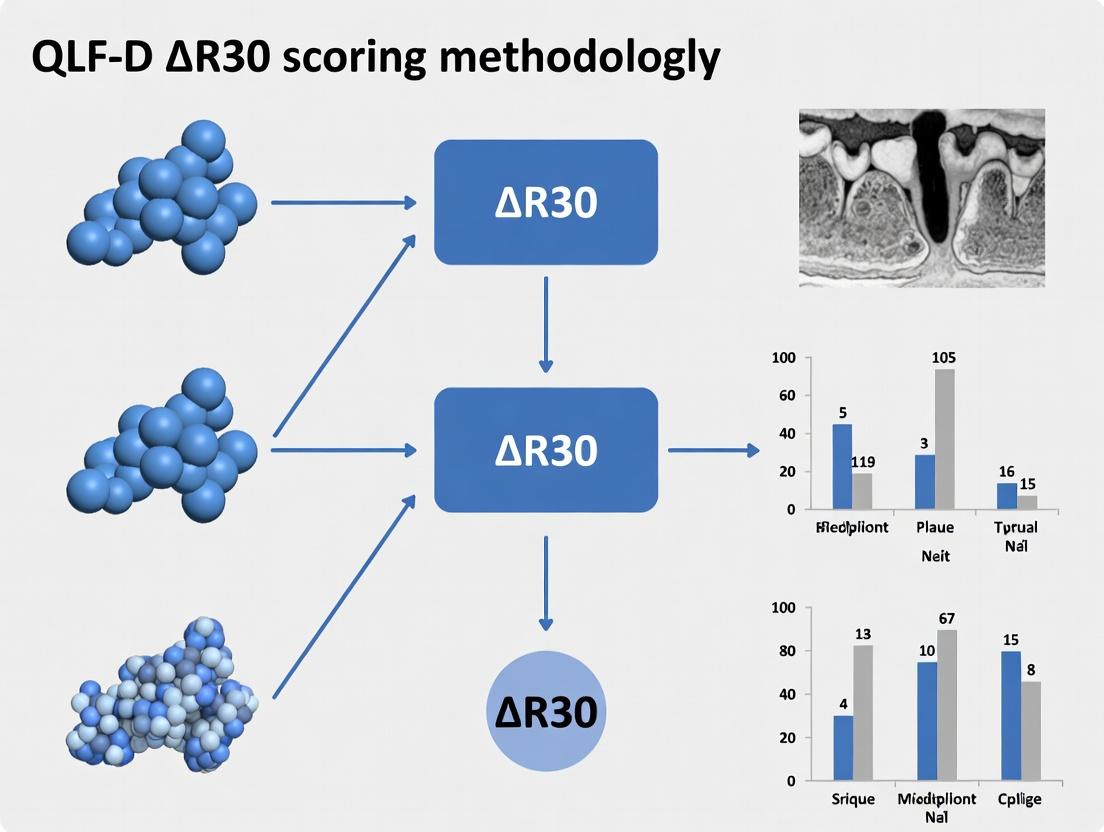
QLF-D ΔR30: A Quantitative Guide to Dental Plaque Assessment for Research and Clinical Trials
This article provides a comprehensive resource for researchers and drug development professionals on the QLF-D (Quantitative Light-induced Fluorescence-Digital) ΔR30 scoring methodology for dental plaque quantification.
Quantitative Light-induced Fluorescence Digital (QLF-D) vs. Conventional Plaque Quantification: A Comprehensive Bland-Altman Analysis for Preclinical Research
This article provides a detailed methodological and analytical framework for researchers and drug development professionals comparing Quantitative Light-induced Fluorescence Digital (QLF-D) technology with conventional disclosed plaque measurement techniques.
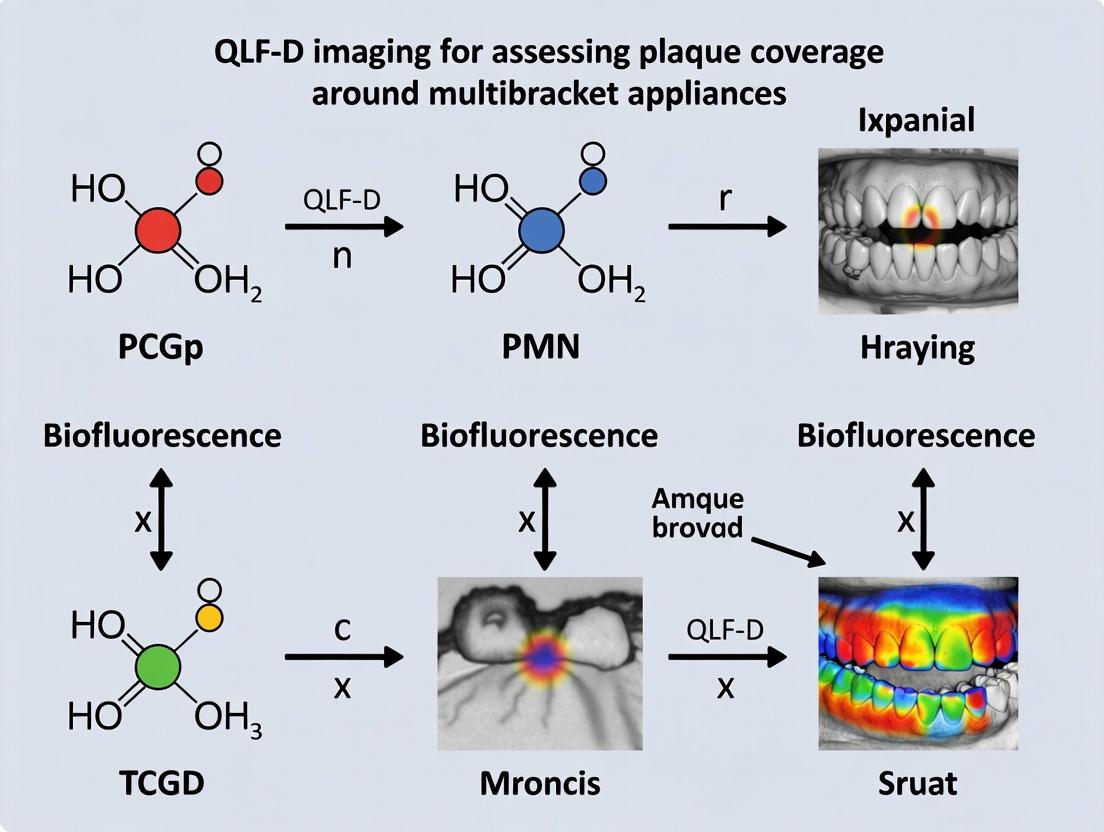
QLF-D Imaging for Biofilm Assessment in Orthodontics: A Quantitative Tool for Plaque Coverage Analysis Around Multibracket Appliances
This article explores the application of Quantitative Light-induced Fluorescence-Digital (QLF-D) imaging as a novel, objective tool for assessing microbial plaque coverage and activity around fixed multibracket appliances (MBAs).
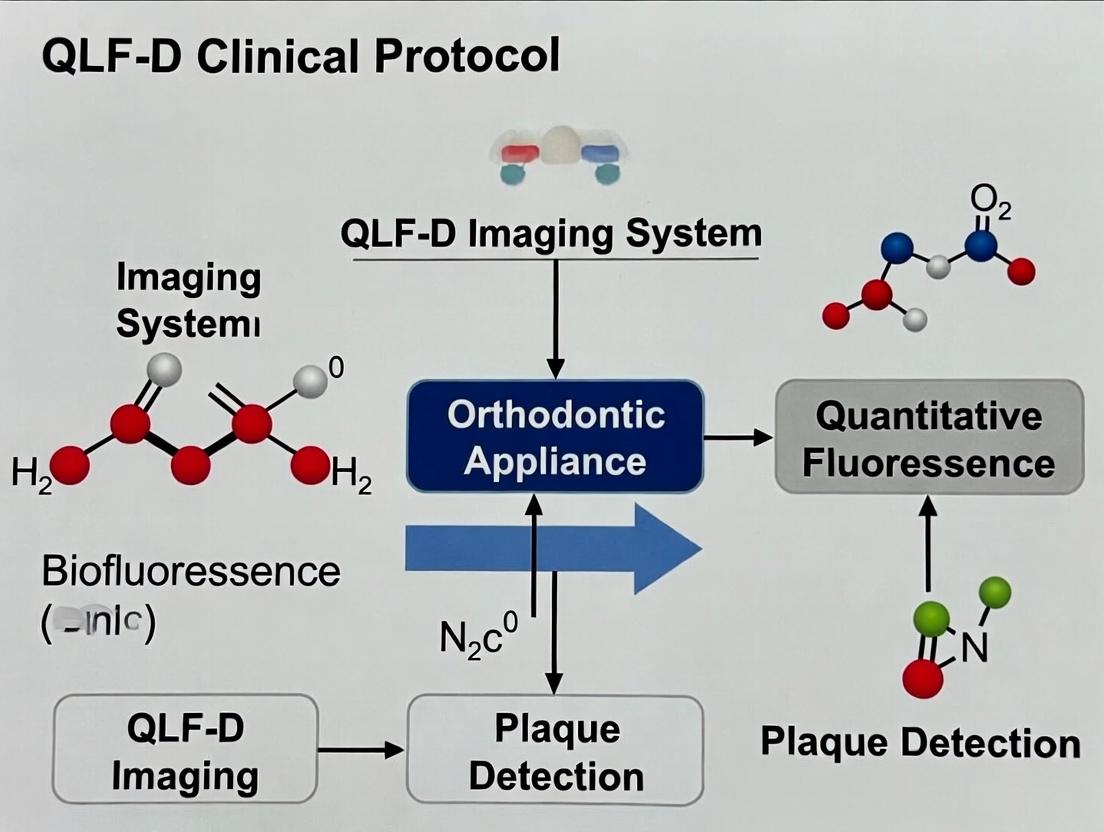
QLF-D Protocol for Orthodontic Plaque Assessment: A Comprehensive Clinical Framework for Research and Drug Development
This article presents a detailed clinical protocol for implementing Quantitative Light-induced Fluorescence-Digital (QLF-D) technology in orthodontic research and drug development.
QLF-D Biluminator: A Comprehensive Technical Guide for Drug Development and Oral Cancer Detection
This detailed technical overview of the QLF-D Biluminator explores its foundational principles, methodology, and critical role in quantitative light-induced fluorescence imaging for dental and biomedical research.
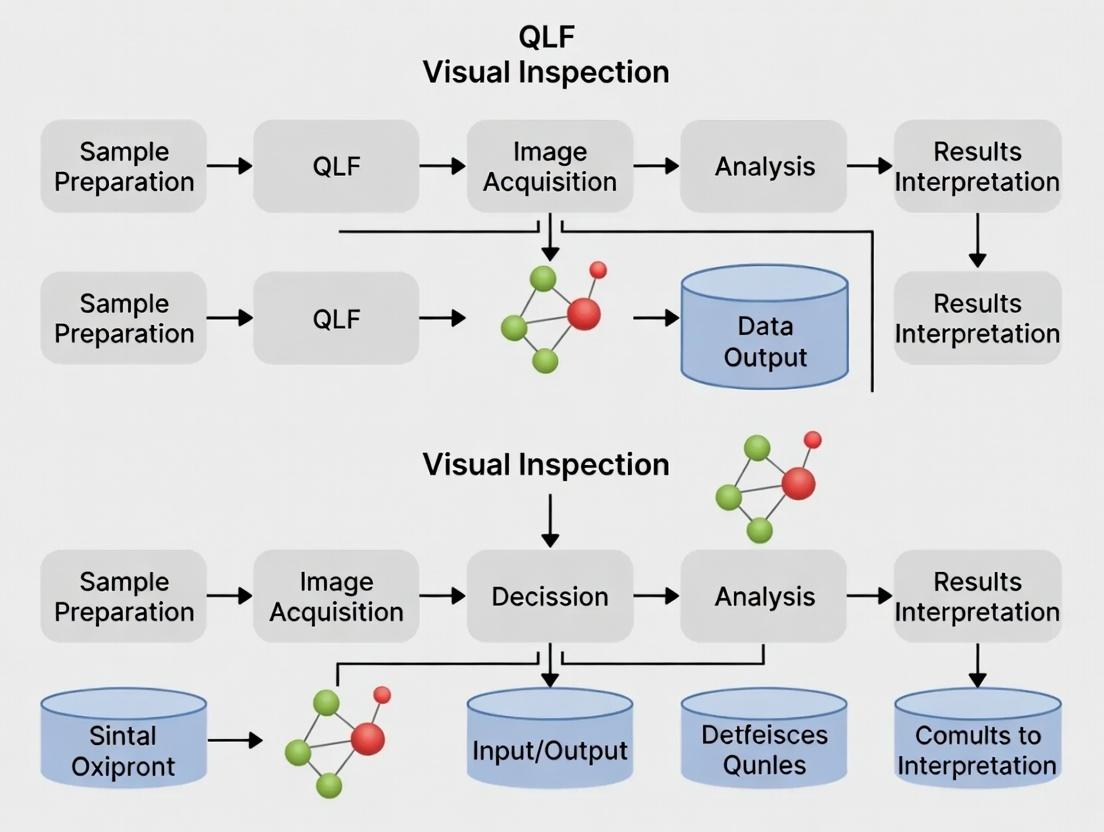
QLF vs Visual-Radiographic Caries Detection: Comparative Analysis for Research and Clinical Trials
This article provides a comprehensive technical analysis comparing Quantitative Light-induced Fluorescence (QLF) with conventional visual and radiographic examination for dental caries detection.
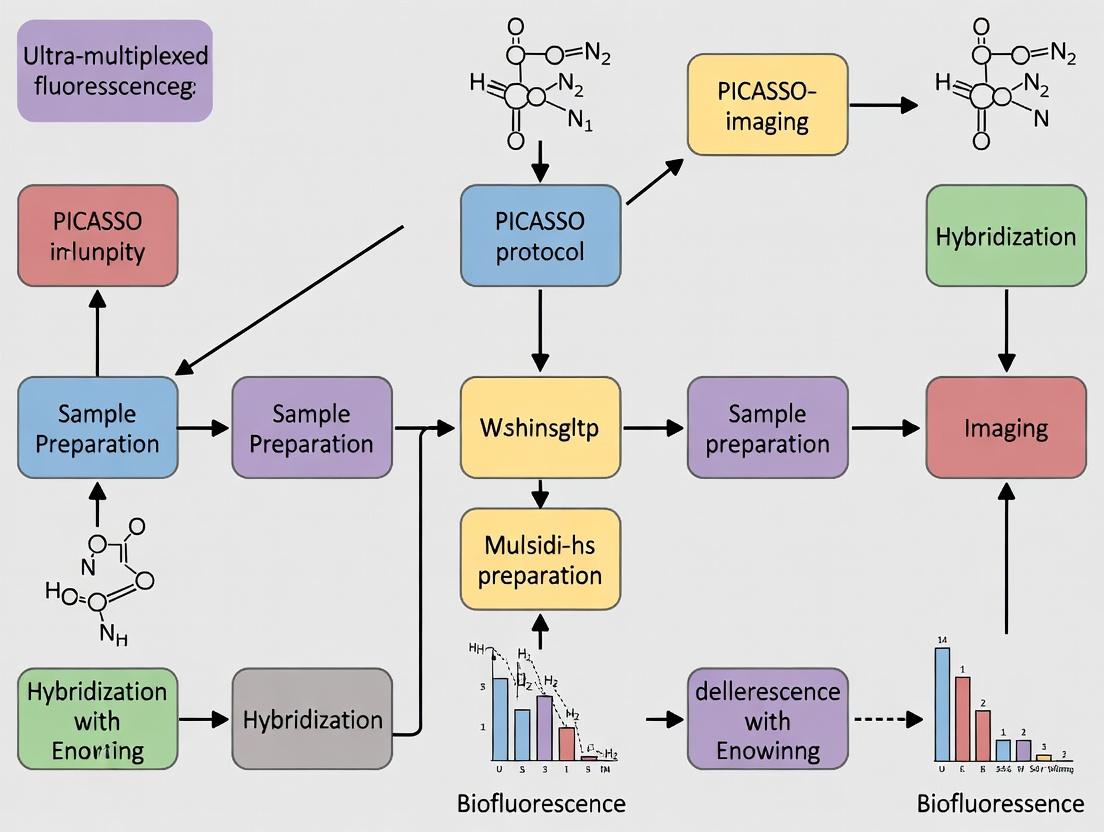
PICASSO Protocol: The Complete Guide to Ultra-Multiplexed Fluorescence Imaging for Spatial Biology
This comprehensive guide explores the PICASSO (Peptide-guided Imaging Crowding with Amplified Signal and Subtraction of Off-target) protocol, a groundbreaking method for ultra-multiplexed fluorescence imaging.
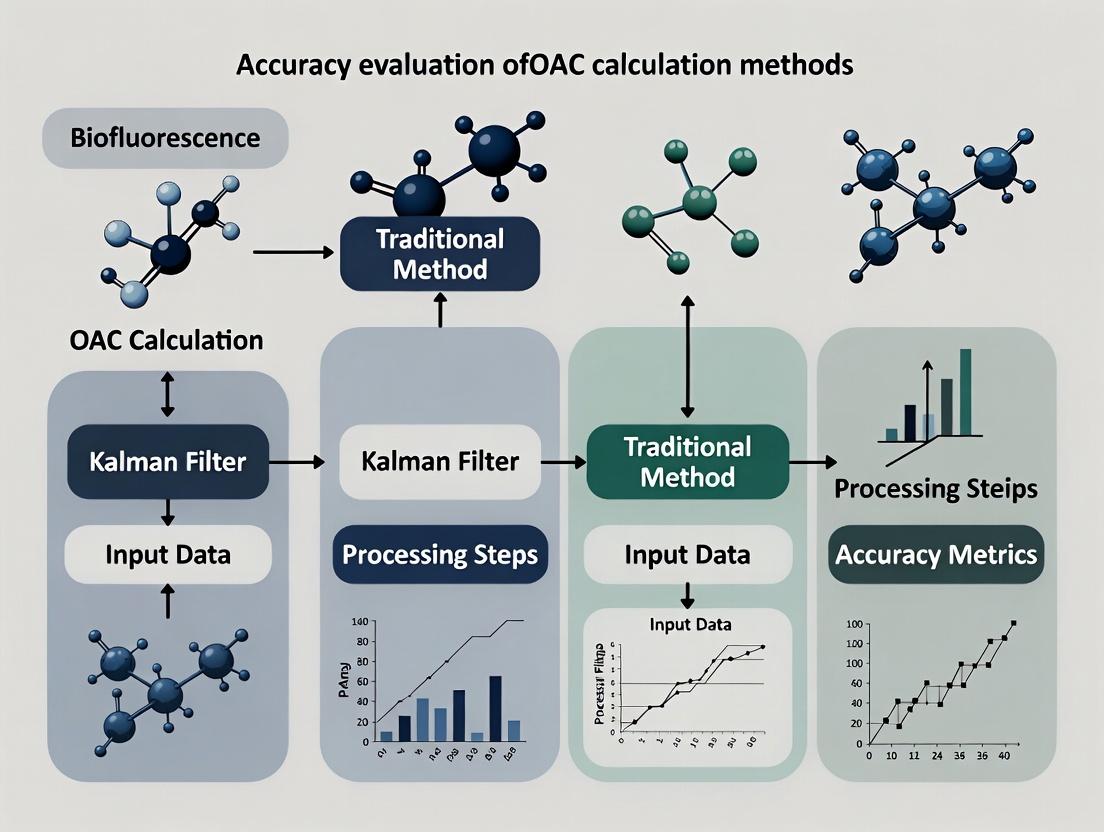
Kalman Filter vs. Traditional Methods: A Comprehensive Accuracy Evaluation for Oral Absorption Calculation (OAC) in Drug Development
This article provides a systematic evaluation of Kalman filtering against traditional pharmacokinetic methods for calculating oral drug absorption.
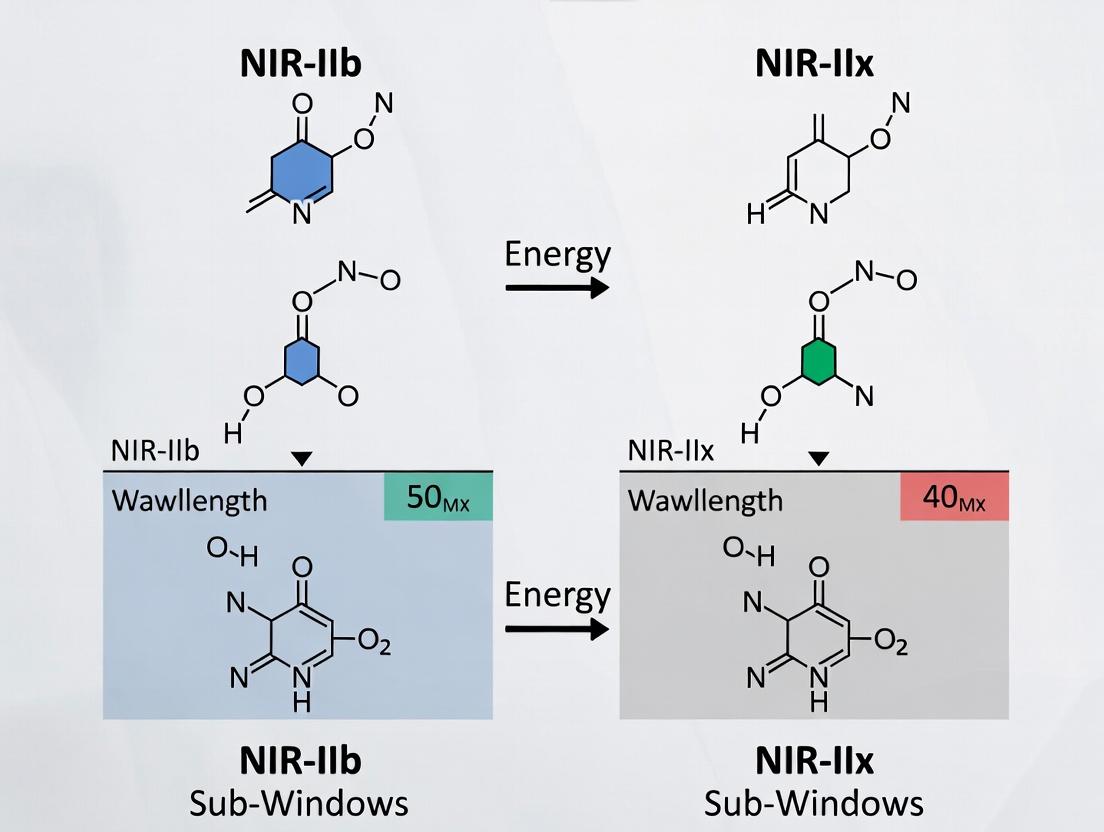
NIR-IIb vs NIR-IIx: A Comprehensive Guide to Sub-Window Selection for Superior Biomedical Imaging Contrast
This article provides researchers, scientists, and drug development professionals with a detailed examination of the NIR-IIb (1500-1700 nm) and NIR-IIx (1300-1400 nm) spectral sub-windows for in vivo fluorescence imaging.