Beyond Visual Inspection: Validating a Novel Tongue Biofilm Fluorescence Index for Objective Clinical and Research Applications
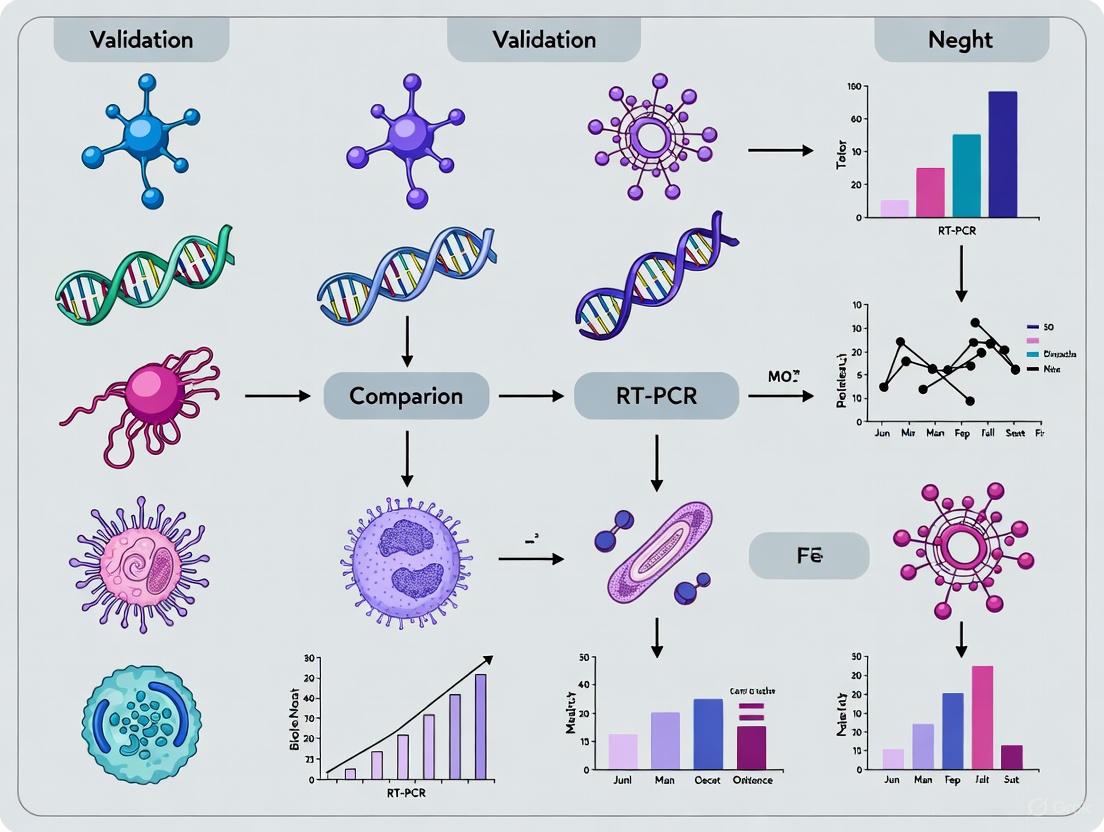
The accurate assessment of tongue biofilm is critical for understanding its role in oral and systemic health, yet conventional methods relying on visual inspection are plagued by low inter-examiner reliability.
Beyond Visual Inspection: Validating a Novel Tongue Biofilm Fluorescence Index for Objective Clinical and Research Applications
Abstract
The accurate assessment of tongue biofilm is critical for understanding its role in oral and systemic health, yet conventional methods relying on visual inspection are plagued by low inter-examiner reliability. This article explores the validation of a novel Tongue Biofilm Fluorescence Index (TBFI) that leverages quantitative light-induced fluorescence to objectively evaluate biofilm pathogenicity. We detail the foundational challenges of existing methods, the methodology and application of TBFI, its performance against conventional indices like Winkel’s Tongue Coating Index (WTCI), and its clinical validation through correlations with volatile sulfur compounds. Aimed at researchers and drug development professionals, this review synthesizes evidence demonstrating TBFI's superior reliability and validity, positioning it as a transformative tool for standardizing tongue biofilm assessment in clinical trials and microbiological research.
The Tongue Biofilm Challenge: Limitations of Conventional Assessment and the Need for Innovation
The dorsal surface of the tongue serves as a primary reservoir for microbial colonization in the human oral cavity. Tongue coating (TC) is a complex biofilm comprised of desquamated epithelial cells, food debris, bacteria, fungi, blood metabolites, and secretions from the postnasal region [1] [2]. This biological layer forms on the lingual dorsum, which provides an ideal environment for microbial retention through its fissures, grooves, and papillae [1]. While a thin, transient whitish coating upon waking is considered physiological, a thickened or chronically present coating often reflects oral dysbiosis or systemic health variations [1] [2].
The clinical significance of TC extends far beyond the oral cavity, serving as both a diagnostic indicator and a contributor to systemic health challenges. TC acts as a primary reservoir for periodontopathic bacteria and is strongly associated with oral malodor (halitosis) through the production of volatile sulfur compounds (VSCs) [1] [3]. Beyond oral health, emerging evidence links tongue coating to systemic conditions including aspiration pneumonia, cardiovascular disease, diabetes, and metabolic disorders through mechanisms involving microbial translocation and chronic inflammation [1] [4]. This review examines the composition of tongue coating as a microbial reservoir and evaluates advanced assessment methodologies, with particular focus on validating novel tongue biofilm indices against conventional approaches for research and clinical application.
Composition and Microbial Ecology of Tongue Coating
Structural Components and Formation
Tongue coating formation represents a dynamic equilibrium between microbial adhesion, epithelial cell desquamation, and mechanical cleansing mechanisms. The tongue's dorsal surface comprises both keratinized and non-keratinized epithelial cells, with filiform papillae playing a central role in TC development by providing retentive areas for debris accumulation [1] [2]. The formation process follows general principles of oral biofilm development, beginning with initial adhesion of pioneer species, followed by colonization, interbacterial communication, and maturation into a structured three-dimensional community [5].
The extracellular polymeric substance (EPS) provides structural integrity to the tongue biofilm, comprising exopolysaccharides, proteins, lipids, inorganic ions, and extracellular DNA (eDNA) [5]. These components create a resilient microenvironment that protects embedded microorganisms and facilitates microbial interactions. Multiple factors influence TC formation and characteristics, including salivary flow rate, age, dietary habits, smoking, medication use, oral hygiene practices, and systemic health status [1] [2]. Nocturnal reduction in salivary flow explains the common presence of morning tongue coating, while persistent thick coating may indicate pathological processes [1].
Microbial Diversity and Pathogenic Potential
The tongue dorsum hosts a remarkably diverse microbiome, with bacterial loads often exceeding those found at other intraoral sites [1]. The microbial composition includes predominant genera such as Streptococcus, Actinomyces, Veillonella, Porphyromonas, Neisseria, and Aggregatibacter [1] [2]. This ecosystem demonstrates substantial heterogeneity, with tongue morphology influencing bacterial load—fissured tongues harbor approximately twice the bacterial quantity of smooth tongues [1].
The pathogenicity of tongue coating correlates with both microbial composition and biomass. Thicker coatings exhibit higher bacterial loads and diversity, including anaerobic species capable of producing VSCs [1]. Specific microbial signatures associate with clinical conditions:
- Halitosis: Significantly increased abundance of Actinomyces, Prevotella, Veillonella, and Solobacterium [1] [2]
- Periodontal Disease: Presence of P. gingivalis, T. denticola, and T. forsythia on the tongue dorsum [1]
- Systemic Conditions: Elevated Bacillus in gastritis patients, Proteobacteria in chronic hepatitis B, and Haemophilus correlating with autism spectrum disorder severity [1] [6] [2]
The tongue coating serves as a microbial reservoir with capacity for bidirectional influence between oral and systemic health, exemplified by studies showing improvement in both gut and tongue-coating microbiota following washed microbiota transplantation in children with autism spectrum disorder [6].
Assessment Methodologies: Conventional vs. Novel Approaches
Conventional Tongue Coating Evaluation Methods
Traditional TC assessment has relied primarily on visual inspection and scoring systems, which despite their clinical utility, present significant limitations in objectivity and reproducibility.
Table 1: Conventional Methods for Tongue Coating Assessment
| Method | Principle | Advantages | Limitations |
|---|---|---|---|
| Winkel Tongue Coating Index (WTCI) [1] | Visual assessment of coating coverage and thickness | Quick, simple, widely adopted | Subjective, lacks biochemical details, inter-examiner variability |
| Oho Index [3] | Visual evaluation based on papillae visibility | Simple criteria | Difficulty distinguishing normal keratinization from biofilm |
| Photographic Analysis [1] | Digital imaging of tongue surface | Objective, reproducible | Requires controlled lighting and angles |
| Wet/Dry Weight Analysis [1] | Physical measurement of scraped coating | Quantitative measurement | Invasive, impractical for routine use |
| Microbial Tests [1] | Culture/molecular analysis of scrapings | Highly specific bacterial identification | Expensive, time-consuming |
Visual assessment methods particularly struggle with distinguishing normal keratinized papillae from pathological bacterial biofilm, leading to high inter-examiner variability and false-positive ratings [3]. The WTCI demonstrates only "fair agreement" between examiners (κ = 0.317), while the Oho Index shows "fair to moderate agreement" (κ = 0.496) [3].
Novel Fluorescence-Based Assessment
Recent technological advances have introduced objective approaches leveraging bacterial biofluorescence for tongue biofilm evaluation. The Tongue Biofilm Fluorescence Index (TBFI) represents a novel methodology that utilizes quantitative light-induced fluorescence (QLF) technology to detect porphyrins—metabolic products of bacteria—when exposed to 405-nm light [3].
The TBFI scoring system evaluates two parameters on a 0-2 scale:
- Intensity: RF strength reflecting biofilm metabolic activity
- Coverage: Percentage of tongue surface emitting RF
Scores are combined to generate a final TBFI rating from 0-4, enabling simultaneous assessment of quantitative and qualitative biofilm characteristics [3].
Table 2: Comparative Performance of Tongue Coating Assessment Indices
| Parameter | TBFI | WTCI | Oho Index |
|---|---|---|---|
| Inter-examiner Reliability (κ) | 0.752 (Substantial) | 0.317 (Fair) | 0.496 (Fair-Moderate) |
| Thickness Agreement Rate | 96.3% | 76.5% | 79.6% |
| Correlation with H₂S (r) | 0.369 | 0.304 | 0.308 |
| Correlation with CH₃SH (r) | 0.311 | 0.273 | 0.279 |
| Discrepancy Rate (Score 0) | 0% | 25.0% | 17.6% |
The scientific basis for fluorescence detection lies in the association between red fluorescence (RF) intensity and biofilm pathogenicity. Increased RF correlates with VSC production, reflecting metabolic activity of anaerobic bacteria within the tongue coating [3]. This relationship establishes TBFI as a functionally relevant indicator of tongue biofilm pathogenicity rather than merely a morphological assessment.
Experimental Validation and Comparative Performance
Methodological Protocols for Tongue Biofilm Index Validation
Robust experimental protocols have been developed to validate tongue coating assessment methods against established biomarkers. A representative study design comparing TBFI, WTCI, and Oho Index exemplifies this approach [3]:
Subject Selection and Preparation
- Recruitment of 81 elderly participants (n=162 images)
- Exclusion criteria: antibiotic use within 1 month, severe dental conditions
- Standardized pre-assessment conditions: refraining from eating, drinking, or oral hygiene for at least 1 hour
Imaging Protocol
- Image capture using Qraycam system
- Simultaneous acquisition of white-light and fluorescence images (405-nm excitation)
- Standardized positioning and imaging parameters
Assessment Procedure
- Independent evaluation by two calibrated examiners
- Randomized image presentation to prevent bias
- Separate scoring using TBFI, WTCI, and Oho Index criteria
Validation Metrics
- VSC measurement using gas chromatography (H₂S and CH₃SH)
- Statistical analysis: Cohen's Kappa for inter-examiner reliability, Spearman correlation for VSC associations
- Quantitative RF analysis using dedicated software for objective benchmarking
This methodological rigor ensures comparable data for evaluating the relative performance of different assessment approaches.
Comparative Performance Data
Validation studies demonstrate superior performance characteristics for the fluorescence-based TBFI compared to conventional indices. The TBFI shows substantially higher inter-examiner reliability (κ = 0.752) compared to both WTCI (κ = 0.317) and Oho Index (κ = 0.496) [3]. This enhanced reproducibility is particularly evident in thickness assessment, where TBFI achieves 96.3% agreement between examiners versus 76.5% for WTCI and 79.6% for Oho Index [3].
Regarding clinical validity, all three indices show significant positive correlations with VSC concentrations, but TBFI demonstrates the strongest association with H₂S levels (r = 0.369), a primary component of oral malodor [3]. Furthermore, H₂S concentrations show a clear dose-response relationship with increasing TBFI scores (p < 0.0001), supporting its utility as a pathogenic biofilm indicator [3].
Figure 1: Tongue Biofilm Fluorescence Index (TBFI) Assessment Workflow. The diagram illustrates the principle of bacterial biofluorescence detection and its conversion to a standardized scoring system correlating with biofilm pathogenicity and volatile sulfur compound (VSC) production.
The quantitative nature of TBFI addresses fundamental limitations of visual assessment methods, which struggle to differentiate between normal keratinization and pathological biofilm. This distinction is critical for accurate diagnosis and targeted intervention [3].
Research Applications and Clinical Implications
The Researcher's Toolkit: Essential Methodologies and Reagents
Table 3: Essential Research Reagents and Equipment for Tongue Biofilm Studies
| Category | Specific Tools/Reagents | Research Application | Functional Significance |
|---|---|---|---|
| Imaging Systems | Qraycam QLF System [3] | Tongue biofilm visualization and quantification | Enables fluorescence-based assessment of bacterial metabolic activity |
| Digital tongue imaging system (DTIS) [1] | Standardized white-light imaging | Provides objective documentation of tongue coating morphology | |
| Microbial Analysis | 16S rRNA sequencing [6] [7] | Microbiome composition profiling | Identifies taxonomic abundance and community structure |
| PacBio long-read sequencing [7] | High-resolution species identification | Enables accurate species-level analysis of microbiome differences | |
| Biochemical Assays | Gas chromatography [3] | VSC (H₂S, CH₃SH) measurement | Quantifies primary malodor compounds correlated with biofilm pathogenicity |
| Ozone-based chemiluminescence [7] | Nitrate/nitrite level detection | Measures NO production capacity relevant to systemic health | |
| Sample Collection | Sterile cotton swabs [6] | Tongue-coating sample collection | Standardized microbial sampling for downstream analysis |
| RNase-free Eppendorf tubes [6] | Sample storage and transport | Maintains RNA integrity for molecular studies | |
| Phosphate-buffered saline [6] [7] | Sample suspension and processing | Preserves microbial viability during processing |
Research Applications Across Disciplines
The validated assessment methodologies enable diverse research applications investigating the role of tongue coating in health and disease:
Oral-Systemic Disease Connections Advanced TC assessment facilitates investigation of mechanistic links between oral dysbiosis and systemic conditions. Research demonstrates associations between specific tongue-coating microbiota and metabolic disorders, cardiovascular disease, and aspiration pneumonia [1] [4]. The ability to quantitatively monitor tongue biofilm changes following interventions enables longitudinal studies of oral-systemic connections.
Treatment Efficacy Monitoring Objective tongue coating evaluation provides a biomarker for assessing preventive and therapeutic interventions. The sensitivity of fluorescence-based methods to detect subtle changes in biofilm pathogenicity supports clinical trials of antimicrobial agents, probiotics, and mechanical cleaning devices [3].
Microbial Ecology Studies Standardized sampling coupled with advanced sequencing technologies enables investigation of the tongue as a microbial habitat. Research reveals ecological relationships between tongue morphology, microbial community structure, and metabolic function, including the role of nitrate-reducing bacteria in cardiovascular health [7].
Figure 2: Tongue Coating Clinical Significance and Assessment Modalities. The diagram illustrates the multifaceted health implications of tongue coating and methodologies for its evaluation, highlighting connections between oral and systemic health.
The validation of novel tongue biofilm assessment methodologies represents significant progress in oral health research. The Tongue Biofilm Fluorescence Index demonstrates enhanced reliability and validity compared to conventional visual scoring systems, addressing critical limitations in objectivity and reproducibility [3]. This advancement enables more precise investigation of tongue coating as a microbial reservoir with implications spanning from oral malodor to systemic disease pathogenesis.
The clinical significance of tongue coating extends beyond its role in oral health, serving as an accessible window to microbial communities influencing systemic physiology. Emerging evidence positions the tongue coating as a potential diagnostic indicator and therapeutic target within the oral-systemic health axis [1] [6] [4]. Future research directions should focus on standardizing assessment protocols across populations, elucidating mechanistic pathways linking specific tongue coating microbiota to systemic conditions, and developing targeted interventions to modulate this microbial reservoir for improved health outcomes.
For researchers and drug development professionals, the validated methodologies and tools described provide a framework for rigorous investigation of tongue coating composition and clinical significance. The integration of fluorescence-based assessment with molecular microbial analysis and biochemical validation creates a powerful approach for advancing our understanding of this accessible yet complex microbial ecosystem.
The dorsal surface of the tongue provides a unique oral microenvironment characterized by fissures, crypts, and papillae that create conditions conducive to microbial growth and proliferation [3]. Tongue coating (TC) is defined as a visually discernible white or brown layer comprising bacteria, desquamated epithelial cells, blood metabolites, fungi, nasal secretions, gingival exudate, and saliva [3]. This layer acts as a reservoir for periodontopathogenic bacteria, among which gram-negative and gram-positive anaerobic bacteria decompose sulfur-containing amino acids to produce volatile sulfur compounds (VSCs) such as hydrogen sulfide (H₂S) and methyl mercaptan (CH₃SH) [3]. These metabolic products are a major cause for oral malodor and have been implicated in various oral and systemic diseases [3].
For decades, visual observation has been the conventional method for assessing tongue bacterial biofilms in clinical practice, wherein the coated area, thickness, and discoloration of the dorsal tongue are inspected under white light [3]. Among the various assessment tools developed, Winkel's Tongue Coating Index (WTCI) and the Oho Index have emerged as prominent clinical indices for evaluating tongue coating. Despite their widespread use, these conventional methods present significant challenges in inter-examiner reliability due to difficulties in visually distinguishing between normal keratinization and bacterial biofilm [3]. This comprehensive guide objectively compares the performance of these conventional indices against emerging alternatives, supported by experimental data within the broader context of validating novel tongue biofilm assessment methods.
Understanding the Conventional Indices
Winkel's Tongue Coating Index (WTCI)
Development and Clinical Application: Winkel's Tongue Coating Index (WTCI) represents one of the most established methods for quantifying tongue coating. The index employs a systematic approach by dividing the tongue dorsum into three sections—posterior, middle, and anterior—with each section further divided into two lateral parts (left and right), creating a total of six evaluation areas [8]. In the traditional assessment, each of these sextants is scored based on the presence and thickness of the coating: 0 = no coating, 1 = light coating, or 2 = severe coating [8]. The scores from all sextants are summed to generate a total WTCI score ranging from 0 to 12, with higher values indicating more extensive tongue coating.
Methodological Considerations: The WTCI evaluation system categorizes TC thickness as light or severe based on visual observation of the coating under standard white light conditions [3]. Clinical studies have consistently demonstrated that this method localizes the highest coating density in the mid posterior area of the tongue, which corresponds anatomically to the region most conducive to bacterial accumulation and retention [8]. The simplicity of the WTCI system has contributed to its widespread adoption in both clinical practice and research settings, particularly in studies investigating halitosis and oral hygiene interventions.
The Oho Index
Development and Clinical Application: The Oho Index offers an alternative approach to tongue coating assessment, with different evaluation criteria compared to WTCI. While the specific development background and detailed scoring methodology of the Oho Index are not fully elaborated in the available literature, it is recognized as a conventional visual assessment method that assigns different scores based on papillae visibility [3]. The index presumably focuses on the relationship between tongue coating coverage and the visual obscurement of underlying lingual structures.
Methodological Considerations: Similar to WTCI, the Oho Index relies on visual examination under white light conditions but employs distinct evaluation parameters. The difficulty in visually distinguishing between normal keratinized papillae and pathological tongue coating represents a significant challenge for this method, potentially contributing to inter-examiner variability [3]. The Oho Index appears to place particular emphasis on the qualitative characteristics of tongue coating rather than purely quantitative measurements, though the exact scoring criteria and range require consultation of primary sources for comprehensive understanding.
Comparative Performance Analysis
Inter-Examiner Reliability Assessment
A critical comparative study published in Scientific Reports in 2024 evaluated the reliability of conventional tongue coating indices against a novel fluorescence-based method [3]. The investigation involved data collection from 81 elderly individuals (162 images) with an average age of 74.7 ± 5.2 years, comprising 18 males (22%) and 63 females (78%) [3]. Two examiners assessed tongue coating using the three different indices, and their agreement was measured using Cohen's Kappa statistic, with results summarized in Table 1.
Table 1: Inter-Examiner Reliability of Tongue Coating Indices
| Assessment Index | First Evaluation (κ) | Second Evaluation (κ) | Average Kappa (κ) | Agreement Level |
|---|---|---|---|---|
| TBFI | 0.778 | 0.725 | 0.752 | Substantial |
| Oho Index | 0.394 | 0.598 | 0.496 | Fair to Moderate |
| WTCI | 0.291 | 0.342 | 0.317 | Fair |
The data reveal striking differences in reliability between assessment methods. The Tongue Biofilm Fluorescence Index (TBFI) demonstrated substantial agreement between examiners (κ = 0.752), significantly outperforming both conventional indices [3]. The Oho Index showed fair to moderate agreement (κ = 0.496), while WTCI demonstrated only fair agreement (κ = 0.317) [3]. This substantial reliability advantage of the fluorescence-based method highlights a fundamental limitation of conventional visual assessment approaches.
The superior reproducibility of TBFI is likely attributed to its ability to overcome the ambiguous evaluation criteria inherent in traditional TC indices [3]. As noted by researchers, "Visual examination methods such as WTCI and Oho Index can mistakenly identify normal keratinized papillae as tongue biofilms, leading to a high false-positive rate" [3]. This limitation was particularly evident in the assessment of tongue coating thickness, where TBFI achieved a remarkable 96.3% agreement rate between examiners, compared to 76.5% for WTCI and 79.6% for the Oho Index [3].
Correlation with Volatile Sulfur Compounds
The validity of tongue coating indices was further evaluated through correlations with concentrations of hydrogen sulfide (H₂S) and methyl mercaptan (CH₃SH), which are metabolic products of bacterial activity and major contributors to oral malodor [3]. As shown in Table 2, all three indices demonstrated significant positive correlations with VSC levels, but with notable differences in strength of association.
Table 2: Correlation with Volatile Sulfur Compounds
| Assessment Index | H₂S Correlation (r) | CH₃SH Correlation (r) | Statistical Significance |
|---|---|---|---|
| TBFI | 0.369 | 0.295 | p < 0.01 |
| WTCI | 0.304 | 0.277 | p < 0.01 |
| Oho Index | 0.308 | 0.279 | p < 0.01 |
TBFI showed the strongest correlation with hydrogen sulfide levels (r = 0.369), outperforming both WTCI (r = 0.304) and the Oho Index (r = 0.308) [3]. Furthermore, the Jonckheere-Terpstra test demonstrated that H₂S levels significantly increased with higher score categories across all three TC indices (p < 0.0001), with TBFI exhibiting the highest z-value (z = 4.732), indicating the clearest trend among ranks [3]. These findings suggest that the fluorescence-based method may more accurately reflect the bacterial load and metabolic activity of tongue biofilms compared to conventional visual assessment.
Methodological Protocols
Standard Assessment Procedure for WTCI
Equipment and Setup:
- Standard dental examination chair with adjustable headrest
- White light source (dental operatory light)
- Dental mirror for tongue manipulation
- Disposable gloves and mask
Assessment Protocol:
- Position the patient in a semi-recumbent position with the head stabilized
- Instruct the patient to fully extend the tongue without excessive straining
- Visually divide the tongue dorsum into three sections (posterior, middle, anterior)
- Further divide each section into left and right lateral parts, creating six evaluation areas
- Assign a score to each sextant: 0 = no coating, 1 = light coating, 2 = severe coating
- Sum the scores from all six areas to generate a total WTCI score (range 0-12)
- Document findings with standardized photography when possible
Clinical Considerations: The evaluation should be performed before any oral hygiene procedures or eating/drinking. The distinction between "light" and "severe" coating requires clinical judgment, focusing on the opacity of the coating and the degree to which it obscures the underlying tongue surface. Studies have noted that WTCI is more sensitive in discriminating between absence and presence of sparse coating compared to fluorescence methods [8].
Autofluorescence-Enhanced Assessment
Equipment and Setup:
- VELscope autofluorescence device or Qraycam system
- Dimmed ambient lighting conditions
- Standardized imaging protocol
- Computer with image analysis software
Assessment Protocol:
- Position the patient as for conventional assessment
- Capture white-light images of the dorsal tongue for reference
- Switch to fluorescence mode (405-nm light for Qraycam)
- Visualize the distinct orange fluorescence of bacterially colonized areas
- Assess fluorescence patterns based on intensity and distribution
- Score findings according to established fluorescence indices
- Document with paired white-light and fluorescence images
Clinical Considerations: The distinct orange fluorescence of the tongue dorsum caused by autofluorescent bacterially colonized areas has been noted to motivate halitosis patients to optimize tongue hygiene [8]. Research indicates that autofluorescence imaging is relatively insensitive to sparse coating but better detects dense coating than does WTCI [8]. This technology can complement tongue coating diagnosis but cannot replace established indices [8].
Visualization of Assessment Methods
Diagram 1: Tongue coating assessment workflow comparing conventional and fluorescence methods.
The Scientist's Toolkit: Essential Research Materials
Table 3: Essential Research Reagents and Equipment for Tongue Biofilm Studies
| Item Name | Function/Application | Specifications |
|---|---|---|
| Qraycam System | Captures white-light and quantitative light-induced fluorescence (QLF) images of tongue dorsum | 405-nm light source, standardized imaging distance, RF quantification capability [3] |
| VELscope Device | Autofluorescence visualization of bacterially colonized tongue areas | Portable design, specific fluorescence excitation/emission filters [8] |
| OralChroma | Gas chromatography system for measuring VSCs (H₂S, CH₃SH) | Portable design, measures three sulfur gases simultaneously, high sensitivity [3] |
| Standardized Imaging Setup | Ensures consistent photographic documentation across assessments | Adjustable camera mount, standardized lighting, color calibration cards |
| Tongue Coating Scoring Software | Digital image analysis for objective quantification of coating parameters | Area calculation, intensity measurement, sextant division capability |
| Statistical Analysis Package | Data analysis for reliability and validity testing | Cohen's Kappa calculation, correlation analysis, ROC curve generation |
Discussion and Research Implications
The comparative analysis reveals fundamental limitations in conventional tongue coating assessment methods. The relatively low inter-examiner reliability of both WTCI (κ = 0.317) and the Oho Index (κ = 0.496) compared to the fluorescence-based TBFI (κ = 0.752) underscores the subjectivity inherent in visual evaluation approaches [3]. This subjectivity primarily stems from the difficulty in distinguishing between normal keratinization and pathological bacterial biofilm using white-light examination alone [3].
From a research perspective, these reliability limitations have significant implications for study design and data interpretation. The substantial inter-examiner variability associated with conventional indices may introduce measurement error that reduces statistical power and potentially obscures genuine treatment effects in clinical trials. Research investigations utilizing these conventional methods should incorporate rigorous calibration training, multiple blinded assessors, and larger sample sizes to compensate for these methodological limitations.
The stronger correlation between TBFI and hydrogen sulfide concentrations (r = 0.369) compared to conventional indices (WTCI: r = 0.304; Oho Index: r = 0.308) suggests that fluorescence-based assessment may more accurately reflect the metabolic activity of tongue biofilms [3]. This enhanced validity is particularly relevant for halitosis research, where quantitative assessment of VSC-producing bacterial loads is essential.
While conventional indices like WTCI and the Oho Index have contributed substantially to our understanding of tongue coating epidemiology, the emerging evidence supports the integration of fluorescence-based methods in contemporary research paradigms. These novel approaches offer enhanced objectivity and bacterial specificity while maintaining clinical feasibility. Future research should focus on standardized protocols, established diagnostic thresholds, and cost-effectiveness analyses to facilitate broader implementation across diverse clinical and research settings.
The visual assessment of tongue biofilm, or tongue coating (TC), is a fundamental procedure in oral health research, linking biofilm accumulation to conditions like halitosis and periodontal disease [1]. However, its value is severely compromised by a central pitfall: the low inter-examiner reliability inherent in conventional methods that rely on subjective visual criteria. Traditional indices, such as the Winkel Tongue Coating Index (WTCI), depend on a clinician's visual estimation of coating area and thickness, a process with no clear criteria to distinguish normal keratinization from pathological bacterial biofilm [3]. This lack of standardization introduces significant variability, undermining the consistency and comparability of research findings. This article objectively compares the performance of a novel, fluorescence-based assessment method against conventional techniques, providing experimental data to guide researchers and drug development professionals in selecting validated and reliable tools for their work.
Quantitative Comparison: Novel versus Conventional Indices
The following tables summarize key experimental data from a 2024 validation study that directly compared the novel Tongue Biofilm Fluorescence Index (TBFI) with the conventional Winkel Tongue Coating Index (WTCI) and the Oho Index [3].
Table 1: Comparison of Inter-Examiner Reliability Between Indices
| Assessment Index | Cohen's Kappa (κ) | Agreement Level | Thickness Rating Agreement Rate |
|---|---|---|---|
| Tongue Biofilm Fluorescence Index (TBFI) | 0.752 | Substantial | 96.3% |
| Oho Index | 0.496 | Moderate | 79.6% |
| Winkel Tongue Coating Index (WTCI) | 0.317 | Fair | 76.5% |
Table 2: Correlation with Volatile Sulfur Compounds (VSCs) as a Validation Measure
| Assessment Index | Correlation with H₂S (r-value) | Correlation with CH₃SH (r-value) | Trend Test for H₂S (z-value) |
|---|---|---|---|
| Tongue Biofilm Fluorescence Index (TBFI) | 0.369 | 0.279 | 4.732 |
| Oho Index | 0.308 | 0.266 | 3.970 |
| Winkel Tongue Coating Index (WTCI) | 0.304 | 0.267 | 3.774 |
Detailed Experimental Protocols
Protocol for the Novel Tongue Biofilm Fluorescence Index (TBFI)
The TBFI methodology leverages bacterial biofluorescence to objectify tongue biofilm assessment.
- Imaging Device: The Qraycam, a quantitative light-induced fluorescence (QLF) camera system, is used for image acquisition [3].
- Image Capture Protocol: For each participant, both a white-light image and a fluorescence image (induced by 405-nm light) of the dorsal tongue are captured [3].
- Scoring System: The TBFI is calculated based on two parameters, each scored on a 0-2 scale [3]:
- Biofilm Intensity: The red fluorescence (RF) intensity of the biofilm.
- Biofilm Coverage: The percentage of the tongue dorsum covered by fluorescent biofilm.
- Data Integration: The scores for intensity and coverage are combined to generate the final TBFI score, providing a composite measure of biofilm quantity and quality [3].
Protocol for Conventional Visual Indices (WTCI)
The Winkel Tongue Coating Index represents a typical conventional method based solely on visual inspection.
- Tongue Division: The dorsal surface of the tongue is divided into three areas: posterior, middle, and anterior, each subdivided into left, middle, and right sections, resulting in a total of nine segments [9].
- Visual Scoring: An examiner visually assesses each of the nine segments and assigns a score based on the presence and thickness of the coating [3] [9]:
- Score 0: No coating.
- Score 1: Light coating.
- Score 2: Severe/thick coating.
- Index Calculation: The scores from all nine segments are summed to produce a total WTCI score ranging from 0 to 18 [9].
Visualizing the Assessment Workflows
The fundamental difference between the methods lies in their core operational principles, which directly impacts their objectivity.
The Emergence of AI and Machine Learning in Tongue Diagnosis
Computerized tongue image analysis (CTIA) and Deep Convolutional Neural Networks (DCNNs) represent a paradigm shift beyond fluorescence, offering a fully automated approach to overcome subjectivity [10] [11]. These systems standardize the entire process, from image acquisition and preprocessing to feature extraction and final classification.
Studies demonstrate the high classification accuracy of such AI models. For instance, DCNNs have achieved an Area Under the Receiver Operating Characteristic (AUROC) of 0.8731 for glossitis and a near-perfect AUROC of 1.0000 for detecting oral squamous cell carcinoma (OSCC), showcasing their potential for highly reliable, automated diagnosis [12].
The Scientist's Toolkit: Essential Research Reagent Solutions
Table 3: Key Materials and Equipment for Tongue Biofilm Research
| Item | Function in Research | Example Application |
|---|---|---|
| QLF Imaging System (e.g., Qraycam) | Captures bacterial-induced red fluorescence for objective biofilm quantification. | Core device for implementing the TBFI scoring system [3]. |
| Standardized Tongue Imaging Device | Provides controlled lighting and fixed focal length for consistent, reproducible image capture. | Used in clinical studies to minimize environmental variables [9]. |
| Pre-trained Deep Convolutional Neural Networks (DCNNs) | Provides automated, high-accuracy feature extraction and classification of tongue conditions. | Used for classifying glossitis, OSCC, and other tongue lesions from images [11] [12]. |
| Gas Chromatography Apparatus | Precisely measures concentrations of hydrogen sulfide (H₂S) and methyl mercaptan (CH₃SH). | Serves as an objective gold-standard method for validating tongue coating indices against VSC production [3]. |
| 16S rRNA Gene Sequencing Reagents | Allows for comprehensive analysis of the microbial composition of tongue biofilm. | Used to correlate tongue coating phenotypes with specific microbial taxa [13] [9]. |
The experimental data unequivocally demonstrates that the novel TBFI, leveraging the objective signal of bacterial biofluorescence, addresses the central pitfall of conventional methods by achieving substantially higher inter-examiner reliability (κ = 0.752) and stronger correlation with pathological biomarkers. The progression from subjective visual scoring to fluorescence-based quantification and, further, to AI-driven analysis marks a critical evolution in tongue biofilm assessment. For researchers and drug development professionals, adopting these quantitative technologies is essential for generating consistent, comparable, and validated data, thereby enhancing the rigor of studies linking oral biofilm to local and systemic health outcomes.
The dorsal tongue surface presents a critical diagnostic challenge for researchers and clinicians: differentiating between normal physiological keratinization and pathogenic bacterial biofilm. This distinction is paramount, as while a thin, whitish layer is a normal anatomical feature, thick coatings act as reservoirs for periodontopathic bacteria and are implicated in oral conditions like halitosis and periodontal disease, as well as systemic issues including aspiration pneumonia and cardiovascular disease [1]. The complex topography of the tongue, with its fissures, grooves, and papillae, creates a unique microenvironment conducive to microbial retention and growth, complicating visual assessment [1] [3]. Historically, conventional indices relying on visual inspection have been limited by subjectivity and poor inter-examiner reliability, primarily due to the difficulty in visually distinguishing normal keratinized papillae from pathological bacterial accumulation [3]. This review objectively compares the performance of novel biofilm detection methodologies against conventional standards, validating their application in advanced research and therapeutic development.
Conventional vs. Novel Methodologies: A Paradigm Shift in Tongue Biofilm Quantification
Established Conventional Indices
Conventional assessment of tongue coating has primarily relied on visual scoring systems conducted under white light.
- Winkel Tongue Coating Index (WTCI): This method divides the tongue dorsum into three areas and evaluates the coating based on the presence and thickness in each segment. Its main advantages are its simplicity and quick application, requiring no specialized equipment. However, it suffers from subjectivity, lacks biochemical specificity, and has demonstrated low inter-examiner reliability (Kappa, κ = 0.317) [1] [3].
- Oho Index: This index assesses tongue coating by rating the visibility of the tongue papillae through the coating. It provides a different visual metric but shares the same fundamental limitation as the WTCI: the challenge of differentiating between healthy keratinization and pathogenic biofilm, leading to potential false positives. Its inter-examiner reliability has been reported as fair to moderate (κ = 0.496) [3].
- Weight Analysis: A more quantitative method involves scraping the tongue coating and measuring its wet or dry weight. While this approach provides an objective measure of the coating volume, it is invasive, impractical for routine clinical or research use, and offers no information about the bacterial pathogenicity or viability of the biofilm [1].
Emerging Novel Biofluorescence-Based Indices
Novel approaches leverage technology to objectively quantify the bacterial load and metabolic activity within the tongue biofilm.
- Tongue Biofilm Fluorescence Index (TBFI): This novel index utilizes quantitative light-induced fluorescence (QLF) technology. When exposed to 405-nm light, bacterial porphyrins within the biofilm emit red fluorescence (RF). The TBFI scoring system is based on the intensity and coverage of this RF, providing a simultaneous assessment of the quantitative and qualitative aspects of the biofilm. It has demonstrated substantial inter-examiner reliability (κ = 0.752) and strong positive correlations with volatile sulfur compounds (VSCs) like hydrogen sulfide (H₂S, r = 0.369), which are key markers of biofilm pathogenicity [3].
- QLF-D and Simple Plaque Score (SPS): The principle of bacterial autofluorescence is also applied to dental plaque. The QLF-D device captures fluorescence, and dedicated software calculates an SPS from 0 to 5. Studies have confirmed a positive correlation between the SPS index and conventional plaque indices using disclosing agents, validating its use for objective dental and tongue biofilm quantification [14].
Table 1: Comparative Analysis of Tongue Coating Assessment Methods
| Method Category | Specific Method/Index | Underlying Principle | Key Advantages | Key Limitations |
|---|---|---|---|---|
| Conventional Visual Inspection | Winkel Tongue Coating Index (WTCI) | Visual scoring of area and thickness under white light | Quick, simple, no equipment needed | Subjective; low inter-examiner reliability (κ = 0.317) [3] |
| Oho Index | Visual assessment of papillae visibility | Simple clinical application | Fair to moderate reliability (κ = 0.496); high false-positive rate [3] | |
| Quantitative Physical/Chemical | Wet/Dry Weight Analysis | Physical weighing of scraped coating | Objective quantitative measure | Invasive, impractical; no data on pathogenicity [1] |
| Novel Biofluorescence-Based | Tongue Biofilm Fluorescence Index (TBFI) | Detection of red fluorescence from bacterial porphyrins under 405-nm light | High inter-examiner reliability (κ = 0.752); correlates with pathogenicity (H₂S, r = 0.369) [3] | Requires specialized imaging equipment (Qraycam) |
| Simple Plaque Score (SPS) via QLF-D | Digital analysis of red fluorescence from plaque | Objective, quantifies both amount and bacterial activity | Requires darkroom conditions and analysis software [14] |
Experimental Protocols for Key Assessment Methodologies
Protocol for the Conventional Winkel Tongue Coating Index (WTCI)
The WTCI assessment is performed under a standardized white light source with the patient's tongue in a protruded position [1].
- Tongue Division: The tongue dorsum is divided into three areas: the posterior third (area 1), the middle third (area 2), and the anterior third (area 3). Area 3 is further divided into two halves by the median fissure.
- Scoring: Each of the three areas is scored based on the presence and thickness of the coating:
- Score 0: No coating.
- Score 1: A thin coating.
- Score 2: A thick coating.
- Calculation: The scores for all three areas are summed, yielding a total WTCI score that can range from 0 to 6 [1] [3].
Protocol for the Novel Tongue Biofilm Fluorescence Index (TBFI)
The TBFI protocol requires specific equipment and a controlled environment to ensure accuracy [3].
- Image Acquisition: The subject's tongue is positioned, and images are captured in a darkroom setting using a Qraycam or similar QLF-D device. The device simultaneously captures a white-light image and a fluorescence image under 405-nm illumination.
- Fluorescence Assessment: The resulting fluorescence image is evaluated for two parameters on a 0-2 scale:
- Coverage (C): The extent of the dorsal tongue surface covered by red fluorescence.
- 0: No fluorescence.
- 1: Fluorescence covering ≤1/2 of the tongue surface.
- 2: Fluorescence covering >1/2 of the tongue surface.
- Intensity (I): The brightness of the red fluorescence.
- 0: No fluorescence.
- 1: Faint fluorescence.
- 2: Bright fluorescence.
- Coverage (C): The extent of the dorsal tongue surface covered by red fluorescence.
- TBFI Score Calculation: The final TBFI score is the sum of the Coverage and Intensity scores (C + I), resulting in a total score ranging from 0 to 4 [3].
Protocol for Validating Biofilm Indices Against Pathogenic Markers
To validate the clinical relevance of biofilm indices, measurements are correlated with volatile sulfur compounds (VSCs), which are metabolic products of pathogenic bacteria [3].
- VSC Measurement: Following tongue imaging, oral malodor is measured using a portable gas chromatograph (e.g., OralChroma).
- Gas Sampling: A 1 mL sample of air is collected from the oral cavity using a syringe.
- Analysis: The concentrations of key VSCs, including hydrogen sulfide (H₂S) and methyl mercaptan (CH₃SH), are quantified in parts per billion (ppb).
- Statistical Correlation: The TBFI and other index scores are statistically correlated with the measured VSC concentrations using correlation analyses (e.g., Spearman's rank correlation) and trend tests (e.g., Jonckheere-Terpstra test) to confirm that higher index scores are associated with higher levels of pathogenic metabolites [3].
Visualization of Workflows and Pathogenesis
Tongue Biofilm Assessment Workflow
(Diagram 1: Comparative workflow for conventional and novel tongue biofilm assessment methods, culminating in validation against pathogenic VSCs.)
Biofilm Formation and Assessment Logic
(Diagram 2: Logical progression from initial bacterial colonization to mature, pathogenic biofilm, and its detection via fluorescence.)
The Scientist's Toolkit: Essential Research Reagents and Solutions
Table 2: Key Reagents and Materials for Tongue Biofilm Research
| Research Tool | Specific Example / Model | Primary Function in Research |
|---|---|---|
| Quantitative Light-Induced Fluorescence (QLF) Device | Qraycam, QLF-D (All in One Bio Co.) | Captures white-light and bacterial fluorescence (405-nm) images of the tongue dorsum for objective quantification [3] [14]. |
| Fluorescence Analysis Software | QA2 v1.23 (Inspektor Research Systems) | Dedicated software for analyzing fluorescence images, calculating indices like SPS and TBFI based on intensity and coverage [3] [14]. |
| Portable Gas Chromatograph | OralChroma | Precisely measures concentrations of volatile sulfur compounds (H₂S, CH₃SH) from oral air samples, serving as a gold-standard validation for biofilm pathogenicity [3]. |
| Plaque Disclosing Agents | Sultan disclosing solution | Stains dental and tongue biofilm for visual inspection, used as a conventional comparator for validating novel fluorescence-based methods [14]. |
| Contrast Agents for Advanced Imaging | Trypan Blue, Isotonic Lugol, Hf-WD 1:2 POM | Stains biofilms to enhance contrast and visibility in various imaging modalities, including standard photography and micro-CT, for structural analysis [15] [16]. |
| High-Resolution Microscopy | Confocal Laser Scanning Microscopy (CLSM), Scanning Electron Microscopy (SEM) | Provides high-resolution, three-dimensional structural analysis of biofilm architecture and microbial composition on a nanometric scale [17]. |
The "keratinization conundrum" is being decisively addressed by technological innovation. While conventional visual indices like the WTCI offer simplicity, their subjectivity and poor reliability fundamentally limit their utility in rigorous research and drug development. The validation of novel fluorescence-based indices, particularly the TBFI, marks a paradigm shift. By providing objective, quantitative, and reproducible data that directly correlates with the pathogenic potential of the tongue biofilm, these methods offer a superior toolset. The integration of biofluorescence imaging with validated pathogenic markers like VSCs provides a powerful, multi-parametric framework for future research, enabling more precise screening of anti-biofilm agents and personalized therapeutic interventions aimed at mitigating both oral and systemic health risks.
The dorsal surface of the tongue, with its unique topography of fissures, crypts, and papillae, creates an environment conducive to microbial growth and biofilm formation [3]. This tongue coating (TC) is a complex biofilm comprising desquamated epithelial cells, food debris, blood metabolites, fungi, nasal secretions, and saliva, but most importantly, a diverse microbial community [1]. Far from being merely a local issue, the tongue biofilm serves as a primary reservoir for pathogenic bacteria and has emerged as a significant factor in both oral and systemic health [1]. The biofilm acts as a reservoir for periodontopathogenic bacteria, which decompose sulfur-containing amino acids to produce volatile sulfur compounds (VSCs)—the primary cause of oral malodor (halitosis) and a potential contributor to various systemic conditions [3] [18].
The clinical assessment of tongue biofilm has long been challenging due to the subjective nature of conventional visual inspection methods. However, recent advances in fluorescence-based imaging and molecular techniques have revolutionized our ability to quantitatively evaluate biofilm characteristics, opening new avenues for understanding its role in health and disease [3] [19]. This review will critically evaluate the association between tongue biofilm and prevalent oral conditions like halitosis and periodontitis, explore its emerging links to systemic diseases, and validate novel assessment methodologies against conventional approaches within the context of oral microbiome research.
Evaluating Tongue Biofilm Assessment Methods: From Conventional Indices to Fluorescence-Based Innovation
The clinical evaluation of tongue biofilm has traditionally relied on visual scoring systems, which despite their widespread use, present significant limitations in reproducibility and accuracy. The Winkel Tongue Coating Index (WTCI) assesses the coated area and thickness in three tongue sections, while the Oho Index assigns scores based on papillae visibility [3]. A major challenge with these conventional methods is the difficulty in distinguishing between normal keratinization—the physiological grayish-white layer on the dorsal tongue—and bacterial biofilm, leading to high inter-examiner variability and false-positive rates [3].
The Tongue Biofilm Fluorescence Index (TBFI): A Novel Paradigm
To address these limitations, a novel Tongue Biofilm Fluorescence Index (TBFI) has been developed, utilizing bacterial biofluorescence for accurate detection and objective evaluation of tongue biofilms [3]. This approach leverages quantitative light-induced fluorescence (QLF) technology, which visualizes tongue coating microflora via red fluorescence (RF) emitted by porphyrins when exposed to 405-nm light [3]. The TBFI calculates scores based on both biofilm intensity and coverage using a 0-2 scale, providing simultaneous evaluation of quantitative and qualitative aspects of tongue biofilms.
Table 1: Comparison of Tongue Coating Assessment Methods
| Method | Key Parameters | Advantages | Limitations |
|---|---|---|---|
| Winkel Tongue Coating Index (WTCI) | Coated area, thickness | Quick, simple, widely used [1] | Subjective, low inter-examiner reliability (κ = 0.317) [3] |
| Oho Index | Papillae visibility | Simple criteria | Fair to moderate inter-examiner agreement (κ = 0.496) [3] |
| Tongue Biofilm Fluorescence Index (TBFI) | Biofilm intensity, coverage via red fluorescence | High inter-examiner reliability (κ = 0.752) [3]; Objective distinction of bacterial components [3] | Requires specialized equipment [1] |
| Weight Measurement | Mass of TC scrapings | Objective quantification [3] | Invasive, time-consuming, impractical for routine use [3] [1] |
| Microbial Tests | Bacterial identification, quantification | Highly specific for bacterial and biochemical identification [1] | Expensive, time-consuming [1] |
Comparative Reliability and Validity of Assessment Methods
Recent comparative studies have demonstrated the superior performance of fluorescence-based assessment. In a study of 81 elderly individuals (162 images), TBFI showed substantial inter-examiner agreement (κ = 0.752), significantly higher than conventional indices (WTCI, κ = 0.317; Oho Index, κ = 0.496) [3]. For thickness rating specifically, TBFI achieved a remarkable 96.3% agreement rate between examiners, compared to 76.5% for WTCI and 79.6% for the Oho Index [3].
Validity testing through correlations with VSC levels further supported TBFI's advantages. All three indices showed significant positive correlations with hydrogen sulfide (H₂S) and methyl mercaptan (CH₃SH) concentrations, but the strongest correlation was observed between H₂S and TBFI (r = 0.369) compared to conventional methods (WTCI, r = 0.304; Oho Index, r = 0.308) [3]. Notably, H₂S levels increased significantly with higher TBFI scores (p < 0.0001), demonstrating its sensitivity to clinically relevant bacterial metabolic activity [3].
Tongue Biofilm and Halitosis: Microbial Metabolic Pathways and VSC Production
The tongue dorsum serves as the primary habitat for bacteria responsible for halitosis, with the complex anatomy of papillae and fissures creating an environment where bacteria thrive and produce volatile sulfur compounds (VSCs) [18]. The posterior portion of the tongue is particularly problematic due to its rough surface and reduced access to salivary cleansing action [18].
Microbial Ecology of Halitosis
Metatranscriptomic analyses of tongue coating samples have revealed distinct microbial activities associated with halitosis. Species such as Streptococcus parasanguinis, Veillonella dispar, and Rothia mucilaginosa are significantly more active in halitosis-free individuals, while Prevotella (including P. shahi), Fusobacterium (including F. nucleatum), and Leptotrichia are over-represented in halitosis patients [19]. These compositional differences directly translate to functional variations in metabolic pathways.
Gene expression profiles show significant overexpression of genes involved in L-cysteine and L-homocysteine synthesis, as well as nitrate reduction genes, in halitosis-free individuals [19]. In contrast, halitosis patients exhibit increased expression of genes responsible for cysteine degradation into hydrogen sulfide [19]. This shift in metabolic activity drives the production of VSCs, primarily hydrogen sulfide (H₂S) and methyl mercaptan (CH₃SH), which together account for approximately 90% of VSCs causing oral malodor [18].
Table 2: Key Bacterial Producers of Volatile Sulfur Compounds in Tongue Biofilm
| Bacterial Species | VSC Produced | Clinical Association |
|---|---|---|
| Porphyromonas gingivalis | H₂S, CH₃SH | Periodontitis, halitosis [18] |
| Treponema denticola | H₂S, CH₃SH | Periodontitis, halitosis [18] |
| Tannerella forsythia | H₂S, CH₃SH | Periodontitis, halitosis [18] |
| Fusobacterium nucleatum | H₂S, CH₃SH | Halitosis, periodontitis [19] [18] |
| Prevotella spp. | H₂S, CH₃SH | Halitosis [19] |
| Solobacterium moorei | H₂S | Halitosis [18] |
Tongue Coating Thickness and VSC Production
Clinical observations consistently demonstrate that tongue coating thickness correlates with halitosis severity. Patients with thicker tongue coatings exhibit significantly higher VSC levels, particularly H₂S and CH₃SH [19]. Intervention studies show that mechanical tongue cleaning reduces tongue coating thickness and results in a 75% reduction in VSCs [18], confirming the tongue biofilm's central role in halitosis pathogenesis.
Figure 1: Metabolic Pathways in Tongue Biofilm: From Halitosis to Systemic Inflammation. This diagram contrasts the dysbiotic pathways associated with disease states (red) against health-associated microbial activities (green).
Tongue Biofilm and Periodontitis: The Microbial Reservoir Hypothesis
The tongue dorsum serves as a major reservoir for periodontopathogenic bacteria, creating a persistent source of colonization for periodontal pockets [20] [1]. This reservoir function has significant clinical implications, as tongue biofilm can facilitate recolonization of periodontal sites following therapy [20].
Shared Microbial Communities
Microbiological analyses demonstrate considerable overlap between the microbial communities found in tongue coating and those in subgingival plaque. Key periodontopathogens including Porphyromonas gingivalis, Tannerella forsythia, Treponema denticola, and Fusobacterium nucleatum are consistently detected in tongue biofilms of periodontitis patients [1]. Quantitative studies show weak to moderate correlations in the relative abundances of these species between the tongue and subgingival habitats, suggesting ongoing microbial exchange [20].
Population studies reveal that the tongue coating in periodontitis patients is approximately six times more abundant compared to healthy individuals [19]. This increased biofilm load corresponds with higher bacterial counts, with periodontitis patients showing significantly higher oral microbiome populations on the tongue dorsum (85.65 × 10⁶ CFU/mL) compared to gingivitis patients (0.047 × 10⁶ CFU/mL) [21].
Tongue Biofilm as a Periodontal Risk Indicator
The composition and metabolic activity of tongue biofilm may serve as a valuable indicator of periodontal disease susceptibility and activity. In halitosis patients with periodontitis, the tongue biofilm demonstrates increased abundance of recognized periodontopathogens including Fusobacterium, Propionibacterium, Eubacterium, and Lactobacillus [21]. Metatranscriptomic analyses further reveal that these microbial community differences translate to functional variations, with tongue biofilms from periodontitis patients showing increased expression of virulence factors and inflammatory mediators [19].
Beyond the Oral Cavity: Systemic Health Implications of Tongue Biofilm
Emerging evidence suggests that tongue biofilm may serve as a window to systemic health, with distinct microbial signatures associated with various non-oral diseases. The mechanisms linking tongue biofilm to systemic conditions involve microbial translocation, systemic inflammation, and possibly direct microbial influence on distant sites [1].
Cardiovascular Diseases
Recent comprehensive studies have identified significant alterations in tongue coating microbiome in patients with atrial fibrillation (AF). AF patients exhibit significantly increased microbial richness and diversity compared to healthy controls, indicating enhanced bacterial colonization [22]. Classifiers based on four optimal tongue coating microbial markers demonstrated remarkable diagnostic efficiency for AF, with area under the curve (AUC) values of 99.10% and 98.62% in discovery and validation cohorts, respectively [22]. Furthermore, catheter ablation contributed to rehabilitating these oral bacterial disturbances, suggesting a potential bidirectional relationship between AF and tongue microbiome [22].
Gastrointestinal Conditions
Distinct tongue coating microbiome patterns have been observed in patients with gastric cancer (GC). The white-thick tongue coating demonstrates the most dramatically different microbiome, with characteristic increases in species such as Megasphaera micronuciformis, Selenomonas sputigena ATCC 35185, Acinetobacter ursingii, and Prevotella maculosa [23]. These specific microbial signatures offer potential as non-invasive biomarkers for gastric cancer detection and monitoring.
Broad Systemic Associations
An umbrella review of meta-analyses appraising the association between oral health and systemic health identified 28 noncommunicable diseases strongly associated with oral diseases, including five types of cancer, diabetes mellitus, cardiovascular diseases, depression, neurodegenerative conditions, and rheumatic diseases [24]. While these associations don't exclusively implicate tongue biofilm, its role as a major bacterial reservoir suggests it likely contributes to these systemic connections.
The Scientist's Toolkit: Essential Methodologies and Reagents
Advanced research on tongue biofilm requires specialized methodologies and reagents to accurately characterize its composition, metabolic activity, and clinical implications.
Table 3: Essential Research Reagent Solutions for Tongue Biofilm Analysis
| Reagent/Equipment | Application | Research Function |
|---|---|---|
| Qraycam | Fluorescence imaging | Captures white-light and fluorescence images of dorsal tongue; visualizes bacterial porphyrins [3] |
| Quantitative Light-induced Fluorescence (QLF) | Biofilm quantification | Digital imaging and quantification of biofilm pathogenicity based on red fluorescence intensity and coverage [3] |
| Gas Chromatography | VSC measurement | Objective quantification of hydrogen sulfide, methyl mercaptan, and dimethyl sulfide levels [18] |
| 16S rRNA Sequencing | Microbial community analysis | Characterizes taxonomic composition of tongue biofilm microbiome [22] [23] |
| Metatranscriptomic Analysis (RNAseq) | Functional activity assessment | Profiles gene expression of microbial communities; identifies active metabolic pathways [19] |
| Brain Heart Infusion Broth (BHIB) | Bacterial cultivation | Supports growth of aerobic and anaerobic bacteria from tongue coating samples [21] |
Standardized Experimental Protocols
For comprehensive tongue biofilm analysis, researchers should implement standardized protocols that integrate multiple assessment methods:
Sample Collection Protocol: Participants should rinse with sterile water twice before sampling. Tongue coating is collected from the posterior middle to anterior middle area using a sterile spatula or pharyngeal swab, avoiding contact with other oral surfaces. Samples are immediately transferred to cryotubes and stored at -80°C [22].
Integrated Assessment Workflow: Optimal characterization involves simultaneous application of TBFI for clinical scoring, gas chromatography for VSC quantification, and molecular methods (16S rRNA sequencing and metatranscriptomics) for microbial community and functional analysis [3] [19]. This multimodal approach provides complementary data on clinical presentation, biochemical activity, and microbial ecology.
Figure 2: Integrated Workflow for Comprehensive Tongue Biofilm Research. This diagram outlines a standardized methodological approach for characterizing tongue biofilm using complementary assessment technologies.
The evidence overwhelmingly supports tongue biofilm as a critical factor in both oral and systemic health. The development of novel assessment methods, particularly the Tongue Biofilm Fluorescence Index, addresses significant limitations of conventional visual scoring systems and provides more reliable, valid evaluation of biofilm characteristics [3]. These methodological advances come at a crucial time, as research continues to reveal the extensive connections between tongue biofilm composition and conditions ranging from halitosis and periodontitis to cardiovascular diseases and gastrointestinal disorders [22] [1] [23].
For researchers and clinicians, the implications are substantial. Integrating objective tongue biofilm assessment into routine practice could enhance risk stratification for both oral and systemic conditions. The documented associations between specific microbial signatures and diseases suggest potential applications in non-invasive diagnostics and personalized medicine approaches [22] [23]. Furthermore, the effectiveness of tongue cleaning in reducing VSC levels [18] underscores the importance of tongue hygiene as part of comprehensive oral care regimens.
Future research should focus on longitudinal studies to establish causal relationships, refine fluorescence-based assessment protocols for broader clinical implementation, and explore targeted interventions to modulate tongue biofilm ecology for therapeutic benefit. As our understanding of the oral-systemic connection deepens, the tongue biofilm represents both a promising biomarker and a potential therapeutic target in the pursuit of comprehensive healthcare.
A New Paradigm: Principles and Protocol of the Tongue Biofilm Fluorescence Index (TBFI)
Bacterial biofluorescence has emerged as a powerful, non-invasive tool for detecting and analyzing microbial colonies and biofilms. This scientific approach leverages the natural fluorescent properties of porphyrin molecules, intermediates in the heme biosynthesis pathway of many bacteria, which emit a characteristic red signal when excited by 405-nm violet light. This phenomenon enables researchers to conduct rapid, label-free assessments of bacterial presence, viability, and distribution, which is invaluable for applications ranging from clinical diagnostics to basic microbiological research. The specificity of the 405-nm wavelength is critical, as it primarily excites the Soret band of porphyrins while minimizing interference from other biological molecules. This guide objectively compares the performance of this fluorescence-based methodology against conventional techniques, providing experimental data and detailed protocols to underscore its advantages in the validation of novel diagnostic tools, such as the Tongue Biofilm Fluorescence Index (TBFI).
Performance Comparison: Fluorescence vs. Conventional Methods
The following tables summarize experimental data comparing fluorescence-based methods with conventional techniques for biofilm assessment, highlighting key performance metrics.
Table 1: Comparison of Tongue Coating Assessment Methods [3]
| Assessment Method | Inter-Examiner Reliability (Cohen’s κ) | Correlation with H₂S (r) | Key Advantage |
|---|---|---|---|
| Tongue Biofilm Fluorescence Index (TBFI) | 0.752 (Substantial agreement) | 0.369 | Direct visualization of bacterial porphyrins; superior reliability |
| Winkel Tongue Coating Index (WTCI) | 0.317 (Fair agreement) | 0.304 | Conventional visual standard |
| Oho Index | 0.496 (Fair/Moderate agreement) | 0.308 | Assesses papillae visibility |
Table 2: General Comparison of Biofilm Detection Methodologies
| Methodology | Detection Principle | Approx. Time | Key Limitation | Key Strength |
|---|---|---|---|---|
| Porphyrin Fluorescence (405 nm) | Label-free autofluorescence | Minutes | Species-dependent porphyrin production [25] | Rapid, non-invasive, quantifiable |
| Confocal Microscopy (with live/dead stain) | Fluorescence with viability dyes | Hours (incl. staining) | Susceptible to user subjectivity in analysis [26] | Provides high-resolution 3D architecture |
| Culture-Based (CFU counting) | Microbial growth on agar | 24-48 hours | Laborious; misses non-culturable bacteria [27] | Considered a traditional gold standard |
| ATP Determination | Measurement of cellular ATP | ~1 hour | Does not differentiate live/dead cells or visualize structure [28] | Provides rapid metabolic assessment |
Experimental Protocols and Methodologies
Protocol for Validating a Novel Tongue Biofilm Index
This protocol was used to develop and validate the TBFI against conventional indices [3].
- Step 1: Image Acquisition
- Use a fluorescence camera system (e.g., Qraycam) to capture paired white-light and fluorescence images of the dorsal tongue surface under 405-nm excitation.
- Step 2: Biofilm Scoring via TBFI
- Evaluate the fluorescence images based on two parameters:
- Intensity: Score the red fluorescence (RF) intensity on a 0-2 scale (0: none, 1: weak, 2: strong).
- Coverage: Score the percentage of the tongue surface covered by RF on a 0-2 scale (0: 0%, 1: 1-50%, 2: 51-100%).
- The final TBFI score is the sum of the intensity and coverage scores (range 0-4).
- Evaluate the fluorescence images based on two parameters:
- Step 3: Concurrent Conventional Assessment
- The same tongue is assessed by multiple, blinded examiners using conventional indices like the Winkel Tongue Coating Index (WTCI) and Oho Index.
- Step 4: Correlation with Pathogenicity Markers
- Measure concentrations of volatile sulfur compounds (VSCs), specifically hydrogen sulfide (H₂S) and methyl mercaptan (CH₃SH), using portable gas chromatography (e.g., OralChroma).
- Step 5: Data Analysis
- Calculate inter-examiner reliability (e.g., Cohen’s Kappa) for TBFI and conventional indices.
- Perform statistical analysis (e.g., Jonckheere-Terpstra test) to correlate TBFI scores with VSC levels.
Protocol for In Vitro Fluorescence Detection of Wound Bacteria
This protocol details the use of a handheld imaging system to detect porphyrin-producing bacteria on agar plates [27].
- Step 1: Bacterial Culture and ALA Supplementation
- Streak clinically relevant bacterial strains onto an appropriate agar medium (e.g., Tryptic Soy Agar, Columbia Blood Agar).
- To enhance porphyrin production, supplement the agar with δ-aminolevulinic acid (ALA), a precursor in the heme biosynthesis pathway. After the agar solidifies, add 400 μL of a 250 mM ALA solution and allow it to diffuse at 4°C for several days.
- Incubate inoculated plates under optimal conditions (aerobic/anaerobic) for 24-94 hours.
- Step 2: Fluorescence Imaging
- Use a handheld fluorescence imaging system (e.g., cureVision) equipped with 405-nm LEDs for excitation and a filter to capture emitted red fluorescence.
- Image the bacterial colonies under ambient light conditions. Include a negative control (ALA-supplemented agar without bacteria) to confirm the absence of background signal.
- Step 3: Image and Data Analysis
- Export the fluorescence images and analyze them using image analysis software (e.g., ImageJ, NIH).
- Convert images to 8-bit grayscale and manually define regions of interest (ROIs) over the bacterial colonies.
- Measure the mean grayscale intensity for each ROI (0-255 scale) and normalize it to a 0-1 scale.
- Establish a detectability threshold (e.g., 0.25) based on negative control values. Statistically compare fluorescence intensities across species using non-parametric tests (e.g., Wilcoxon signed-rank test).
Mechanisms and Workflows: A Visual Guide
Bacterial Porphyrin Fluorescence Pathway
The following diagram illustrates the core biochemical mechanism that enables the detection of bacteria via 405-nm light.
Experimental Workflow for Tongue Biofilm Validation
This workflow maps the experimental process for validating a fluorescence-based tongue biofilm index against conventional methods.
The Scientist's Toolkit: Essential Research Reagents and Materials
This table details key materials and reagents used in the featured experiments, along with their critical functions.
Table 3: Essential Reagents and Materials for Bacterial Biofluorescence Research
| Item | Function/Application | Example Use-Case |
|---|---|---|
| δ-aminolevulinic acid (ALA) | A precursor in the heme biosynthesis pathway; supplementation enhances bacterial production of fluorescent porphyrins [27]. | Inducing porphyrin synthesis in wound-associated bacteria for improved detection sensitivity. |
| Fluorescence Imaging System (405 nm) | A device with 405-nm excitation light sources and appropriate emission filters to capture porphyrin-specific red fluorescence. | Handheld cureVision system for agar plates [27]; Qraycam for tongue biofilm imaging [3]. |
| Quantitative Light-Induced Fluorescence (QLF) Technology | Specialized technology that digitally images and quantifies biofilm characteristics based on fluorescence intensity and coverage [3]. | Calculating an Integrated Fluorescence score for tongue biofilms, correlating with the TBFI index. |
| Synthetic Cystic Fibrosis Media (SCFM) | A defined culture medium designed to mimic the in vivo environment for growing relevant biofilms (e.g., of P. aeruginosa) [29]. | Culturing biofilms for genetic screening studies to identify novel biofilm-specific regulators. |
| Hydroxyapatite (HA) Discs | A substrate used to grow biofilms in vitro, mimicking the mineral composition of teeth [29]. | Serving as a surface for growing standardized P. aeruginosa biofilms for TnSeq mutant screening. |
| Live/Dead BacLight Viability Kit | A fluorescent stain using SYTO 9 (green, live) and propidium iodide (red, dead) to assess bacterial viability based on membrane integrity [26]. | Confocal Laser Scanning Microscopy (CLSM) to quantify biofilm viability and structure on biomaterials. |
The experimental data and protocols presented in this guide demonstrate that harnessing bacterial biofluorescence with 405-nm light provides a robust, reliable, and rapid method for biofilm detection. The validation of the Tongue Biofilm Fluorescence Index showcases its superior performance over conventional visual methods in a clinical dental context [3]. Similarly, in vitro studies confirm the utility of this technology for detecting a wide range of pathogenic bacteria in wound models [27]. While the technique's effectiveness can be species-dependent and requires careful analytical protocols, its advantages in speed, non-invasiveness, and objective quantification are clear. For researchers and drug development professionals, integrating these fluorescence-based methods offers a powerful approach to improve diagnostic accuracy, accelerate antimicrobial testing, and guide the development of novel therapies for biofilm-associated infections.
Quantitative Light-Induced Fluorescence (QLF) technology represents a significant advancement in objective oral health assessment. Based on the principle that bacterial metabolites, primarily porphyrins, emit red fluorescence (RF) when exposed to blue light at a wavelength of 405 nm, QLF allows for the visualization and quantification of oral biofilms, including those on the tongue dorsum [3] [30]. This capability is particularly valuable for research on tongue coatings (TC), which are complex biofilms comprising desquamated epithelial cells, bacteria, food debris, and blood metabolites [1]. The dorsal tongue surface, with its unique anatomy of fissures and papillae, provides an ideal environment for microbial retention and growth, making it a primary reservoir for pathogenic bacteria and a significant contributor to oral conditions like halitosis due to its association with volatile sulfur compound (VSC) production [3] [1].
Conventional methods for assessing tongue biofilm, such as the Winkel Tongue Coating Index (WTCI) and the Oho Index, rely on visual inspection and are limited by subjective scoring, ambiguous evaluation criteria, and poor inter-examiner reliability [3]. These limitations pose challenges for research requiring precise, reproducible measurements, especially in clinical trials and longitudinal studies. The development of QLF-based technologies, such as the Qraycam series, addresses these shortcomings by providing objective, digital, and quantitative assessment of tongue biofilms, enabling more accurate evaluation of oral health interventions and their relationship to systemic conditions [3] [31] [32].
Performance Comparison: QLF-Based Indices vs. Conventional Methods
The Novel Tongue Biofilm Fluorescence Index (TBFI)
Recent research has led to the development of the Tongue Biofilm Fluorescence Index (TBFI), a novel scoring system that utilizes the biofluorescence properties of tongue biofilms captured by QLF devices like the Qraycam [3]. The TBFI evaluates both the intensity and coverage of the biofilm on a 0–2 scale, providing a comprehensive assessment of the quantitative and qualitative characteristics of tongue coatings. This index was specifically designed for easy application in clinical settings and maintains consistency and intuitive understanding of results [3].
Validation studies for TBFI have demonstrated its superior performance characteristics compared to traditional indices. The development and validation process involved data collection from 81 elderly individuals (n=162 images) using the Qraycam to capture white-light and fluorescence images of the dorsal tongue. Two examiners independently assessed tongue coating using the TBFI, with comparisons made to conventional indices and validation through correlations with hydrogen sulfide (H₂S) and methyl mercaptan (CH₃SH) levels [3].
Comparative Reliability and Validity Metrics
Table 1: Inter-examiner Reliability Comparison of Tongue Coating Indices
| Assessment Index | Cohen's Kappa (κ) | Agreement Level | Thickness Rating Agreement Rate |
|---|---|---|---|
| TBFI (QLF-based) | 0.752 | Substantial | 96.3% |
| Oho Index | 0.496 | Moderate | 79.6% |
| WTCI | 0.317 | Fair | 76.5% |
Data derived from validation study with two blinded examiners [3]
The TBFI demonstrated markedly superior inter-examiner reliability compared to conventional indices, with a Cohen's Kappa of 0.752 indicating "substantial agreement" between examiners [3]. This high reproducibility is attributed to TBFI's ability to overcome the ambiguous evaluation criteria inherent in traditional tongue coating indices, particularly the difficulty in visually distinguishing between normal keratinized papillae and bacterial biofilm [3].
Table 2: Validity Correlations with Volatile Sulfur Compounds
| Assessment Index | Correlation with H₂S (r) | Correlation with CH₃SH (r) | Trend Significance (z-value) |
|---|---|---|---|
| TBFI (QLF-based) | 0.369 | 0.285 | 4.732 |
| Oho Index | 0.308 | 0.259 | 3.970 |
| WTCI | 0.304 | 0.256 | 3.774 |
All correlations statistically significant (p<0.01) [3]
Validity testing revealed significant positive correlations between all three indices and concentrations of volatile sulfur compounds, with TBFI showing the strongest correlation with H₂S levels (r=0.369) [3]. Furthermore, H₂S levels increased significantly with higher TBFI scores (p<0.0001), demonstrating the index's sensitivity to biologically relevant markers of oral pathogenicity [3].
Experimental Protocols for Tongue Biofilm Assessment
Standardized Image Acquisition Protocol
Implementing QLF technology for tongue biofilm research requires meticulous attention to image acquisition protocols to ensure data consistency and reproducibility:
Equipment Setup: Utilize the Qraycam Pro device, which incorporates a 405nm blue light source for excitation and appropriate filters for capturing fluorescence emissions [3] [32].
Subject Preparation: Participants should refrain from eating, drinking (except water), smoking, toothbrushing, or using mouth rinses for at least 2 hours prior to image acquisition [31]. Imaging is ideally performed in the morning before oral hygiene activities to minimize disruption of natural biofilm accumulation [9].
Positioning and Technique: Subjects sit upright with their tongue naturally extended, avoiding curling or strain. The camera should be positioned at a fixed distance (e.g., 30 cm) with standardized lighting conditions [9]. Both white-light and fluorescence images should be captured for each assessment [3].
Image Quality Control: Ensure the entire dorsal tongue surface is in focus and properly framed. Images with excessive saliva pooling or motion artifacts should be retaken [3].
TBFI Scoring Methodology
The Tongue Biofilm Fluorescence Index employs a systematic approach to assessment:
Coverage Score: Evaluate the proportion of the tongue dorsum covered by fluorescent biofilm:
- Score 0: No fluorescence detected
- Score 1: Patchy or limited fluorescence coverage
- Score 2: Confluent or extensive fluorescence coverage [3]
Intensity Score: Assess the brightness of the red fluorescence:
- Score 0: No red fluorescence observed
- Score 1: Faint red fluorescence
- Score 2: Intense red fluorescence [3]
Composite TBFI Score: Calculate the final score by summing the coverage and intensity scores, resulting in a scale from 0 to 4 [3]. For increased granularity, some studies utilize the Integrated Fluorescence (IF) score, defined as the product of coverage and intensity [3].
Analytical Validation Procedures
To ensure research quality, incorporate these validation steps:
Inter-examiner Calibration: Before study initiation, train all examiners using representative images and conduct calibration exercises until acceptable agreement (κ>0.7) is achieved [3].
Correlation with Microbial Metrics: Validate findings against gold standards where possible, such as correlations with VSC measurements (H₂S and CH₃SH) using portable gas chromatographs [3] or microbial culture data.
Quantitative Backup: Support visual scoring with digital quantification of red fluorescence coverage and intensity using proprietary software (e.g., Q-Ray v 1.42; Inspektor Research Systems BV) [30].
Diagram 1: Experimental workflow for tongue biofilm assessment using QLF technology
Comparative Device Performance and Research Applications
Qraycam in the Context of QLF Device Evolution
The Qraycam represents a third-generation QLF system that offers distinct advantages for research applications. Comparative studies have evaluated fluorescence parameters (ΔF for fluorescence loss and ΔR for red fluorescence gain) across three generations of QLF systems [32]. While ΔF values showed no significant differences between devices across various histological levels of enamel caries, the ΔR parameter was significantly higher for the third-generation device (Qraycam) compared to first- and second-generation devices for advanced lesions [32]. This enhanced sensitivity to red fluorescence makes the Qraycam particularly suitable for tongue biofilm research, where bacterial metabolites are the primary target.
The Qraycam platform also offers practical advantages for clinical research settings. Unlike research-grade QLF systems with complex setups, the Qraycam Pro is designed for clinical convenience while maintaining analytical capabilities [33]. This balance makes it particularly suitable for multi-center trials or studies requiring high throughput assessment.
Application in Smoking-Related Research
QLF technology has demonstrated particular utility in research investigating the oral health effects of smoking and harm reduction strategies. The SMILE Study, an international multicenter randomized prospective controlled trial, utilized QLF imaging among other standardized assessments to investigate oral health endpoints in smokers who switch to combustion-free nicotine alternatives [34]. This large-scale implementation demonstrates the technology's applicability in regulatory science and clinical trials.
Research has confirmed that dental plaque measurements by QLF technology are highly reproducible (p<0.0001) and can differentiate between current, former, and never smokers [31]. All QLF parameters showed significant differences between never smokers and current smokers (p=0.041 for ΔR30; p=0.027 for ΔR120; p=0.04 for Simple Oral Hygiene score), highlighting the technology's sensitivity to detect clinically relevant differences [31]. This objective quantitation of dental plaque provides a valuable endpoint for investigating the effect of smoking cessation medications, combustion-free tobacco products, and consumer care products on oral health [31].
Diagram 2: Research applications and logical relationships of QLF technology
Essential Research Toolkit for QLF Implementation
Table 3: Essential Research Reagents and Equipment for QLF Studies
| Item | Specification/Function | Research Application |
|---|---|---|
| QLF Imaging Device | Qraycam Pro with 405nm excitation capability; captures both white-light and fluorescence images | Primary data acquisition for tongue biofilm visualization and quantification [33] [3] |
| Analysis Software | Q-Ray v 1.42 (Inspektor Research Systems BV) or manufacturer-specific software | Quantitative analysis of red fluorescence parameters (coverage, intensity) [30] |
| VSC Measurement Instrument | Portable gas chromatograph (e.g., OralChroma) | Validation against hydrogen sulfide (H₂S) and methyl mercaptan (CH₃SH) levels [3] |
| Calibration Standards | Fluorescence reference standards | Regular device calibration to ensure measurement consistency across study periods [32] |
| Data Collection Forms | Electronic Case Report Forms (eCRFs) | Standardized data collection across multiple research sites [34] |
The implementation of QLF technology, particularly through devices like the Qraycam, represents a significant advancement in tongue biofilm research methodology. The development of validated assessment tools such as the TBFI provides researchers with objective, reproducible metrics that overcome the limitations of conventional visual indices. The strong correlation between QLF-based assessments and biologically relevant markers like volatile sulfur compounds reinforces the technology's validity for investigating oral health interventions.
For the research community, the standardized protocols and comparative performance data presented in this guide provide a foundation for implementing QLF technology in future studies. The exceptional inter-examiner reliability of QLF-based assessment (κ=0.752) makes it particularly valuable for multi-center trials and longitudinal studies requiring consistent endpoints [3]. As research continues to elucidate connections between oral biofilms and systemic health, QLF technology offers a robust tool for quantifying these relationships and evaluating potential interventions across diverse patient populations.
The Tongue Biofilm Fluorescence Index (TBFI) represents a significant advancement in the objective assessment of tongue biofilm deposition. This novel scoring system utilizes bacterial biofluorescence to simultaneously evaluate both the quantitative and qualitative characteristics of tongue biofilms at the chairside. Developed to address the limitations of conventional visual assessment methods, TBFI demonstrates superior inter-examiner reliability and stronger correlation with bacterial pathogenicity markers compared to traditional indices. Validation against volatile sulfur compound concentrations confirms its enhanced validity for detecting bacterial factors involved in oral malodor and related oral health complications. This article provides a comprehensive comparison of TBFI against established tongue coating indices, detailed experimental protocols for its implementation, and analysis of its clinical and research applications.
The dorsal surface of the tongue presents a unique oral microenvironment characterized by fissures, crypts, and papillae that, combined with saliva, creates conditions conducive to microbial growth and proliferation [35] [3]. Tongue coating (TC) is defined as a visually discernible layer comprising bacteria, desquamated epithelial cells, blood metabolites, fungi, nasal secretions, gingival exudate, and saliva [35]. This layer acts as a reservoir for periodontopathogenic bacteria, which decompose sulfur-containing amino acids to produce volatile sulfur compounds (VSCs)—a major cause of oral malodor that has also been implicated in various oral and systemic diseases [35] [3].
Conventional methods for assessing tongue bacterial biofilms, primarily based on visual observation under white light, suffer from low inter-examiner reliability due to challenges in distinguishing between normal keratinization and bacterial biofilm [35] [3]. While weight measurement of TC scrapings provides more objective evaluation, its invasive and time-consuming nature limits practical clinical application [35]. To address these limitations, researchers have developed the Tongue Biofilm Fluorescence Index (TBFI), which leverages bacterial biofluorescence induced by exposure of porphyrins to 405-nm light [35] [3]. This approach enables visualization and quantification of tongue biofilm characteristics based on fluorescence intensity and coverage, providing a standardized scoring system for clinical and research applications.
Methodology: TBFI Assessment Protocol
Equipment and Imaging Specifications
The TBFI assessment utilizes quantitative light-induced fluorescence (QLF) technology to visualize tongue biofilm patterns as red fluorescence (RF). The specific protocol validated in development studies employed the following methodology [35] [3]:
- Imaging Device: Qraycam for capturing both white-light and fluorescence images of the dorsal tongue
- Light Source: 405-nm wavelength light to induce bacterial biofluorescence
- Image Collection: Standardized images of the dorsal tongue surface under consistent conditions
- Assessment Parameters: Simultaneous evaluation of biofilm intensity and coverage on 0-2 point scales
TBFI Scoring Criteria
The TBFI is calculated based on the assessment of two key parameters—biofilm intensity and coverage—each rated on a 0-2 scale [35] [3]:
Table 1: TBFI Scoring Criteria
| Parameter | Score 0 | Score 1 | Score 2 |
|---|---|---|---|
| Biofilm Intensity | No fluorescence | Low/porous fluorescence | High/compact fluorescence |
| Biofilm Coverage | No coverage (<10%) | Partial coverage (10-70%) | Confluent coverage (>70%) |
The final TBFI score represents the combined assessment of these parameters, enabling objective evaluation of both the quantitative and qualitative aspects of tongue biofilm deposition.
Comparative Assessment Protocols
For validation purposes, TBFI was compared against two conventional tongue coating indices using the following methodologies [35] [3]:
Winkel's Tongue Coating Index (WTCI) evaluates the presence of tongue coating in three areas (posterior third, middle third, and anterior third), with each area scored from 0-2 based on coverage, and thickness rated as light or severe.
Oho Index assesses tongue coating based on papillae visibility, with different scores assigned according to the degree of coating obscuring the papillae.
Validation measures included inter-examiner reliability assessments and correlation analyses with hydrogen sulfide (H₂S) and methyl mercaptan (CH₃SH) concentrations as markers of bacterial pathogenicity [35] [3].
Comparative Performance Data
Inter-Examiner Reliability
A key validation study involving 81 elderly participants (n = 162 images) demonstrated significant differences in inter-examiner reliability between assessment methods [35] [3]:
Table 2: Inter-Examiner Reliability Comparison
| Assessment Method | Cohen's Kappa (κ) | Agreement Classification | Thickness Rating Agreement |
|---|---|---|---|
| TBFI | 0.752 ± 0.03 | Substantial agreement | 96.3% |
| Oho Index | 0.496 ± 0.10 | Fair to moderate agreement | 79.6% |
| WTCI | 0.317 ± 0.26 | Fair agreement | 76.5% |
TBFI showed consistently high agreement across both evaluations (first evaluation: κ = 0.778; second evaluation: κ = 0.725), while conventional indices demonstrated significantly higher variability between examiners [35] [3]. Notably, TBFI showed complete agreement (100%) for Score 0 (absence of TC), whereas conventional indices had substantially lower agreement rates for this classification [3].
Correlation with Pathogenicity Markers
To evaluate validity in detecting bacterial factors, correlations with volatile sulfur compound concentrations were assessed [35] [3]:
Table 3: Correlation with Volatile Sulfur Compounds
| Assessment Method | H₂S Correlation (r) | CH₃SH Correlation (r) | Statistical Significance |
|---|---|---|---|
| TBFI | 0.369 | 0.195 | p < 0.0001 |
| WTCI | 0.304 | 0.233 | p < 0.0001 |
| Oho Index | 0.308 | 0.202 | p < 0.0001 |
The Jonckheere-Terpstra test demonstrated that H₂S levels significantly increased with higher score categories across all three TC indices (p < 0.0001) [35] [3]. Notably, TBFI exhibited the highest z-value, indicating the clearest trend among ranks (TBFI, z = 4.732; WTCI, z = 3.774; Oho Index, z = 3.970) [35].
Experimental Workflow and Validation
The following diagram illustrates the comprehensive experimental workflow for TBFI validation against conventional methods:
Key Methodological Advantages
The superior performance of TBFI can be attributed to several key methodological advantages over conventional assessment approaches:
- Elimination of Keratinization Confusion: TBFI overcomes the difficulty in visually distinguishing between normal keratinized papillae and bacterial biofilm, a significant limitation of conventional visual assessment methods [3].
- Objective Fluorescence-Based Metrics: By utilizing bacterial biofluorescence, TBFI provides digital quantification of biofilm characteristics, reducing subjective interpretation [35] [3].
- Dual-Parameter Assessment: The simultaneous evaluation of intensity and coverage provides comprehensive information about both quantitative and qualitative aspects of biofilm deposition [35].
- Standardized Reference Values: Fluorescence patterns provide consistent reference points that are independent of individual variations in tongue surface characteristics [3].
Research Reagent Solutions
Implementation of the TBFI scoring system requires specific research-grade equipment and materials designed for standardized biofilm assessment:
Table 4: Essential Research Materials for TBFI Implementation
| Item | Specification | Research Function |
|---|---|---|
| QLF Imaging System | Qraycam or equivalent with 405-nm light source | Induces and captures bacterial biofluorescence for objective assessment |
| Standardized Imaging Environment | Consistent lighting, distance, and angulation | Ensures reproducible image acquisition across multiple assessment timepoints |
| Volatile Sulfur Compound Analyzer | Gas chromatography or portable sulfide monitor | Validates biofilm pathogenicity correlation through H₂S and CH₃SH measurement |
| Image Analysis Software | Quantitative assessment of red fluorescence coverage and intensity | Enables digital quantification of biofilm parameters for standardized scoring |
Discussion and Research Implications
The development and validation of the Tongue Biofilm Fluorescence Index represents a significant advancement in oral biofilm assessment methodology. The demonstrated superior inter-examiner reliability (κ = 0.752) compared to conventional indices addresses a critical limitation in tongue coating evaluation—the subjective interpretation of visual characteristics [35] [3]. This enhanced reproducibility stems from TBFI's ability to differentiate bacterial biofilm from normal tongue topography through specific fluorescence patterns, eliminating the confusion that frequently occurs with white-light visual examination [3].
The stronger correlation between TBFI scores and hydrogen sulfide concentrations (r = 0.369) compared to conventional indices confirms the enhanced validity of this method for detecting bacterial factors relevant to oral pathogenicity [35] [3]. This correlation with established virulence markers positions TBFI as a valuable tool not only for oral malodor assessment but also for investigating potential links between tongue biofilm and systemic health conditions associated with oral pathogens.
From a research perspective, the standardized quantitative nature of TBFI scoring enables more precise monitoring of intervention efficacy in clinical trials targeting tongue biofilm management. The methodology supports longitudinal assessment of biofilm development and response to therapeutic approaches, providing objective endpoints for comparative studies [35] [3]. Additionally, the digital nature of the acquired images facilitates retrospective analysis and potential application of machine learning algorithms for automated scoring, representing a promising direction for future methodological refinements [36].
The TBFI scoring system represents a paradigm shift in tongue biofilm assessment, addressing fundamental limitations of conventional methods through fluorescence-based objective evaluation. With demonstrated superior inter-examiner reliability and stronger correlation with bacterial pathogenicity markers, TBFI provides researchers and clinicians with a robust tool for quantitative tongue biofilm assessment. The dual-parameter approach evaluating both intensity and coverage offers comprehensive characterization of biofilm deposition, while the standardized methodology supports consistent application across research and clinical settings. Future developments in automated scoring and integration with complementary assessment technologies promise to further enhance the utility of this innovative approach to oral biofilm quantification.
Step-by-Step Protocol for Chairside and Research Application
The dorsal surface of the tongue serves as a primary reservoir for oral microorganisms, creating a unique microenvironment characterized by fissures, crypts, and papillae that promote microbial growth and biofilm formation [3]. Tongue coating (TC) represents a complex biofilm comprising bacteria, desquamated epithelial cells, blood metabolites, fungi, and salivary components [3]. This biofilm acts as a significant source of periodontopathogenic bacteria and volatile sulfur compounds (VSCs), which contribute to oral malodor and have been implicated in various oral and systemic diseases [3] [2].
Conventional methods for assessing tongue biofilms, such as the Winkel Tongue Coating Index (WTCI) and the Oho Index, have historically suffered from limitations including low inter-examiner reliability due to challenges in visually distinguishing between normal keratinization and pathological bacterial biofilm [3]. The lack of clear evaluation criteria in these visual-based TC indices has resulted in significant inter-examiner variability, compromising their utility in both clinical practice and research settings [3]. These limitations have driven the development of more objective assessment methods, culminating in the novel Tongue Biofilm Fluorescence Index (TBFI), which leverages bacterial biofluorescence for enhanced reliability and validity [3].
Comparative Analysis: TBFI Versus Conventional Indices
Performance Metrics and Statistical Superiority
The TBFI demonstrates marked improvements over conventional tongue coating indices across multiple performance metrics, particularly in inter-examiner reliability and correlation with pathogenic bacterial markers.
Table 1: Comparative Inter-Examiner Reliability of Tongue Biofilm Indices
| Assessment Index | Cohen's Kappa (κ) | Agreement Level | Thickness Rating Agreement |
|---|---|---|---|
| TBFI | 0.752 | Substantial | 96.3% |
| Oho Index | 0.496 | Moderate/Fair | 79.6% |
| WTCI | 0.317 | Fair | 76.5% |
Data derived from a study of 81 elderly participants (162 images) demonstrating superior reliability of TBFI [3].
Table 2: Validity Correlation with Volatile Sulfur Compounds
| Assessment Index | H₂S Correlation (r) | CH₃SH Correlation (r) | Statistical Significance |
|---|---|---|---|
| TBFI | 0.369 | 0.308 | p < 0.01 |
| WTCI | 0.304 | 0.279 | p < 0.01 |
| Oho Index | 0.308 | 0.273 | p < 0.01 |
TBFI shows the highest correlation with hydrogen sulfide concentrations, a key marker for oral malodor [3].
The Jonckheere-Terpstra test further validated these findings, demonstrating that hydrogen sulfide levels significantly increased with higher score categories across all three indices (p < 0.0001), with TBFI exhibiting the highest z-value (z = 4.732), indicating the clearest trend among ranks [3].
Methodological Distinctions and Advantages
The fundamental advantage of TBFI lies in its utilization of bacterial biofluorescence, induced by exposure of porphyrins to 405-nm light, enabling visualization and quantification of tongue biofilm pathogenicity [3]. This approach bypasses the subjective visual interpretation required by conventional methods, which often mistakenly identify normal keratinized papillae as tongue biofilms, leading to high false-positive rates [3].
Traditional visual inspection methods struggle to differentiate between physiological keratinization (a grayish-white layer on the dorsal tongue) and bacterial biofilm, a distinction that becomes particularly challenging in individuals with natural variations in tongue surface characteristics and color [3]. The TBFI system directly addresses this limitation by targeting bacterial metabolites through quantitative light-induced fluorescence (QLF) technology, which quantifies biofilm characteristics based on intensity and coverage of red fluorescence (RF) – a known correlate of biofilm pathogenicity [3].
Experimental Protocols and Methodologies
TBFI Assessment Protocol
Equipment Requirements:
- Qraycam or equivalent quantitative light-induced fluorescence imaging system
- Standardized imaging environment with controlled lighting
- Computer with image analysis software
Step-by-Step Procedure:
Patient Preparation:
Image Acquisition:
- Position the imaging device to capture the entire dorsal tongue surface.
- Capture both white-light and fluorescence images using standardized settings.
- Maintain consistent distance and angle across all imaging sessions.
TBFI Scoring Criteria:
- Assess biofilm based on intensity and coverage using a 0-2 scale for each parameter.
- Score 0 (None): No visible fluorescence; no biofilm detected.
- Score 1 (Moderate): Visible fluorescence with partial coverage.
- Score 2 (Severe): Intense fluorescence with extensive coverage.
- Calculate TBFI as the sum of intensity and coverage scores (range 0-4).
Data Interpretation:
- Higher TBFI scores indicate greater biofilm pathogenicity.
- Correlate scores with clinical parameters and VSC measurements.
Microbiological Validation Protocols
Tongue Coating Sample Collection:
- Use sterile spoon or pharyngeal swab to scrape the posterior middle to anterior middle area of the tongue coating [37] [38].
- Insert sample into cryotube containing transport medium.
- Process samples immediately or store at -80°C for batch analysis [38].
DNA Extraction and Sequencing:
- Extract microbial DNA using specialized kits (e.g., E.Z.N.A. Tongue Coat DNA kit) [37].
- Amplify the V1-V9 region of the bacterial 16S ribosomal RNA gene using primers 27F and 1492R [37].
- Perform sequencing using PacBio or Illumina platforms for full-length 16S rRNA analysis [37] [7].
Volatile Sulfur Compound Measurement:
- Measure VSC concentrations using portable gas chromatography (e.g., OralChroma) [39].
- Standardize patient preparation: no garlic, onions, alcohol, or antiseptic mouthwashes 24 hours prior to testing [39].
- Collect oral air samples with mouth closed for 30 seconds, injecting 1mL into the chromatograph [39].
Research Applications and Clinical Implementation
Integration in Clinical Trials and Research Studies
The enhanced reproducibility of TBFI makes it particularly valuable for longitudinal studies and clinical trials evaluating interventional efficacy. Research applications include:
- Anti-microbial Efficacy Trials: Monitoring biofilm response to antiseptics, antibiotics, or novel therapeutic agents [40].
- Oral Device Evaluation: Assessing tongue biofilm formation in patients using dental appliances, orthodontic devices, or prosthetics.
- Systemic Disease Correlations: Investigating tongue biofilm characteristics in patients with gastrointestinal disorders, cardiovascular diseases, and metabolic conditions [37] [38] [41].
- Halitosis Management: Evaluating interventional strategies for oral malodor through objective biofilm assessment [39].
Tongue Coating Microbiome Analysis in Disease States
Recent investigations have revealed distinctive tongue coating microbiome profiles associated with various systemic conditions:
Table 3: Disease-Associated Tongue Coating Microbiome Alterations
| Disease State | Key Microbial Alterations | Research Implications |
|---|---|---|
| Colorectal Cancer | ↑ Alloprevotella rava (yellow coating), ↑ Prevotella intermedia (white coating) | Potential diagnostic biomarkers; microbial translocation pathways |
| Atrial Fibrillation | ↑ Microbial richness/diversity; distinct taxonomic features in paroxysmal vs. persistent AF | Microbial classifiers for diagnosis (AUC: 98.62-99.10%); post-ablation normalization |
| Helicobacter pylori | ↑ Capnocytophaga, Fusobacterium, Peptostreptococcus; No direct H. pylori detection | Oral-gastric axis communication; indirect microbial associations |
| Athlete Physiology | ↑ Rothia mucilaginosa, ↑ unclassified Gemella; enhanced nitrate reduction capacity | Exercise-oral microbiome interactions; systemic health connections |
Data synthesized from multiple studies investigating tongue coating microbiome in disease states [37] [38] [41].
The Scientist's Toolkit: Essential Research Reagents and Materials
Table 4: Essential Research Materials for Tongue Biofilm Investigations
| Category | Specific Items | Research Application |
|---|---|---|
| Imaging Systems | Qraycam, VELscope, quantitative light-induced fluorescence devices | Bacterial biofluorescence visualization; objective quantification of biofilm intensity and coverage |
| Molecular Biology | E.Z.N.A. Tongue Coat DNA kit, primers (27F/1492R), PacBio/Illumina sequencing | Microbiome analysis; 16S rRNA gene amplification and sequencing for comprehensive taxonomic profiling |
| Sample Collection | Sterile spoons, pharyngeal swabs, cryotubes, transport media | Standardized tongue coating acquisition; preservation of microbial integrity for downstream analysis |
| VSC Analysis | OralChroma portable gas chromatograph, calibration standards | Quantification of hydrogen sulfide, methyl mercaptan; objective halitosis assessment |
| Cell Culture | xCELLigence RTCA SP instrument, BHI media, anaerobic chamber | In vitro biofilm modeling; real-time impedance monitoring of biofilm dynamics [40] |
| Antimicrobial Testing | Amoxicillin, chlorhexidine, methylene blue gel, antimicrobial photodynamic therapy | Efficacy screening of anti-biofilm agents; mechanism of action studies [39] [40] |
The Tongue Biofilm Fluorescence Index represents a significant advancement in the objective assessment of tongue coatings, addressing critical limitations of conventional indices through the application of bacterial biofluorescence technology. With superior inter-examiner reliability (κ = 0.752) and stronger correlation with pathogenic markers (H₂S r = 0.369), TBFI provides researchers and clinicians with a robust tool for both chairside assessment and rigorous scientific investigation.
Future applications should focus on standardizing TBFI protocols across research institutions, establishing population-specific normative values, and further validating its utility in predicting systemic health conditions through longitudinal studies. The integration of TBFI with advanced microbiome analysis and metabolomic profiling holds particular promise for elucidating the complex relationships between tongue biofilm composition, oral health, and systemic disease progression.
As research in this field evolves, TBFI is positioned to become the gold standard for tongue biofilm assessment, enabling more precise evaluation of therapeutic interventions and contributing to our understanding of the oral-systemic health connection.
Standardizing Patient Preparation and Image Acquisition for Reproducible Results
In the field of oral health and disease biomarker research, the tongue coating has emerged as a critical diagnostic interface, reflecting both oral ecological balance and systemic health conditions [2]. The validation of novel assessment methodologies, particularly the Tongue Biofilm Fluorescence Index (TBFI), against conventional approaches represents a significant advancement in quantitative tongue diagnosis [3] [42]. This comparison guide objectively evaluates the performance of this novel biofilm index against established conventional methods, examining both the technological foundations and experimental evidence supporting each approach. The standardization of patient preparation and image acquisition protocols serves as the foundational element enabling reproducible, reliable results across research and clinical settings, forming an essential component of the broader validation thesis for novel tongue biofilm indices [43].
Standardized Protocols for Tongue Image and Sample Acquisition
Patient Preparation Protocols
Consistent patient preparation is fundamental to obtaining reliable and comparable tongue coating data. Research protocols across multiple studies demonstrate remarkable consistency in pre-acquisition requirements.
Fasting State: Participants should refrain from eating, drinking, and performing oral hygiene procedures for a minimum of 2 hours prior to examination [37]. Some protocols specify morning sampling before breakfast to standardize conditions [9] [37].
Oral Hygiene Restrictions: Patients must not use mouthwash, brush teeth, or clean tongue on the day of examination until after sample collection [44]. This ensures the natural tongue coating remains undisturbed for assessment.
Medication Limitations: Exclusion criteria typically prohibit antibiotic use within the past month [9] and exclude participants who have taken antibiotics, immunosuppressants, or bacterial regulation drugs within 1 month before admission [37].
Physiological State: Patients should be instructed to sit upright and extend the tongue naturally without curling or strain during image acquisition [9].
Image Acquisition Systems and Standards
Standardized imaging systems with controlled parameters are essential for reproducible tongue image analysis.
Table 1: Standardized Image Acquisition Systems and Parameters
| System Type | Light Source Specifications | Camera Specifications | Distance/Position | Key Features |
|---|---|---|---|---|
| TCM Tongue Diagnostic Expert System [9] | 5500–6500K white light | Not specified | Fixed focal length of 30 cm | Standardized lighting, fixed focal length |
| Shanghai Daosheng System (DS01-A) [37] | Not specified | Not specified | Not specified | Tongue image analysis and processing |
| Qraycam System [3] [42] | White-light and fluorescence imaging | Not specified | Not specified | 405-nm light for bacterial biofluorescence |
| Computerized Tongue Image Analysis (CTIA) [43] | D65 standard (daylight approximation) | Three-CCD cameras preferred | Mirror designs for multiple angles | Enhanced color accuracy and clarity |
Sample Collection Methods for Microbiome Analysis
Tongue coating sampling methods vary from simple approaches suitable for clinical practice to more comprehensive research protocols.
Single-Swab Technique: A single scrape using a sterile flocked swab provides a practical, reproducible, and cost-effective approach for tongue coating microbiota sampling, yielding comparable microbial profiles to more complex methods [44].
Spatula Collection: A sterile spoon or spatula is used to scrape the front and middle regions of the tongue, with saline added to the test tube, followed by centrifugation and storage at -80°C [37].
Multi-region Sampling: Some protocols divide the tongue dorsum into nine regions (three transverse zones: anterior, middle, posterior; each subdivided into left, center, and right) for comprehensive assessment [9].
Experimental Comparison: TBFI vs. Conventional Indices
Methodology for Comparative Validation
The validation of the Tongue Biofilm Fluorescence Index (TBFI) against conventional methods followed rigorous experimental protocols with multiple assessment dimensions.
Participant Recruitment and Inclusion Criteria Studies recruited 81 elderly individuals (162 images) with an average age of 74.7±5.2 years (18 males, 63 females) [3] [42]. Participants were screened to exclude those with organic gastrointestinal disorders, recent probiotic use, or acute infections [9].
Image Acquisition and Assessment Protocol Tongue images were captured using the Qraycam system, which simultaneously acquires white-light and fluorescence images of the dorsal tongue [3]. Two examiners independently assessed tongue coating using three different indices: the novel TBFI, Winkel's Tongue Coating Index (WTCI), and the Oho Index [3] [42].
Volatile Sulfur Compound Correlation Analysis To validate the clinical relevance of each index, researchers measured hydrogen sulfide (H₂S) and methyl mercaptan (CH₃SH) levels using portable gas chromatometers, establishing correlations between index scores and these established halitosis markers [3].
Statistical Analysis for Reliability Inter-examiner agreement was calculated using Cohen's Kappa coefficient, with percent agreement rates determined for thickness rating across the three indices [3].
Quantitative Performance Comparison
The experimental data demonstrates clear performance differences between the novel fluorescence-based index and conventional assessment methods.
Table 2: Performance Comparison of Tongue Coating Assessment Indices
| Performance Metric | Tongue Biofilm Fluorescence Index (TBFI) | Winkel's Tongue Coating Index (WTCI) | Oho Index |
|---|---|---|---|
| Inter-examiner Reliability (Cohen's κ) | 0.752 (Substantial agreement) [3] | 0.317 (Fair agreement) [3] | 0.496 (Fair to moderate agreement) [3] |
| Thickness Rating Agreement Rate | 96.3% [3] | 76.5% [3] | 79.6% [3] |
| Correlation with H₂S Levels | r = 0.369 (Highest correlation) [3] | r = 0.304 [3] | r = 0.308 [3] |
| Correlation with CH₃SH Levels | Significant positive correlation [3] | Significant positive correlation [3] | Significant positive correlation [3] |
| Detection of Bacterial Factors | Enhanced validity via direct fluorescence [3] | Limited to visual assessment [3] | Limited to visual assessment [3] |
Analysis of Performance Disparities
The superior performance of TBFI stems from its fundamental approach to detecting bacterial biofilms directly through porphyrin-derived fluorescence rather than relying on subjective visual assessment of coating characteristics.
Elimination of Visual Ambiguity: Conventional visual observation struggles to distinguish between normal keratinization and bacterial biofilm [3]. The TBFI overcomes this limitation by utilizing bacterial biofluorescence, induced by exposure of porphyrins to 405-nm light [3].
Quantitative vs. Qualitative Assessment: While WTCI and Oho Index rely on subjective thickness and coverage ratings, TBFI quantifies biofilm based on intensity and coverage (0-2 scale) derived from measurable fluorescence signals [3] [42].
Pathogenicity Correlation: Increased red fluorescence correlates with biofilm pathogenicity [3], as evidenced by its stronger association with VSCs, bacterial metabolites linked to tongue coating pathogenicity [3].
Technical Workflow for Standardized Tongue Biofilm Analysis
The complete experimental workflow for standardized tongue biofilm analysis encompasses patient preparation through data interpretation, with critical standardization points at each stage.
Essential Research Reagent Solutions
Successful implementation of standardized tongue biofilm research requires specific laboratory reagents and equipment across various experimental domains.
Table 3: Essential Research Reagents and Equipment for Tongue Biofilm Studies
| Category | Specific Product/Technology | Research Application | Key Features |
|---|---|---|---|
| DNA Extraction | E.Z.N.A. Tongue Coat DNA kit (Omega Bio-Tek) [37] | Microbial genomic DNA extraction from tongue coat samples | Optimized for tongue coating samples, inhibitor removal |
| Sequencing Technology | 16S rRNA full-length sequencing (PacBio) [37] | Analysis of tongue coating bacterial composition | Full-length 16S rRNA gene sequencing, high taxonomic resolution |
| Primer Sets | 27F (5'-AGRGTTYGATYMTGGCTCAG-3') and 1492R (5'-RGYTACCTTGTTACGACTT-3') [37] | Amplification of V1-V9 regions of bacterial 16S rRNA gene | Broad bacterial coverage, suitable for full-length sequencing |
| Imaging Systems | Qraycam [3] [42] | Bacterial biofluorescence imaging | 405-nm light source, simultaneous white-light and fluorescence capture |
| Biofilm Growth Media | Tryptic soy broth supplemented with hemin and menadione (TSB-hk) [45] | In vitro cultivation of oral biofilms | Supports diverse oral microbiota, anaerobic growth conditions |
| Sample Preservation | Reduced Ringer's solution [45] | Short-term storage of plaque samples | Maintains bacterial viability, anaerobic conditions |
The validation of the Tongue Biofilm Fluorescence Index against conventional methods demonstrates significant advantages in objectivity, reliability, and clinical relevance. The fundamental differentiator lies in TBFI's direct measurement of bacterial biofluorescence rather than subjective visual assessment of coating characteristics. This technological advancement, coupled with rigorous standardization of patient preparation and image acquisition protocols, enables reproducible results across research and clinical settings. The experimental evidence confirms superior inter-examiner reliability (κ=0.752 vs κ=0.317 for WTCI) and stronger correlation with clinically relevant markers like hydrogen sulfide (r=0.369 vs r=0.304), positioning TBFI as a robust tool for tongue biofilm assessment. Future research directions should focus on expanding validation across diverse populations and clinical conditions, further automating image analysis algorithms, and establishing standardized reference values for clinical interpretation.
Optimizing Biofilm Analysis: Technical Considerations and Standardization Strategies
The validation of novel diagnostic indices, such as the Tongue Biofilm Fluorescence Index (TBFI), against conventional methods represents a crucial advancement in oral health research. However, the reliability of such comparative studies fundamentally depends on the rigorous standardization of pre-analytical procedures. Technical errors introduced during sample collection, transport, and storage can significantly compromise data integrity, leading to erroneous conclusions about diagnostic performance. The dorsal tongue surface presents particular challenges for standardized sampling due to its unique anatomical features—including fissures, crypts, and papillae—that create distinct microenvironments with varying microbial compositions [3]. Without uniform protocols, comparative studies between novel and conventional assessment methods risk comparing artifactual results rather than true biological differences.
The complexity of oral biofilm architecture further compounds these challenges. Dental plaque represents a complex ecosystem where bacteria exist in structured communities regulated by sophisticated communication systems, including Quorum Sensing (QS) mediated by molecules such as N-acyl homoserine lactones (AHLs) [46]. These delicate biological systems can be easily disrupted by improper handling, potentially altering microbial viability, composition, and metabolic activity. Research has demonstrated that even subtle variations in sampling techniques can significantly impact downstream molecular analyses, including next-generation sequencing (NGS) results [47]. Consequently, establishing robust, reproducible protocols is not merely a procedural formality but a scientific necessity for generating valid, comparable data in oral microbiome research and diagnostic validation studies.
Comparative Analysis of Tongue Biofilm Assessment Methods
Quantitative Comparison of Tongue Coating Indices
Table 1: Performance Metrics of Tongue Biofilm Assessment Indices
| Assessment Method | Inter-Examiner Reliability (Cohen's κ) | Agreement Rate for Thickness (%) | Correlation with H₂S (r value) | Key Advantages | Principal Limitations |
|---|---|---|---|---|---|
| Tongue Biofilm Fluorescence Index (TBFI) | 0.752 | 96.3% | 0.369 | Superior reliability; objective fluorescence-based assessment; simultaneous quantitative/qualitative evaluation | Requires specialized imaging equipment (Qraycam) |
| Winkel Tongue Coating Index (WTCI) | 0.317 | 76.5% | 0.304 | Simple, quick visual assessment; widely used in clinical practice | High inter-examiner variability; difficult to distinguish keratinization from biofilm |
| Oho Index | 0.496 | 79.6% | 0.308 | Incorporates papillae visibility | Moderate reliability; subjective visual criteria |
The experimental validation of the TBFI against conventional indices provides compelling evidence for its superior technical performance. In a comparative study involving 81 elderly participants (162 images), the TBFI demonstrated substantially higher inter-examiner reliability (κ = 0.752) compared to both the Winkel Tongue Coating Index (WTCI; κ = 0.317) and the Oho Index (κ = 0.496) [3]. This enhanced reproducibility is largely attributable to the objective fluorescence-based assessment that differentiates bacterial biofilms from normal keratinized papillae—a common source of error in visual inspection methods.
The validity of these assessment methods was further evaluated through correlations with volatile sulfur compound (VSC) concentrations, which are metabolic products of pathogenic bacteria in tongue biofilms. All three indices showed significant positive correlations with hydrogen sulfide (H₂S) and methyl mercaptan (CH₃SH) levels, with the strongest correlation observed between H₂S and TBFI (r = 0.369) [3]. Notably, H₂S concentrations increased significantly with higher TBFI scores (p < 0.0001), demonstrating the index's sensitivity to biologically relevant changes in biofilm pathogenicity. The clarity of this trend was highest for TBFI, as indicated by its superior z-value (z = 4.732) in the Jonckheere-Terpstra test [3].
Methodological Protocols for TBFI Validation
Experimental Protocol 1: Tongue Biofilm Fluorescence Imaging and Analysis
The validation methodology for TBFI employed the following standardized approach [3]:
- Imaging Equipment: The Qraycam system was used to capture both white-light and quantitative light-induced fluorescence (QLF) images of the dorsal tongue surface.
- Image Acquisition: Fluorescence images were obtained at a specific wavelength (405-nm) to induce bacterial porphyrin fluorescence, visualized as red fluorescence (RF).
- Assessment Parameters: The TBFI was calculated based on two primary parameters—biofilm intensity and coverage—each rated on a 0-2 scale.
- Scoring Criteria: The intensity scale evaluated fluorescence strength (0: no fluorescence, 1: weak, 2: strong), while coverage assessed the spatial distribution of fluorescent biofilm across the tongue surface.
- Examiner Training: Two independent examiners assessed all images using the TBFI criteria, with calibration training to minimize subjective interpretation.
- Validation Metrics: Inter-examiner reliability was statistically evaluated using Cohen's Kappa coefficient, while validity was assessed through correlation with VSC measurements using gas chromatography.
This methodological framework successfully addressed key limitations of conventional visual indices, particularly the difficulty in distinguishing between normal keratinization and bacterial biofilm. The fluorescence-based approach leverages the fact that increased RF correlates with biofilm pathogenicity, as evidenced by its association with VSCs—bacterial metabolites directly linked to tongue coating pathogenicity [3]. Furthermore, the QLF technology enables digital quantification of biofilm characteristics, allowing for sensitive monitoring of subtle changes in response to interventions.
Standardized Protocols for Oral Biofilm Sampling
Pre-Collection Preparation and Patient Management
Table 2: Standardized Pre-Collection Preparation Protocol
| Step | Procedure | Rationale | Technical Error Mitigation |
|---|---|---|---|
| Fasting Requirement | 12-hour fasting prior to sampling | Eliminates dietary contamination | Prevents food particle interference with biofilm composition |
| Oral Hygiene Restriction | No oral hygiene procedures on sampling day | Preserves natural biofilm state | Avoids mechanical disruption of native biofilm structure |
| Denture Management | Remove mobile dentures overnight before exam | Prevents foreign surface contamination | Eliminates artificial biofilm habitats |
| Water Consumption | Permitted to facilitate saliva collection | Maintains physiological conditions | Prevents dehydration artifacts while not altering biofilm |
| Timing | Morning collection preferred | Standardizes circadian influences | Controls for diurnal variations in salivary flow and composition |
Robust pre-collection preparation is essential for minimizing technical variability in oral biofilm studies. Based on established protocols for oral microbiome research, patients should undergo a 12-hour fasting period and abstain from oral hygiene procedures on the day of sample collection [47]. This approach eliminates potential confounding factors from food particles and oral care products that could alter biofilm composition or fluorescence properties. For patients with removable dental prostheses, devices should be removed overnight before examination to prevent contamination from artificial surfaces [47].
The timing of collection represents another critical consideration. Morning sampling is generally recommended as standard practice, as salivary flow rates fluctuate throughout the day, decreasing during sleep and progressively increasing after waking [48]. These physiological variations can significantly impact microbial assessments. Additionally, researchers should maintain consistent environmental conditions during examination, including standardized lighting (5500–6500K white light) and fixed focal length (30 cm) for any photographic documentation [9]. Such controls minimize technical artifacts that could compromise data comparability, particularly important when validating novel imaging-based indices like TBFI against conventional methods.
Sample Collection Techniques for Different Oral Habitats
Experimental Protocol 2: Comprehensive Oral Biofilm Sampling
The diverse habitats within the oral cavity require specialized sampling approaches [47] [48]:
Tongue Dorsum Sampling:
- For conventional assessment: Visual evaluation using standardized indices (WTCI, TBFI) with photographic documentation.
- For molecular analysis: Sterile calibrated paper points inserted into tongue fissures or sterile scrapers/curettes to collect coating material.
- Contact time: 20 seconds for paper point absorption.
- Transfer to sterile, DNA-free vials containing appropriate transport media.
Supragingival Plaque Sampling:
- Isolate sampling site with sterile cotton rolls or rubber dam.
- Use sterile probes, curettes, or scalers to collect plaque from tooth surfaces.
- For caries lesions: Select instruments based on cavity location (probes for occlusal surfaces, floss for proximal surfaces).
- Pool samples from multiple sites if required by study design.
Subgingival Plaque Sampling:
- Employ sterile calibrated paper points (ISO 015/02).
- Insert tangentially into periodontal sulcus to defined depth (typically 4mm).
- Maintain for 20 seconds to absorb biofilm fluid.
- Cut paper points at standardized mark into storage vials.
Saliva Collection:
- Collect unstimulated saliva by passive drooling into sterile container (5-10 minutes for 1mL).
- Alternatively, use sterile syringe to suction accumulated saliva.
- For stimulated saliva, employ mastication (paraffin wax) or gustatory (citric acid) stimulation.
The selection of sampling instruments is critical for methodological consistency. Paper points should be sterilized with UV light irradiation at 260 nm for 30 minutes to eliminate nucleic acid contamination [49]. Similarly, all storage tubes should be autoclaved (120°C, 1.2 bar, 20 minutes) and UV-irradiated to minimize exogenous contamination [49]. For comparative studies of novel indices, it is essential that sampling methods are consistent across assessment modalities to ensure valid comparisons between conventional and novel approaches.
Transport, Storage, and Processing Protocols
Temperature Control and Temporal Considerations
Maintaining sample integrity during transport and storage requires strict temperature control and adherence to temporal limits. Immediately following collection, samples should be placed in portable freezers or ice boxes maintained at -20°C for transport to laboratory facilities [47]. The transfer time should be minimized, preferably within 1-3 hours of collection, to prevent degradation of labile components [47] [48]. While some protocols allow for transport at 4°C for limited durations, freezing conditions provide superior preservation of nucleic acids and microbial composition.
Upon laboratory receipt, samples should be transferred to long-term storage at -80°C in ultra-low temperature freezers until analysis [47] [48]. The implementation of color-coded storage systems facilitates efficient sample management and minimizes handling errors during retrieval [49]. For studies intending downstream bacterial culture, the addition of cryoprotective agents (80% glycerol or 10-20% skim milk) is essential to maintain microbial viability during freezing [48]. These measures collectively preserve the original biofilm composition and metabolic characteristics, ensuring that analytical results accurately reflect in vivo conditions rather than storage artifacts.
Sample Processing and DNA Extraction Considerations
Experimental Protocol 3: Sample Processing for Molecular Analysis
For studies incorporating molecular analyses, standardized processing protocols are essential [48]:
Centrifugation Parameters:
- Saliva samples: 10,000-16,000 g at 4°C for 15 minutes.
- Discard supernatant and retain bacterial pellet for DNA extraction.
DNA Extraction:
- Employ standardized kits with mechanical lysis steps to disrupt robust bacterial cell walls.
- Include negative controls to detect reagent contamination.
- Use consistent elution volumes to enable concentration comparisons.
Quality Control:
- Assess DNA concentration using fluorometric methods (e.g., Qubit) rather than spectrophotometry.
- Verify DNA integrity through gel electrophoresis or fragment analyzers.
- Establish minimum concentration thresholds for downstream applications.
Downstream Applications:
- For 16S rRNA sequencing: Target hypervariable regions (V3-V4) with appropriate primer sets.
- Include positive controls with known microbial compositions.
- Implement bioinformatic pipelines with consistent quality filtering parameters.
The order of sample processing should be carefully planned to minimize cross-contamination. Particularly when working with low-biomass samples, processing order should proceed from lowest to highest expected microbial biomass, with thorough cleaning of equipment between samples [47]. For validation studies comparing multiple assessment methods, it is advantageous to process paired samples (e.g., those from the same patient assessed with different indices) simultaneously to minimize batch effects in downstream analyses.
Visualizing Standardized Workflows
Comprehensive Oral Biofilm Sampling and Processing Workflow
Comprehensive Oral Biofilm Sampling Workflow - This diagram outlines the complete pathway from patient preparation through downstream analysis, highlighting critical control points for minimizing technical errors.
Tongue Biofilm Fluorescence Index Validation Methodology
TBFI Validation Methodology - This workflow details the experimental procedure for validating the Tongue Biofilm Fluorescence Index, highlighting the key steps from imaging through statistical validation.
Essential Research Reagent Solutions
Table 3: Essential Research Reagents and Materials for Oral Biofilm Studies
| Category | Specific Reagents/Materials | Function | Technical Considerations |
|---|---|---|---|
| Sample Collection | Sterile paper points (ISO 015/02), Sterile curettes/scrapers, Cotton rolls, Rubber dam | Biofilm retrieval from specific oral habitats | UV sterilization (260 nm, 30 min) eliminates DNA contamination [49] |
| Transport Media | Normal saline, PBS, TE buffer, RNA protect reagent | Maintain sample integrity during transport | Choice depends on downstream application (molecular vs. culture) [48] |
| Storage Solutions | 80% glycerol, 10-20% skim milk | Cryopreservation for microbial viability | Essential for culture-based studies; not needed for molecular only [48] |
| DNA Extraction | Mechanical lysis beads, Proteinase K, Standardized extraction kits | Nucleic acid isolation for molecular analysis | Include mechanical lysis for robust bacterial cell walls [47] |
| Molecular Analysis | 16S rRNA primers (V3-V4 region), PCR reagents, Sequencing kits | Microbial community profiling | Standardized primer sets enable cross-study comparisons [47] |
| Quality Control | DNase/RNase-free water, Positive control materials, Inhibition removal agents | Monitor technical variability | Critical for detecting contamination in low-biomass samples [47] |
The selection of appropriate research reagents is paramount for maintaining methodological consistency across tongue biofilm studies. Sterile paper points, typically used in endodontic therapy, serve as effective tools for sampling both tongue coatings and subgingival areas [49]. These should be calibrated (cut at ISO 015/02 standards) and subjected to UV light irradiation (260 nm for 30 minutes) to eliminate potential nucleic acid contamination that could compromise downstream molecular analyses [49].
For transport and storage, the choice of specific media should align with analytical objectives. While normal saline and phosphate-buffered saline (PBS) suffice for basic transport, specialized nucleic acid preservation buffers (e.g., RNA protect reagents) provide superior stabilization for transcriptomic studies [48]. Similarly, the inclusion of cryoprotective agents like glycerol or skim milk is essential when microbial viability must be preserved for culture-based analyses, but may be unnecessary for DNA-focused molecular approaches [48]. This strategic alignment of reagents with research objectives ensures optimal sample quality while controlling unnecessary costs.
The validation of novel assessment methods like the Tongue Biofilm Fluorescence Index against conventional approaches requires meticulous attention to technical protocols throughout the sample lifecycle. From initial collection through final analysis, each procedural step introduces potential variability that must be controlled through standardization. The experimental data presented demonstrates that fluorescence-based indices offer significant advantages in reliability and objectivity compared to conventional visual assessment methods, but these benefits can only be realized within a framework of rigorous technical controls.
Future directions in oral biofilm research should prioritize the development of consensus protocols that enable valid cross-study comparisons. Particularly as research increasingly explores the connections between oral microbiomes and systemic health [9] [41], standardized methodologies become essential for generating reproducible, clinically meaningful data. By implementing the comprehensive protocols outlined in this review—encompassing collection, transport, storage, and processing—researchers can significantly mitigate technical errors and advance our understanding of oral biofilm dynamics with greater confidence and precision.
The accurate assessment of tongue biofilm is a critical component of oral health research, with implications ranging from halitosis management to the understanding of systemic disease connections. The validity of such assessments, however, is profoundly influenced by three key pre-assessment factors: fasting state, oral hygiene practices, and medication use. These variables, if not properly controlled, can introduce significant confounding effects that compromise data reliability and cross-study comparability. This guide objectively compares the experimental performance of a novel Tongue Biofilm Fluorescence Index (TBFI) against conventional assessment methods, with particular emphasis on how these pre-assessment factors are managed within different methodological frameworks. The synthesis of current evidence demonstrates that TBFI not only provides enhanced measurement properties but also offers specific advantages in standardizing pre-assessment conditions, addressing critical gaps in traditional tongue coating evaluation methods.
Comparative Performance of Tongue Biofilm Assessment Methods
The evaluation of tongue biofilm has evolved from subjective visual scales to technologically advanced objective measures. The recently developed Tongue Biofilm Fluorescence Index (TBFI) utilizes quantitative light-induced fluorescence (QLF) technology to visualize bacterial porphyrins, emitting red fluorescence when exposed to 405-nm light [3]. This method represents a significant departure from conventional indices such as the Winkel Tongue Coating Index (WTCI) and the Oho Index, which rely primarily on visual inspection of coating area, thickness, and discoloration [3] [2].
Table 1: Key Performance Metrics of Tongue Biofilm Assessment Indices
| Assessment Method | Inter-Examiner Reliability (Cohen's κ) | Correlation with H₂S (r-value) | Correlation with CH₃SH (r-value) | Primary Assessment Basis |
|---|---|---|---|---|
| TBFI | 0.752 (Substantial agreement) | 0.369 | 0.299 | Bacterial biofluorescence |
| WTCI | 0.317 (Fair agreement) | 0.304 | 0.257 | Visual area and thickness |
| Oho Index | 0.496 (Moderate agreement) | 0.308 | 0.242 | Papillae visibility |
The quantitative superiority of TBFI is evident across multiple performance domains. In direct comparative studies, TBFI demonstrated the highest inter-examiner reliability (κ = 0.752), substantially outperforming conventional methods (WTCI κ = 0.317; Oho Index κ = 0.496) [3]. This enhanced reproducibility is largely attributable to TBFI's ability to overcome the ambiguous evaluation criteria inherent in traditional indices, particularly the difficulty in visually distinguishing between normal keratinized papillae and bacterial biofilm [3]. Furthermore, TBFI showed the strongest correlation with volatile sulfur compounds (VSCs), exhibiting a correlation coefficient of 0.369 with hydrogen sulfide (H₂S) concentrations, compared to 0.304 for WTCI and 0.308 for the Oho Index [3]. This enhanced correlation with established pathological biomarkers underscores TBFI's improved validity in detecting bacterial factors relevant to oral health.
Experimental Protocols and Methodologies
Tongue Biofilm Fluorescence Index (TBFI) Protocol
The TBFI assessment protocol involves standardized image acquisition using a Qraycam system to capture both white-light and fluorescence images of the dorsal tongue surface [3]. The examination requires patients to sit upright with natural tongue extension without curling or strain. Images are captured under controlled conditions with standardized lighting (5500-6500K white light) and a fixed focal length of 30cm to maintain consistency [50]. The TBFI scoring system evaluates both biofilm intensity and coverage on a 0-2 scale for each parameter, generating a composite score that reflects both quantitative and qualitative aspects of tongue biofilm [3]. The fluorescence imaging specifically targets bacterial porphyrins, which emit red fluorescence when exposed to 405-nm light, providing objective data on bacterial load and metabolic activity [3].
Conventional Assessment Methodologies
The Winkel Tongue Coating Index (WTCI) divides the tongue dorsum into three areas (posterior, middle, and anterior), with each segment scored from 0-2 based on coating presence and thickness [3] [2]. The scores from all segments are summed for a total ranging from 0-6. The Oho Index employs a different approach, rating tongue coating based on papillae visibility through the coating [3]. Both methods rely fundamentally on visual inspection under white light, which introduces subjectivity in distinguishing between normal keratinization and pathological coating [3]. This limitation becomes particularly evident in borderline cases, where inter-examiner discrepancies are most pronounced [3].
Analytical Validation Methods
To validate tongue coating indices against pathological biomarkers, researchers commonly employ gas chromatography for measuring volatile sulfur compounds (VSCs) including hydrogen sulfide (H₂S) and methyl mercaptan (CH₃SH) [3]. Microbial validation often involves 16S rRNA sequencing of tongue coating samples to characterize bacterial composition [51] [37]. Third-generation sequencing techniques, such as PacBio sequencing, provide full-length 16S rRNA gene analysis for enhanced taxonomic resolution [37]. Additional analytical approaches include quantitative PCR for specific pathogens and mass spectrometry for metabolic profiling of microbial activity [51].
Diagram 1: Impact Pathway of Pre-Assessment Factors on Evaluation Metrics. This diagram illustrates how critical pre-assessment factors influence different assessment methods and subsequently affect key evaluation outcomes for tongue biofilm indices.
Critical Pre-Assessment Factors: Experimental Control Protocols
Fasting State Standardization
The fasting state represents a crucial controlled variable in tongue biofilm assessment due to its profound effects on coating accumulation and oral microbiome composition. Research indicates that salivary flow decreases significantly during nighttime fasting, reaching 0.0-0.1 ml/min, compared to daytime unstimulated flow rates of 0.3-0.4 ml/min [2]. This reduced mechanical cleansing effect during overnight fasting allows for increased bacterial accumulation on the dorsal tongue surface [2]. Experimental protocols for tongue assessment should standardize overnight fasting duration, typically requiring 8-12 hours of fasting before evaluation [37]. Additionally, studies must distinguish between different fasting types: "fasting" (permitting medications with sips of water) versus "nil by mouth" (complete oral restriction), as this distinction significantly impacts medication administration and subsequent biofilm measurements [52].
Oral Hygiene Controls
Oral hygiene practices immediately preceding assessment can dramatically alter tongue coating measurements. Controlled studies indicate that toothbrushing and tongue cleaning within 2-4 hours before examination significantly reduce both coating thickness and bacterial load [2] [37]. Standardized protocols should stipulate a minimum 2-hour abstinence from all oral hygiene procedures before assessment, including toothbrushing, mouthwash use, and tongue scraping [37]. This control window allows for sufficient biofilm reaccumulation to enable meaningful measurement while maintaining consistency across participants. Research demonstrates that the abrasive action of chewing fibrous foods provides natural cleaning effects, suggesting that dietary consistency should also be controlled in longitudinal studies [2].
Medication Use Documentation
Medication use represents a potentially significant confounding variable in tongue biofilm assessment due to its impact on salivary flow, microbial composition, and epithelial shedding. Particular attention should be given to medications with xerostomic effects (e.g., antihistamines, diuretics, antidepressants), antibiotics, immunosuppressants, and those causing gingival overgrowth [53] [37]. Exclusion criteria typically mandate no antibiotic use within the previous 1-3 months to ensure stable oral microbiota [51] [37]. For patients taking routine medications, administration timing relative to assessment should be standardized, recognizing that the "fasting" designation typically permits medication ingestion with sips of water, while "nil by mouth" status requires alternative administration routes or scheduling adjustments [52].
Table 2: Experimental Control Protocols for Pre-Assessment Factors
| Pre-Assessment Factor | Standardized Control Protocol | Exclusion Criteria | Impact on Biofilm Measurements |
|---|---|---|---|
| Fasting State | 8-12 hour overnight fast; imaging before breakfast; distinguish "fasting" vs "nil by mouth" | Recent intravenous nutrition; total parenteral feeding | Increased coating thickness and bacterial load after prolonged fasting |
| Oral Hygiene | Minimum 2-hour abstinence from brushing, mouthwash, tongue cleaning | Professional dental cleaning within 24 hours | Significant reduction in coating immediately after hygiene procedures |
| Medication Use | Document all medications; standardize administration timing; note xerostomic effects | Antibiotics within 1-3 months; medications severely affecting salivation | Altered microbial composition; reduced coating with increased salivation |
The Scientist's Toolkit: Essential Research Reagents and Materials
Table 3: Essential Research Materials for Tongue Biofilm Studies
| Research Tool | Specific Function | Example Applications |
|---|---|---|
| QLF Imaging System | Captures bacterial biofluorescence from porphyrins under 405-nm light | TBFI assessment; quantification of red fluorescence intensity and coverage [3] |
| Digital Tongue Image System | Standardizes tongue image acquisition with controlled lighting and positioning | DS01-A system for visual assessment; nine-region tongue coating thickness scoring [50] [37] |
| Gas Chromatograph | Measures volatile sulfur compound concentrations (H₂S, CH₃SH) | Validation of tongue coating indices against halitosis biomarkers [3] |
| 16S rRNA Sequencing | Characterizes microbial composition of tongue coating biofilm | PacBio full-length sequencing for taxonomic identification; correlation with tongue images [37] |
| Anaerobic Cultivation Media | Selectively grows anaerobic bacteria from tongue coating samples | Veillonella agar for isolation of specific genera; BHI blood agar for total counts [51] |
Signaling Pathways and Mechanistic Relationships
Diagram 2: Mechanistic Pathways from Pre-Assessment Factors to Biofilm Detection. This diagram illustrates the biological mechanisms through which pre-assessment factors influence bacterial metabolism and how different detection methods capture these effects.
The validation of the novel Tongue Biofilm Fluorescence Index against conventional methods represents a significant advancement in oral health assessment methodology. TBFI demonstrates quantitatively superior performance across key metrics including inter-examiner reliability (κ = 0.752), validity correlation with VSCs (r = 0.369 with H₂S), and precision in thickness assessment (96.3% agreement) [3]. These enhancements are particularly evident when proper pre-assessment controls are implemented for fasting state, oral hygiene, and medication use. The standardized methodology of TBFI, combined with its objective fluorescence-based measurement, reduces susceptibility to confounding from pre-assessment variables that significantly impact conventional visual indices. Researchers should prioritize strict standardization of these pre-assessment factors regardless of methodology selection, while recognizing the particular advantages of fluorescence-based assessment for studies requiring high precision, objective measurement, and reduced examiner dependency. Future research directions should include further validation of TBFI across diverse patient populations and exploration of its utility in monitoring systemic disease associations through the oral-gut axis.
The advent of Next-Generation Sequencing (NGS) has revolutionized microbiome research, enabling comprehensive, culture-independent analysis of microbial communities across diverse environments, from the human body to various ecological niches [54]. However, the power of these sensitive sequencing technologies also introduces a critical vulnerability: contamination. The integrity of microbiome data can be severely compromised by exogenous microbial DNA introduced during sample collection, laboratory processing, or sequencing itself [55] [56]. This challenge is particularly acute in low-biomass samples, where the target DNA signal is minimal and contaminant DNA can constitute a substantial proportion of the final sequence data, potentially leading to spurious results and erroneous conclusions [56].
The research community's awareness of this issue has grown significantly, especially following debates surrounding microbiomes in environments once thought to be sterile, such as the human placenta, blood, and fetal tissues [56]. Contamination concerns are not merely theoretical; studies have demonstrated that reagent microbiota can drastically alter results, with different commercial DNA extraction kits containing distinct and variable microbial profiles that can be misinterpreted as part of the sample's true microbiome [55]. For research validating novel methodologies, such as the development of a new tongue biofilm index, ensuring data integrity through robust contamination control is not just best practice—it is fundamental to producing valid, reproducible science [3] [42]. This guide examines the sources and impacts of contamination in NGS-based microbiome studies and provides a structured framework for its prevention and control.
Fundamentals of NGS Methodologies in Microbiome Analysis
To understand contamination vulnerabilities, one must first grasp the basic NGS methodologies employed in microbiome research. The two primary approaches are amplicon sequencing (e.g., 16S rRNA gene sequencing) and shotgun metagenomic sequencing [54].
16S rRNA gene sequencing targets specific hypervariable regions of the bacterial 16S ribosomal RNA gene. This method involves PCR amplification of these regions, followed by sequencing and comparison to reference databases for taxonomic classification [54]. While cost-effective for bacterial community profiling, it offers limited taxonomic resolution (typically to the genus level) and cannot detect non-bacterial microbes or provide direct functional information [54].
In contrast, shotgun metagenomic sequencing fragments and sequences all DNA in a sample, allowing for the detection of bacteria, archaea, fungi, viruses, and other microeukaryotes. This method provides superior taxonomic resolution to the species or even strain level and enables the reconstruction of metabolic pathways and functional potential of the microbial community [54].
A third method, RNA sequencing (metatranscriptomics), sequences all RNA in a sample to reveal the actively expressed genes and functional activity of the microbiome [54]. Each method has distinct advantages and limitations, summarized in Table 1, which influence their susceptibility to contamination and the strategies needed to mitigate it.
Table 1: Comparison of Primary NGS Methodologies in Microbiome Research
| Feature | 16S rRNA Gene Sequencing | Shotgun Metagenomics | RNA Sequencing |
|---|---|---|---|
| Target | Specific hypervariable regions of the 16S rRNA gene [54] | All genomic DNA in a sample [54] | All RNA transcripts in a sample [54] |
| Taxonomic Resolution | Genus to species level [54] | Species to strain level [54] | Species to strain level (for expressed genes) |
| Functional Insights | Predicted only from taxonomy [54] | Direct assessment of functional potential [54] | Direct assessment of active functions [54] |
| Organisms Detected | Primarily bacteria and archaea [54] | All domains (bacteria, archaea, viruses, fungi) [54] | All domains (from expressed genes) |
| Cost | Lower | Higher | Higher |
| Contamination Concern | High (from reagents, amplicon cross-talk) [56] | High (from all sources of foreign DNA) [55] [56] | Moderate (less susceptible to DNA contaminants) |
Contaminants can be introduced at virtually every stage of the NGS workflow, from sample collection to data analysis [56]. Key sources include:
- DNA Extraction Reagents: Commercial DNA extraction kits are a well-documented source of contaminating microbial DNA. Background microbiota profiles vary significantly not only between different reagent brands but also between different manufacturing lots of the same brand, creating a moving target for contamination correction [55].
- Sampling Equipment and Environment: Sampling kits, swabs, collection tubes, and the immediate environment (air, surfaces) can introduce contaminants. For instance, human operators can shed skin cells and bacteria through breathing or contact, which is particularly problematic for low-biomass samples [56].
- Cross-Contamination During Processing: During laboratory workflows, cross-contamination can occur between samples, especially through well-to-well leakage in plate-based setups or via contaminated laboratory equipment [56].
- Sequencing Processes: Reagents used in library preparation and the sequencing run itself can also be sources of contaminating DNA [56].
Impacts on Data Interpretation
The consequences of contamination are far-reaching. In low-biomass studies, contaminants can dominate the sequencing data, leading to false positives and incorrect taxonomic assignments [56]. This can create the illusion of a "core microbiome" in essentially sterile environments [56]. Furthermore, contamination can distort ecological patterns, obscure true biological signals, and lead to incorrect conclusions about microbial associations with health and disease [55]. For example, reagent-derived pathogenic species could be mistakenly linked to a disease state, misdirecting research and potential therapeutic development [55].
Experimental Protocols for Contamination Control
Implementing rigorous experimental controls is non-negotiable for ensuring data integrity. The following protocols should be standard practice.
Sample Collection and Handling
- Decontamination: Thoroughly decontaminate all sampling equipment and surfaces. A two-step process is recommended: decontamination with 80% ethanol to kill microorganisms, followed by a nucleic acid degrading solution (e.g., bleach, UV-C light, hydrogen peroxide) to remove residual DNA [56].
- Personal Protective Equipment (PPE): Researchers should wear appropriate PPE—gloves, masks, clean lab suits, and hair covers—to minimize the introduction of human-associated contaminants [56].
- Sample Integrity: Use single-use, DNA-free collection vessels whenever possible. For food samples, proper storage at 4°C, -20°C, or -80°C is crucial to prevent microbial growth or nucleic acid degradation before processing [57].
Essential Negative Controls
The inclusion and parallel processing of negative controls are critical for identifying the "background noise" of contaminants.
- Extraction Blanks: These controls consist of molecular-grade water or a known sterile substance processed through the entire DNA/RNA extraction and sequencing workflow alongside actual samples. They reveal the contaminating taxa introduced by the reagents and laboratory processes [55].
- Sampling Controls: These help identify contaminants introduced during the collection process. Examples include an empty collection vessel, a swab exposed to the air in the sampling environment, or an aliquot of the preservation solution [56].
- Findings from Reagent Contamination Studies: A 2025 study systematically evaluated four commercial DNA extraction reagent brands and found distinct background microbiota profiles for each. Notably, some kits contained sequences matching common pathogenic species, which could severely impact clinical interpretation. The study also confirmed that healthy human blood lacks a consistent microbiome, underscoring the importance of using extraction blanks as negative controls for liquid biopsy samples [55].
Standardized Protocols for Enhanced Reproducibility
Large-scale microbiome initiatives highlight the importance of standardization. Projects like the Clinical-Based Human Microbiome Research and Development Project (cHMP) in the Republic of Korea have established detailed protocols for clinical metadata collection, specimen handling, DNA extraction, and sequencing to ensure data harmonization and comparability across studies [58]. Such standardization inherently reduces variability, a part of which is uncontrolled contamination.
A Case Study in Validation: The Novel Tongue Biofilm Index
The development and validation of the Tongue Biofilm Fluorescence Index (TBFI) exemplifies rigorous methodological design that inherently addresses contamination concerns through robust benchmarking [3] [42].
Experimental Protocol for TBFI Validation
- Sample Collection: The study involved 81 elderly participants. The dorsal tongue of each subject was imaged using a Qraycam, which captures both white-light and fluorescence images [3] [42].
- Fluorescence Principle: The TBFI leverages bacterial biofluorescence. When exposed to 405-nm light, porphyrins metabolized by bacteria within the biofilm emit red fluorescence (RF). This allows for direct visualization and quantification of the bacterial load based on intensity and coverage, bypassing the need for culture or DNA extraction that could introduce contaminants [3].
- Index Calculation: The TBFI score is based on a 0-2 scale for both biofilm intensity and coverage [3].
- Comparative Analysis: Two examiners assessed the tongue coating using the TBFI and two conventional indices: the Winkel's Tongue Coating Index (WTCI) and the Oho Index. Inter-examiner reliability was calculated using Cohen's Kappa [3] [42].
- Validation against Microbial Markers: To confirm biological relevance, the index scores were correlated with concentrations of volatile sulfur compounds (VSCs)—hydrogen sulfide (H₂S) and methyl mercaptan (CH₃SH)—which are metabolic products of pathogenic tongue bacteria and a major cause of oral malodor [3].
Key Findings and Data Integrity
The validation study produced the comparative data summarized in Table 2, demonstrating the superior performance of the fluorescence-based method.
Table 2: Comparative Evaluation of Tongue Coating Indices from Validation Study [3]
| Evaluation Metric | Tongue Biofilm Fluorescence Index (TBFI) | Winkel's Tongue Coating Index (WTCI) | Oho Index |
|---|---|---|---|
| Inter-examiner Reliability (Cohen's κ) | 0.752 (Substantial agreement) | 0.317 (Fair agreement) | 0.496 (Fair/Moderate agreement) |
| Agreement on Thickness Rating | 96.3% | 76.5% | 79.6% |
| Correlation with H₂S (r-value) | 0.369 (p < 0.01) | 0.304 (p < 0.01) | 0.308 (p < 0.01) |
| Correlation with CH₃SH (r-value) | 0.285 (p < 0.01) | 0.246 (p < 0.01) | 0.222 (p < 0.01) |
The high inter-examiner reliability of the TBFI (κ = 0.752) underscores its objectivity, reducing the subjective variability that plagues conventional visual assessment methods [3]. Furthermore, its strong and significant correlation with VSCs confirms that the fluorescence signal validly represents the presence and metabolic activity of bacterial biofilms, thereby establishing criterion validity [3] [42]. This case study illustrates how a well-designed validation protocol, which includes benchmarking against established methods and correlating with relevant biological markers, can ensure the integrity and utility of a new methodological index.
The Scientist's Toolkit: Key Research Reagent Solutions
The following table details essential materials and their functions critical for conducting contamination-controlled microbiome studies, particularly in low-biomass contexts.
Table 3: Essential Research Reagents and Materials for Contamination Control
| Item | Function & Importance | Considerations for Use |
|---|---|---|
| DNA-Free Water | Serves as the input for extraction blank controls; used to prepare solutions [55]. | Must be certified nuclease-free and microbiologically pure. Critical for creating meaningful negative controls. |
| Commercial DNA Extraction Kits | To lyse cells and purify nucleic acids from samples [57] [55]. | Different brands and lots have unique contaminant profiles [55]. Kit selection should be documented and consistent. |
| Nucleic Acid Degrading Solutions | To decontaminate surfaces and equipment by destroying free DNA [56]. | Includes sodium hypochlorite (bleach), hydrogen peroxide, or commercial DNA removal solutions. Used after ethanol cleaning. |
| Sterile, Single-Use Collection Equipment | To collect samples (e.g., swabs, tubes) without introducing contaminants [56]. | Pre-treated by autoclaving or UV-C light sterilization. Should remain sealed until the moment of sample collection. |
| Personal Protective Equipment (PPE) | To act as a barrier between the human operator and the sample [56]. | Includes gloves, masks, goggles, and clean suits. Prevents contamination from skin, hair, and aerosols. |
| Standardized Storage Buffers | To preserve sample integrity post-collection and during storage [58] [57]. | Pre-tested for sterility. Samples should be stored at appropriate temperatures (e.g., -80°C) to halt microbial activity. |
Workflow Visualization: Ensuring Data Integrity from Sample to Sequence
The following diagram synthesizes the key steps and contamination control points throughout the NGS workflow for microbiome analysis, applicable to various sample types.
Controlled NGS Workflow for Microbiome Studies - This workflow highlights the integration of critical control points (green nodes) and contamination checkpoints (red dashed lines) at each stage to ensure data integrity.
Maintaining data integrity in microbiome NGS studies demands a vigilant, multi-layered approach to contamination control. This is especially critical for low-biomass samples and when validating novel methods, where the risk of contamination outweighing true biological signal is highest. As demonstrated by the validation of the Tongue Biofilm Fluorescence Index, robust experimental design—including the use of appropriate controls, standardized protocols, and correlation with biological markers—is paramount [3] [42]. The research community must adopt rigorous practices, including the routine use of extraction blanks and sampling controls, thorough decontamination procedures, and transparent reporting of contamination mitigation steps [55] [56]. By embedding these principles into every stage of the workflow, from sample collection to data analysis, researchers can ensure the reliability, reproducibility, and scientific validity of their findings in the dynamic field of microbiome research.
In the field of clinical research, particularly in studies involving visual assessment of biological phenomena, the reliability of data collected by multiple examiners is paramount. Inter-examiner reliability, often measured by Cohen's kappa statistic, represents the degree of agreement among independent observers who assess the same phenomenon [59]. For assessment tools that rely on ratings, demonstrating good inter-rater reliability is essential for establishing validity [59]. The kappa statistic adjusts for chance agreement, providing a more robust measure of consensus than simple percent agreement calculations [60]. Within healthcare research, kappa values exceeding 0.80 are typically considered to represent "substantial" to "almost perfect" agreement, representing a gold standard for methodological rigor [60].
The development and validation of the Tongue Biofilm Fluorescence Index (TBFI) exemplifies how novel assessment methods combined with comprehensive calibration protocols can achieve exceptional inter-examiner agreement (κ = 0.752), significantly outperforming conventional tongue coating indices and approaching the methodological ideal of κ > 0.80 [35] [3]. This breakthrough has profound implications for researchers, scientists, and drug development professionals requiring objective, reproducible metrics for evaluating oral health interventions, antimicrobial agents, and diagnostic technologies. By examining the experimental protocols, calibration methodologies, and comparative performance data of TBFI, this guide provides a framework for achieving superior inter-examiner agreement in biofilm assessment and related clinical research domains.
Comparative Performance: TBFI Versus Conventional Tongue Coating Indices
Quantitative Reliability and Validity Metrics
The TBFI was systematically evaluated against two established conventional indices: the Winkel's Tongue Coating Index (WTCI) and the Oho Index [35] [3]. The following tables summarize the key performance metrics from comparative studies involving 81 elderly participants (n = 162 images), demonstrating TBFI's superior reliability and validity.
Table 1: Inter-Examiner Reliability Comparison of Tongue Coating Indices
| Assessment Index | Cohen's Kappa (κ) | Agreement Classification | Thickness Rating Agreement Rate |
|---|---|---|---|
| TBFI | 0.752 ± 0.03 | Substantial agreement | 96.3% |
| Oho Index | 0.496 ± 0.10 | Moderate agreement | 79.6% |
| WTCI | 0.317 ± 0.26 | Fair agreement | 76.5% |
Table 2: Validity Correlation with Volatile Sulfur Compounds (VSCs)
| Assessment Index | Correlation with H₂S (r) | Correlation with CH₃SH (r) | Trend Test Z-value for H₂S |
|---|---|---|---|
| TBFI | 0.369 | 0.195 | 4.732 |
| Oho Index | 0.308 | 0.202 | 3.970 |
| WTCI | 0.304 | 0.233 | 3.774 |
All correlations were statistically significant (p < 0.01) [35]. The superior z-value for TBFI in the Jonckheere-Terpstra trend test indicates greater clarity in distinguishing between score categories as H₂S levels increased (p < 0.0001) [35] [3].
Limitations of Conventional Assessment Methods
The Winkel's Tongue Coating Index (WTCI) and Oho Index rely on visual inspection under white light, categorizing tongue coating based on thickness, area, and papillae visibility [35]. These methods suffer from fundamental limitations:
- Subjectivity in Discrimination: Difficulty distinguishing between normal keratinized papillae and pathological tongue coating leads to high false-positive rates and examiner discrepancies [3].
- Inconsistent Thickness Assessment: WTCI exhibited particularly low agreement in distinguishing between Scores 1 and 2 (discrepancy rate = 19.4%), while the Oho Index showed significant disagreement between Scores 0 and 1 (discrepancy rate = 17.6%) [35].
- Ambiguous Evaluation Criteria: Lack of clear, objective benchmarks for visual assessment introduces systematic variability between examiners [3].
Experimental Protocol: TBFI Methodology and Workflow
Core Principles and Instrumentation
The TBFI methodology leverages the natural biofluorescence of bacterial metabolites when exposed to specific light wavelengths [35] [3]. The key technological and methodological components include:
- Quantitative Light-Induced Fluorescence (QLF) Technology: Using the Qraycam device to capture both white-light and fluorescence images of the dorsal tongue at 405-nm wavelength [35] [3].
- Red Fluorescence (RF) Visualization: Bacterial porphyrins emit red fluorescence when exposed to 405-nm light, enabling clear discrimination of bacterial biofilms from normal tongue structures [35].
- Dual-Parameter Scoring: TBFI assesses both biofilm intensity and coverage area using a 0-2 scale for each parameter, creating a comprehensive evaluation matrix [35].
The following diagram illustrates the experimental workflow for TBFI assessment:
TBFI Scoring Criteria and Interpretation
The TBFI scoring system incorporates both quantitative and qualitative aspects of tongue biofilms through systematic assessment of fluorescence patterns:
Table 3: TBFI Scoring Criteria Based on Biofluorescence Characteristics
| Score | Biofilm Intensity (Red Fluorescence) | Biofilm Coverage Area |
|---|---|---|
| 0 | No red fluorescence observed | No biofilm coverage detected |
| 1 | Faint red fluorescence pattern | Partial coverage (<50% of area) |
| 2 | Intense red fluorescence pattern | Extensive coverage (≥50% of area) |
The composite TBFI score represents the combined evaluation of intensity and coverage, providing a multidimensional assessment of tongue biofilm deposition [35]. This objective scoring system eliminates the ambiguity inherent in visual distinction between normal keratinization and pathological coating, which plagues conventional white-light assessment methods [3].
Calibration Methodology: Achieving High Inter-Examiner Agreement
Comprehensive Training Protocol
The exceptional inter-examiner reliability (κ = 0.752) achieved with TBFI resulted from implementing a structured calibration and training protocol:
- Standardized Rater Training: Conducting focused training sessions using representative image libraries that demonstrate the full spectrum of clinical presentations [35] [61].
- Reference Standard Establishment: Creating a consensus "gold standard" through independent scoring followed by adjudication of discrepancies between expert raters [61].
- Iterative Calibration Batches: Implementing sequential calibration exercises using distinct image sets with embedded replicates to assess both learning retention and consistency [61].
- Continuous Recalibration: Scheduling periodic retraining and reliability testing throughout extended study periods to prevent rater drift [61].
The following diagram illustrates the calibration workflow that enables researchers to achieve kappa values exceeding 0.80:
Calibration Success Metrics and Quality Assurance
The OHI-MIS calibration study demonstrated the effectiveness of similar protocols, with raters achieving Lin's Concordance Correlation (LCC) values greater than 0.77 against gold standard consensus during initial calibration and LCC ≥0.83 during recalibration one year later [61]. Quality assurance measures integrated into the calibration process include:
- Photograph Quality Assessment: Categorizing images as "clear," "blurry," or "unreadable" to control for technical variability [61].
- Rater Confidence Tracking: Documenting scorer confidence levels for each assessment to identify ambiguous criteria needing clarification [61].
- Discrepancy Analysis: Systematically reviewing scoring differences to refine assessment criteria and address interpretive challenges [61].
The Researcher's Toolkit: Essential Materials and Reagents
Table 4: Essential Research Reagent Solutions for TBFI Implementation
| Item | Specification | Research Function |
|---|---|---|
| QLF Imaging Device | Qraycam or equivalent | Captures both white-light and fluorescence images of dorsal tongue at 405-nm wavelength [35] [3]. |
| Fluorescence Standards | Calibrated reference targets | Ensures consistent imaging performance and quantitative comparison across study sites. |
| VSC Measurement System | Oral chromameter or GCMS | Quantifies hydrogen sulfide (H₂S) and methyl mercaptan (CH₃SH) for validation [35] [3]. |
| Image Database | Annotated reference images | Training and calibration resource with gold standard scores for diverse presentations [61]. |
| Statistical Software | R, SPSS, or equivalent | Calculates kappa statistics, correlation coefficients, and reliability metrics [35] [60]. |
The TBFI validation study demonstrates that achieving high inter-examiner agreement (Kappa > 0.80) requires both technological innovation and methodological rigor. By leveraging bacterial biofluorescence through QLF technology and implementing structured calibration protocols, researchers can overcome the limitations of subjective visual assessment that have historically plagued tongue coating evaluation [35] [3]. The superior reliability and validity metrics of TBFI compared to conventional indices highlight the critical importance of objective detection methods in clinical research.
For researchers, scientists, and drug development professionals, these advancements enable more precise evaluation of interventional outcomes, more reliable multicenter studies, and accelerated validation of therapeutic products targeting oral biofilms. The calibration methodologies detailed herein provide a transferable framework for achieving exceptional inter-rater reliability across various assessment domains in clinical research, establishing a new standard for methodological rigor in visual assessment studies.
Oral health assessment traditionally relies on a set of conventional indices that evaluate different aspects of dental and periodontal status. The Decayed, Missing, and Filled Teeth (DMFT) index serves as a cornerstone for assessing caries experience, while bleeding on probing (BOP) provides a direct indicator of gingival inflammation, and various plaque indices quantify oral hygiene status. However, the dorsal tongue surface—a significant reservoir for periodontal pathogens and a contributor to oral malodor—has historically lacked standardized, reproducible assessment tools. The recently developed Tongue Biofilm Fluorescence Index (TBFI) addresses this gap by utilizing bacterial biofluorescence for objective evaluation of tongue coating. This review systematically evaluates the integration potential of TBFI with established oral health indices, examining whether this novel index can provide complementary information to enhance comprehensive oral health assessment and risk stratification.
The validation of new clinical indices requires demonstration of reliability, validity, and clinical utility compared to existing standards. TBFI represents an advancement in tongue coating assessment by overcoming the limitations of conventional visual indices like the Winkel Tongue Coating Index (WTCI) and Oho Index, which suffer from inter-examiner variability due to difficulty in distinguishing normal keratinization from bacterial biofilm [3]. By quantifying red fluorescence emitted from bacterial porphyrins under 405-nm light, TBFI provides an objective measure of both the quantity and pathogenicity of tongue biofilm, offering a more nuanced understanding of oral microbial ecology beyond what traditional plaque indices can reveal [3].
Comparative Analysis of Assessment Methodologies
Fundamental Characteristics of Oral Health Indices
Table 1: Core Characteristics of Oral Health Assessment Indices
| Index Name | Primary Assessment Focus | Scoring System | Key Measured Parameters | Clinical Significance |
|---|---|---|---|---|
| TBFI [3] | Tongue biofilm pathogenicity | 0-2 scale for intensity and coverage (combined 0-4) | Red fluorescence intensity, biofilm coverage | Quantifies pathogenic biofilm load linked to VSC production |
| DMFT/dmft [62] [63] | Caries experience | Count of decayed, missing, filled teeth | Cumulative caries history | Indicator of overall oral health status and caries risk |
| Plaque Indices (MPI, TQHI, PCR) [64] | Plaque accumulation at gingival margin or tooth crown | Varies by specific index (e.g., 0-5 for TQHI, 0-1 per segment for MPI) | Plaque presence/extent on tooth surfaces | Oral hygiene status, risk indicator for gingivitis and caries |
| BOP [62] [13] | Gingival inflammation | Percentage of bleeding sites upon probing | Inflammatory response to plaque | Current gingival health status, predictor of periodontitis risk |
| Community Periodontal Index (CPI) [63] | Periodontal status | 0-4 based on clinical findings | Pocket depth, bleeding, calculus | Periodontal treatment needs and disease severity |
Methodological Protocols for Index Assessment
TBFI Assessment Protocol: The TBFI evaluation requires specialized imaging equipment capable of detecting bacterial fluorescence. The protocol involves capturing images of the dorsal tongue surface using a Qraycam or similar device that emits 405-nm light to excite porphyrins present in bacterial metabolites [3]. The resulting red fluorescence patterns are scored based on both intensity (0-2) and coverage (0-2), with the combined score (0-4) representing the overall tongue biofilm status. Score 0 indicates no detectable fluorescence, while score 4 represents high-intensity fluorescence covering more than two-thirds of the tongue surface. This method demonstrates superior inter-examiner reliability (κ = 0.752) compared to conventional tongue coating indices [3].
Conventional Indices Assessment Protocols: Traditional oral health indices employ direct clinical examination with standardized probes and visual assessment. The DMFT index involves counting teeth with obvious caries lesions, those missing due to caries, and teeth with restorations, providing a cumulative measure of caries experience [63]. Plaque indices like the Turesky modification of the Quigley-Hein Index (TQHI) require application of disclosing solution and scoring plaque extension on the tooth crown on a 0-5 scale [64], while the Marginal Plaque Index (MPI) assesses presence or absence of plaque in eight predefined segments per tooth at the gingival margin [64]. Bleeding on probing is assessed by gently running a periodontal probe along the gingival sulcus and recording sites that exhibit bleeding within 30 seconds [62] [13].
Experimental Validation: Reliability and Validity Metrics
Comparative Reliability and Validity Data
Table 2: Reliability and Validity Metrics of Oral Health Indices
| Assessment Index | Inter-examiner Reliability | Convergent Validity | Key Correlations Established | Reference Standard |
|---|---|---|---|---|
| TBFI [3] | κ = 0.752 (Substantial agreement) | High correlation with VSCs (H₂S: r=0.369, p<0.01) | Strongest correlation with H₂S among tongue indices | Volatile sulfur compound measurement |
| WTCI [3] | κ = 0.317 (Fair agreement) | Moderate correlation with VSCs (H₂S: r=0.304, p<0.01) | Lower correlation with H₂S than TBFI | Volatile sulfur compound measurement |
| Oho Index [3] | κ = 0.496 (Moderate agreement) | Moderate correlation with VSCs (H₂S: r=0.308, p<0.01) | Similar to WTCI in VSC correlation | Volatile sulfur compound measurement |
| MPI [64] | >90% agreement after calibration | High correlation with TQHI (r≥0.80) | Strong association with gingival inflammation | TQHI, PBI |
| TQHI [64] | Requires extensive training | Reference for plaque indices | Associated with gingival inflammation | PBI |
Clinical Utility and Predictive Value
The clinical utility of oral health indices extends beyond mere assessment to informing recall intervals and treatment planning. Research demonstrates that conventional indices like DMFT and CPI directly influence individualized recall interval (IRI) determination, with higher values predicting need for more frequent monitoring (OR = 0.35 for CPI value 4) [63]. While similar longitudinal data for TBFI is still emerging, its strong correlation with volatile sulfur compounds—key contributors to oral malodor—suggests particular utility in managing halitosis and monitoring the tongue as a bacterial reservoir in periodontitis patients [3].
The predictive capacity of integrated index assessment is exemplified in studies showing distinct oral microbial profiles in different populations. African American individuals presented higher abundance of periodontopathogens (Tanerella forsythia, Treponema denticola, Filifactor alocis), while Caucasians showed more caries-associated bacteria (Streptococcus mutans and Prevotella species) [62]. These differences were reflected in inflammatory profiles, with salivary IL-6, IL-8 and TNFα higher in Caucasians, while GCF levels of Eotaxin, IL12p40, IL12p70, IL2, and MIP-1α were higher in African Americans [62]. Such findings highlight the potential for combined microbial and inflammatory assessment to identify population-specific risk profiles.
Integration Potential and Clinical Applications
Research Reagent Solutions for Comprehensive Assessment
Table 3: Essential Research Reagents and Materials for Oral Health Indices Assessment
| Research Tool Category | Specific Products/Methods | Primary Function in Assessment | Compatible Indices |
|---|---|---|---|
| Disclosing Solutions | Mira-2-Ton two-tone solution | Visual differentiation of new vs. mature plaque | MPI, TQHI, PCR |
| Fluorescence Imaging Systems | Qraycam with 405-nm light source | Detection of bacterial porphyrins via red fluorescence | TBFI |
| Periodontal Probes | UNC-15 periodontal probe | Standardized pocket depth measurement and BOP assessment | BOP, CPI, PPD |
| Microbiological Analysis Kits | 16s rRNA sequencing, DNA isolation kits | Microbial community profiling | Complementary to all clinical indices |
| Inflammatory Assays | Multiplex immunoassays | Cytokine quantification in saliva and GCF | Complementary to all clinical indices |
Synergistic Application in Research and Clinical Practice
The integration of TBFI with conventional indices offers a more comprehensive oral ecosystem assessment than any single metric alone. This multi-dimensional approach aligns with the understanding that oral health encompasses multiple interrelated components. Research demonstrates that patients with Helicobacter pylori-associated gastric disease exhibit distinct oral microbial profiles with higher plaque scores (p < 0.05) and more decayed teeth (p < 0.05) despite similar BOP and PPD values compared to controls [13]. This suggests that combining plaque, caries, and microbiological assessment can reveal systemic health connections that might be missed when focusing on a single domain.
The clinical workflow for integrated assessment begins with TBFI evaluation, proceeds through conventional periodontal and caries indices, and culminates in targeted intervention planning. This systematic approach ensures that all relevant aspects of oral health are considered in treatment decision-making.
The integration of TBFI with established oral health indices represents a significant advancement in comprehensive oral assessment methodology. While conventional indices like DMFT, BOP, and various plaque indices provide essential information about caries experience, gingival inflammation, and oral hygiene status, TBFI adds a unique dimension by objectively quantifying the tongue biofilm pathogenicity. The superior inter-examiner reliability of TBFI compared to conventional tongue coating indices addresses a critical methodological limitation in previous tongue assessment methods [3].
Future research directions should focus on longitudinal studies examining how TBFI scores predict disease progression when combined with conventional indices, particularly in high-risk populations. Additionally, further validation of TBFI against microbial composition data beyond volatile sulfur compounds would strengthen its utility in both research and clinical settings. The development of standardized protocols for simultaneous assessment of all relevant indices will facilitate more efficient data collection and interpretation. As evidence accumulates, integrated assessment approaches incorporating TBFI may enable more precise risk stratification and personalized intervention strategies in oral healthcare, ultimately improving both oral and systemic health outcomes.
Evidence-Based Validation: TBFI Outperforms Conventional Methods in Reliability and Clinical Correlation
The dorsal surface of the tongue serves as a unique oral microenvironment, creating conditions conducive to microbial growth and proliferation [35] [3]. Tongue coating (TC), a visually discernible layer comprising bacteria, desquamated epithelial cells, blood metabolites, fungi, and saliva, acts as a reservoir for periodontopathogenic bacteria [35] [3]. These gram-negative and gram-positive anaerobic bacteria decompose sulfur-containing amino acids to produce volatile sulfur compounds (VSCs), which are a major cause of oral malodor and have been implicated in various oral and systemic diseases [35] [3]. Therefore, accurate detection and evaluation of tongue biofilms are essential for ensuring proper oral health.
Conventional methods for assessing tongue bacterial biofilms, primarily based on visual observation under white light, have historically suffered from low inter-examiner reliability due to challenges in visualization and distinguishing between normal keratinization and bacterial biofilm [35] [3]. The lack of clear evaluation criteria for standardized visual-based TC indices results in significant inter-examiner variability, limiting their clinical and research utility [35] [3]. This methodological gap has driven the development of more objective approaches, culminating in the novel Tongue Biofilm Fluorescence Index (TBFI), which leverages bacterial biofluorescence for enhanced reliability and validity in tongue biofilm assessment [35] [3].
Comparative Analysis of Tongue Coating Indices
Several approaches have been employed to assess tongue coating, including visual observation of quantitative properties, digital image analysis, and weight measurement [35]. Among these, visual observation remains conventionally used in clinical practice, where the coated area, thickness, and discoloration of the dorsal tongue are inspected under white light [35]. Despite its simplicity and convenience, this method lacks clear evaluation criteria, leading to substantial inter-examiner variability [35] [3]. The weight measurement method provides more objective evaluation by analyzing TC scrapings, but its invasive and time-consuming nature limits practical application [35].
To address these limitations, researchers have developed standardized indices, including Winkel's Tongue Coating Index (WTCI) and the Oho Index, which rely on specific visual criteria [35] [3]. More recently, technological advancements have enabled the development of the Tongue Biofilm Fluorescence Index (TBFI), which utilizes bacterial biofluorescence induced by exposure of porphyrins to 405-nm light through quantitative light-induced fluorescence (QLF) technology [35] [3]. This approach visualizes the TC microflora via red fluorescence (RF), quantifying biofilm characteristics based on intensity and coverage [35] [3].
Statistical Comparison of Inter-Examiner Reliability
A direct comparison of inter-examiner reliability among these indices reveals substantial differences in their consistency and reproducibility. The TBFI demonstrates remarkable superiority over conventional methods, as evidenced by statistical analysis from controlled studies.
Table 1: Inter-Examiner Reliability Comparison of Tongue Coating Indices
| Assessment Index | 1st Evaluation κ-value | 2nd Evaluation κ-value | Mean κ-value ± SD | Agreement Classification |
|---|---|---|---|---|
| TBFI | 0.778 | 0.725 | 0.752 ± 0.027 | Substantial agreement |
| Oho Index | 0.394 | 0.598 | 0.496 ± 0.102 | Fair to moderate agreement |
| WTCI | 0.291 | 0.342 | 0.317 ± 0.026 | Fair agreement |
The TBFI achieved "substantial agreement" in both evaluations (κ = 0.752 ± 0.027), significantly outperforming both the Oho Index (κ = 0.496 ± 0.102), which showed "fair agreement" on the first evaluation and "moderate agreement" on the second, and WTCI (κ = 0.317 ± 0.026), which showed only "fair agreement" in both evaluations [35] [3].
Table 2: Agreement Rates for Tongue Coating Thickness Assessment
| Assessment Index | Percent Agreement | Kappa Coefficient | Discrepancy Rate (Score 0) | Discrepancy Rate (Scores 1-2) |
|---|---|---|---|---|
| TBFI | 96.3% | 0.910 | 0% | 4.4% |
| WTCI | 76.5% | 0.594 | 25.0% | 19.4% |
| Oho Index | 79.6% | 0.634 | 17.6% | 12.9% |
For TC thickness assessment, the TBFI showed superior agreement across all scores compared to WTCI and the Oho Index, with a remarkable percent agreement of 96.3% and kappa coefficient of 0.910 [35] [3]. Both examiners demonstrated perfect agreement (100%) for TC absence (Score 0) with TBFI, while significant discrepancies were observed with WTCI (25.0% discrepancy rate) and the Oho Index (17.6% discrepancy rate) [35] [3].
Experimental Validation and Correlation with Pathogenic Markers
Methodological Framework for TBFI Validation
The development and validation of TBFI followed a rigorous methodological framework to ensure statistical robustness and clinical relevance. The experimental protocol involved:
Participant Recruitment and Image Acquisition: Data were collected from 81 elderly individuals (18 males, 63 females) with an average age of 74.7 ± 5.2 years, generating 162 images for analysis [35] [3]. The Qraycam system was used to capture both white-light and fluorescence images of the dorsal tongue surface [35] [3].
Assessment Protocol: Two independent examiners assessed tongue coating using the TBFI, which calculates scores based on biofilm intensity and coverage using a 0-2 scale [35] [3]. This was compared against assessments using WTCI and the Oho Index conducted on the same participants [35] [3].
Analytical Measurements: Validity was evaluated through correlations with hydrogen sulfide (H₂S) and methyl mercaptan (CH₃SH) levels, which are key volatile sulfur compounds produced by pathogenic bacteria in tongue biofilms [35] [3]. Statistical analyses included Cohen's Kappa for inter-examiner reliability, correlation analyses between indices and VSC concentrations, and the Jonckheere-Terpstra test to evaluate trends across score categories [35] [3].
Figure 1: Experimental workflow for TBFI validation study
Correlation with Volatile Sulfur Compounds
The validity of TBFI in detecting bacterial factors was established through significant positive correlations with volatile sulfur compounds, key markers of oral pathogenicity.
Table 3: Correlation Coefficients Between Tongue Coating Indices and VSC Levels
| Assessment Index | H₂S Correlation (r) | CH₃SH Correlation (r) | H₂S p-value |
|---|---|---|---|
| TBFI | 0.369 | 0.195 | < 0.0001 |
| WTCI | 0.304 | 0.233 | < 0.0001 |
| Oho Index | 0.308 | 0.202 | < 0.0001 |
All three indices showed significant positive correlations with H₂S and CH₃SH concentrations (p < 0.01), with the strongest correlation observed between H₂S and TBFI (r = 0.369) compared to WTCI (r = 0.304) and the Oho Index (r = 0.308) [35] [3]. The Jonckheere-Terpstra test demonstrated that H₂S levels significantly increased with higher score categories across all three TC indices (p < 0.0001), with TBFI exhibiting the highest z-value (z = 4.732), indicating the clearest trend among ranks compared to WTCI (z = 3.774) and the Oho Index (z = 3.970) [35] [3].
Figure 2: Pathophysiological pathway linking biofilm activity to TBFI assessment
The Researcher's Toolkit: Essential Materials for Tongue Biofilm Assessment
Table 4: Essential Research Reagents and Equipment for Tongue Biofilm Studies
| Item | Function/Application | Specifications/Notes |
|---|---|---|
| Qraycam System | Captures white-light and fluorescence images of the dorsal tongue | Utilizes quantitative light-induced fluorescence (QLF) technology with 405-nm light to visualize bacterial porphyrins [35] [3] |
| Sodium Bicarbonate Solution | Oral rinse for tongue coating management | 5% concentration demonstrated efficacy in reducing tongue coating index scores; regulates oral pH and inhibits bacterial biofilm formation [65] |
| Volatile Sulfur Compound Analyzer | Measures concentrations of H₂S and CH₃SH | Validates correlation between tongue coating indices and bacterial metabolic activity [35] [3] |
| Winkel Tongue Coating Index (WTCI) | Conventional visual assessment reference | Evaluates tongue coating based on thickness and distribution; used as comparator in validation studies [35] [3] [65] |
| Oho Index | Alternative visual assessment method | Assesses tongue coating based on papillae visibility; serves as additional comparator in reliability studies [35] [3] |
Discussion and Implications for Research and Clinical Practice
The substantial inter-examiner reliability of TBFI (κ = 0.752) represents a significant advancement over conventional tongue coating indices, addressing a critical methodological limitation in tongue biofilm assessment [35] [3]. This enhanced reliability is attributed to TBFI's ability to overcome the ambiguous evaluation criteria inherent in traditional TC indices by utilizing bacterial biofluorescence rather than subjective visual interpretation alone [35] [3].
The clinical relevance of TBFI is further strengthened by its superior correlation with hydrogen sulfide concentrations (r = 0.369), a key volatile sulfur compound associated with oral malodor and periodontal pathogenicity [35] [3]. This correlation suggests that TBFI not only provides a more consistent assessment tool but also one that more accurately reflects the bacterial load and metabolic activity of tongue biofilms compared to conventional methods [35] [3].
From a research perspective, the implementation of TBFI offers significant advantages for clinical trials and observational studies focusing on oral health interventions. The remarkable agreement rate of 96.3% for thickness assessment and near-perfect agreement for score 0 (absence of TC) substantially reduces measurement variability, potentially increasing statistical power and reducing required sample sizes in interventional studies [35] [3]. Furthermore, the objective nature of fluorescence-based assessment facilitates standardized training and implementation across multiple research sites, enhancing data consistency in multicenter trials.
For drug development professionals, TBFI provides a quantifiable, reproducible endpoint for evaluating the efficacy of oral care products, antimicrobial agents, and interventions targeting the oral microbiome. The demonstrated validity against VSC measurements offers a non-invasive surrogate marker for bacterial activity that can complement traditional microbiological assays [35] [3]. Additionally, the potential association between tongue biofilm and systemic health conditions underscores the utility of TBFI as a research tool in exploring oral-systemic disease connections [2].
While TBFI shows considerable promise, further research is warranted to establish standardized implementation protocols and validate its performance across diverse patient populations and clinical settings. The integration of this technology with emerging digital health platforms may further enhance its utility in both clinical practice and research contexts.
Tongue Biofilm Fluorescence Index (TBFI) represents a paradigm shift in the assessment of tongue coating, addressing critical limitations of conventional methods through the application of bacterial biofluorescence. This comparison guide provides an objective analysis of TBFI against established indices—Winkel's Tongue Coating Index (WTCI) and the Oho Index—with experimental data demonstrating its superior correlation with key pathogenic markers: hydrogen sulfide (H₂S) and methyl mercaptan (CH₃SH). The validation of TBFI within a cohort of 81 elderly individuals reveals significantly enhanced inter-examiner reliability and stronger statistical relationships with volatile sulfur compounds (VSCs), positioning it as a transformative tool for researchers and drug development professionals seeking quantitative, reproducible metrics for oral biofilm pathogenicity [3] [35] [42].
The dorsal tongue surface presents a unique ecological niche characterized by fissures, crypts, and papillae that create an environment conducive to microbial proliferation. Tongue coating (TC) comprises a complex aggregate of bacteria, desquamated epithelial cells, blood metabolites, fungi, and salivary components, serving as a primary reservoir for periodontopathogenic bacteria [3] [35]. These microorganisms metabolize sulfur-containing amino acids to produce volatile sulfur compounds (VSCs), notably hydrogen sulfide (H₂S) and methyl mercaptan (CH₃SH), which are established etiological agents of oral malodor and have been implicated in various oral and systemic diseases [3] [19].
Conventional TC assessment methods, including visual inspection under white light, are plagued by significant limitations. The fundamental challenge lies in the difficulty of distinguishing between normal keratinization of tongue papillae and pathological bacterial biofilm, leading to high inter-examiner variability and subjective interpretations [3] [35]. While weight measurement of scrapings offers objectivity, its invasive and time-consuming nature restricts practical clinical application. These methodological shortcomings have necessitated the development of novel, objective assessment techniques capable of reliably quantifying bacterial load and pathogenicity [3].
Experimental Protocol: Validation of the Novel TBFI
Participant Recruitment and Demographic Profile
The validation study recruited 81 elderly participants (18 males, 63 females) with an average age of 74.7 ± 5.2 years. This specific demographic was selected due to the higher prevalence of tongue coating and associated oral health complications in aging populations. Data collection generated 162 images for analysis (both white-light and fluorescence), providing a robust dataset for methodological comparison [3] [35].
Instrumentation and Image Acquisition
Image capture utilized the Qraycam system, a quantitative light-induced fluorescence (QLF) technology device. This instrument captures both standard white-light images and fluorescence images under 405-nm wavelength light, which induces bacterial porphyrins to emit characteristic red fluorescence (RF) [3] [35]. The fluorescence imaging capability is fundamental to TBFI assessment, as RF intensity and distribution directly correlate with biofilm metabolic activity and pathogenicity [3].
Assessment Indices and Scoring Criteria
The study compared three distinct assessment methods:
- TBFI (Tongue Biofilm Fluorescence Index): A novel index calculating scores based on fluorescence intensity and coverage area, each rated on a 0-2 scale [3] [35].
- WTCI (Winkel's Tongue Coating Index): A conventional index assessing the presence and thickness of tongue coating in three tongue areas (anterior, middle, and posterior) [3].
- Oho Index: Another conventional visual assessment method that evaluates coating based on papillae visibility [3].
Volatile Sulfur Compound Measurement
Validation of the indices involved correlation with objective measures of oral malodor. Concentrations of hydrogen sulfide (H₂S) and methyl mercaptan (CH₃SH) were quantified using gas chromatography, establishing a gold-standard reference for bacterial metabolic activity and biofilm pathogenicity [3] [35] [19].
Table 1: Key Reagents and Research Tools for Tongue Biofilm Assessment
| Item Name | Type/Category | Primary Function in Research |
|---|---|---|
| Qraycam System | Imaging Device | Captures white-light and fluorescence (405nm) images of dorsal tongue for objective biofilm visualization [3] [35]. |
| Hydrogen Sulfide (H₂S) | Pathogenic Marker/Volatile Sulfur Compound | Serves as a quantitative gold-standard measure of biofilm pathogenicity and metabolic activity [3] [35] [19]. |
| Methyl Mercaptan (CH₃SH) | Pathogenic Marker/Volatile Sulfur Compound | Complements H₂S as a specific biomarker for bacterial proteolytic activity within tongue biofilms [3] [35]. |
Figure 1: Experimental workflow for the comparative validation of tongue coating indices, demonstrating parallel assessment pathways and outcome measures.
Comparative Performance Analysis: Quantitative Results
Inter-Examiner Reliability Assessment
A critical metric for any clinical index is its reproducibility across different evaluators. The study demonstrated profound differences in inter-examiner reliability between the assessed methods [3] [35]:
Table 2: Inter-Examiner Reliability Comparison (Cohen's Kappa)
| Assessment Index | First Evaluation (κ) | Second Evaluation (κ) | Mean ± SD | Agreement Classification |
|---|---|---|---|---|
| TBFI | 0.778 | 0.725 | 0.752 ± 0.027 | Substantial Agreement |
| Oho Index | 0.394 | 0.598 | 0.496 ± 0.102 | Fair to Moderate Agreement |
| WTCI | 0.291 | 0.342 | 0.317 ± 0.026 | Fair Agreement |
TBFI achieved "substantial agreement" (κ = 0.752) according to established reliability benchmarks, significantly outperforming both conventional indices. This enhanced reproducibility is attributed to the objective fluorescence signal that eliminates confusion between normal keratinization and pathological biofilm—a fundamental limitation of white-light visual assessment [3] [35].
Correlation with Pathogenic Volatile Sulfur Compounds
The validity of each index was evaluated through correlation analysis with gas chromatography-measured VSCs, providing crucial insights into their ability to detect clinically relevant biofilm pathogenicity [3] [35]:
Table 3: Correlation with VSCs (Spearman's Correlation Coefficients)
| Assessment Index | Correlation with H₂S (r) | p-value | Correlation with CH₃SH (r) | p-value |
|---|---|---|---|---|
| TBFI | 0.369 | < 0.0001 | 0.195 | < 0.05 |
| WTCI | 0.304 | < 0.0001 | 0.233 | < 0.01 |
| Oho Index | 0.308 | < 0.0001 | 0.202 | < 0.01 |
Notably, TBFI demonstrated the strongest correlation with hydrogen sulfide (r = 0.369, p < 0.0001), the primary VSC associated with oral malodor. Furthermore, the Jonckheere-Terpstra test revealed that H₂S levels increased significantly with higher TBFI scores (p < 0.0001), with TBFI exhibiting the highest z-value (z = 4.732) among all indices, indicating the most consistent dose-response relationship between index scores and pathogenic marker concentration [3] [35].
Tongue Coating Thickness Assessment Agreement
The evaluation specifically examined agreement in assessing tongue coating thickness, a parameter crucial for understanding biofilm burden [3]:
- TBFI demonstrated 96.3% agreement between examiners with a kappa coefficient of 0.910, approaching perfect agreement [3].
- WTCI showed 76.5% agreement (kappa = 0.594), with particular discrepancy in distinguishing between moderate and severe coating [3].
- Oho Index achieved 79.6% agreement (kappa = 0.634), with greatest difficulty in differentiating between absent and mild coating [3].
Strikingly, TBFI achieved 100% agreement for identifying complete absence of tongue coating (Score 0), while conventional indices exhibited false positive rates of 17.6-25.0%, misidentifying normal keratinized papillae as biofilm [3].
Mechanistic Insights: Connecting Biofluorescence to Bacterial Pathogenicity
The superior performance of TBFI is rooted in the biological principle of bacterial biofluorescence. When exposed to 405-nm light, bacterial porphyrins within the biofilm matrix emit red fluorescence (RF) [3]. This RF signal provides a direct visual representation of microbial colonization that is invisible under white-light examination. Research indicates that increased RF correlates with biofilm pathogenicity, as evidenced by its association with VSCs and the presence of periodontopathogenic bacteria [3] [35].
Metatranscriptomic analyses of tongue coatings reveal that halitosis-associated biofilms exhibit significantly different microbial activities compared to healthy controls, with overexpression of genes responsible for cysteine degradation into hydrogen sulfide [19]. This provides a molecular basis for the observed correlation between TBFI scores and VSC concentrations. The fluorescence signal captured by TBFI thus represents not merely bacterial presence, but metabolic activity directly linked to the production of pathogenic markers [3] [19].
Figure 2: Mechanistic pathway linking bacterial metabolism to detection methodologies. TBFI directly quantifies bacterial porphyrin fluorescence, creating a stronger correlation with VSC production compared to conventional visual assessment.
Research Implications and Practical Applications
The enhanced reliability and validity of TBFI positions it as a valuable methodological advancement for multiple research applications:
Clinical Trial Endpoints
TBFI provides a quantifiable, reproducible endpoint for interventional studies targeting oral biofilm management, including antimicrobial agents, probiotics, tongue cleansers, and oral care devices. Its objectivity reduces measurement bias and enhances statistical power [3] [35].
Diagnostic Applications
The strong correlation with VSCs suggests TBFI's potential as a rapid screening tool for oral malodor severity without requiring complex gas chromatography equipment. The Qraycam system enables immediate visual feedback for both clinicians and patients [3].
Oral-Systemic Health Research
Given the emerging connections between oral biofilm pathogenicity and systemic conditions, TBFI offers a standardized metric for investigating oral-systemic health interactions in epidemiological and mechanistic studies [3] [19].
The Tongue Biofilm Fluorescence Index represents a significant methodological advancement in the objective assessment of tongue coating. Through direct quantification of bacterial biofluorescence, TBFI overcomes the fundamental limitations of conventional visual indices, demonstrating superior inter-examiner reliability (κ = 0.752) and stronger correlation with key pathogenic markers, particularly hydrogen sulfide (r = 0.369). These attributes establish TBFI as a robust, valid, and reproducible tool for research applications requiring precise quantification of tongue biofilm pathogenicity. For researchers and drug development professionals investigating oral biofilm interventions, TBFI provides a quantifiable endpoint that accurately reflects microbial metabolic activity and its clinical consequences, offering enhanced sensitivity for detecting treatment effects compared to traditional assessment methods.
The accurate and consistent assessment of tongue coating is critical for research in oral health, halitosis, and the oral-systemic disease connection. Conventional methods, which rely on visual inspection under white light, have long been hampered by significant inter-examiner variability, limiting the reliability of data and the reproducibility of scientific studies. This comparison guide objectively evaluates a novel assessment method, the Tongue Biofilm Fluorescence Index (TBFI), against the conventional Winkel's Tongue Coating Index (WTCI), focusing on their performance in thickness rating—a key parameter for quantifying tongue biofilm. The data presented herein validates the TBFI as a superior tool for providing objective, quantitative, and reliable data for research and drug development applications.
Experimental Protocols and Methodologies
To ensure a fair and rigorous comparison, the supporting study implemented a standardized protocol for the evaluation of both indices.
Participant Recruitment and Preparation
A cohort of 81 elderly participants was enrolled in the study. Prior to examination, participants were required to refrain from eating, drinking, and performing oral hygiene procedures for a minimum of two hours. This standardized preparation ensured that the tongue coating present was consistent and not artificially altered by recent activities [37].
Image Acquisition and Biofluorescence
Tongue images were captured using a Qraycam, which simultaneously acquires both white-light images and fluorescence images. In fluorescence mode, the camera uses a 405-nm light source to excite porphyrins, metabolic products of bacterial activity, causing them to emit a red fluorescence (RF). This RF signal directly visualizes the bacterial component of the tongue biofilm, distinguishing it from non-bacterial debris and normal keratinization [42] [3].
Assessment by Examiners
Two independent examiners assessed the collected tongue images (n=162) using both the TBFI and the WTCI. The assessments were performed in separate evaluation rounds to ensure independent scoring. The inter-examiner agreement for each index was then calculated and compared using Cohen’s Kappa statistic [42].
Comparative Performance Data
The following tables summarize the key quantitative findings from the comparative study, highlighting the performance of TBFI versus WTCI.
Inter-Examiner Reliability and Thickness Rating Agreement
The core metric of an index's reliability is the consistency with which different examiners arrive at the same score.
Table 1: Overall Inter-Examiner Reliability (Cohen’s Kappa)
| Index | Cohen’s Kappa (κ) | Agreement Level |
|---|---|---|
| TBFI | 0.752 | Substantial |
| WTCI | 0.317 | Fair |
The data shows that TBFI demonstrated substantially higher inter-examiner reliability compared to the conventional WTCI [42] [3].
Table 2: Agreement Rate for Specific Thickness Scores [3]
| Thickness Score | TBFI Agreement Rate | WTCI Agreement Rate |
|---|---|---|
| Score 0 (Absent) | 100% | 75.0% |
| Score 1 (Light) | 95.6% | 80.6% |
| Score 2 (Severe) | 95.6% | 80.6% |
| Overall Agreement | 96.3% | 76.5% |
TBFI demonstrated superior agreement across all thickness scores, particularly in distinguishing between the absence of coating (Score 0) and its presence, where WTCI had a 25% discrepancy rate [3].
Validity Correlation with Volatile Sulfur Compounds
To validate that the indices accurately measure pathogenic bacterial load, their scores were correlated with concentrations of hydrogen sulfide (H₂S) and methyl mercaptan (CH₃SH), which are volatile sulfur compounds (VSCs) produced by tongue biofilm bacteria.
Table 3: Correlation with VSCs (Pearson's r) [42] [3]
| Index | Correlation with H₂S (r) | Correlation with CH₃SH (r) |
|---|---|---|
| TBFI | 0.369 | 0.285 |
| WTCI | 0.304 | 0.272 |
| Oho Index | 0.308 | 0.299 |
All three indices showed a significant positive correlation with VSC levels (p < 0.01), confirming their validity. However, the TBFI showed the strongest correlation with H₂S, a primary driver of halitosis [42] [3].
Workflow and Technical Diagrams
The fundamental difference between the two methods lies in their underlying technology and workflow, which explains the disparity in performance.
Tongue Biofilm Assessment Workflow
TBFI Scoring Logic
The TBFI score is derived from a systematic evaluation of two key parameters derived from the fluorescence image [42] [3].
The Scientist's Toolkit: Essential Research Reagents and Materials
For researchers aiming to implement the TBFI methodology, the following key materials and equipment are essential.
Table 4: Key Research Reagents and Materials for Tongue Biofilm Studies
| Item | Function/Application in Research |
|---|---|
| Quantitative Light-induced Fluorescence (QLF) Camera (e.g., Qraycam) | Captures bacterial-specific red fluorescence (RF) from tongue biofilm, enabling objective quantification of biofilm presence, coverage, and intensity [42] [3]. |
| Gas Chromatography (e.g., OralChroma) | Provides gold-standard measurement of volatile sulfur compound (V₂S) concentrations (H₂S, CH₃SH) for validating tongue biofilm indices against halitosis pathogens [42] [3]. |
| Sterile Sampling Spatulas | For the non-invasive collection of tongue coating samples for downstream microbiological analysis (e.g., 16S rRNA sequencing) [37]. |
| DNA Extraction Kit (e.g., E.Z.N.A. Tongue Coat DNA Kit) | Extracts high-quality microbial genomic DNA from tongue coating samples for metagenomic studies of the biofilm microbiome [37]. |
| 16S rRNA Primers & Reagents | For amplifying and sequencing the bacterial 16S rRNA gene to characterize the taxonomic composition and diversity of the tongue coating microbiota [37]. |
The experimental data compellingly demonstrates the superior performance of the Tongue Biofilm Fluorescence Index (TBFI) over the conventional Winkel's Tongue Coating Index (WTCI). With an inter-examiner agreement for thickness rating of 96.3%—nearly 20 percentage points higher than the WTCI's 76.5%—the TBFI provides a level of reliability that is essential for robust scientific inquiry. Its foundation in bacterial biofluorescence offers an objective and quantitative measure of the bacterial load, overcoming the subjective limitations of visual white-light inspection. For researchers and drug development professionals requiring precise, reproducible, and biologically valid metrics for tongue biofilm, the TBFI represents a significant methodological advancement.
Oral dysbiosis, a microbial imbalance in the oral cavity, is a critical driver of periodontitis. Traditional methods for assessing oral biofilms, particularly on the tongue, have been hampered by poor reliability and subjective visual criteria. This review evaluates the novel Tongue Biofilm Fluorescence Index (TBFI) as a potential biomarker for periodontitis-associated oral dysbiosis, validating its performance against conventional indices. We synthesize evidence from recent integrated data analyses and clinical studies demonstrating that dysbiotic changes in periodontitis extend beyond subgingival niches to saliva and tongue coatings. Quantitative comparisons reveal TBFI's superior inter-examiner reliability and strong correlation with volatile sulfur compounds, establishing it as a robust, clinically accessible tool for objective dysbiosis quantification. The integration of TBFI into periodontal diagnostics offers promising avenues for public health screening and personalized therapeutic monitoring, advancing our capacity to decode oral-systemic disease links through microbial dysbiosis signatures.
The oral cavity hosts a complex ecological community of microorganisms—the oral microbiome—comprising bacteria, fungi, viruses, archaea, and protozoa. The "oralome" encompasses the dynamic interactions between this community and the host, maintaining a symbiotic relationship in health states. Oral dysbiosis represents a significant shift in this microbial composition and function, disrupting host-microbial homeostasis and driving disease pathogenesis [66]. Periodontitis, a chronic inflammatory disease affecting the supporting structures of teeth, is fundamentally characterized by polymicrobial synergy and dysbiosis within subgingival biofilms [67].
The current paradigm of periodontitis progression posits that changes in the relative abundance of specific community members lead to dysbiosis in host-microbiome crosstalk, resulting in inflammation and tissue destruction [67]. While subgingival biofilm dysbiosis is the primary driver, its effects extend to other oral niches. Recent integrated data analysis demonstrates that periodontitis-associated dysbiosis is quantifiable not only in subgingival biofilms but also in salivary and tongue microbiomes [68]. This ecological upheaval creates a landscape where inflammophilic organisms thrive in the inflammatory environment, further perpetuating disease progression [69].
The tongue dorsum, with its unique anatomical features including fissures, crypts, and papillae, presents a distinctive microenvironment conducive to microbial colonization. Tongue coating (TC) comprises bacteria, desquamated epithelial cells, blood metabolites, fungi, nasal secretions, gingival exudate, and saliva, forming a complex biofilm architecture [3]. This coating serves as a reservoir for periodontopathogenic bacteria, which metabolize sulfur-containing amino acids to produce volatile sulfur compounds (VSCs)—key contributors to oral malodor and potential modulators of periodontal inflammation [3] [70]. Understanding and quantifying tongue biofilm dysbiosis thus offers crucial insights into periodontitis pathogenesis and potential diagnostic applications.
Conventional Assessment Methods and Their Limitations
Established Tongue Coating Indices
Traditional assessment of tongue biofilms has relied primarily on visual observation methods, with several standardized indices employed in clinical research:
- Winkel's Tongue Coating Index (WTCI): Evaluates the coated area and thickness of the dorsal tongue under white light, with thickness categorized as light or severe based on visual inspection [3].
- Oho Index: Assigns different scores based on papillae visibility through the tongue coating, with variations in scoring depending on the distinction between normal keratinization and bacterial accumulation [3].
These conventional methods, while simple and convenient for clinical application, suffer from fundamental limitations due to their subjective nature and lack of clear evaluation criteria for standardized assessment.
Methodological Challenges and Reliability Issues
The inherent limitations of visual assessment methods contribute to significant diagnostic challenges:
- Low Inter-examiner Reliability: Conventional indices demonstrate substantial variability between different examiners. Reported kappa values for inter-examiner agreement are notably low: WTCI (κ = 0.317) and Oho Index (κ = 0.496) compared to fluorescence-based methods [3].
- Difficulty Distinguishing Biofilm from Keratinization: A major source of discrepancy stems from the challenge in visually differentiating between normal keratinized papillae (a physiological grayish-white layer) and pathogenic bacterial biofilm [3]. This limitation frequently leads to high false-positive rates in conventional assessment.
- Inadequate Assessment of Biofilm Pathogenicity: Visual methods primarily evaluate quantitative aspects of tongue coating (area, thickness) but provide limited information about the metabolic activity or pathogenic potential of the biofilm community [3].
These methodological constraints highlight the critical need for more objective, reproducible assessment tools that can accurately distinguish pathological biofilms from normal anatomical structures and provide insights into microbial functional activity.
The Tongue Biofilm Fluorescence Index (TBFI): Principles and Development
Theoretical Foundations and Technological Basis
The Tongue Biofilm Fluorescence Index (TBFI) represents a paradigm shift in tongue biofilm assessment by leveraging the principle of bacterial biofluorescence. This approach utilizes quantitative light-induced fluorescence (QLF) technology, where exposure of bacterial porphyrins to 405-nm light induces red fluorescence (RF) [3]. The underlying science capitalizes on the fact that increased RF emission correlates with biofilm pathogenicity, as evidenced by its association with volatile sulfur compounds—bacterial metabolites linked to tongue coating pathogenicity [3] [70].
The TBFI calculation integrates both quantitative and qualitative characteristics of tongue biofilms, scored on a 0-2 scale based on:
- Biofilm intensity: The thickness and density of the fluorescent signal.
- Biofilm coverage: The spatial distribution and area of fluorescence on the dorsal tongue surface.
This dual-parameter approach enables simultaneous assessment of both the amount and the pathogenic potential of the tongue biofilm, providing a more comprehensive evaluation than conventional methods.
Protocol for TBFI Assessment
The standardized methodological protocol for TBFI assessment involves:
Image Acquisition:
- Using a Qraycam or similar fluorescence imaging device.
- Capturing both white-light and fluorescence images of the dorsal tongue surface.
- Ensuring consistent positioning and lighting conditions across examinations.
Image Analysis:
- Evaluating fluorescence patterns indicative of bacterial accumulation.
- Scoring intensity based on predefined criteria (0 = no fluorescence, 1 = weak fluorescence, 2 = strong fluorescence).
- Scoring coverage based on distribution across tongue segments.
Index Calculation:
- Combining intensity and coverage scores to generate the final TBFI value.
- Higher scores indicate more extensive and pathogenic biofilm accumulation.
This protocol facilitates objective, digital documentation of tongue biofilm status, enabling longitudinal monitoring and quantitative assessment of therapeutic interventions.
Comparative Performance: TBFI Versus Conventional Indices
Reliability and Validity Metrics
Substantial evidence demonstrates the superior performance characteristics of TBFI compared to traditional assessment methods:
Table 1: Comparative Reliability of Tongue Coating Assessment Indices
| Assessment Metric | TBFI | Winkel's TC Index (WTCI) | Oho Index |
|---|---|---|---|
| Inter-examiner Reliability (Cohen's κ) | 0.752 (Substantial agreement) | 0.317 (Fair agreement) | 0.496 (Fair to moderate agreement) |
| Thickness Rating Agreement Rate | 96.3% | 76.5% | 79.6% |
| Discrepancy Rate for Score 0 (No TC) | 0% | 25.0% | 17.6% |
| Discrepancy Rate Between Scores 1 & 2 | 4.4% | 19.4% | 12.9% |
TBFI's enhanced reproducibility is particularly evident in thickness assessment, where it demonstrates near-perfect agreement (kappa coefficient: 0.910), significantly outperforming conventional methods [3]. This reliability advantage stems from TBFI's ability to overcome the ambiguous evaluation criteria that plague visual assessment methods.
Correlation with Pathogenic Markers
The validity of TBFI in detecting bacterial factors associated with periodontitis pathogenesis is established through its correlation with key pathogenic markers:
Table 2: Correlation with Volatile Sulfur Compounds (VSCs)
| Assessment Index | Correlation with H₂S (r-value) | Correlation with CH₃SH (r-value) | Statistical Significance |
|---|---|---|---|
| TBFI | 0.369 | 0.369 | p < 0.01 |
| WTCI | 0.304 | 0.304 | p < 0.01 |
| Oho Index | 0.308 | 0.308 | p < 0.01 |
Notably, hydrogen sulfide (H₂S) concentrations showed the strongest correlation with TBFI scores and demonstrated a significant increasing trend with higher TBFI categories (p < 0.0001) [3]. Furthermore, quantified red fluorescence coverage (%) showed significant associations with both TBFI coverage and intensity scores, confirming that TBFI accurately captures the quantitative fluorescence signal associated with biofilm pathogenicity [3].
TBFI in the Context of Periodontitis-Associated Dysbiosis
Tongue Biofilm Dysbiosis in Periodontal Disease
Emerging evidence positions the tongue dorsum as a significant niche in the oral ecosystem that reflects periodontitis-associated dysbiosis. Integrated data analysis applying the Subgingival Microbial Dysbiosis Index (SMDI) to tongue and salivary microbiomes revealed that periodontitis-associated dysbiosis extends beyond subgingival sites to these non-subgingival niches [68]. While the most pronounced dysbiotic changes occurred in subgingival biofilm and saliva, the tongue microbiome showed positive correlation with subgingival dysbiosis at the genus level, suggesting inter-niche microbial community relationships [68].
Metatranscriptomic analyses of tongue coatings identify distinct metabolic signatures associated with disease states. In halitosis-free individuals, microbial activity of Streptococcus, Veillonella, and Rothia predominates, while periodontitis-associated genera including Prevotella, Fusobacterium, and Leptotrichia show increased activity in disease states [70]. These organisms are known to express genes involved in cysteine degradation into hydrogen sulfide, directly linking tongue biofilm metabolic activity with VSC production [70].
Salivary and Subgingival Dysbiosis Relationships
The tongue biofilm does not exist in isolation but interacts dynamically with other oral niches:
- Salivary Dysbiosis: Periodontitis significantly impacts the salivary microbiome, with SMDI showing good diagnostic accuracy for periodontitis status (AUC: 0.76-0.90) [68]. Salivary dysbiosis indices consistently correlate with subgingival dysbiosis, suggesting saliva as a promising, accessible biomarker source.
- Subgingival Dysbiosis: The subgingival microbiome in periodontitis exhibits characteristic shifts, with enrichment of recognized and putative pathobionts and decreased abundance of beneficial species [69]. These changes correlate with elevated salivary levels of inflammatory mediators like IL-6 and CCL2, creating an environment that favors inflammophilic organisms [69].
- Systemic Implications: Oral dysbiosis in periodontitis is not restricted to periodontal pockets but shows connections to gut microbiome alterations, with patients demonstrating enriched fecal populations of Acidaminococcus, Clostridium, Lactobacillus, Bifidobacterium, Megasphaera, and Romboutsia compared to healthy controls [69].
These inter-niche relationships highlight the importance of a comprehensive oral ecosystem perspective when evaluating periodontal dysbiosis.
Methodological Protocols for Dysbiosis Quantification
Integrated Microbiome Analysis Workflow
Comprehensive assessment of oral dysbiosis involves multiple methodological approaches:
Table 3: Core Methodologies for Oral Dysbiosis Research
| Methodology | Key Applications | Technical Considerations |
|---|---|---|
| 16S rRNA Sequencing | Microbial community profiling, diversity analysis, taxonomic assignment | Primer selection (e.g., V3-V4 region), platform choice (Illumina, nanopore), analysis pipeline (QIIME2) |
| Metatranscriptomics | Functional activity assessment, pathway analysis, gene expression profiling | rRNA depletion, mRNA enrichment, reference database construction, normalization approaches |
| Fluorescence Imaging | In situ biofilm visualization, quantitative assessment, clinical application | Wavelength selection (405-nm for porphyrin excitation), standardized imaging conditions, quantitative analysis software |
| Volatile Sulfur Compound Analysis | Pathogenic activity correlation, treatment monitoring, clinical validation | Gas chromatography, portable sulfide monitors, standardized sampling protocols |
The integration of these complementary methodologies provides a comprehensive framework for quantifying dysbiosis across multiple dimensions—taxonomic composition, functional activity, spatial organization, and metabolic output.
The Scientist's Toolkit: Essential Research Reagents
Table 4: Essential Research Reagents for Oral Dysbiosis Investigation
| Reagent/Category | Function/Application | Specific Examples |
|---|---|---|
| DNA/RNA Extraction Kits | Nucleic acid isolation from complex oral samples | Meta-G-Nome DNA Isolation Kit, QIAamp DNA Stool Mini Kit, mirVana Isolation Kit |
| rRNA Depletion Reagents | Enrichment of messenger RNA for metatranscriptomics | MICROBExpress, MICROBioEnrich for eukaryotic RNA removal |
| 16S rRNA Primers | Amplification of target regions for sequencing | Bakt341F/Bakt805R for V3-V4 hypervariable region |
| Sequencing Platforms | High-throughput sequence data generation | Illumina MiSeq, Nanopore technology for real-time sequencing |
| Fluorescence Imaging Devices | Clinical biofilm assessment and quantification | Qraycam for white-light and fluorescence image capture |
| VSC Detection Instruments | Measurement of pathogenic metabolic output | Gas chromatography for H₂S, CH₃SH, and DMS quantification |
| Bioinformatics Tools | Data processing, statistical analysis, visualization | QIIME2, DADA2, NOISeqBio, R packages for differential expression |
This toolkit enables researchers to implement comprehensive dysbiosis quantification protocols from sample collection through data analysis, facilitating standardized comparisons across studies.
Visualizing Workflows and Relationships
TBFI Assessment and Validation Workflow
TBFI Assessment and Validation Workflow
Oral Dysbiosis and Periodontitis Relationships
Oral Dysbiosis and Periodontitis Relationships
Discussion: Integration into Clinical and Research Practice
Diagnostic and Therapeutic Implications
The validation of TBFI as a reliable biomarker for tongue biofilm dysbiosis carries significant implications for periodontitis management:
- Accessible Periodontal Screening: Salivary and tongue-based dysbiosis assessment offers a non-invasive, easily implementable approach for population-level periodontal screening, potentially expanding early detection opportunities [68].
- Treatment Monitoring: The objective, quantitative nature of TBFI enables precise monitoring of therapeutic interventions, including mechanical debridement, antimicrobial therapies, and probiotic supplementation.
- Personalized Periodontal Therapy: Dysbiosis quantification facilitates tailored treatment approaches based on individual microbial profiles, moving beyond one-size-fits-all periodontal care.
The demonstrated correlation between TBFI and VSC production further strengthens its utility as a marker of functional dysbiosis, reflecting not just microbial presence but metabolic activity with clinical relevance.
Future Research Directions
While TBFI represents a significant advance in tongue biofilm assessment, several research avenues merit exploration:
- Longitudinal Studies: Prospective studies examining TBFI dynamics throughout periodontitis development and treatment are needed to establish causal relationships and predictive value.
- Standardization Protocols: Development of standardized imaging conditions, scoring criteria, and reference values across different populations and demographic groups.
- Multi-niche Integration: Research integrating TBFI with simultaneous subgingival and salivary dysbiosis assessment to develop comprehensive oral dysbiosis indices.
- Systemic Health Connections: Further investigation of the relationship between tongue biofilm dysbiosis and systemic conditions associated with periodontitis, including cardiovascular disease, diabetes, and neurodegenerative disorders [71].
The Tongue Biofilm Fluorescence Index represents a significant methodological advance in quantifying periodontitis-associated oral dysbiosis. Through its objective fluorescence-based assessment, TBFI demonstrates superior reliability and validity compared to conventional tongue coating indices, effectively addressing long-standing limitations in visual evaluation methods. Its correlation with volatile sulfur compounds establishes a direct link to pathogenic metabolic activity, while its relationship with subgingival dysbiosis positions tongue biofilm assessment as a valuable component of comprehensive periodontal evaluation.
The integration of TBFI into both clinical practice and research protocols offers promising avenues for improved periodontitis screening, monitoring, and personalized therapeutic approaches. As part of the expanding toolkit for oral dysbiosis quantification, TBFI contributes to a paradigm shift toward functional assessment of microbial communities, moving beyond taxonomic composition to metabolic activity with direct clinical relevance. Future research directions should focus on longitudinal validation, multi-niche integration, and exploration of systemic health implications, further solidifying the role of tongue biofilm assessment in oral-systemic health research.
The dorsal surface of the tongue, with its unique topography of fissures, crypts, and papillae, creates an environment particularly conducive to microbial growth and proliferation [3]. Tongue coating (TC) is defined as a visually discernible layer comprising bacteria, desquamated epithelial cells, blood metabolites, fungi, nasal secretions, gingival exudate, and saliva [3]. This coating acts as a reservoir for periodontopathogenic bacteria, among which gram-negative and gram-positive anaerobic bacteria decompose sulfur-containing amino acids to produce metabolic products, such as volatile sulfur compounds (VSCs) [3]. While these VSCs are a major cause of oral malodor, research has increasingly demonstrated that the implications of tongue biofilms extend far beyond halitosis, with associations to various systemic diseases including aspiration pneumonia, cardiovascular disease, and diabetes through mechanisms involving microbial translocation and low-grade inflammation [1].
The microbial populations on the tongue's dorsal surface are diverse, predominantly composed of bacteria such as Streptococcus, Actinomyces, Veillonella, Porphyromonas, Neisseria, and Aggregatibacter [1]. The tongue dorsum serves as a primary habitat for bacteria associated with periodontal disease, including P. gingivalis, T. denticola, and T. forsythia [1]. These microbes are strongly linked to the progression of periodontitis and play a role in the onset of halitosis through increased production of VSCs [1]. Beyond oral health, various systemic health areas have been associated with the bacteria in oral biofilms and their byproducts, including cardiovascular disease, chronic kidney disease, diabetes, pulmonary disease, prostate cancer, colon cancer, pancreatic cancer, pre-term pregnancy, erectile dysfunction, Alzheimer's disease, and rheumatoid arthritis [72].
This article explores the correlation between tongue biofilms and systemic conditions within the context of validating novel tongue biofilm indices against conventional methods, with particular emphasis on the Tongue Biofilm Fluorescence Index (TBFI) and its potential applications in both clinical assessment and drug development endpoints.
Conventional versus Novel Assessment Methods for Tongue Biofilms
Established Tongue Coating Indices and Their Limitations
Several approaches have been employed to assess tongue coating, including visual observation of quantitative properties (e.g., area, amount, color, and thickness), digital image analysis, and weight measurement [3]. Among these, visual observation is conventionally used in clinical practice, where the coated area, thickness, and discoloration of the dorsal tongue are inspected under white light [3]. The most commonly used conventional indices include:
Winkel's Tongue Coating Index (WTCI) evaluates the presence of tongue coating in nine areas of the tongue (three in the posterior, three in the middle, and three in the anterior part), with each area scored from 0 to 2 based on coating presence and thickness. The scores are summed to give a total between 0 and 18 [3] [1].
Oho Index assigns different scores based on papillae visibility, with evaluation criteria focused on the distinction between normal keratinized papillae and bacterial coating [3].
Despite their simplicity and convenience, these conventional methods lack clear evaluation criteria for standardized visual-based assessment, resulting in significant inter-examiner variability [3]. One major cause of inter-examiner discrepancy is the difficulty in distinguishing between normal keratinization, defined as the physiological grayish-white layer on the dorsal tongue, and bacterial biofilm [3]. The limitations of these conventional methods were evident in a comparative study, which found that during the WTCI calibration training process, what was initially thought to be tongue coating, based on a Winkel score of 1, was revealed to be increased keratinization of the tongue papillae upon closer examination by scraping the tongue surface [3].
The Novel Tongue Biofilm Fluorescence Index (TBFI)
To address the limitations of conventional methods, a novel Tongue Biofilm Fluorescence Index (TBFI) has been developed using bacterial biofluorescence for accurate detection and objective evaluation of the quantitative and qualitative characteristics of tongue biofilms at the chairside [3]. This approach utilizes quantitative light-induced fluorescence (QLF) technology to visualize the tongue coating microflora via red fluorescence (RF) emitted by bacterial porphyrins when exposed to 405-nm light [3] [1].
The TBFI is calculated based on biofilm intensity and coverage, each rated on a 0-2 scale [3]. Studies have shown that increased RF correlates with biofilm pathogenicity, as evidenced by its association with VSCs, bacterial metabolites linked to tongue coating pathogenicity [3]. The ability of QLF to digitally image and quantify biofilm pathogenicity and monitor subtle changes suggests its potential for evaluating the presence and metabolic activity of biofilms for assessing tongue coating pathogenicity [3].
Table 1: Comparison of Tongue Coating Assessment Methods
| Method | Principles | Advantages | Limitations |
|---|---|---|---|
| Winkel's Tongue Coating Index (WTCI) | Visual inspection of tongue coating in nine areas scored 0-2 based on presence and thickness | Quick, simple, widely used [1] | Subjective, lacks biochemical details, difficulty distinguishing keratinization from biofilm [3] [1] |
| Oho Index | Visual assessment based on papillae visibility | Simple, no specialized equipment needed | Subjective, low inter-examiner reliability [3] |
| Wet/Dry Weight Analysis | Quantitative measurement of tongue coating scrapings [1] | Provides objective quantitative data [1] | Invasive, impractical for routine use, time-consuming [3] [1] |
| Tongue Biofilm Fluorescence Index (TBFI) | Bacterial biofluorescence visualization using 405-nm light [3] | Objective, combines quantitative and qualitative assessment, high inter-examiner reliability [3] | Requires specialized equipment (Qraycam), higher initial cost [3] |
Comparative Performance Data: TBFI Versus Conventional Indices
Reliability and Validity Metrics
A comprehensive study involving 81 elderly individuals (n = 162 images) directly compared the performance of TBFI with conventional indices, with results demonstrating the superior reliability and validity of the fluorescence-based approach [3]. Data collection involved capturing white-light and fluorescence images of the dorsal tongue using a Qraycam, with two examiners assessing tongue coating using the TBFI, WTCI, and Oho Index [3].
Table 2: Inter-Examiner Reliability Comparison of Tongue Coating Indices
| Assessment Index | First Evaluation (κ) | Second Evaluation (κ) | Average Kappa (κ) | Agreement Level |
|---|---|---|---|---|
| TBFI | 0.778 | 0.725 | 0.752 | Substantial agreement |
| Oho Index | 0.394 | 0.598 | 0.496 | Fair to moderate agreement |
| WTCI | 0.291 | 0.342 | 0.317 | Fair agreement |
The evaluation of tongue coating thickness revealed particularly striking differences in agreement rates between assessment methods. The TBFI showed superior agreement across all scores compared to WTCI and the Oho Index, with a percent agreement of 96.3% and a kappa coefficient of 0.910 [3]. Both examiners demonstrated near perfect agreement for tongue coating absence (Score 0) with TBFI, while significant discrepancies were observed with WTCI and the Oho Index (WTCI discrepancy rate = 25.0%, Oho Index discrepancy rate = 17.6%) [3]. WTCI exhibited low agreement in distinguishing between Scores 1 and 2, with the lowest agreement observed for Score 2, while the Oho Index showed low agreement in distinguishing between Scores 0 and 1, with the lowest agreement observed for Score 1 [3].
Correlation with Pathogenic Markers
To evaluate the validity of detecting bacterial factors, correlations between volatile sulfur compound concentrations and assessment index scores were analyzed [3]. Results showed a significant positive correlation between hydrogen sulfide (H₂S) and methyl mercaptan (CH₃SH) concentrations and all three indices (p < 0.05) [3]. Particularly noteworthy was the finding that the strongest correlation was observed between H₂S and TBFI (TBFI, r = 0.369; WTCI, r = 0.304; Oho Index, r = 0.308) [3].
The Jonckheere-Terpstra test demonstrated that H₂S levels significantly increased with higher score categories across all three tongue coating indices (p < 0.0001) [3]. Notably, TBFI exhibited the highest z-value, indicating the clarity of the trend among ranks (TBFI, z = 4.732; WTCI, z = 3.774; Oho Index, z = 3.970) [3]. Furthermore, increased quantified red fluorescence coverage (%) was significantly associated with both increased TBFI coverage and intensity scores (p < 0.05 for both) [3]. Consequently, the Integrated Fluorescence (IF) score, defined as the product of coverage and intensity, correlated significantly with TBFI score (p < 0.05) [3].
Experimental Protocols for Tongue Biofilm Assessment
TBFI Assessment Methodology
The experimental protocol for TBFI assessment involves specific equipment and standardized procedures to ensure consistent and reproducible results:
Equipment Setup: The Qraycam system is used to capture both white-light and fluorescence images of the dorsal tongue. This specialized camera system is designed to visualize bacterial biofluorescence induced by exposure of porphyrins to 405-nm light [3].
Image Acquisition: Participants are positioned to ensure consistent imaging conditions. The dorsal tongue surface is illuminated with 405-nm light to excite bacterial porphyrins, resulting in red fluorescence emission that is captured digitally [3].
Scoring Procedure: The TBFI is calculated based on two parameters—biofilm intensity and coverage—each rated on a 0-2 scale [3]. The intensity score assesses the fluorescence strength, while the coverage score evaluates the extent of tongue surface area covered by fluorescent biofilm.
Data Analysis: Fluorescence images are analyzed to quantify red fluorescence coverage (%), and the Integrated Fluorescence score is calculated as the product of coverage and intensity [3].
Validation Study Design
The validation protocol for comparing TBFI with conventional methods involves:
Participant Recruitment: A sufficient sample size (e.g., 81 participants as in the referenced study) to ensure statistical power [3].
Multiple Assessment: Each participant is evaluated independently by at least two examiners using all three indices (TBFI, WTCI, and Oho Index) to assess inter-examiner reliability [3].
Volatile Sulfur Compound Measurement: Hydrogen sulfide (H₂S) and methyl mercaptan (CH₃SH) concentrations are measured using appropriate analytical methods (e.g., gas chromatography) to establish correlations with assessment scores [3].
Statistical Analysis: Calculation of Cohen's Kappa for inter-examiner reliability, Pearson correlations between index scores and VSC concentrations, and trend analysis using the Jonckheere-Terpstra test [3].
Tongue Biofilm and Systemic Health Implications
Mechanisms Linking Oral Biofilms to Systemic Diseases
The connection between tongue biofilms and systemic health conditions operates through several physiological mechanisms:
Microbial Translocation: Bacteria from tongue biofilms can enter the bloodstream through various pathways, particularly during chewing, tooth brushing, or dental procedures, or via ulcerated gingival tissues [72]. Once in circulation, these bacteria can disseminate to distant organs and tissues.
Inflammatory Mediators: Periodontal pathogens and their byproducts stimulate the production of pro-inflammatory cytokines such as C-reactive protein (CRP), interleukin-6 (IL-6), and tumor necrosis factor-alpha (TNF-α) [72]. These systemic inflammatory responses can contribute to endothelial dysfunction, atherosclerosis, and insulin resistance.
Direct Bacterial Invasion: Specific pathogens associated with tongue biofilms have been implicated in direct tissue invasion. For instance, Porphyromonas gingivalis has been identified in atherosclerotic plaques, pancreatic cancer tissues, and brain tissues of Alzheimer's disease patients [72].
Specific Systemic Conditions Associated with Tongue Biofilms
Research has identified correlations between tongue biofilm characteristics and various systemic conditions:
Diabetes: The association between tongue coating and diabetes appears bidirectional. Diabetes increases susceptibility to oral infections and alters the oral microbiome, while pathogenic tongue biofilms may contribute to insulin resistance through systemic inflammation [1] [72]. Studies have shown differences in tongue coating microbial composition in diabetic patients compared to healthy controls.
Cardiovascular Diseases: Oral bacteria from tongue biofilms, particularly periodontal pathogens, have been detected in atherosclerotic plaques [72]. These bacteria may contribute to plaque instability and thrombosis through direct infection of vascular walls and stimulation of chronic systemic inflammation.
Aspiration Pneumonia: In elderly and debilitated patients, tongue biofilm bacteria can be aspirated into the lower respiratory tract, leading to pneumonia [1]. The density of tongue coating has been identified as an independent risk factor for aspiration pneumonia in institutionalized elderly populations.
Gastrointestinal Conditions: The tongue coating serves as a reservoir for Helicobacter pylori, with implications for gastric reinfection and peptic ulcer disease [1]. Studies have also identified distinct tongue coating microbiomes in patients with chronic hepatitis B and other gastrointestinal disorders.
Tongue Biofilm Indices as Endpoints in Drug Development
Surrogate Endpoints in Regulatory Context
In drug development, surrogate endpoints play a critical role in accelerating the approval process. According to the FDA, a surrogate endpoint is "a marker, such as a laboratory measurement, radiographic image, physical sign, or other measure, that is not itself a direct measurement of clinical benefit, and is known to predict clinical benefit and could be used to support traditional approval of a drug or biological product; or is reasonably likely to predict clinical benefit and could be used to support the accelerated approval of a drug or biological product" [73].
The validation of novel tongue biofilm indices like TBFI positions them as potential surrogate endpoints for clinical trials targeting oral-health related systemic conditions. Their objective nature, quantifiability, and correlation with established pathogenic markers (VSCs) strengthen their potential utility in this context [3] [73].
Application in Clinical Trial Design
Validated tongue biofilm indices could serve as endpoints in several clinical trial scenarios:
Antimicrobial Agent Development: TBFI could objectively measure the efficacy of new antimicrobial agents targeting oral biofilms, providing a quantifiable metric for biofilm reduction [74].
Periodontal Disease Interventions: As tongue biofilms serve as reservoirs for periodontal pathogens, reduction in TBFI scores could correlate with improved periodontal outcomes [1] [72].
Systemic Disease Prevention Trials: For conditions like aspiration pneumonia or cardiovascular disease, TBFI reduction could serve as an intermediate endpoint for interventions aimed at reducing oral bacterial load [1].
Halitosis Treatment Evaluation: With its strong correlation with VSCs, TBFI provides a more objective measure for halitosis treatment efficacy compared to subjective organoleptic assessments [3].
The Scientist's Toolkit: Essential Research Reagents and Materials
Table 3: Essential Research Materials for Tongue Biofilm Studies
| Research Tool | Specification/Function | Application Context |
|---|---|---|
| Qraycam System | Specialized camera capturing white-light and fluorescence images at 405nm excitation | TBFI assessment, visualization of bacterial porphyrins [3] |
| Gas Chromatography | Analytical instrument for measuring hydrogen sulfide (H₂S) and methyl mercaptan (CH₃SH) concentrations | Validation against VSC production [3] |
| Standardized Scoring Protocols | Documented procedures for WTCI, Oho Index, and TBFI assessment | Ensuring consistency across examiners and studies [3] |
| Microbial Culture Media | Selective and non-selective media for cultivating oral bacteria from tongue scrapings | Microbiological validation of biofilm indices [1] |
| Molecular Biology Kits | DNA extraction and PCR amplification kits for 16S rRNA sequencing | Microbiome analysis of tongue coating [1] |
| Statistical Analysis Software | Programs for calculating Cohen's Kappa, correlation coefficients, and other reliability metrics | Data analysis and validation [3] |
The development and validation of the Tongue Biofilm Fluorescence Index represents a significant advancement in the objective assessment of tongue coatings, addressing critical limitations of conventional visual inspection methods. With its superior inter-examiner reliability (κ = 0.752) and stronger correlation with pathogenic markers (H₂S, r = 0.369), TBFI provides researchers and clinicians with a more robust tool for quantifying tongue biofilm load and pathogenicity [3].
Beyond its application in halitosis management, this validated index holds promise as a surrogate endpoint in clinical trials targeting oral-systemic health connections. The established correlations between tongue biofilms and systemic conditions including diabetes, cardiovascular diseases, and aspiration pneumonia suggest potential utility in drug development programs aimed at these conditions [1] [72].
Future research directions should include the standardization of TBFI assessment across multiple research centers, exploration of its utility in longitudinal studies of systemic disease progression, and investigation of its responsiveness to various interventions targeting oral microbiome modulation. As our understanding of the oral-systemic connection deepens, rigorously validated assessment tools like TBFI will play an increasingly important role in both clinical practice and clinical research.
Conclusion
The validation of the Tongue Biofilm Fluorescence Index marks a significant advancement in oral health diagnostics, moving beyond the subjective limitations of conventional visual indices. The consolidated evidence demonstrates that TBFI offers substantially higher inter-examiner reliability and stronger correlations with key pathogenic biomarkers like volatile sulfur compounds. This objective, reproducible, and quantitative method provides a robust tool for researchers and drug development professionals, enabling more precise monitoring of oral health interventions and a deeper understanding of the oral-systemic disease link. Future research should focus on establishing standardized TBFI cut-off values for different disease states, exploring its utility as a non-invasive biomarker in large-scale clinical trials for systemic conditions, and further integrating it with advanced microbiome sequencing to unravel the functional dynamics of the tongue biofilm ecosystem.
References
- 1. Perspectives on tongue coating: etiology, clinical ... [https://pmc.ncbi.nlm.nih.gov/articles/PMC12367605/]
- 2. Perspectives on tongue coating: etiology, clinical ... [https://link.springer.com/article/10.1007/s44445-025-00048-5]
- 3. Development of a novel tongue biofilm index using ... [https://www.nature.com/articles/s41598-024-80696-5]
- 4. Perspectives on tongue coating: etiology, clinical ... [https://pubmed.ncbi.nlm.nih.gov/40833644/]
- 5. Formation, architecture, and persistence of oral biofilms [https://www.frontiersin.org/journals/microbiology/articles/10.3389/fmicb.2025.1602962/full]
- 6. Tongue-coating microbiota as a predictive biomarker of ... [https://pmc.ncbi.nlm.nih.gov/articles/PMC12269187/]
- 7. A comparison of oral microbiome composition between ... [https://www.nature.com/articles/s41598-025-16835-3]
- 8. Diagnostics of tongue coating using autofluorescence [https://pubmed.ncbi.nlm.nih.gov/26472652/]
- 9. Thick vs. thin tongue coatings in hemodialysis patients [https://www.frontiersin.org/journals/cellular-and-infection-microbiology/articles/10.3389/fcimb.2025.1640429/full]
- 10. Computerized tongue image analysis for non-invasive ... [https://pmc.ncbi.nlm.nih.gov/articles/PMC12636213/]
- 11. Artificial intelligence in tongue diagnosis: classification of ... [https://bmcmedimaging.biomedcentral.com/articles/10.1186/s12880-024-01234-3]
- 12. DCNN models with post-hoc interpretability for the ... [https://www.nature.com/articles/s41598-025-16760-5]
- 13. Comparative Evaluation of Tongue and Periodontal Pocket ... [https://pmc.ncbi.nlm.nih.gov/articles/PMC12382620/]
- 14. Comparative Study on the Evaluation of Dental Bacterial ... [http://www.ijcpd.org/journal/view.html?doi=10.15236/ijcpd.2021.17.4.239]
- 15. Selective Optical Imaging for Detection of Bacterial Biofilms ... [https://pmc.ncbi.nlm.nih.gov/articles/PMC10455256/]
- 16. Contrast-Enhanced micro-computed tomography for 3D ... [https://www.sciencedirect.com/science/article/pii/S0043135425010590]
- 17. Characterization and morphological methods for oral ... [https://pmc.ncbi.nlm.nih.gov/articles/PMC11194622/]
- 18. Oral microbiome as a co-mediator of halitosis and ... [https://www.frontiersin.org/journals/oral-health/articles/10.3389/froh.2023.1229145/full]
- 19. The tongue biofilm metatranscriptome identifies metabolic ... [https://www.nature.com/articles/s41522-022-00364-2]
- 20. Comparison of Oral Microbe Quantities from Tongue Samples ... [https://pmc.ncbi.nlm.nih.gov/articles/PMC5944217/]
- 21. Clinical and oral microbiome pattern of halitosis patients ... [https://pmc.ncbi.nlm.nih.gov/articles/PMC10919725/]
- 22. The tongue coating microbiome is perturbed in atrial ... - PMC [https://pmc.ncbi.nlm.nih.gov/articles/PMC12075123/]
- 23. Microbial biomarkers of common tongue coatings in ... [https://www.sciencedirect.com/science/article/pii/S0882401018312270]
- 24. An umbrella review of the evidence linking oral health and ... [https://pmc.ncbi.nlm.nih.gov/articles/PMC9734115/]
- 25. Imaging of porphyrin-specific fluorescence in pathogenic ... [https://pubmed.ncbi.nlm.nih.gov/40789393/]
- 26. Biofilm viability checker: An open-source tool for automated ... [https://www.nature.com/articles/s41522-021-00214-7]
- 27. Fluorescence-Based In Vitro Detection of Wound ... [https://www.mdpi.com/2075-4418/15/19/2436]
- 28. Detecting Bacterial Biofilms Using Fluorescence ... [https://pmc.ncbi.nlm.nih.gov/articles/PMC8004291/]
- 29. BosR: A novel biofilm-specific regulator in Pseudomonas ... [https://www.frontiersin.org/journals/microbiology/articles/10.3389/fmicb.2022.1021021/full]
- 30. Comparison of the Short Time Effect of an Oral Hygiene ... [https://pmc.ncbi.nlm.nih.gov/articles/PMC11592730/]
- 31. Repeatability of dental plaque quantitation by light induced ... [https://pmc.ncbi.nlm.nih.gov/articles/PMC10347782/]
- 32. Comparison of fluorescence parameters between three ... [https://yonsei.elsevierpure.com/en/publications/comparison-of-fluorescence-parameters-between-three-generations-o]
- 33. Generational shift for clinical application of the QLF system ... [https://www.sciencedirect.com/science/article/pii/S1572100024004502]
- 34. The SMILE study cohort: Baseline comparison of oral ... [https://www.sciencedirect.com/science/article/pii/S0300571225006748?via%3Dihub]
- 35. Development of a novel tongue biofilm index using bacterial... [https://pmc.ncbi.nlm.nih.gov/articles/PMC11618654/]
- 36. Biofilm research advances from an innovative bibliometric ... [https://www.sciencedirect.com/science/article/pii/S2949864325000141]
- 37. Characteristics of tongue images and tongue coating bacteria ... [https://bmcmicrobiol.biomedcentral.com/articles/10.1186/s12866-025-04014-3]
- 38. The tongue coating microbiome is perturbed in atrial ... [https://www.frontiersin.org/journals/microbiology/articles/10.3389/fmicb.2025.1508089/full]
- 39. Effect of Antimicrobial Photodynamic Therapy on the ... [https://www.mdpi.com/2227-9032/12/10/980]
- 40. Development of an in vitro system to study oral biofilms ... [https://pmc.ncbi.nlm.nih.gov/articles/PMC6507917/]
- 41. Comparative Evaluation of Tongue and Periodontal Pocket ... [https://www.mdpi.com/2079-6382/14/8/804]
- 42. Development of a novel tongue biofilm index using ... [https://pubmed.ncbi.nlm.nih.gov/39633009/]
- 43. Computerized tongue image analysis for non-invasive disease... [https://cmjournal.biomedcentral.com/articles/10.1186/s13020-025-01242-7]
- 44. Comparable tongue coating microbiota profiles from a simplified... [https://pubmed.ncbi.nlm.nih.gov/41160250/]
- 45. Consistent and reproducible long-term in vitro growth of health and... [https://link.springer.com/article/10.1186/s12866-018-1212-x]
- 46. N-acyl homoserine lactone signaling modulates bacterial ... [https://www.nature.com/articles/s41522-025-00846-z]
- 47. Standardization of the protocol for oral cavity examination ... [https://www.nature.com/articles/s41598-024-53992-3]
- 48. The sampling strategy of oral microbiome - PMC [https://pmc.ncbi.nlm.nih.gov/articles/PMC10989882/]
- 49. Oral Biofilm Sampling for Microbiome Analysis in Healthy ... [https://pmc.ncbi.nlm.nih.gov/articles/PMC5908405/]
- 50. Thick vs. thin tongue coatings in hemodialysis patients [https://pmc.ncbi.nlm.nih.gov/articles/PMC12515952/]
- 51. Identification of Veillonella Species in the Tongue Biofilm by ... [https://journals.plos.org/plosone/article?id=10.1371/journal.pone.0157516]
- 52. Impact of a policy to improve the management of oral ... [https://pmc.ncbi.nlm.nih.gov/articles/PMC9114966/]
- 53. Intermittent Fasting Regimes Reduce Gingival Inflammation [https://pmc.ncbi.nlm.nih.gov/articles/PMC12003054/]
- 54. Next-generation sequencing: insights to advance clinical investigations of the microbiome - PMC [https://pmc.ncbi.nlm.nih.gov/articles/PMC8970668/]
- 55. Deciphering the impact of contaminating microbiota in DNA extraction reagents on metagenomic next-generation sequencing workflows - PubMed [https://pubmed.ncbi.nlm.nih.gov/40833093/]
- 56. Guidelines for preventing and reporting contamination in ... [https://www.nature.com/articles/s41564-025-02035-2]
- 57. Frontiers | Next-generation sequencing applications in food science: fundamentals and recent advances [https://www.frontiersin.org/journals/bioengineering-and-biotechnology/articles/10.3389/fbioe.2025.1638957/full]
- 58. Standardizing the approach to clinical-based human ... [https://pmc.ncbi.nlm.nih.gov/articles/PMC12245529/]
- 59. Inter-rater reliability [https://en.wikipedia.org/wiki/Inter-rater_reliability]
- 60. Interrater reliability: the kappa statistic - PMC [https://pmc.ncbi.nlm.nih.gov/articles/PMC3900052/]
- 61. Calibration and reliability testing of a novel asynchronous ... [https://pmc.ncbi.nlm.nih.gov/articles/PMC10329468/]
- 62. Periodontal Inflammatory and microbial profiles in Healthy ... [https://pmc.ncbi.nlm.nih.gov/articles/PMC11182714/]
- 63. Oral health indices predict individualised recall interval [https://pmc.ncbi.nlm.nih.gov/articles/PMC7745075/]
- 64. Making plaque assessment easier – a validation study of ... [https://bmcoralhealth.biomedcentral.com/articles/10.1186/s12903-024-05168-8]
- 65. Effects of sodium bicarbonate solution on tongue coating and ... [https://bmcoralhealth.biomedcentral.com/articles/10.1186/s12903-025-06836-z]
- 66. The oralome and its dysbiosis: New insights into oral ... [https://www.sciencedirect.com/science/article/pii/S2001037021000611]
- 67. Functional signatures of oral dysbiosis during periodontitis ... [https://genomemedicine.biomedcentral.com/articles/10.1186/s13073-015-0153-3]
- 68. Quantifying periodontitis-associated oral dysbiosis in ... [https://pubmed.ncbi.nlm.nih.gov/39007741/]
- 69. Oral Dysbiosis in Severe Forms of Periodontitis Is Associated ... [https://pmc.ncbi.nlm.nih.gov/articles/PMC8757873/]
- 70. The tongue biofilm metatranscriptome identifies metabolic ... [https://pmc.ncbi.nlm.nih.gov/articles/PMC9763428/]
- 71. Oral Dysbiosis and Neurodegenerative Diseases [https://www.mdpi.com/2076-2607/10/7/1326]
- 72. Oral Biofilms and their Connection to Systemic Health [https://esmed.org/MRA/mra/article/view/3148]
- 73. Table of Surrogate Endpoints That Were the Basis of Drug ... [https://www.fda.gov/drugs/development-resources/table-surrogate-endpoints-were-basis-drug-approval-or-licensure]
- 74. Strategies for biofilm inhibition: the role of synthetic drug [https://pubmed.ncbi.nlm.nih.gov/41269277/]