Essential Guide to FLIM System Calibration: Best Practices for Accurate and Reproducible Fluorescence Lifetime Measurements
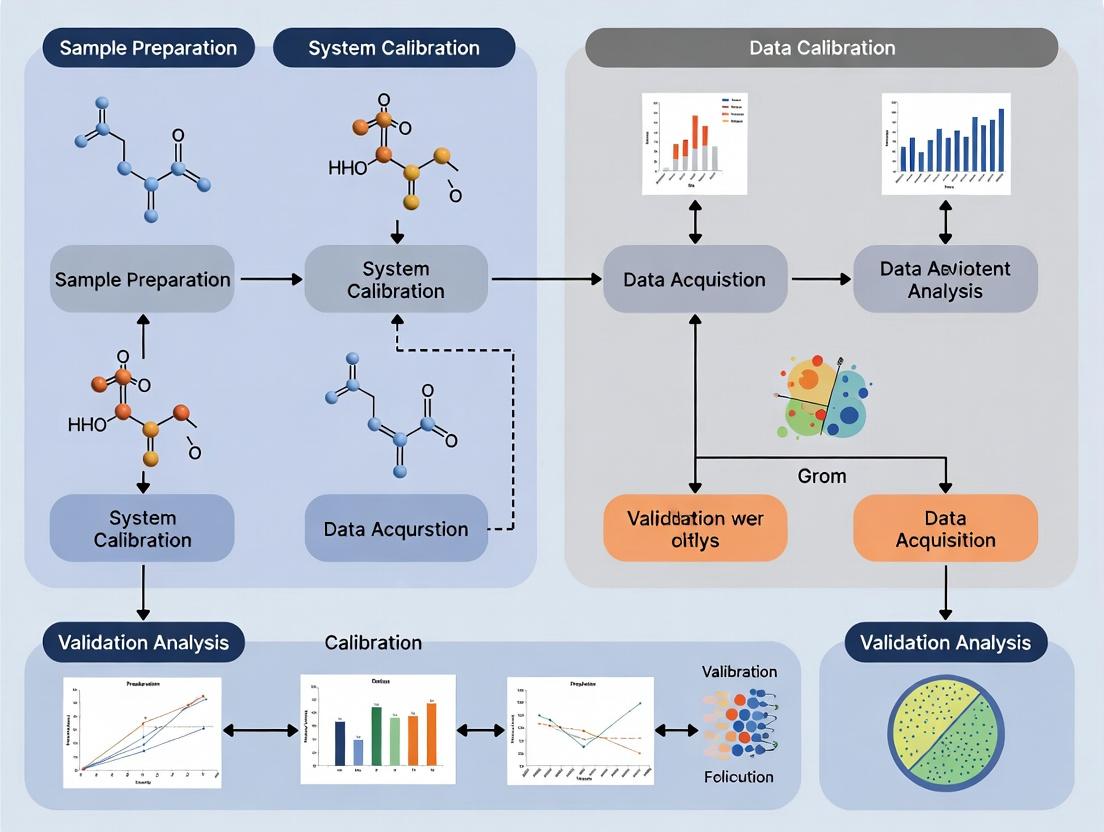
This comprehensive guide provides researchers, scientists, and drug development professionals with a systematic framework for the calibration and validation of Fluorescence Lifetime Imaging Microscopy (FLIM) systems.
Essential Guide to FLIM System Calibration: Best Practices for Accurate and Reproducible Fluorescence Lifetime Measurements
Abstract
This comprehensive guide provides researchers, scientists, and drug development professionals with a systematic framework for the calibration and validation of Fluorescence Lifetime Imaging Microscopy (FLIM) systems. It covers the foundational principles of FLIM, detailed step-by-step calibration methodologies, advanced troubleshooting and optimization techniques, and rigorous validation and comparative analysis protocols. By following these established procedures, users can ensure the accuracy, reproducibility, and reliability of FLIM data, which is critical for quantitative biological research, drug screening, and the development of clinical diagnostic applications.
Understanding FLIM Calibration: Core Principles and System Components for Reliable Data
Troubleshooting Guide & FAQs
Q1: Our quantitative FLIM data shows inconsistent lifetime values for the same control sample across different days. What is the most likely cause? A: This is a classic symptom of improper or infrequent system calibration. The primary culprits are:
- Laser Power & Alignment Drift: Pulsed laser sources can experience power and mode stability drift over time.
- Detector Gain/Gating Shifts: The temporal response of PMTs or gated detectors can change, altering the instrument response function (IRF).
- Optics Misalignment: Vibration or thermal changes can slightly misalign the beam path, affecting photon collection efficiency and temporal data.
- Solution: Implement a daily calibration protocol. This must include recording the IRF using a scattering solution (e.g., Ludox) and measuring a known standard (e.g., fluorescent dye with a characterized lifetime) under identical conditions to your experiment.
Q2: After calibrating with a known dye, the measured lifetime is still off by >0.1 ns from the literature value. How should I proceed? A: A persistent offset indicates a systematic error in your calibration or setup. Follow this diagnostic table:
| Issue | Symptom | Diagnostic Test | Corrective Action |
|---|---|---|---|
| IRF Position Error | Lifetime offset is consistent across all samples. | Check IRF peak alignment in analysis software. Ensure the scattering solution data is clean. | Re-acquire IRF, ensuring the signal is strong and not saturated. Manually verify time-zero alignment. |
| Spectral Calibration Mismatch | Offset varies with different fluorophores. | Confirm you are using the correct emission filter for the standard dye. | Check that the standard's emission spectrum aligns with your filter's bandpass. Use the exact filter set planned for experiments. |
| Photodetector Saturation | Measured lifetime is artificially shortened. | Acquire decay curves at different laser powers or detector gains. | Reduce excitation power or detector gain until the measured lifetime plateaus at a stable value. Operate in the linear response region. |
| Reference Standard Degradation | Values drift over weeks/months. | Compare a new aliquot of standard to the old one. | Prepare fresh stock solutions regularly. Store standards appropriately (e.g., dark, cold). |
Q3: We observe "phasor clouds" from our uniform control sample that are not tightly clustered. What does this indicate for quantitative analysis? A: Broadening of the phasor cluster directly reflects poor signal-to-noise or system instability, making quantitative comparison invalid.
- Causes & Fixes:
- Low Photon Count: Ensure sufficient photon collection (>10⁴ photons per pixel for reliable fit).
- Excitation Power Instability: Monitor laser power with a photodiode before and after experiments.
- Temperature Fluctuations: Room or sample temperature changes can affect lifetime. Allow the microscope enclosure to thermally equilibrate and use a stage top incubator if needed.
Q4: How do we validate our full FLIM system (hardware + software) for a drug discovery assay? A: A robust validation protocol is required. Here is a step-by-step methodology:
Experimental Protocol: System Validation for Drug Discovery FLIM
- Objective: To establish that the FLIM system produces accurate, precise, and reproducible lifetime measurements for a specific biological assay.
- Materials: See "The Scientist's Toolkit" below.
- Procedure:
- Day 0: Baseline Calibration. Acquire IRF using a scattering agent. Measure lifetime of a stable reference dye (e.g., Fluorescein at pH 9, known τ ~4.0 ns). Adjust alignment until the measured value is within 2% of the literature value.
- Day 1-3: Intra-day Precision. Perform the calibration from Day 0. Then, image a biologically relevant, stable control sample (e.g., cells expressing a FP biosensor) across 5 different locations on the slide. Repeat this process 3 times over 8 hours.
- Day 7: Inter-day Reproducibility. Repeat the entire Day 1 process one week later without any intentional realignment.
- Assay-Specific Validation: Image positive and negative control samples relevant to your drug assay (e.g., stimulated vs. unstimulated cells, donor-only vs. FRET-positive cells) across multiple replicates.
- Data Analysis:
- Calculate the mean lifetime and standard deviation for each control group from all days.
- Acceptance Criterion: The coefficient of variation (CV) for the uniform reference dye should be < 2%. The difference in mean lifetime between key assay controls (e.g., FRET+ vs FRET-) must be statistically significant (p<0.01) and greater than the system's total variability.
Q5: What are the essential calibration steps before collecting publication-quality FLIM data? A: Follow this mandatory pre-acquisition checklist:
- Warm-up: Power on all lasers, detectors, and the microscope for at least 45-60 minutes.
- IRF Acquisition: Record the instrument response function using a scattering solution for the exact laser wavelength and repetition rate you will use.
- Lifetime Standard: Measure a fluorescent standard with a known, single-exponential decay.
- Background Check: Measure a blank sample (e.g., buffer or unstained cells) to determine background count levels.
- Power Check: Verify that laser power is stable at the sample plane using an external power meter.
The Scientist's Toolkit: Key Research Reagent Solutions
| Item | Function in FLIM Calibration/Experiments |
|---|---|
| Ludox (Colloidal Silica) | A non-fluorescent scattering solution used to acquire the Instrument Response Function (IRF), essential for deconvolution in time-domain FLIM. |
| Fluorescein (in pH 9 Buffer) | A common single-exponential lifetime reference standard (~4.0 ns when excited with a 488 nm laser). Validates system accuracy and mono-exponential fitting. |
| Rose Bengal | A short lifetime reference standard (~0.16 ns in water). Useful for checking system performance at the lower detection limit. |
| CY3 or Rhodamine 110 | Stable, bright fluorophores with well-characterized lifetimes (~2.0-2.5 ns), used as intermediary reference standards. |
| FLIM Calibration Kit | Commercial kits (e.g., from companies like ISS) providing a set of dyes with certified lifetimes across multiple wavelengths. |
| FRET Control Constructs | Genetically encoded plasmids (e.g., linked CFP-YFP) providing known positive and negative FRET efficiency controls for biological validation. |
| Index Matching Oil | Ensures consistent refractive index between objective and sample, critical for maintaining stable optical path and collection efficiency. |
| NIST-Traceable Power Meter | Validates and monitors the stability of excitation power at the sample plane over time. |
Calibration & Validation Workflow Diagrams
Title: Daily FLIM System Calibration & Validation Workflow
Title: Core Data Processing Relationship in Time-Domain FLIM
Title: Thesis Framework on FLIM Calibration Components
Technical Support Center
Troubleshooting Guides & FAQs
Q1: My FLIM images show poor photon statistics and noisy lifetime fits. What are the primary hardware culprits? A: Insufficient photon counts often stem from sub-optimal laser or detector calibration. First, verify laser power stability (should be <1% RMS fluctuation). Use a power meter at the sample plane. Second, check the detector's single-photon sensitivity. For PMTs, ensure the operating voltage is within the manufacturer's specified range for optimal quantum efficiency without excessive dark counts. For SPAD arrays, check for pixel saturation or high afterpulsing probability. Recalibrate the TCSPC module's time axis using a calibrated delay line.
Q2: I observe a systematic shift in measured fluorescence lifetimes when switching between fluorophores or samples. How do I diagnose this? A: This typically indicates a calibration drift in the Time-Correlated Single Photon Counting (TCSPC) system. Perform an instrument response function (IRF) measurement using a scattering sample (e.g., Ludox or a non-fluorescent reflector) and the same laser pulse used for the experiment. A shifted or widened IRF suggests the need for TCSPC calibration. Key metrics are IRF FWHM and peak position stability (see Table 1).
Q3: The count rate in my TCSPC experiment is unexpectedly low, despite a bright sample. What should I check? A: Follow this diagnostic workflow:
- Laser: Confirm pulse repetition rate is correctly set and pulses are not missing.
- Detector: Check for PMT/SPAD dead time. At high flux, dead time can cause significant count loss. Reduce intensity or adjust detector settings.
- TCSPC Electronics: Verify the "Sync" (start) and "Signal" (stop) channels are correctly connected and triggered. Ensure the time-per-channel (TAC range) setting is appropriate for the expected lifetime. Check for cable or connector damage.
Q4: How often should I perform a full hardware calibration on my FLIM system? A: Calibration frequency depends on usage intensity and required precision. For rigorous quantitative research, such as that required for drug development, a recommended schedule is:
Table 1: Recommended FLIM Hardware Calibration Schedule
| Component | Key Parameter to Calibrate | Recommended Frequency | Acceptable Drift Tolerance (Typical) |
|---|---|---|---|
| Pulsed Laser | Average Power Stability | Daily | < 2% RMS |
| Pulse Width (IRF check) | Weekly | < 10 ps shift in IRF peak | |
| Detector (PMT/SPAD) | Dark Count Rate | Daily | < 10% increase from baseline |
| HV/Gain for QE | Monthly or after HV change | - | |
| TCSPC Module | IRF Peak & FWHM | Weekly | < 5 ps shift / < 5 ps widening |
| Linearity of Time Axis | Quarterly | < 1% deviation | |
| Overall System | Lifetime Standard Measurement | Weekly (with reference dye) | < 5% deviation from known value |
Experimental Protocols for Calibration
Protocol 1: Measuring the Instrument Response Function (IRF) Context: Essential for deconvolution and accurate lifetime extraction. This protocol is a core validation step in the thesis research on system performance.
- Materials: A non-fluorescent scattering suspension (e.g., 1% Ludox colloid) or a clean microscope slide cover glass.
- Procedure: a. Place the scatterer on the microscope stage. b. Set the laser to the desired excitation wavelength and minimum practical power. c. Adjust detection channels to the same emission wavelength, removing any emission filter. d. Acquire a TCSPC histogram with the same settings used for fluorescence samples. The resulting sharp peak is the IRF. e. Record the Full Width at Half Maximum (FWHM) and peak channel number.
- Validation: The IRF FWHM should be consistent with manufacturer specs (e.g., 50-250 ps for Ti:Sapphire lasers). A stable peak channel indicates a stable time axis.
Protocol 2: Validating System Performance with a Fluorescence Lifetime Standard Context: This protocol directly supports the thesis aim of establishing robust validation procedures for biological assays.
- Materials: A solution of a reference fluorophore with a known, single-exponential lifetime (e.g., 10 µM Fluorescein in 0.1 M NaOH, τ ≈ 4.05 ns; or Rose Bengal in ethanol, τ ≈ 0.55 ns).
- Procedure: a. Prepare a fresh sample of the reference fluorophore in a suitable cuvette or chambered coverglass. b. Using the appropriate excitation/emission filters, acquire a FLIM dataset. c. Fit the lifetime decay (e.g., via a single-exponential reconvolution fit using the measured IRF). d. Compare the fitted lifetime to the accepted literature value under your specific conditions (pH, temperature, solvent).
- Acceptance Criterion: For system validation in a regulated environment like drug development, a deviation of < 5% is typically required.
System Calibration & Diagnostic Workflow
FLIM System Diagnostic Decision Tree
The Scientist's Toolkit: Key Research Reagent Solutions
Table 2: Essential Materials for FLIM System Calibration & Validation
| Item | Function in Calibration/Experiment | Key Considerations |
|---|---|---|
| Ludox (SiO₂ colloidal suspension) | A non-fluorescent scatterer used to measure the system's Instrument Response Function (IRF). | Must be dilute to avoid multiple scattering. Clean coverslips can be an alternative. |
| Fluorescein in 0.1 M NaOH | A standard reference for longer lifetimes (~4.0 ns). Validates system accuracy for common GFP-like lifetimes. | pH-sensitive. Solution must be fresh (hours) due to photobleaching and CO₂ absorption. |
| Rose Bengal in Ethanol | A standard reference for shorter lifetimes (~0.55 ns). Validates system performance for FRET or rapid decay scenarios. | Prone to aggregation and triplet-state buildup; use low concentrations and powers. |
| Methanol (HPLC Grade) | Solvent for various dye standards and for cleaning optical components (cuvettes, objectives). | High purity reduces fluorescent contaminants. |
| NIST-Traceable Power Meter | Calibrates average laser power at the sample plane, critical for reproducible results and safe live-cell imaging. | Requires a sensor head compatible with the wavelength and power range. |
| Certified Neutral Density Filters | Precisely attenuate laser power for photon-counting detectors and for simulating reduced sample brightness. | OD value should be certified at the laser wavelength. |
Introduction Within the context of FLIM system calibration and validation research, a precise understanding of fluorescence lifetime (τ) is fundamental. The lifetime is the average time a fluorophore spends in the excited state before returning to the ground state, typically measured in picoseconds to nanoseconds. It is an intrinsic property sensitive to the molecular microenvironment, making it a powerful parameter for quantitative biochemical sensing, independent of fluorophore concentration or excitation intensity.
Key Photophysical Parameters The fluorescence lifetime is governed by the rates of radiative (Γ) and non-radiative (knr) decay processes: τ = 1 / (Γ + knr). Key parameters influencing τ include:
- Quenching: Dynamic quenching (e.g., by oxygen, halides) reduces τ by increasing k_nr.
- FRET: Förster Resonance Energy Transfer to an acceptor is a dominant non-radiative decay pathway, causing a decrease in donor τ.
- Environmental Factors: pH, ion concentration (e.g., Ca²⁺), viscosity, and temperature can modulate τ.
- Molecular Binding: Conformational changes or binding events can alter the fluorophore's local environment, shifting τ.
Quantitative Data Summary
Table 1: Common Fluorophores and Typical Lifetimes
| Fluorophore | Typical Lifetime (ns) | Primary Application |
|---|---|---|
| Fluorescein | ~4.0 | pH sensing, reference standard |
| GFP (S65T) | ~2.6 | Protein tagging |
| Rhodamine B | ~1.7 | Viscosity sensing |
| Cy5 | ~1.0 | FRET acceptor |
| DAPI | ~2.2 | DNA binding |
| NAD(P)H | ~0.5 (free), ~2.0 (bound) | Metabolic sensing |
Table 2: Factors Affecting Fluorescence Lifetime
| Factor | Effect on τ | Typical Magnitude of Change |
|---|---|---|
| Temperature Increase | Decrease | ~1-2% per °C |
| Oxygen Quenching | Decrease | Can reduce τ by >50% |
| High Viscosity | Increase | Can double τ |
| FRET Efficiency (50%) | Decrease | τ reduces to 50% of donor τ |
| pH shift (for pH-sensitive dyes) | Increase/Decrease | Can change by several ns |
Troubleshooting Guides & FAQs
Q1: During my FLIM experiment, the measured lifetimes are consistently shorter than literature values. What could be the cause? A: This is often indicative of quenching or improper calibration.
- Check for Quenchers: Ensure your sample buffer is free of iodide, bromide, or other known quenchers. Deoxygenate if necessary.
- Instrument Response Function (IRF): A misaligned or miscalibrated IRF will distort lifetime calculations. Re-measure the IRF using a scattering solution (e.g., Ludox) or a reference dye with a known sub-nanosecond lifetime. Ensure the IRF peak is properly aligned in time with your data.
- Excitation Pulse Power: Very high power can cause photobleaching or non-linear effects, altering apparent τ. Reduce power and check for intensity-dependent lifetime shifts.
Q2: My FLIM data shows poor photon statistics and noisy lifetime maps. How can I improve this? A: Poor photon counts are the primary source of noise in FLIM images.
- Increase Acquisition Time: The simplest solution is to collect more photons per pixel.
- Optimize Fluorophore Concentration: Increase labeling density while avoiding inner filter effects (keep absorbance <0.1 at the excitation wavelength).
- Check Detector Efficiency: Ensure your detector (e.g., PMT, SPAD array) is operating at optimal gain and that the system throughput (lenses, filters) is clean and correctly aligned.
- Use a Brighter Fluorophore: Switch to a dye with a higher quantum yield and extinction coefficient if possible.
Q3: I suspect FRET is occurring, but the lifetime shift is smaller than expected. How should I troubleshoot? A: Inefficient FRET or system artifacts can cause this.
- Control Sample Validation: Measure a donor-only sample. Its lifetime (τ_D) is your reference for 0% FRET. Ensure it matches the expected value.
- Acceptor Bleaching Control: Photobleach the acceptor and re-measure the donor lifetime. A post-bleach increase confirms FRET.
- Check Spectral Crosstalk: Ensure your donor detection channel is completely free of acceptor emission. Use narrow bandpass filters.
- Sample Preparation: Verify the donor-acceptor labeling stoichiometry and the presence of the acceptor via its fluorescence.
Experimental Protocol: TCSPC FLIM System Calibration for Validation
Objective: To perform a basic calibration and validation of a Time-Correlated Single Photon Counting (TCSPC) FLIM system using a standard reference fluorophore.
Materials:
- TCSPC FLIM microscope
- Standard dye solution (e.g., 10 µM Fluorescein in 0.1 M NaOH, τ ≈ 4.0 ns)
- Scattering solution (e.g., Ludox colloidal silica)
- Coverslip-bottom dish or cuvette
Methodology:
- IRF Measurement:
- Place a drop of scattering solution on the microscope.
- Set detection to the emission wavelength of your reference dye (e.g., 515 nm for Fluorescein) using the same bandpass filter for the subsequent dye measurement.
- Acquire data at very low laser power until a clear peak is obtained. This temporal profile is your IRF. Note its Full Width at Half Maximum (FWHM); it should be stable and minimally broadened.
Reference Dye Measurement:
- Replace the scatterer with the Fluorescein solution.
- Acquire a decay curve with high photon counts (>10,000 at peak) at the same detection settings.
- Fit the decay curve using reconvolution with the measured IRF and a single or double exponential model. A single exponential fit should yield τ ≈ 4.0 ns with good residuals (χ² ≈ 1.0 - 1.1).
Validation:
- A successfully calibrated system will reproduce the known lifetime of the reference dye within the instrument's specified accuracy (e.g., ± 50 ps).
- This calibrated configuration should be used for all subsequent comparative experiments.
The Scientist's Toolkit: Key Research Reagent Solutions
Table 3: Essential Materials for FLIM Experiments
| Item | Function in FLIM |
|---|---|
| Ludox (Colloidal Silica) | A non-fluorescent scatterer for direct measurement of the system's Instrument Response Function (IRF). |
| Fluorescein in 0.1 M NaOH | A stable, single-exponential lifetime reference standard (~4.0 ns) for system calibration and validation. |
| Rhodamine B in Ethanol | A viscosity-sensitive lifetime reference (~1.7 ns) and alternative calibration standard. |
| NADH (β-Nicotinamide adenine dinucleotide) | A crucial metabolic cofactor; its lifetime shifts from ~0.5 ns (free) to ~2.0 ns (protein-bound) are used to monitor metabolic states. |
| Cy3/Cy5 labeled DNA oligos | A well-characterized FRET pair for constructing positive and negative controls to validate FRET-FLIM measurements. |
| Argon-saturated or Degassed Buffer | Used to prepare deoxygenated samples to eliminate oxygen quenching, which can artifactually reduce measured lifetimes. |
Visualization
Jablonski Diagram & Lifetime Definition
FLIM Troubleshooting Decision Tree
This technical support center provides troubleshooting guides and FAQs for researchers calibrating and validating Fluorescence Lifetime Imaging Microscopy (FLIM) systems, within the context of a broader thesis on FLIM system calibration and validation procedures.
FAQs & Troubleshooting Guides
Q1: During FLIM calibration with a known standard (e.g., Coumarin 6), my measured lifetime is consistently 150 ps lower than the literature value. What does this indicate and how can I troubleshoot it?
A: This indicates a potential accuracy error (bias). A systematic negative shift suggests an instrumental artifact.
- Primary Cause: IRF (Instrument Response Function) shift or incorrect temporal calibration.
- Troubleshooting Protocol:
- Verify IRF Alignment: Use a scattering sample (e.g., colloidal suspension) to acquire the IRF. Ensure the IRF peak is correctly identified and aligned in the analysis software.
- Check Temporal Calibration: Confirm the picoseconds-per-channel setting of your TCSPC hardware. Re-calibrate using a known delay line or pulse generator.
- Review Fitting Model: Ensure your fitting model includes necessary corrections (e.g., scattering component, proper IRF convolution).
- Implication for Thesis: Document this bias. A correction factor may be required, but the root cause must be identified for a valid validation procedure.
Q2: I get different fluorescence lifetime values when repeating the same measurement on my FLIM system over one day. What should I check?
A: This indicates a reproducibility (inter-assay precision) issue. Drift over time points to system instability.
- Primary Causes: Laser power fluctuation, detector gain drift, or environmental temperature changes.
- Troubleshooting Protocol:
- Monitor Laser Power: Use a power meter at the sample plane before and after measurements. Fluctuations >2% require laser warm-up or service.
- Control Environment: Ensure the lab temperature is stable. Enclose the optical path to minimize air currents.
- Standardize Warm-up: Implement a mandatory 30-minute system warm-up protocol before any quantitative measurement.
- Implication for Thesis: Your validation procedures must specify environmental conditions and warm-up times to ensure reproducible results.
Q3: My precision (standard deviation) for lifetime measurements is poor, even when measuring the same sample spot repeatedly. How can I improve it?
A: This points to poor precision (repeatability) due to high measurement noise.
- Primary Causes: Insufficient photon count, PMT/SPAD detector operating at too high a voltage, or sample photobleaching.
- Troubleshooting Protocol:
- Increase Photon Count: Acquire data until the peak channel reaches at least 10,000 counts. Adjust laser power or acquisition time accordingly.
- Optimize Detector Settings: For TCSPC, ensure the detector is not saturated and the count rate is <1-5% of the laser repetition rate to avoid pile-up.
- Check for Bleaching: Acquire consecutive images of the same field and plot average intensity over time. If it decays, reduce laser power or use an oxygen scavenger.
- Implication for Thesis: Your calibration protocol must define minimum photon counts and optimal detector settings as standard operating procedures (SOPs).
Q4: I cannot reliably distinguish between two similar lifetimes (e.g., 2.3 ns vs. 2.5 ns) in my biological samples. Is this a system limitation?
A: This relates to the system's sensitivity (ability to detect small changes). The limit depends on your precision and the signal-to-noise ratio.
- Primary Cause: Low photon count or suboptimal fitting algorithm parameters.
- Troubleshooting Protocol:
- Calculate Required Photon Count: Use the Cramér–Rao lower bound to estimate the minimum photons needed to achieve your desired lifetime discrimination. Typically, discriminating a Δτ of 0.1 ns may require >1000 photons per pixel.
- Use Tail Fit: Start the fitting window after the IRF peak to minimize IRF shape influence on the fitted lifetime.
- Validate with Mixtures: Test the system with controlled mixtures of dyes with known lifetime ratios.
- Implication for Thesis: A key part of system validation is establishing the minimum detectable lifetime change under your specific experimental conditions.
Table 1: Definitions and Calculations for Core FLIM Performance Metrics
| Metric | Definition in FLIM Context | Common Calculation | Target Value for a Validated System | ||
|---|---|---|---|---|---|
| Accuracy | Closeness of the measured mean lifetime (τ) to the true/accepted value. | Bias < | ± 5% | of reference lifetime for standard dyes. | |
| Precision (Repeatability) | Closeness of repeated measurements under identical conditions (same pixel/session). | Standard Deviation (SD) or Coefficient of Variation (CV = SD/mean τ) of 10+ repeats. | CV < 2-3% for a stable dye sample. | ||
| Reproducibility | Closeness of measurements under varied conditions (different days, operators). | Standard Deviation across multiple independent experiments. | Inter-day CV < 5%. | ||
| Sensitivity | Smallest detectable change in fluorescence lifetime. | Related to precision; often approximated as 2-3 times the SD of τ. | System should detect Δτ > 50 ps with confidence. |
Standard Calibration Protocol for FLIM System Validation
Objective: To assess Accuracy, Precision, and Reproducibility of the FLIM system using a stable fluorescent reference standard.
Materials: See "The Scientist's Toolkit" below. Protocol:
- System Warm-up: Turn on laser, detector, and electronics. Allow 30 minutes for intensity and temperature stabilization.
- IRF Acquisition: Place a scattering sample (e.g., Ludox colloidal silica) on the stage. Acquire a decay histogram with high counts (>50,000 peak) to define the IRF. Save this file.
- Reference Sample Measurement:
- Prepare a fresh solution of the reference dye (e.g., Coumarin 6 in ethanol).
- Place a drop on a clean slide, add a coverslip.
- Focus on a homogeneous region.
- Acquire a FLIM image stack with peak photon counts of ~10,000-20,000.
- Save the data.
- Data Analysis:
- Fit the decay curve (from a defined ROI) using a single or double exponential reconvolution model, using the measured IRF.
- Record the fitted lifetime(s) and amplitude(s).
- Calculate the χ² value (goodness-of-fit should be 0.9-1.1).
- Repeat for Precision: Without moving the sample, repeat step 3 five times. Calculate the mean and SD of the measured lifetimes.
- Repeat for Reproducibility: Repeat the entire protocol (steps 2-5) on three separate days. Calculate the overall mean and inter-day SD.
The Scientist's Toolkit
Table 2: Key Research Reagent Solutions for FLIM Calibration & Validation
| Item Name | Function in FLIM Validation | Example Product / Specification |
|---|---|---|
| Lifetime Reference Dyes | Provide known, stable fluorescence lifetimes to test accuracy. | Coumarin 6 in ethanol (τ ≈ 2.5 ns), Fluorescein in pH 9 buffer (τ ≈ 4.0 ns), Rose Bengal (τ ≈ 0.8 ns). |
| Scattering Sample | Used to measure the Instrument Response Function (IRF), critical for accurate fitting. | Ludox (colloidal silica), diluted suspension of non-fluorescent microspheres. |
| Intensity Reference Slide | Checks for field illumination uniformity and day-to-day intensity reproducibility. | Uniform fluorescent film slide (e.g., uranyl glass). |
| Temperature-controlled Stage | Maintains sample temperature, as lifetime can be temperature-sensitive. Essential for reproducibility. | Stage with Peltier heater/cooler (±0.5°C stability). |
| Standard Cuvette/Slide | Provides consistent optical path and sample geometry for repeated measurements. | Quartz cuvette (for solution) or #1.5 coverslip-thickness glass slide. |
| Data Analysis Software | Performs lifetime fitting with IRF reconvolution; calculates metrics (χ², τ, amplitudes). | SPCImage, FLIMfit, TauSense, or custom scripts (e.g., in Python with LMFIT library). |
FLIM System Validation Workflow
Title: FLIM System Validation and Troubleshooting Workflow
Relationship Between Performance Metrics
Title: Interdependence of FLIM Performance Metrics
This technical support center provides guidance for ensuring optimal environmental and system stability prior to FLIM (Fluorescence Lifetime Imaging Microscopy) calibration, as part of a comprehensive thesis on FLIM system validation protocols.
FAQs & Troubleshooting Guides
Q1: My lab temperature fluctuates by ±2°C during the day. Will this affect my FLIM calibration stability? A: Yes. Temperature fluctuations >±0.5°C can cause thermal drift in optical components and detectors, leading to lifetime measurement instability. Maintain a temperature-stable environment (23°C ±0.5°C) for at least 4 hours prior to and during calibration.
Q2: How long should I warm up my laser and detector systems before beginning calibration procedures? A: A minimum warm-up period is required for system electronic and optical stability.
| System Component | Minimum Warm-up Time | Recommended Warm-up Time |
|---|---|---|
| Ti:Sapphire Femtosecond Laser | 60 minutes | 90 minutes |
| Photomultiplier Tube (PMT) / Hybrid Detector | 45 minutes | 60 minutes |
| TCSPC Electronics Module | 30 minutes | 45 minutes |
| Microscope Incubation System | 120 minutes | Until chamber temp is stable (±0.1°C) |
Q3: What are the critical environmental vibration thresholds for FLIM calibration? A: Excessive vibration introduces noise and spatial drift. Use an optical table with active or passive isolation. Vibration levels should remain below these thresholds:
| Frequency Range | Maximum Allowable RMS Velocity | Typical Source |
|---|---|---|
| 1 - 10 Hz | 0.5 µm/s | Building sway, foot traffic |
| 10 - 100 Hz | 1.0 µm/s | HVAC, equipment fans |
| >100 Hz | 2.0 µm/s | Pumps, electrical noise |
Q4: I see "Count Rate Out of Range" errors during my pre-check. What steps should I take? A: This indicates incorrect counting parameters or light levels. Follow this troubleshooting protocol:
- Verify Sample: Ensure the calibration standard (e.g., fluorophore solution or reference slide) is not photobleached or degraded.
- Adjust Laser Power: Reduce the excitation power at the source by 50% and retry.
- Check Detector Settings: Confirm the detector voltage/gain is set to the manufacturer's specified default for calibration.
- Neutral Density (ND) Filters: Insert an ND filter (OD 1.0 or higher) in the excitation path to attenuate the signal if the count rate is too high.
Q5: What is the acceptable range for the Instrument Response Function (IRF) FWHM during a pre-calibration check? A: The IRF Full Width at Half Maximum (FWHM) is a critical metric. A broad or unstable IRF degrades lifetime resolution.
| Excitation Source | Target FWHM | Acceptable Range for Calibration | Action if Out of Range |
|---|---|---|---|
| Titanium:Sapphire Laser (~100 fs pulses) | < 250 ps | 200 - 300 ps | Align collimation, check dispersive elements. |
| Pulsed Laser Diode (e.g., 405 nm) | < 800 ps | 600 - 900 ps | Check driver alignment, replace diode if degraded. |
Experimental Protocol: Pre-Calibration Environmental Stability Validation
Objective: To quantitatively document that lab environmental conditions are stable for the duration required for full FLIM system calibration.
Materials: Certified thermometer/hygrometer, vibration sensor (seismometer), data logging software.
Methodology:
- Baseline Recording: 24 hours before scheduled calibration, begin continuous logging of temperature (°C), relative humidity (%), and vibration (µm/s) at the microscope's location.
- System Power-Up: At T = -120 minutes, power on the laser, detector, TCSPC module, and incubation system.
- Stability Monitoring Period: At T = -60 minutes, begin high-resolution logging (1 sample/minute) of all environmental parameters and system internal temperatures (if available).
- Threshold Check: Before beginning calibration at T = 0, verify that all parameters have remained within the following limits for the preceding 60 minutes:
- Temperature: Setpoint ±0.5°C
- Relative Humidity: 40% - 60% (non-condensing)
- Vibration: Below thresholds listed in FAQ Q3 table.
- Proceed or Delay: If any parameter is outside its limit, delay calibration until a stable 60-minute window is achieved.
Diagram: FLIM Pre-Calibration Stability Validation Workflow
The Scientist's Toolkit: Key Research Reagent Solutions
| Item | Function in Pre-Calibration / Validation |
|---|---|
| Fluorescein (0.1M NaOH solution) | Standard reference fluorophore with a well-characterized, single-exponential lifetime (~4.05 ns). Used to verify system lifetime measurement accuracy. |
| IRF Reference Scatterer | A non-fluorescent, light-scattering sample (e.g., colloidal silica, diamond dust slide). Used to directly measure the system's Instrument Response Function. |
| Stable Fluorescent Microspheres | Polymer beads doped with reference dyes (e.g., crimson, orange). Provide a spatially invariant, stable target for checking spatial uniformity and day-to-day reproducibility. |
| Index Matching Oil | Ensures consistent refractive index between objective lens and sample/coverslip, minimizing spherical aberration and focus drift. |
| Certified Thermometer/Hygrometer | Provides traceable, accurate measurement of critical environmental conditions at the microscope stage. |
| Vibration Isolation Platform | Active or passive air-isolated table critically dampens floor vibrations that cause image blur and spatial drift during long acquisitions. |
Step-by-Step FLIM Calibration Protocol: From Instrument Response to Lifetime Standards
Technical Support Center
Troubleshooting Guides & FAQs
Q1: My IRF measurement shows a low peak count rate. What could be the cause?
- A: A low count rate leads to poor signal-to-noise ratio (SNR) in the IRF. Common causes and solutions:
- Attenuator Overuse: The laser power may be over-attenuated. Ensure you are using a neutral density (ND) filter appropriate for your detector's saturation limit. Start with minimal attenuation and increase until counts are just below the detector's linear response threshold.
- Scattering Solution Degradation: The scattering solution (e.g., Ludox) may have dried or contaminated. Prepare a fresh colloidal silica or glycogen solution.
- Misalignment: The excitation beam path to the scattering sample may be misaligned. Realign the beam to ensure the scattering spot is correctly focused onto the detector pinhole or fiber.
- Detector Issue: The detector (e.g., PMT, SPAD) may have low efficiency. Verify detector bias voltage and check for aging components.
- A: A low count rate leads to poor signal-to-noise ratio (SNR) in the IRF. Common causes and solutions:
Q2: The IRF Full Width at Half Maximum (FWHM) is broader than the manufacturer's specification. How can I narrow it?
- A: A broad IRF degrades temporal resolution. Optimize these factors:
- Excitation Source: Ensure your pulsed laser (e.g., Ti:Sapphire, picosecond diode) is correctly mode-locked and its pulse width is minimized at the sample plane.
- Detector & Electronics:
- For TCSPC systems, verify the discriminator threshold is set correctly. An improper setting can cause time walk.
- Minimize optical path differences and use monochromatic light (via a bandpass filter) to avoid chromatic dispersion in the emission path.
- Keep all cables (especially the detector signal cable) as short as possible to reduce electrical dispersion.
- Measurement Conditions: Always measure the IRF under the exact same optical conditions (wavelength, filter settings, pinhole size) used for your actual FLIM experiment.
- A: A broad IRF degrades temporal resolution. Optimize these factors:
Q3: I observe a multi-exponential tail or "shoulder" in my IRF. Is this normal?
- A: No. A clean IRF should approximate a single, sharp peak. A tail or secondary peak indicates:
- Internal Reflections: Stray light reflections within the microscope or from optical interfaces. Use index-matching fluids and ensure all optics are clean.
- Detector Artifacts: "Afterpulsing" in SPADs or temporal artifacts in PMTs. Consult detector manual; sometimes reducing the bias voltage slightly can help, but may trade off efficiency.
- Electronic Interference: Ground loops or RF interference from other equipment. Use proper shielding and separate power lines for sensitive electronics.
- A: No. A clean IRF should approximate a single, sharp peak. A tail or secondary peak indicates:
Q4: How frequently should I re-measure the IRF for reliable FLIM data?
- A: The IRF should be measured:
- Daily, at the beginning of each experimental session.
- Whenever any hardware change is made (e.g., filter, objective, laser wavelength, detector settings).
- If the laboratory ambient temperature fluctuates significantly, as this can affect laser pulse characteristics and detector timing.
- Best Practice: Maintain an IRF library tagged with all relevant acquisition parameters (date, wavelength, filter, detector voltage).
- A: The IRF should be measured:
Experimental Protocol: Measuring the IRF Using a Scattering Sample
Title: Standard IRF Acquisition Protocol for TCSPC-FLIM
Objective: To record the temporal instrument response function, representing the temporal broadening introduced by the entire system.
Materials:
- Pulsed laser source tuned to excitation wavelength.
- Microscope with FLIM-capable detection path.
- TCSPC module (e.g., PicoHarp, SPC-150) or time-gated system.
- High-sensitivity time-resolved detector (PMT, SPAD array).
- Scattering agent: Colloidal silica (Ludox), glycogen solution, or a non-fluorescent reflector.
- Cuvette or microscope slide.
- Appropriate neutral density (ND) filters.
Procedure:
- Prepare Scattering Sample: Place a drop of undiluted colloidal silica suspension or a concentrated glycogen solution on a slide or in a cuvette. For reflected light systems, use a clean mirror or coverslip.
- Configure System: Set the laser to the desired excitation wavelength. Insert a strong ND filter (OD 3-6) into the excitation path to protect the detector. Set emission filters to the same wavelength as excitation (or use a clean reflection/short-pass filter) to collect scattered light, not fluorescence.
- Align and Focus: Place the scattering sample on the stage. Adjust focus to maximize the detected scattered signal. Important: Ensure the detection pinhole (if confocal) is fully open or bypassed.
- Adjust Count Rate: Monitor the count rate on the TCSPC board. Adjust the ND filter to achieve a peak count rate below 1-2% of the laser repetition rate (e.g., ~80 kHz for an 80 MHz laser) to avoid pulse pile-up distortion.
- Acquire IRF: Collect data until the peak channel contains a minimum of 10,000 counts for a high SNR. Save the decay histogram.
- Verify: Check the FWHM of the acquired IRF. It should be stable and match expected system performance. Compare to previous records.
Key Performance Data Table
| Parameter | Target Value | Acceptable Range | Impact on FLIM |
|---|---|---|---|
| IRF FWHM | As specified by system vendor (e.g., 40 ps) | ≤ 1.5x specified value | Defines temporal resolution. Broader IRF reduces decay fitting accuracy. |
| Peak Count Rate | 0.5 - 1.5% of laser rep rate | < 5% of laser rep rate | High rates cause pulse pile-up, distorting IRF shape and subsequent analysis. |
| Total Peak Counts | > 10,000 | > 5,000 | Higher counts improve SNR and fitting precision for deconvolution. |
| Background Counts | < 1% of peak height | < 5% of peak height | High background indicates stray light or detector noise, biasing decay fits. |
IRF Measurement & FLIM Calibration Workflow
The Scientist's Toolkit: Essential Research Reagents & Materials
| Item | Function & Role in IRF Measurement |
|---|---|
| Colloidal Silica (Ludox CL-X) | Aqueous suspension of silica nanoparticles. Provides a stable, non-fluorescent, and highly scattering sample to generate the excitation pulse for IRF measurement without fluorescence decay. |
| Glycogen Solution | A biological scattering agent. Alternative to Ludox, often used to mimic scattering in biological tissue contexts without introducing fluorescence. |
| Neutral Density (ND) Filters | Attenuates the laser power by a known factor. Critical for reducing the scattered light intensity to a level that prevents detector saturation and pulse pile-up in TCSPC. |
| Metallic Mirror / Reflector | Used in reflected-light microscope systems. Provides a pure, instantaneous reflection for IRF measurement. Must be clean and free of fluorescent coatings. |
| Index-Matching Fluid | Reduces unwanted reflections and back-scattering at optical interfaces (e.g., between objective and coverslip), minimizing artifacts in the IRF tail. |
| Standard Fluorescent Dye (e.g., Rhodamine 6G) | Not for IRF, but for subsequent system validation. Has a well-known, single-exponential lifetime used to check the accuracy of the system after deconvolution with the measured IRF. |
Technical Support Center
Troubleshooting Guides & FAQs
Q1: My calibration curve for wavelength shows poor linearity (R² < 0.98). What could be the cause? A: Poor linearity is often due to reference dye degradation, incorrect concentration, or spectral crosstalk. Ensure dyes are freshly prepared, protected from light, and used at recommended concentrations. Verify emission filters are correctly installed and free of contamination.
Q2: The instrument response function (IRF) measured with a scatterer is broader than expected (>200 ps FWHM). How should I proceed? A: An abnormally broad IRF typically indicates misaligned optics, a failing detector (e.g., PMT), or incorrect scatterer type/condition. First, repeat the measurement with a fresh suspension of non-fluorescent scatterer (e.g., Ludox). Check and realign the excitation and collection paths. If the issue persists, inspect the detector module.
Q3: After temporal calibration, my FLIM data still shows a consistent offset of several hundred picoseconds. What is the likely source of error? A: A consistent temporal offset is frequently caused by an incorrect time-zero calibration or cable delay mismatch. Re-perform the time-zero calibration using the specified scatterer at the same excitation wavelength used in your experiment. Verify all electronic cable lengths and connections match the system's specified configuration.
Q4: I observe significant bleed-through of the reference dye signal into adjacent detection channels. How can I mitigate this? A: Spectral bleed-through suggests suboptimal filter selection or dye spectral overlap. Consult the reference dye's emission spectrum and your filter specifications. Choose dyes with well-separated peaks (e.g., >50 nm apart). If using a spectral FLIM system, apply a spectral unmixing algorithm during data processing to mathematically separate the signals.
Q5: The calculated calibration factors change significantly between repeated measurements on the same day. What does this indicate? A: High variability points to system instability. Key culprits are laser power fluctuations, temperature-sensitive detector gain drift, or sample preparation inconsistency. Allow the laser and electronics to warm up for 30-60 minutes. Use a temperature-controlled sample stage. Follow a standardized protocol for preparing reference solutions.
Q6: Can I use the same reference dye for both one-photon and two-photon excitation calibration? A: No, not always. While some dyes (e.g., Fluorescein) have similar emission spectra for both modes, their two-photon absorption cross-sections differ. Always use dyes with well-characterized and stable two-photon absorption spectra for two-photon FLIM system calibration. Refer to published tables for suitable two-photon reference dyes.
Table 1: Common Reference Dyes for Wavelength Calibration
| Dye Name | Peak Emission (nm) | Excitation Recommendation | Lifetime Reference (τ, ns) | Key Use Case |
|---|---|---|---|---|
| Fluorescein | 515 | 488 nm (Argon laser) | ~4.1 | General green channel standard |
| Rhodamine 6G | 560 | 514 nm or 532 nm | ~3.9 | Yellow-green channel standard |
| Coumarin 6 | 495 | 405 nm or 458 nm | ~2.5 | Blue-green channel calibrant |
| Texas Red | 615 | 595 nm | ~4.2 | Red channel standard |
| Cy5 | 670 | 640 nm or 647 nm | ~1.0 | Far-red/NIR channel calibrant |
Table 2: Scatterers for Temporal Calibration (IRF Measurement)
| Scatterer Type | Particle Size | Recommended Suspension | Key Property | Primary Use |
|---|---|---|---|---|
| Ludox (SiO₂) | 20-25 nm | 1-5% in DI water | Non-fluorescent, colloidal | Time-zero & IRF shape |
| Dilute Milk | ~1 µm | 0.1% in DI water | Polydisperse, readily available | Quick alignment check |
| Gold Nanoparticles | 40-100 nm | Monodisperse solution | Very short lifetime | TCSPC system IRF |
Experimental Protocols
Protocol 2.1: Wavelength Calibration Using a Multi-Dye Slide
- Preparation: Turn on the FLIM system and lasers. Allow a 45-minute warm-up for stability.
- Sample Mounting: Place a manufactured multi-dye reference slide (with spatially separated spots of Fluorescein, Rhodamine 6G, and Texas Red) on the stage.
- Acquisition: Using a low magnification objective (e.g., 10x), sequentially excite each dye spot at its appropriate wavelength. Acquire an emission spectrum or intensity image through each defined detection channel.
- Analysis: For each channel, plot the known peak emission wavelength of the dye against the centroid of the detected signal. Perform a linear regression. The slope and intercept provide the pixel-to-wavelength conversion factors. Update the system software with these coefficients.
Protocol 2.2: Temporal Calibration & IRF Measurement with a Scatterer
- Preparation: Prepare a fresh 2% (v/v) suspension of Ludox in deionized water. Sonicate for 5 minutes to avoid aggregation.
- Mounting: Place a drop (~50 µL) on a clean coverslip and mount on the microscope.
- Acquisition Settings: Set the FLIM acquisition to the fastest possible time range (e.g., 12.5 ns full scale). Use the lowest laser power compatible with detection to avoid pile-up.
- Data Collection: Focus on the scattering solution. Acquire a TCSPC histogram for a minimum of 10,000 counts in the peak channel. This histogram represents the IRF.
- Analysis: Fit the IRF peak with a Gaussian function. Record the Full Width at Half Maximum (FWHM). The peak position defines time-zero. Repeat at all excitation wavelengths used in subsequent experiments.
Diagrams
Title: Wavelength Calibration Workflow
Title: IRF Measurement with a Scatterer
The Scientist's Toolkit
Table 3: Key Research Reagent Solutions for FLIM Calibration
| Item | Function & Rationale | Example/Specification |
|---|---|---|
| Multi-Dye Calibration Slide | Provides stable, spatially separated emission standards for precise wavelength registration across the detector. | Microfabricated slide with Fluorescein, Rhodamine B, Texas Red. |
| Colloidal Silica (Ludox) | Ideal non-fluorescent scatterer for measuring the Instrument Response Function (IRF) and determining time-zero. | 20-24 nm particles, 2% w/v in water, filtered (0.2 µm). |
| Reference Dye Set | Solutions with known, single-exponential lifetimes for validating temporal calibration and system performance. | Coumarin 6 (τ ~2.5 ns), Fluorescein pH 9 (τ ~4.0 ns), Rhodamine 6G (τ ~3.9 ns). |
| Index Matching Oil | Ensures consistent optical coupling between objective lens and sample/coverslip, critical for reproducible measurements. | Type certified for the working distance and NA of the objective used. |
| Certified Neutral Density Filters | Attenuates laser power precisely to avoid photon pile-up in TCSPC during IRF measurement and calibration. | Set with OD values 0.5 to 3.0, calibrated at laser wavelength. |
| Buffer Solutions (PBS, pH buffers) | For preparing and diluting reference dyes at defined ionic strength and pH, ensuring stable and reproducible fluorescence. | 10 mM PBS, pH 7.4; 0.1 M Carbonate-Bicarbonate buffer, pH 9.0. |
Troubleshooting Guides & FAQs
Q1: During the PCE calibration, the measured counts are significantly lower than expected. What could be the cause? A: This is typically due to optical misalignment or incorrect detector voltage. First, verify the alignment of the excitation beam with the pinhole and the detector entrance. Ensure all optical elements are clean. Second, check the applied high voltage (HV) to the detector (e.g., PMT, SPAD array). A voltage set too low will result in suboptimal gain and low count rates. Re-verify the light source's known output power with a calibrated power meter.
Q2: The measured afterpulsing probability seems anomalously high, skewing the detector dead time correction. How can I diagnose this? A: High afterpulsing often results from operating the single-photon avalanche diode (SPAD) at an excessive excess bias voltage ((V{ex})). Reduce (V{ex}) in increments and repeat the measurement of the autocorrelation function at zero delay. Also, ensure the detector is operated within its specified temperature range, as high temperature exacerbates afterpulsing. Check for external electrical noise coupling into the detector power supply.
Q3: When calibrating gain using a known mean photon number source, the variance-to-mean ratio (Fano factor) deviates from 1. What does this indicate? A: A deviation from the Poissonian limit (Fano factor = 1) indicates either a non-Poissonian light source, detector saturation, or uncorrected background counts. First, characterize your attenuated laser source independently to confirm its Poisson statistics. Second, reduce the incident photon flux to avoid pile-up effects and detector saturation. Finally, meticulously measure and subtract dark counts and background light.
Q4: How do I distinguish between a decline in Photon Counting Efficiency (PCE) and a loss in optical throughput of the system? A: Perform a two-step validation. First, use a calibrated continuous-wave (CW) power meter at the sample plane to measure optical throughput. A drop here indicates an optical issue (e.g., dirty lenses, misalignment). Second, if optical power is stable, the issue is with the detector. A controlled PCE measurement using a known, attenuated source directly coupled to the detector (bypassing the microscope) will isolate detector degradation.
Experimental Protocols & Data
Protocol 1: Absolute PCE Measurement Using Attenuated Coherent Source
Objective: Determine the absolute probability that a single photon incident on the detector active area generates a recorded output pulse. Materials: Stabilized laser (e.g., 470 nm pulsed diode), series of calibrated neutral density (ND) filters, beam splitter, reference power meter (traced to NIST standards), device under test (DUT, e.g., SPAD module), pulse counter/time-correlated single-photon counting (TCSPC) module. Method:
- Attenuate the laser pulse train to a mean photon number per pulse ((\mu)) << 0.1 at the DUT plane.
- Simultaneously measure the optical power ((P{ref})) with the reference meter and the count rate ((C{DUT})) with the DUT.
- Calculate the expected photon arrival rate: (R{photons} = \frac{P{ref}}{(hc/\lambda)}).
- Calculate PCE: (\eta{PCE} = \frac{C{DUT} - C{dark}}{R{photons}}).
- Repeat across the DUT's active area and at key excitation wavelengths.
Protocol 2: Detector Gain and Linearity Calibration via Variance-to-Mean Method
Objective: Characterize the detector's gain (output electrons per photon) and its linear response range. Materials: Attenuated, Poissonian light source (as in Protocol 1), high-bandwidth oscilloscope or charge-sensitive ADC, temperature-controlled enclosure. Method:
- For a series of precisely known mean photon numbers ((\mu_i)), record many samples of the detector's integrated output charge (or pulse height) per laser pulse.
- For each (\mui), compute the experimental mean ((Mi)) and variance ((V_i)) of the output signal.
- Plot (Vi) versus (Mi). The slope of the linear region is the gain ((G)) in electrons per digital count (or mV per photon).
- The deviation from linearity defines the upper limit of the detector's dynamic range. Identify the count rate where the variance starts to plateau or fall due to saturation.
Table 1: Example PCE Calibration Data for a GaAsP PMT
| Wavelength (nm) | Incident Photon Rate (MHz) | Measured Count Rate (MHz) | Dark Count Rate (kHz) | Calculated PCE (%) |
|---|---|---|---|---|
| 450 | 1.00 | 0.235 | 0.5 | 23.5 |
| 500 | 1.00 | 0.285 | 0.5 | 28.5 |
| 550 | 1.00 | 0.195 | 0.6 | 19.4 |
| 600 | 1.00 | 0.098 | 0.7 | 9.7 |
Table 2: Detector Gain Linearity Check
| Mean Photons per Pulse ((\mu)) | Output Signal Mean (mV) | Output Signal Variance (mV²) | Variance/Mean Ratio |
|---|---|---|---|
| 0.05 | 1.02 | 1.05 | 1.03 |
| 0.50 | 10.15 | 10.42 | 1.03 |
| 1.00 | 20.10 | 20.85 | 1.04 |
| 2.00 | 38.95 | 39.50 | 1.01 |
| 5.00 | 85.30 | 72.10 | 0.85 (Saturation) |
The Scientist's Toolkit: Research Reagent Solutions
| Item | Function in Calibration |
|---|---|
| NIST-Traceable Photodiode Power Meter | Provides absolute calibration standard for optical power, enabling calculation of incident photon flux. |
| Set of Calibrated Neutral Density Filters | Precisely attenuates laser light to the single-photon level for PCE and gain measurements. |
| Temperature-Controlled Detector Mount | Stabilizes detector performance (especially SPAD dark count and afterpulsing) during characterization. |
| Poissonian Light Source (e.g., Heavily Attenuated Pulsed Diode Laser) | Provides a photon stream with known statistics, essential for variance-to-mean gain calibration. |
| Standard Fluorophore Solution (e.g., Coumarin 6) | Provides a known fluorescence quantum yield and lifetime for system-wide validation post-detector calibration. |
Diagrams
Photon Counting Efficiency Calibration Workflow
Key Detector Effects on FLIM Data
Troubleshooting Guides & FAQs
Q1: After spatial calibration, my FLIM and confocal images show persistent spatial offsets. What are the primary causes and solutions?
A: Spatial misalignment typically stems from chromatic aberration, mechanical drift, or incorrect registration parameters. First, verify the calibration using multicolor fluorescent beads (e.g., TetraSpeck) imaged with all relevant detection channels. Ensure your calibration protocol uses a transformation model (affine or polynomial) appropriate for your microscope's optical configuration. If offset persists, check for mechanical stability of filter cubes and detectors, and recalibrate after the system has warmed up for 30 minutes.
Q2: How do I validate the accuracy of my spatial alignment for FLIM-FRET analysis?
A: Accuracy validation requires a positive control sample with known, fixed FRET efficiency. A common method is to use a tandem fusion protein (e.g., CFP-YFP) expressed in cells. After alignment, acquire intensity-based FRET (sensitized emission) and FLIM-FRET images. The calculated FRET efficiency from both methods should correlate within 5% in the same region of interest when alignment is correct. Persistent discrepancies indicate residual misalignment.
Q3: My alignment works for 2D but fails for 3D z-stacks. What specific parameters should I check?
A: 3D misalignment often indicates uncorrected spherical aberration or differences in the point spread function (PSF) between channels. Key parameters to check and calibrate include:
- The correction collar setting on your objective for each wavelength.
- The precise z-stage movement calibration per channel.
- Use 3D calibration beads (e.g., Argolight slides) to generate a channel-specific PSF model and apply 3D deconvolution before alignment.
Q4: During long-term live-cell FLIM-FRET experiments, alignment drifts over time. How can I mitigate this?
A: This is typically thermal or mechanical drift. Implement a closed-loop autofocus system if available. Schedule periodic re-registration using fiducial markers (e.g., non-photobleaching beads co-embedded with the sample). Minimize environmental temperature fluctuations. For critical long-term experiments, use a software-based real-time drift correction feature if your system supports it.
Experimental Protocol: Spatial Calibration Using Multicolor Beads
Objective: To generate a pixel-precise transformation matrix for aligning multiple imaging channels (e.g., donor, FRET, acceptor) for FLIM-FRET.
Materials:
- Multispectral calibration slide (e.g., TetraSpeck beads, 0.1 µm or 0.2 µm diameter).
- Immersion oil (type matched to objective).
- Microscope system with confocal and FLIM capabilities.
Procedure:
- Mount the calibration slide and locate a field with well-distributed, isolated beads using a moderate zoom (e.g., 40x).
- Set acquisition settings to the exact parameters used for your FLIM-FRET experiment (laser wavelengths, detection bandwidths, pixel size, dwell time).
- Acquire a high-SNR image stack of the same field for every detection channel (Donor, Acceptor, FRET, etc.). For the FLIM channel, also acquire a lifetime reference image.
- Switch to a higher zoom (e.g., 63x or 100x oil immersion) and acquire a second set of images for validation.
- Using the image analysis software (e.g., ImageJ/Fiji with Linear Stack Alignment with SIFT, or your microscope's proprietary software), select one channel as the reference.
- Compute the transformation matrix (rigid, affine, or projective as needed) that aligns all other channels to the reference. Record all transformation coefficients.
- Apply the transformation to the high-zoom validation image set. Measure the residual shift by plotting the intensity profiles of single beads across channels. The full-width at half-maximum (FWHM) of the bead profiles should overlap by >95%.
- Save the transformation matrix and apply it to all subsequent experimental images.
Table 1: Typical Spatial Calibration Performance Metrics
| Calibration Standard | Target Precision (RMS Error) | Acceptable Range | Key Influencing Factor |
|---|---|---|---|
| TetraSpeck Beads (0.1 µm) | < 1 Pixel | 1 - 1.5 Pixels | Signal-to-Noise Ratio (SNR) |
| Sub-resolution Fluorescent Nanospheres | < 0.5 Pixel | 0.5 - 1 Pixel | Optical Aberration Correction |
| Printed Grid Slide (Fiducial) | 2-3 Pixels (Macro) | 3 - 5 Pixels | Microscope Zoom Consistency |
| Table 2: Impact of Misalignment on FLIM-FRET Analysis | |||
| Lateral Offset | Error in Apparent FRET Efficiency (E%) | Corrective Action | |
| 1 Pixel | 5-10% | Re-apply calibration matrix | |
| 2 Pixels | 15-25% | Re-acquire calibration data | |
| >3 Pixels | >30% (Data unreliable) | Check hardware, redo full calibration |
Visualizations
Spatial Calibration Workflow (73 chars)
Pathway & Alignment Detection Logic (95 chars)
The Scientist's Toolkit: Research Reagent Solutions
Table 3: Essential Materials for Spatial Calibration & FLIM-FRET Validation
| Item | Function in Calibration/Validation | Example Product/Specification |
|---|---|---|
| Multicolor Fluorescent Beads | Serves as a spatial reference point across different emission wavelengths. Allows computation of channel-specific transformation matrices. | TetraSpeck Microspheres (0.1 µm), Invitrogen. |
| 3D Calibration Slide | Provides known patterns (grids, points) for assessing XYZ alignment and correcting for field distortion. | Argolight (AS-1/AS-3) or calibrated grid slides. |
| FRET Standard Construct | Expressed in cells to validate biological accuracy of FRET measurements post-alignment. | Plasmid: pmCerulean3-pmVenus (tandem fusion). |
| Mounting Medium (Fixed) | Preserves sample geometry and prevents drift during calibration imaging. Medium must have defined refractive index. | ProLong Glass, with refractive index ~1.52. |
| Live-Cell Fiducial Markers | Non-cytotoxic, non-photobleaching beads co-embedded with live samples for drift correction during long experiments. | FluoSpheres Carboxylate-Modified (1.0 µm). |
| Immersion Oil | Matches the objective's design criteria. Inconsistency in oil RI is a major source of spherical aberration and misalignment. | Type F (or as specified by objective manufacturer). |
Creating a Standard Operating Procedure (SOP) Document for Your Laboratory
Within the context of a thesis on Fluorescence Lifetime Imaging Microscopy (FLIM) system calibration and validation, a robust SOP is paramount. This document provides a technical support framework to ensure experimental reproducibility, data integrity, and system performance for researchers and drug development professionals.
Technical Support Center & FAQs
Q1: During FLIM calibration, my instrument response function (IRF) measurement shows a low signal-to-noise ratio (SNR). What are the primary causes? A: Low SNR in IRF measurement typically stems from:
- Insufficient Fluorophore Concentration: The reference dye (e.g., Erythrosin B) concentration is too low.
- Laser Power Attenuation: Excessive neutral density filtering.
- Detector Misalignment: PMT or SPAD detector is not optimally aligned to the emission path.
- Degraded Reference Standard: The fluorescent dye solution is photodegraded or expired.
Q2: I observe spatial drift in my FLIM images over a time-lapse experiment. How can I troubleshoot this? A: Spatial drift can be mitigated by:
- System Warm-up: Ensure the microscope and environmental chamber (if used) have stabilized for at least 60 minutes.
- Stage Calibration: Recalibrate the motorized stage prior to long acquisitions.
- Hardware Check: Verify that all optical components and the stage are securely fastened.
- Software Lock: Utilize hardware/software focus stabilization systems (e.g., Nikon Perfect Focus, Zeiss Definite).
Q3: The calculated fluorescence lifetimes from my validated system show high variance between replicates of the same standard. What should I check? A: High inter-replicate variance indicates instability in the setup or analysis. Follow this protocol:
- Step 1: Confirm stable laboratory temperature (record in SOP log).
- Step 2: Verify laser pulse repetition rate and power stability via manufacturer's diagnostics.
- Step 3: Re-analyze data ensuring consistent fitting parameters (e.g., binning, threshold, decay model) and region of interest (ROI) selection.
Data Presentation: FLIM Calibration Metrics
Table 1: Key Quantitative Benchmarks for FLIM System Validation
| Parameter | Target Value | Acceptable Range | Measurement Frequency |
|---|---|---|---|
| IRF FWHM | < 200 ps | 180 - 220 ps | Daily / Before experiment |
| Lifetime of Reference Standard (Erythrosin B) | 88 ps | 85 - 92 ps | Weekly |
| System Temporal Drift | < 5 ps/hour | < 10 ps/hour | Per time-lapse experiment |
| PMT/SPAD Dark Count Rate | < 1000 counts/sec | < 5000 counts/sec | Monthly |
| Laser Power Stability | +/- 1% | +/- 3% | Daily |
Experimental Protocols
Protocol 1: Daily IRF Acquisition & System Readiness Check
- Materials: Erythrosin B solution (0.1 mM in water), quartz cuvette, lens paper.
- Method: a. Power on laser, detectors, and TCSPC electronics. Allow 30-minute warm-up. b. Place Erythrosin B cuvette in the sample holder. c. Set acquisition to 10,000 photons at peak. d. Acquire IRF data using the same TCSPC settings (e.g., time resolution, range) as your experimental protocol. e. Fit the IRF decay to a Gaussian model and record the Full Width at Half Maximum (FWHM). Compare to Table 1. f. Log the value and any deviations in the system logbook.
Protocol 2: Monthly Comprehensive FLIM Validation
- Materials: Suite of reference fluorophores (Rhodamine B, Fluorescein, Coumarin 6), prepared at standard concentrations in appropriate solvents.
- Method: a. Perform Protocol 1. b. Sequentially image each reference standard using a 20x objective. c. For each standard, collect decay data from a standardized ROI until 10,000 peak counts are reached. d. Fit the decay curves using a single or double exponential reconvolution model with the day's IRF. e. Compare the extracted lifetime values to established literature values. Deviations >5% necessitate system investigation and recalibration.
Mandatory Visualizations
Title: FLIM System Daily Validation Workflow
Title: FLIM Data Anomaly Troubleshooting Guide
The Scientist's Toolkit
Table 2: Essential Research Reagent Solutions for FLIM Calibration
| Reagent/Material | Function in FLIM SOP | Key Specification / Note |
|---|---|---|
| Erythrosin B | Primary reference dye for IRF measurement. Very short, single-exponential lifetime. | 0.1 mM in water. Protect from light. Discard if >1 month old. |
| Rhodamine B | Lifetime validation standard in aqueous solution. | Single-exponential lifetime ~1.68 ns in water. Use for system validation. |
| Fluorescein | pH-sensitive validation standard. Checks system sensitivity. | Lifetime varies with pH (e.g., ~4.0 ns at pH 9). Requires pH buffer control. |
| Coumarin 6 | Hydrophobic validation standard for lipid/membrane environment mimic. | Single-exponential lifetime ~2.5 ns in ethanol or methanol. |
| Quartz Cuvettes | Holds liquid reference standards for measurement. | Use fluorescence-grade quartz; clean with ethanol and lens paper. |
| Calibrated ND Filters | For attenuating laser excitation power. | Ensure OD values are calibrated for the excitation wavelength used. |
| pH Buffer Solutions | To maintain precise pH for pH-sensitive fluorophores like Fluorescein. | Use 10 mM buffers (e.g., Borate pH 9, Phosphate pH 7.4). |
Diagnosing and Solving Common FLIM Issues: A Troubleshooting Manual for Optimal Performance
Identifying and Correcting Poor Signal-to-Noise Ratio (SNR) and Low Photon Counts
Troubleshooting Guides
Q1: My FLIM images appear grainy and lack clear lifetime contrast. What are the primary causes of poor SNR in FLIM experiments? A: Poor SNR in FLIM typically stems from two interconnected issues: low photon counts and excessive noise. Low photon counts arise from insufficient fluorophore brightness, low excitation power, or short acquisition times. Excessive noise can be instrumental (detector dark counts, readout noise) or sample-induced (autofluorescence, background fluorescence, light scattering). Within the context of FLIM calibration, an improperly aligned or characterized system (e.g., miscalibrated delay lines, unstable laser pulse) will severely degrade SNR by reducing the accuracy and precision of photon arrival time measurement.
Q2: During live-cell FLIM-FRET experiments, I cannot achieve sufficient photon counts without compromising cell viability. How can I optimize this? A: This requires a balanced approach:
- Excitation Optimization: Increase laser power to the maximum level that does not cause phototoxicity or fluorophore bleaching. Use pulsed lasers with high repetition rates compatible with your fluorophore's lifetime.
- Detection Optimization: Ensure your detector (e.g., TCSPC PMT or Hybrid Detector) is operating at its optimal efficiency and lowest possible dark count rate. Verify the spectral emission filter is correctly matched to your fluorophore to block background light.
- Acquisition Strategy: Increase the total acquisition time per pixel or frame. For dynamic processes, this may require frame binning or accepting lower spatial resolution to accumulate sufficient photons for reliable lifetime fitting per measurement unit.
- Probe Selection: Switch to brighter, more photostable fluorophores (e.g., newer generation dyes or fluorescent proteins) with higher quantum yields and two-photon cross-sections if using multiphoton FLIM.
Q3: What are the definitive steps to diagnose if poor SNR is due to the sample or the FLIM instrument itself? A: Follow this systematic validation protocol:
- Perform a System Performance Test: Image a known, stable, and bright fluorescent standard (e.g., fluorescein, Rhodamine B in known solvent). Use standard acquisition parameters from your calibration log.
- Analyze the Data: Extract the mean photon count per pixel and the calculated lifetime from a uniform ROI.
- Compare to Benchmarks: Refer to your system's calibration validation table (see Table 1). If the photon count and lifetime accuracy are within expected ranges, the issue is likely sample-related. If they are not, proceed with instrument checks.
Table 1: Expected Performance Metrics for a Validated TCSPC-FLIM System
| Test Standard | Expected Lifetime (τ) | Minimum Mean Photons/Pixel for <5% Error | Max Allowable Dark Count Rate (Hz) |
|---|---|---|---|
| Fluorescein (pH 9) | ~4.0 ns | 500 | 1000 |
| Rhodamine B (Ethanol) | ~1.7 ns | 300 | 1000 |
| IRF Measurement (Scatter) | FWHM < 200 ps | N/A | N/A |
Experimental Protocol: Instrumental Response Function (IRF) & Background Validation
- Purpose: To verify the temporal resolution and intrinsic noise floor of the TCSPC-FLIM system.
- Materials: Microscopy immersion oil, dilute colloidal silica suspension (for scattering), or a instantaneously decaying reference dye.
- Method:
- Place a drop of immersion oil or scattering suspension on the coverslip.
- Set detection wavelength to the laser excitation wavelength using a bandpass filter.
- Acquire a FLIM image at very low laser power to avoid detector saturation.
- In a separate acquisition with the laser blocked, record a "dark count" image with the same acquisition time.
- Analysis: The IRF image's decay profile Full Width at Half Maximum (FWHM) should be sharp and consistent with past calibrations. The dark count image provides the average spurious counts per pixel, which must be subtracted from experimental data.
Q4: After confirming the instrument is calibrated, what sample preparation steps can mitigate low photon counts? A:
- Maximize Labeling Efficiency: Optimize staining protocols (antibody concentration, incubation time) to increase specific fluorophore density without causing aggregation.
- Reduce Background: Use imaging media without phenol red or autofluorescent components. Employ thorough washing steps to remove unbound dye. Consider using spectral unmixing techniques if autofluorescence is unavoidable.
- Optimize Mounting: Use antifade reagents that are compatible with lifetime measurements (some quench fluorescence). Ensure coverslips are clean and of the correct thickness (#1.5H).
- Choose Optimal Fluorophore: Select dyes with high extinction coefficients and quantum yields. For intracellular sensing, ensure the probe is in the correct chemical environment (e.g., pH) for maximum brightness.
Frequently Asked Questions (FAQs)
Q: How many photons per pixel are needed for a reliable single- or bi-exponential FLIM fit? A: As a rule of thumb, a minimum of 1,000 photons per pixel is required for a reasonable single-exponential fit. For bi-exponential fitting, 5,000-10,000 photons per pixel are often necessary to reliably resolve the two components. Insufficient photons lead to large uncertainties in the fitted lifetimes (τ1, τ2) and their fractional amplitudes (α1, α2).
Q: Can software processing improve a FLIM image acquired with low SNR? A: To a limited extent. Photon binning (spatially or temporally) sacrifices resolution to improve fitting reliability. Maximum likelihood estimation (MLE) fitting is superior to least-squares for low-count data. Advanced algorithms like Bayesian or machine learning approaches can extract more information from noisy data, but they cannot create information lost due to fundamentally low counts. The primary solution must always be experimental optimization.
Q: In FLIM-FRET, how does low SNR affect the accuracy of the calculated FRET efficiency? A: Low SNR disproportionately impacts FRET accuracy because the donor lifetime change (Δτ) is often small. Noisy lifetime data increases the variance in both the donor-only (τD) and donor-acceptor (τDA) measurements, leading to high uncertainty in the FRET efficiency calculated as E = 1 - (τDA / τD). This can obscure real biological differences or create false positives.
Visualizations
Diagram Title: FLIM SNR Troubleshooting Decision Workflow
Diagram Title: Key Factors Affecting FLIM Photon Count & SNR
The Scientist's Toolkit: Key Research Reagent Solutions
Table 2: Essential Materials for FLIM Optimization and Calibration
| Item | Function in FLIM Context |
|---|---|
| Lifetime Reference Standards (e.g., Fluorescein, Rhodamine B, Coumarin 6) | Solutions with well-characterized, single-exponential lifetimes. Used for system calibration, validation, and correcting for instrument temporal drift. |
| Scattering Solution (e.g., colloidal silica, Ludox) | Provides instantaneous light scattering to directly measure the system's Instrument Response Function (IRF), critical for accurate deconvolution and fitting. |
| High-Quality #1.5H Coverslips | Coverslips of precise thickness (170 μm) to minimize spherical aberration and ensure optimal objective lens performance, maximizing photon collection. |
| Phenol Red-Free/ Low-Autofluorescence Imaging Medium | Reduces background signal from the medium itself, improving the contrast and effective SNR of the specific fluorescent label. |
| Antifade Reagents (e.g., ProLong Glass, specific for FLIM) | Mounting media that reduce photobleaching during acquisition, allowing for longer integration times to accumulate more photons without signal loss. Critical for fixed samples. |
| Bright, Photostable Fluorophores (e.g., next-gen dyes: ATTO, CF, Janelia Fluor) | High extinction coefficient and quantum yield directly increase emitted signal photons per excitation pulse. Improved photostability allows longer/higher power acquisition. |
Technical Support Center
Troubleshooting Guide & FAQs
Q1: During FLIM analysis, I observe a distortion in the lifetime decay curve at early time points, making the fit unreliable. What is this, and how can I fix it?
- A: This is likely "Pile-up" or "Pulse Pile-up," a systematic error in Time-Correlated Single Photon Counting (TCSPC). It occurs when photon detection rates are too high, causing the electronics to miss or miscount closely spaced photons. This skews the measured decay, shortening the apparent lifetime.
- Troubleshooting Protocol:
- Measure Count Rate: Ensure the detected photon count rate is below 1-5% of the laser repetition rate (e.g., for an 80 MHz laser, keep counts < ~1-4 MHz). Use instrument software to monitor the sync/stop rate.
- Reduce Excitation Power: Attenuate the laser power. This is the primary corrective action.
- Reduce Fluorophore Concentration: If possible, dilute the sample.
- Apply Pile-up Correction: Use software-based correction algorithms (e.g., iterative reconvolution) if available, but note they have limits. The best practice is to prevent it during acquisition.
- Validation Check: Acquire a standard dye with a known lifetime (e.g., Fluorescein at ~4.0 ns in pH 11 buffer) at your routine settings. A measured value significantly lower than the known standard indicates pile-up.
Q2: My FLIM images appear noisy, and lifetimes vary significantly in regions that should be homogeneous. How can I improve the signal-to-noise ratio (SNR)?
- A: This is caused by excessive Background Noise, which can be from detector dark noise, scattered light, autofluorescence, or ambient light. It introduces statistical uncertainty in lifetime fitting.
- Troubleshooting Protocol:
- Confirm Source: Acquire an image from a blank region (no fluorophore). High counts indicate background.
- Eliminate Ambient Light: Ensure complete darkness during acquisition.
- Optimize Spectral Filters: Use narrower emission bandpass filters and ensure they are appropriate for your fluorophore to block scattered excitation light and autofluorescence.
- Increase Acquisition Time/Photon Count: Collect more photons per pixel. Aim for a minimum of 1,000-10,000 photons per pixel for reliable bi-exponential fitting.
- Validate with Low-Noise Sample: Image a high-SNR, bright, mono-exponential standard (e.g., Rhodamine B in ethanol). High pixel-wise lifetime variance indicates a system noise or photon starvation issue.
Q3: When performing multiplexed FLIM with multiple fluorophores, I suspect their emission is bleeding into other detection channels. How do I diagnose and correct this?
- A: This is Spectral Crosstalk (or bleed-through), where emission from one fluorophore is detected in the channel assigned to another. It contaminates lifetime signals.
- Experimental Protocol for Crosstalk Calibration & Correction:
- Prepare Single-Labeled Controls: For a two-probe experiment (e.g., Probe A and Probe B), prepare three samples: Sample with only A, sample with only B, and the double-labeled sample.
- Acquire in All Channels: Acquire FLIM data from each single-labeled control using both detection channels (Channel A and B).
- Calculate Crosstalk Coefficients: From the single-label images, quantify the signal.
Table: Example Crosstalk Coefficient Calculation
Sample Imaged Signal in Channel A (counts) Signal in Channel B (counts) Probe A Only IAA IAB (Bleed-through from A into B) Probe B Only IBA (Bleed-through from B into A) IBB - Apply Linear Unmixing: Use the coefficients to correct the double-labeled image (DA, DB) using the matrix equation:
[True_A; True_B] = inv([[I_AA, I_BA]; [I_AB, I_BB]]) * [D_A; D_B]This step is often built into advanced FLIM analysis software. - Validation: After correction, the processed double-labeled image should show negligible signal from Probe A in the corrected Channel B image, and vice versa.
The Scientist's Toolkit: Key Reagent Solutions for FLIM Validation
| Reagent / Material | Function in FLIM Calibration & Validation |
|---|---|
| Fluorescein (in pH 11 buffer) | Aqueous lifetime standard (~4.0 ns). Validates system timing and detects pile-up artifacts. |
| Rhodamine B (in ethanol) | Organic solvent lifetime standard (~1.68 ns). Validates system performance and monitors detector response. |
| IRF Measurement Scatterer | Non-fluorescent, dilute colloidal suspension (e.g., Ludox silica, non-dairy creamer). Used to measure the Instrument Response Function (IRF). |
| FLIM Calibration Slides | Commercial slides with stable, patterned fluorophores of known lifetime. For spatial uniformity checks and routine QA. |
| Single-Labeled Control Samples | Cells or slides labeled with individual fluorophores used in multiplex experiments. Essential for quantifying spectral crosstalk. |
| Zero-Lifetime Reference | A strong, prompt scatterer or a short-lifetime reference dye. Critical for IRF alignment in phasor plot calibration. |
Experimental Protocol: Integrated FLIM System Calibration for Artifact Mitigation
This protocol supports thesis research on establishing a robust pre-experiment validation routine.
Day 1: IRF & Temporal Calibration
- Place a dilute scatterer on the microscope.
- Acquire a TCSPC histogram at very low laser power. This is your measured IRF.
- Fit the IRF; its Full Width at Half Maximum (FWHM) indicates system temporal resolution. Document this value.
- Align the IRF to time-zero in all analysis software.
Day 1: Lifetime Standard Validation (Pile-up & Noise Check)
- Image a well-characterized standard (e.g., Fluorescein, pH 11).
- Acquire at three different laser powers: Very Low (count rate <0.5% of rep rate), Routine, and High.
- For each, record the average lifetime, photon count rate, and per-pixel lifetime variance.
- Success Criterion: The measured lifetime at very low and routine power must match the known standard within 5%. The high-power measurement will show a reduced lifetime due to pile-up, demonstrating the artifact.
Day 2: Spectral Channel Alignment & Crosstalk Calibration (For Multiplexing)
- Using the same field of view, image each single-labeled control sample in all detection channels.
- Calculate the crosstalk coefficient matrix as described in Q3.
- Input these coefficients into the unmixing software module.
- Image the double-labeled sample and apply the unmixing.
- Success Criterion: The unmixed channel images show correct spatial localization with minimal residual signal from the off-target fluorophore.
Visualization: FLIM Artifact Diagnosis Workflow
Title: FLIM Artifact Diagnosis & Mitigation Pathway
Visualization: FLIM System Validation Protocol
Title: Sequential FLIM Calibration & Validation Protocol
Optimizing Laser Power, Repetition Rate, and Acquisition Time for Sample Health and Data Quality
Technical Support Center
Troubleshooting Guides & FAQs
Q1: My FLIM data shows unexpectedly short fluorescence lifetimes and low photon counts. What could be the cause and how do I resolve it? A: This is typically a sign of excessive laser power causing photobleaching and/or photodamage. The high photon flux prematurely depletes the fluorophore population and can compromise sample health. To resolve:
- Immediately reduce the laser power by 50-80%.
- Verify focus on your sample to ensure efficient excitation.
- Increase the acquisition time incrementally to compensate for lower signal, monitoring for signs of bleaching during the acquisition.
- Consider using a higher repetition rate if your system allows, to spread the energy over more pulses, but ensure the pulse energy remains below the damage threshold.
Q2: I have a good photon count but my lifetime histograms are very broad or multi-exponential when I expect a single lifetime. What should I check? A: Broad or multi-exponential decay can result from an inappropriate system repetition rate relative to the fluorophore's lifetime. If the repetition period is too short, photons from a previous pulse may be detected as part of the current decay (pulse pile-up), distorting the data.
- Calculate the fluorophore's expected lifetime (τ). The laser repetition period should be at least 5τ to ensure complete decay between pulses.
- Reduce the repetition rate. For a lifetime of 4 ns, use a repetition rate ≤ 50 MHz (period ≥ 20 ns).
- Ensure your acquisition time is sufficiently long to collect enough decay curves for a statistically robust fit.
Q3: How do I balance acquisition time with the need for live-cell imaging over long periods? A: Long acquisition times can lead to motion artifacts and increased cumulative photodamage. The key is to find the minimum time required for acceptable data quality.
- Perform a pilot experiment: Acquire a series of images with increasing time (e.g., 5, 10, 30, 60 seconds) at a fixed, low laser power.
- Plot Photon Count (or Signal-to-Noise Ratio) vs. Acquisition Time. Identify the "knee" of the curve where gains diminish.
- For time-lapse FLIM, use the minimum time from step 2, coupled with the lowest laser power that yields sufficient photons. Implement environmental control (37°C, 5% CO₂) to maintain sample health during extended experiments.
Q4: My control samples show a drift in lifetime values over repeated measurements. How can I stabilize my readings? A: Lifetime drift often points to system instability or environmental factors affecting the sample or detector.
- System Calibration: Before each session, perform a daily validation using a standard fluorophore with a known, stable lifetime (e.g., Fluorescein at ~4.0 ns in pH 9 buffer). This calibrates the instrument response function (IRF).
- Environmental Control: For live samples, ensure temperature and CO₂ are stable. For fixed samples, check for mounting medium evaporation or degradation.
- Laser Warm-up: Allow the laser and electronics to warm up for at least 30-60 minutes before acquiring quantitative data.
- Monitor Hardware: Check for fluctuations in laser power or repetition rate using internal system monitors.
Key Parameter Optimization Data
Table 1: Recommended Starting Parameters for Common FLIM Fluorophores
| Fluorophore | Approx. Lifetime (ns) | Max Laser Power (µW)* | Optimal Rep Rate (MHz) | Min Acquisition Time (s) | Primary Sample Health Risk |
|---|---|---|---|---|---|
| NAD(P)H | 0.3-0.5 (free), 1-3 (bound) | 10-20 | 40-80 | 30-60 | Metabolic perturbation, heating |
| FAD | ~2.3 | 15-30 | 20-40 | 20-40 | Phototoxicity, radical generation |
| GFP (e.g., EGFP) | ~2.4 | 5-15 | 20 | 5-15 | Overexpression toxicity, bleaching |
| CFP | ~1.7 | 10-25 | 40 | 10-20 | Same as GFP |
| Rhodamine B | ~1.8 | 20-50 | 40 | 2-10 | Dye leakage, membrane damage |
| Fluorescein | ~4.0 | 5-15 | 10-20 | 2-8 | pH sensitivity, rapid bleaching |
At sample plane for a typical multiphoton system; scale for confocal. *To achieve ~1000 photons per pixel for a reasonable fit.
Table 2: Troubleshooting Matrix: Symptoms vs. Parameter Adjustments
| Observed Problem | Laser Power | Repetition Rate | Acquisition Time | Calibration Action |
|---|---|---|---|---|
| Low photon count | Increase | Consider increase | Increase | Check IRF alignment |
| Photobleaching | Decrease | May increase | Decrease | Validate with standard |
| Pulse pile-up distortion | No change | Decrease | Increase to compensate | Verify repetition period > 5τ |
| Sample morbidity (live cells) | Decrease | No change | Decrease | Use environmental controls |
| Poor lifetime precision | Increase slightly | Optimize for τ | Increase | Re-run daily standard |
Detailed Experimental Protocol: System Calibration & Validation for Parameter Optimization
Title: Daily FLIM Validation and Sample Optimization Protocol. Purpose: To ensure instrument stability and establish safe, effective imaging parameters for a new sample.
Materials:
- FLIM system (TCSPC or time-gated).
- Standard reference fluorophore (e.g., 10 µM Fluorescein in 0.1M pH 9 buffer).
- Test sample (e.g., labeled cells).
- Data analysis software (e.g., SPCImage, FLIMfit).
Procedure: Part A: System Validation
- Laser Warm-up: Turn on the entire system (laser, detectors, electronics) and allow it to stabilize for 60 minutes.
- Reference Measurement: Place the Fluorescein standard on the stage. Set laser power to a low level (e.g., 1-5% of max), repetition rate to 20 MHz, and acquisition time to 10 seconds.
- Acquire IRF: Collect the decay curve from the standard. Fit the data to a single exponential model. The reported lifetime should be within 5% of the known value (e.g., 4.0 ns ± 0.2 ns). Record this value.
- Documentation: Note the fitted lifetime, chi-squared (χ²) value, and average photon count. This establishes daily performance.
Part B: Sample Parameter Optimization
- Initial Parameters: Using your test sample, start with the lowest laser power (e.g., 0.5-1 mW for multiphoton) and a repetition rate period 5-10x longer than the expected lifetime.
- Power Ramp: Acquire a single field of view. Incrementally increase laser power in 10-20% steps, acquiring a new image at each step. Stop when you observe a) sufficient photon counts (>1000 per pixel in region of interest), or b) visible bleaching in a time-lapse preview, or c) a plateau in the maximum photon count.
- Rep Rate Check: If the photon count is too low, consider increasing the repetition rate, but only if the period remains >5τ. Re-acquire.
- Time Optimization: With the selected power and rep rate, perform an acquisition time series (e.g., 1, 5, 15, 30, 60 s). Plot photon count vs. time. Choose the acquisition time at the point where the slope of the curve decreases significantly (the point of diminishing returns).
- Final Validation: Image a control sample with the final parameters over the intended experimental duration. Check for viability (e.g., morphology, propidium iodide exclusion) post-imaging to confirm sample health.
The Scientist's Toolkit: Key Research Reagent Solutions
| Item | Function in FLIM Experiments |
|---|---|
| Fluorescein (pH 9 Buffer) | Gold standard reference fluorophore for daily system validation and IRF characterization. Provides a known single-exponential decay. |
| Rhodamine B (in Ethanol/Glycerol) | Alternative lifetime standard with different lifetime (~1.8 ns) for cross-verification and multi-exponential calibration. |
| Spectral Test Slide (e.g., TetraSpeck) | Verifies spatial and spectral alignment of detection channels, crucial for multichannel FLIM-FRET. |
| NAD(P)H / FAD (Cell Permeant) | Direct metabolic readouts for autofluorescence-based metabolic imaging (e.g., optical redox ratio). |
| Cell Viability Dye (e.g., Propidium Iodide) | Essential control to confirm that optimized imaging parameters do not compromise membrane integrity. |
| Mounting Medium with Anti-fade | For fixed samples, preserves fluorescence signal and prevents bleaching during longer acquisitions. |
| Temperature & CO₂ Controller | Maintains live-cell health during extended time-lapse FLIM experiments, preventing environmental drift. |
| Laser Power Meter (Photodiode) | For independent, absolute measurement of power at the sample plane, enabling reproducible settings across sessions. |
Visualizations
Diagram 1: FLIM Parameter Optimization Workflow
Diagram 2: Laser Parameters Affect on Sample & Data
Troubleshooting Guide & FAQ
Q1: In our TCSPC-based FLIM system, we observe consistently poor temporal resolution (>500 ps FWHM) and high jitter in the instrument response function (IRF). What are the primary hardware culprits and how can we diagnose them?
A1: This is a common calibration challenge. Primary culprits are:
- Photodetector: Aging PMTs or improperly biased SPADs introduce timing walk and increased dark counts.
- Laser Source: Instability in the pulsed laser's diode driver or temperature fluctuations cause pulse-to-pulse timing jitter.
- Electronics: Temperature drift in the TCSPC electronics or impedance mismatch in RF cables.
Diagnostic Protocol:
- Direct IRF Measurement: Use a scattering solution (e.g., Ludox) or a instantaneously decaying dye (e.g., Erythrosin B) to acquire the IRF. Perform this daily during critical calibration phases.
- Parameter Sweep: Systematically vary the photodetector bias voltage (for PMTs/SPADs) and laser diode current while monitoring IRF FWHM and symmetry. Record data in Table 1.
- Stability Test: Acquire the IRF over 60 minutes in a temperature-controlled environment. Calculate the standard deviation of the IRF peak position.
Table 1: Diagnostic Parameter Sweep Results
| Component | Parameter Swept | Optimal Value Observed | Resulting IRF FWHM (ps) | Jitter (σ, ps) | Notes |
|---|---|---|---|---|---|
| PMT (Hamamatsu H7422) | High Voltage (-2200 to -2000V) | -2100 V | 280 | 45 | FWHM degraded by 15% at voltage extremes. |
| Supercontinuum Laser | Pump Diode Current (90-110%) | 100% | 120 | 12 | >102% current increased jitter by 50%. |
| TCSPC Module | Discriminator Level (20-80 mV) | 50 mV | 125 | 15 | Lower levels increased noise counts. |
Q2: During live-cell FLIM experiments, we see a progressive decay in photon count rate and a shift in lifetime estimates over 30 minutes. Is this photobleaching or a system drift issue?
A2: This can distinguish biological effect from instrumental artifact. Follow this workflow:
Differentiation Protocol:
- Control Sample Switch: Immediately switch the measurement to a stable reference standard (e.g., fluorophore-in-acrylamide slide with known, fixed lifetime).
- Acquisition: Acquire data from the reference for 5 minutes under identical system settings.
- Analysis: Compare the initial and final lifetime values and count rates from the reference. A shift >2% (beyond the reference's known variance) indicates system drift.
Table 2: System Drift vs. Photobleaching Diagnosis
| Observation | Stable Reference Sample | Unstable Biological Sample | Likely Cause | Corrective Action |
|---|---|---|---|---|
| Lifetime shift >2%, Count rate drop | YES | YES | System Drift | Re-calibrate IRF, check laser power stability & detector temperature. |
| Lifetime stable (<1% shift), Count rate drop | NO | YES | Photobleaching | Reduce laser power, increase scan speed, or use antifade reagents. |
| Lifetime shift, Count rate stable | YES | YES | Spectral/Detector Drift | Check for monochromator drift or filter stability. |
Q3: What are the essential reagents and materials for validating FLIM system performance as part of a rigorous calibration thesis?
A3: The Scientist's Toolkit – Research Reagent Solutions for FLIM Validation
| Item Name & Supplier | Function in Calibration | Key Property for Validation |
|---|---|---|
| Ludox (SiO₂ Colloid), Sigma-Aldrich | Non-fluorescent scatterer. | Provides instantaneous signal for direct IRF measurement. |
| Erythrosin B, Thermo Fisher | Fluorescent dye with very short lifetime (~90 ps in water). | Approximates delta-function for IRF deconvolution accuracy check. |
| Fluorescein in 0.1M NaOH, MilliporeSigma | Standard reference fluorophore. | Well-characterized single-exponential decay (~4.0 ns) for lifetime accuracy validation. |
| Rose Bengal in PBS, Santa Cruz Biotech | Standard reference fluorophore. | Well-characterized single-exponential decay (~0.7 ns) for short-lifetime system validation. |
| Fluorophore-doped Polymeric Slides (e.g., ISS or custom-made) | Solid-state, stable lifetime reference. | Provides day-to-day repeatability and spatial homogeneity checks. |
| NADH & FAD, Sigma-Aldrich | Biological cofactors. | Used for biological relevance testing of system's ability to resolve multi-exponential decays. |
Experimental Protocols
Protocol 1: Daily IRF Acquisition & System Health Check
- Prepare a 1:100 dilution of Ludox in Milli-Q water in a cuvette.
- Mount the cuvette and align the detection focus on the center of the scattering solution.
- Set laser power to minimum viable level for a peak count rate <1% of the laser repetition rate to avoid pile-up.
- Acquire a histogram until 10,000 counts are in the peak channel.
- Fit the peak with a Gaussian. Record FWHM and peak channel number. Compare to baseline values (e.g., FWHM: 120 ps, Peak Channel: 312.5). A >10% deviation or peak shift >2 channels triggers full re-calibration.
Protocol 2: Comprehensive Monthly Calibration & Jitter Minimization
- Laser Synchronization Check: Use a fast photodiode (≥1 GHz) connected to an oscilloscope to measure the pulse-to-pulse timing jitter of the sync signal. Ensure jitter < 5 ps RMS.
- Detector Optimization: For SPADs/PMTs, perform a count rate vs. bias voltage sweep using a continuous, attenuated light source. Operate at 80% of the plateau voltage to balance sensitivity and timing resolution.
- TCSPC Calibration: Use the known delay lines or a calibrated optical delay stage to map time-per-channel. Acquire data at 5 different delays across the full range and perform a linear fit (R² > 0.9999 required).
- Full Validation with Lifetime Standards: Measure Fluorescein (4 ns) and Rose Bengal (0.7 ns). Fit with a single-exponential model. The retrieved lifetimes must be within 2% of accepted literature values for your specific environmental conditions (pH, T).
Visualizations
Routine Maintenance Schedule to Prevent Calibration Drift and System Degradation
Troubleshooting Guides & FAQs
Q1: My FLIM images show a gradual, uniform decrease in fluorescence lifetime values across all samples over several weeks. What is the likely cause and how do I fix it? A: This is a classic symptom of laser source degradation or optical alignment drift. The pump laser diode or Ti:Sapphire laser output power can decrease, reducing the multiphoton excitation efficiency and measured lifetime. First, perform a daily power check using a calibrated external power meter at the sample plane. If power has dropped >10% from the documented baseline, follow the manufacturer's laser head maintenance procedure, which may involve cleaning the output coupler or replacing the diode module. Realign the beam path using the instrument's alignment utility if necessary.
Q2: I observe increased photon count noise and reduced signal-to-background ratio in my time-correlated single photon counting (TCSPC) data. What should I check? A: This typically indicates a problem with the detector or counting electronics. The most common cause is a failing or contaminated microchannel plate (MCP) in the PMT or a temperature instability in the SPAD array. Perform the following protocol:
- Dark Count Test: Cap the detector and collect data for 60 seconds. If the dark count rate exceeds the specification sheet value by >15%, the detector may need servicing.
- Instrument Response Function (IRF) Check: Measure the IRF daily using a scattering sample (e.g., colloidal suspension). A broadening IRF full-width at half-maximum (FWHM) indicates detector timing resolution degradation.
- Cooling System Verification: Ensure the detector cooling unit is operating at the correct set point (typically -15°C to -20°C for many PMTs).
Q3: How do I differentiate between sample-induced artifacts and true system calibration drift? A: Implement a weekly validation protocol using stable reference standards. Measure the lifetime of a known fluorophore (e.g., Coumarin 6 in ethanol, ~2.5 ns; Fluorescein at pH 9, ~4.0 ns) under identical conditions (laser power, detector gain, position). A shift in the measured lifetime of the standard indicates system drift. Use at least two standards with different lifetimes to decouple effects. Document results in a control chart.
Q4: The calibration software fails to fit the IRF or reports a low chi-squared (χ²) value during the automatic calibration routine. What steps should I take? A: Poor fitting is often due to a low signal count in the calibration measurement or a mismatch between the IRF and decay model. Follow this experimental protocol:
- Increase the concentration of the reference scatterer (e.g., Ludox) to achieve a peak count of at least 10,000 photons in the IRF channel.
- Ensure the excitation and emission paths are correctly configured for the calibration wavelength.
- Manually inspect the IRF shape for asymmetry or multiple peaks, which may indicate optical misalignment.
- Re-import the correct reference decay model parameters for the standard used.
Key Experimental Protocols
Protocol 1: Weekly System Validation for FLIM Calibration Integrity
- Materials: Two reference fluorophore solutions with distinct, stable lifetimes (e.g., Rose Bengal, ~0.9 ns; Rhodamine B, ~1.7 ns).
- Setup: Use identical sample geometry (cuvette or slide) for all measurements.
- Acquisition: Collect decay curves at standard laser power and detector settings. Aim for a minimum of 1 x 10⁶ total photons per decay.
- Analysis: Fit decays using a single exponential reconvolution model with the instrument's current IRF. Do not adjust IRF or fitting parameters between weekly runs.
- Documentation: Record measured lifetime, amplitude, χ², and offset in the validation log table.
Protocol 2: Monthly Full System Alignment and IRF Characterization
- Objective: To correct for gradual misalignment in the multiphoton beam path and TCSPC timing.
- Laser Alignment: Use a beam profiler to confirm beam circularity and centering at the back aperture of the objective. Adjust steering mirrors if the centroid deviates >5%.
- Detector Path Alignment: Use a uniform fluorescent slide to maximize collected photon count while minimizing laser power. Optimize collection lens position.
- IRF Measurement: Use a second harmonic generation (SHG) crystal or a colloidal gold suspension for a near-ideal delta function response. Measure the IRF FWHM.
- Acceptance Criteria: The measured IRF FWHM should not have increased by more than 5% from the factory specification or last successful maintenance record.
Data Presentation
Table 1: Recommended Preventive Maintenance Schedule for a Typical TCSPC-FLIM System
| Component | Check Frequency | Key Parameter(s) to Measure | Acceptable Deviation | Corrective Action |
|---|---|---|---|---|
| Excitation Source | Daily | Average Power at Sample Plane | ±10% from baseline | Clean output window; realign beam; service laser. |
| Pulse Picker | Weekly | Repetition Rate | ±0.1% of set value | Re-sync to master clock; check trigger cable. |
| TCSPC Detector | Daily | Dark Count Rate | <15% increase from spec. | Check cooling; ensure light tightness; service PMT/SPAD. |
| System IRF | Weekly | FWHM, Asymmetry (Skew) | <5% increase in FWHM | Realign excitation/collection; check detector voltage. |
| Lifetime Standard | Weekly | Measured Lifetime (τ) | ±50 ps from certified value | Re-calibrate using full procedure; check temperature. |
| Stage & Scanner | Monthly | Positioning Repeatability | ±1 µm in X,Y; ±2 µm in Z | Run automated galvo correction; lubricate stage. |
| Software | Quarterly | Calibration Coefficients, Clock Resolution | No undocumented changes | Reinstall drivers; revert to certified software version. |
Table 2: Example Validation Data Log for FLIM Standard (Rhodamine B in Water)
| Date | Laser Power (mW) | Temp (°C) | Measured τ (ns) | χ² | IRF FWHM (ps) | Technician | Action Taken if Out-of-Spec |
|---|---|---|---|---|---|---|---|
| 2023-10-01 | 8.5 | 22.0 | 1.681 | 1.12 | 42 | A. Smith | None (Baseline) |
| 2023-10-08 | 8.3 | 21.8 | 1.672 | 1.09 | 43 | B. Jones | None |
| 2023-10-15 | 7.9 | 22.1 | 1.665 | 1.21 | 48 | A. Smith | Realigned beam path; cleaned objective. |
| 2023-10-22 | 8.4 | 21.9 | 1.679 | 1.10 | 44 | B. Jones | Verified power meter calibration. |
Diagrams
Title: Weekly FLIM Validation and Diagnostic Workflow
Title: Root Cause Analysis of FLIM System Drift
The Scientist's Toolkit: FLIM Calibration & Maintenance
| Item | Function in FLIM Context | Example Product/Specification |
|---|---|---|
| NIST-Traceable Lifetime Standards | Stable fluorophores with certified lifetimes for absolute system calibration and validation. | Coumarin 6 (τ ≈ 2.5 ns), Rose Bengal (τ ≈ 0.9 ns) in sealed, degassed cuvettes. |
| Power Meter with Sensor Head | Measures average laser power at the sample plane to monitor source output stability. | Thermopile sensor, wavelength range 400-1100 nm, μW-mW scale. |
| Beam Profiler | Characterizes beam shape, size, and position to diagnose and correct misalignment. | CCD-based profiler for near-IR, suitable for multiphoton wavelengths. |
| Reference Scatterer | Provides instantaneous response for measuring the Instrument Response Function (IRF). | Colloidal silica suspension (Ludox), second-harmonic generation (SHG) crystal. |
| Temperature-Controlled Stage | Maintains sample at constant temperature during validation, as lifetime is temperature-sensitive. | Peltier-controlled cuvette holder or microscope stage insert (±0.1°C stability). |
| Dark Box/Enclosure | Eliminates ambient light for accurate dark count measurement on sensitive detectors. | Light-tight sample chamber or microscope enclosure. |
| Calibration Log Software | Database for tracking all maintenance, validation measurements, and drift over time. | Custom SQL database or electronic lab notebook (ELN) with structured forms. |
Validating FLIM System Performance: Benchmarking Against Standards and Comparative Metrics
Technical Support Center: FAQs & Troubleshooting
Q1: Our FLIM measurements on our test sample show a lifetime that is 0.3 ns shorter than the expected value from literature for the fluorophore (e.g., Fluorescein). What are the primary calibration issues we should investigate? A: A systematic shift like this often points to instrument calibration or setup errors. Follow this troubleshooting guide:
- PMT Voltage & Gain: Excessively high voltage can cause pulse pile-up, distorting the decay curve and shortening the measured lifetime. Reduce the voltage to the minimum required for a good signal-to-noise ratio.
- Excitation Source Alignment: Misaligned lasers can lead to reduced and uneven photon count rates across the field of view, affecting fitting accuracy. Realign using a homogeneous fluorescent slide.
- Reference Material Validation: Immediately measure a CRM with a known lifetime close to your sample's expected value (e.g., Coumarin 6 for ~2.5 ns). If the CRM measurement is also off, the issue is instrumental, not sample-related.
- IRF Measurement: Verify the Instrument Response Function (IRF) is correctly acquired and aligned (temporal shift) with your decay data. A misaligned IRF will cause consistent lifetime errors.
Q2: When using Rhodamine B as a reference, we see high variance in lifetime readings across repeated measurements. What could cause this inconsistency? A: High variance indicates instability in the measurement conditions or material.
- Check 1: Sample Preparation & Environment: Ensure the CRM is prepared fresh with high-purity solvent (e.g., ethanol) and protected from light and evaporation. Temperature must be stable, as lifetime is temperature-dependent.
- Check 2: Photobleaching: Although Rhodamine B is relatively stable, intense or prolonged excitation can still cause bleaching, altering the decay. Reduce laser power or use a neutral density filter.
- Check 3: Concentration & Inner Filter Effect: Too high a concentration (> 10 µM) can lead to re-absorption and energy transfer (inner filter effect), distorting the decay. Dilute the CRM to an optical density < 0.1 at the excitation wavelength.
- Check 4: Count Rate Stability: Ensure the photon count rate is stable and within the linear range of your detector (< 1-5% of the laser repetition rate to avoid pile-up).
Q3: How do we establish a validation protocol for our FLIM system using CRMs, and what acceptance criteria should we use? A: Implement a routine validation protocol as part of your broader system calibration thesis. The following methodology provides a quantitative framework.
Experimental Protocol: Monthly FLIM System Validation with CRMs
- Material Preparation: Prepare fresh solutions of at least three CRMs covering a range of lifetimes (e.g., Fluorescein pH 9, ~4.0 ns; Rhodamine B, ~1.7 ns; Coumarin 6, ~2.5 ns). Use certified solvents and concentrations as per CRM certificate.
- Instrument Warm-up: Power on the laser and electronics for a minimum of 30 minutes to stabilize.
- IRF Acquisition: Acquire the IRF using a scattering solution (e.g., Ludox) or a instantaneously decaying reference under identical system settings.
- CRM Measurement: For each CRM, acquire time-resolved decay data from a minimum of 5 different field-of-view locations. Ensure photon counts per decay curve exceed 10,000 for robust fitting.
- Data Analysis: Fit each decay to a single or double exponential model using appropriate software (e.g., SPCImage, Globals). Use the same fitting parameters (e.g., fitting window, binning) for all CRMs.
- Validation Criteria: Calculate the mean and standard deviation of the measured lifetime for each CRM. The mean must fall within the CRM's certified uncertainty interval. The standard deviation across FOVs should be < 5% of the mean, indicating system stability.
Validation Results Table: Example Data
| Certified Reference Material | Certified Lifetime ± Uncertainty (ns) | Measured Mean Lifetime (ns) | Standard Deviation (ns) | Pass/Fail (Within Cert. Range?) |
|---|---|---|---|---|
| Fluorescein (pH 9.0, 0.1M NaOH) | 4.05 ± 0.15 | 4.02 | 0.08 | Pass |
| Rhodamine B (in Ethanol) | 1.68 ± 0.08 | 1.71 | 0.05 | Pass |
| Coumarin 6 (in Ethanol) | 2.50 ± 0.12 | 2.35 | 0.10 | Fail |
Q4: What are the essential reagent solutions and materials needed for rigorous FLIM validation? A: The Scientist's Toolkit for FLIM Validation:
| Research Reagent / Material | Function & Importance |
|---|---|
| Certified Reference Materials (CRMs) | Provides traceable, known lifetime standards for absolute instrument calibration and validation. The cornerstone of quantitative accuracy. |
| Spectrophotometric Grade Solvents | Ensures no fluorescent impurities interfere with the decay kinetics of the CRM. Critical for reproducible sample preparation. |
| Cuvettes or Imaging Slides | Must have consistent, known optical properties. Cuvettes require defined pathlength; microscopy slides must be clean and without autofluorescence. |
| Scattering Solution (e.g., Ludox) | Used to acquire the Instrument Response Function (IRF) by measuring scattered laser light, essential for accurate deconvolution fitting. |
| Neutral Density (ND) Filters | Allows attenuation of excitation light to control photon count rates, avoid detector saturation, and prevent photobleaching of samples. |
| Temperature Controller | Lifetime is temperature-sensitive. A controlled stage or cuvette holder ensures measurements are repeatable and match CRM certification conditions. |
Visualizations
Diagram 1: FLIM System Validation Workflow
Diagram 2: Common FLIM Error Pathways & CRM Resolution
Technical Support & Troubleshooting Center
FAQ & Troubleshooting Guide
Q1: During multi-day validation, our FLIM system shows a consistent drift in the measured fluorescence lifetime of the reference standard. What could be the cause and how can we correct it?
A: A systematic drift across days typically points to environmental or hardware instability. First, verify and stabilize laboratory conditions (temperature ±1°C, humidity control). Second, perform a comprehensive system calibration check: inspect the laser power stability (use a photodiode), confirm PMT/gain settings, and ensure the instrument response function (IRF) alignment hasn't shifted. Re-run the IRF measurement with your scattering solution (e.g., Ludox). If drift persists, a daily calibration protocol using a stable reference fluorophore (e.g., fluorescein at known pH) is mandatory before user validation tests commence.
Q2: We observe high inter-user variability in lifetime data for the same biological sample. What are the most common procedural errors and how can we mitigate them?
A: This is a common issue in inter-system studies. The variability often stems from inconsistent sample preparation and data acquisition settings. Implement and enforce a Standard Operating Procedure (SOP) covering: 1) Sample Mounting: Consistent coverslip thickness, immersion oil application, and focal plane positioning. 2) Acquisition Parameters: Locked and documented settings for laser power, detector gain, dwell time, and pixel binning. 3) Data Analysis: Use a single, validated analysis software with a preset fitting model (e.g., bi-exponential reconvolution) and identical binning thresholds. Training all users on this SOP is critical.
Q3: What is the recommended positive control for validating FLIM system performance for NAD(P)H autofluorescence measurements?
A: For NAD(P)H FLIM validation, use living cells (e.g., HEK293) treated with metabolic modulators. This provides a biologically relevant spread of lifetimes. Protocol:
- Culture cells on glass-bottom dishes.
- Control Group: Incubate in standard glucose medium.
- Inhibited Oxidative Phosphorylation (OxPhos) Group: Treat with 1 µM rotenone/antimycin A for 30-60 mins.
- Inhibited Glycolysis Group: Treat with 100 mM 2-deoxy-D-glucose (2-DG) for 60 mins.
- Acquire FLIM data using a 375 nm or 405 nm pulsed laser with a 450/50 nm bandpass filter.
- Fit data with a bi-exponential model. The mean lifetime (τm) should increase with OxPhos inhibition and decrease with glycolysis inhibition.
Q4: How do we rigorously assess intra-system reproducibility for a FLIM-FRET assay?
A: Perform a sequential, multi-day experiment using a stable FRET standard. Protocol:
- Use a linked construct with known FRET efficiency (e.g., CFP-YFP tandem protein).
- On Day 1, perform a full system calibration (IRF, power check).
- Acquire FLIM data for the FRET sample and a donor-only control (n≥5 fields each) across three separate sessions (morning, afternoon, next day).
- Process all data identically to extract the donor lifetime (τD) for the FRET sample.
- Calculate the FRET efficiency: E = 1 – (τDA / τD). Assess the coefficient of variation (CV) of τDA and E across all sessions. An intra-system CV for τDA of <3% is typically acceptable.
Table 1: Example Multi-Day Validation Data for a Fluorescein Reference Standard (10 mM, pH 10)
| Day | User | Mean Lifetime, τ (ns) | χ² | CV Across 5 Measurements (%) |
|---|---|---|---|---|
| 1 | A | 4.05 | 1.12 | 0.8 |
| 2 | A | 4.02 | 1.09 | 1.1 |
| 3 | B | 4.10 | 1.20 | 1.5 |
| 4 | B | 4.07 | 1.15 | 1.0 |
| Overall Mean ± SD | 4.06 ± 0.03 | 1.1 |
Table 2: Inter-System Validation Using Metabolic Controls (NAD(P)H Mean Lifetime, τm)
| Cell Condition | System A τm (ns) | System B τm (ns) | System C τm (ns) | Inter-System CV (%) |
|---|---|---|---|---|
| Control (High Glucose) | 1.85 ± 0.08 | 1.82 ± 0.10 | 1.88 ± 0.07 | 1.6 |
| OxPhos Inhibited | 2.35 ± 0.12 | 2.30 ± 0.15 | 2.40 ± 0.11 | 2.1 |
| Glycolysis Inhibited | 1.65 ± 0.09 | 1.60 ± 0.12 | 1.62 ± 0.08 | 1.5 |
Experimental Protocols
Protocol 1: Daily IRF Verification and System Alignment
- Prepare a 1% suspension of Ludox (colloidal silica) in water on a clean coverslip.
- Set acquisition to the shortest possible wavelength (e.g., 375 nm excitation, 375/10 nm emission).
- Acquire a rapid lifetime decay from the scattering sample.
- The full-width at half-maximum (FWHM) of the IRF should not vary by >10% from the system's benchmark. A shift in peak position or broadening indicates laser or detector misalignment.
Protocol 2: Multi-User Reproducibility Test for a FLIM-FRET Application
- Sample Preparation: Seed cells expressing your FRET biosensor in a 4-well chamber slide.
- SOP Distribution: Provide all users with the detailed SOP for acquisition.
- Blinded Acquisition: Each user (n≥3) acquires data from 3 random fields in separate wells over 3 days.
- Centralized Analysis: A single expert analyst processes all data files using identical software settings.
- Statistical Output: Calculate the intra-user CV (precision) and inter-user CV (reproducibility) for the key lifetime parameter. ANOVA can determine if user is a significant variable.
Diagrams
FLIM Validation Workflow for Multi-User Studies
NAD(P)H Metabolism & FLIM Lifetime Relationship
The Scientist's Toolkit: Key Research Reagent Solutions
| Item | Function in FLIM Validation |
|---|---|
| Ludox (Colloidal Silica) | A non-fluorescent scatterer used to measure the Instrument Response Function (IRF), critical for system alignment and lifetime fitting accuracy. |
| Fluorescein (in 10 mM NaOH, pH 10) | A stable, single-exponential lifetime reference standard (~4.0 ns). Used for daily system performance checks and inter-system calibration. |
| Rotenone & Antimycin A | Mitochondrial complex I and III inhibitors. Used in tandem to inhibit oxidative phosphorylation, shifting NAD(P)H to a predominantly free state (longer lifetime). |
| 2-Deoxy-D-Glucose (2-DG) | A competitive inhibitor of glycolysis. Reduces production of bound NADH, shifting the NAD(P)H population towards the free state (shorter mean lifetime). |
| CFP-YFP Tandem Construct | A stable, genetically encoded FRET standard with known efficiency. Serves as a positive control for FLIM-FRET assay validation and reproducibility tests. |
| UV-Grade Immersion Oil | Provides a consistent refractive index between the objective and sample. Variations can affect photon collection efficiency and introduce lifetime measurement errors. |
Technical Support Center: Troubleshooting & FAQs
FAQ Context: These questions and answers are derived from common experimental challenges identified during our comprehensive thesis research on FLIM system calibration and validation procedures. The guidance is designed to ensure robust, reproducible data across modalities.
Troubleshooting Guides
TG1: Low Photon Counts in TCSPC-FLIM
- Issue: Insufficient photons collected for accurate lifetime fitting, resulting in poor histogram statistics.
- Possible Causes & Solutions:
- Cause: Laser power or excitation intensity is too low.
- Solution: Increase power within sample safety limits. Verify laser alignment and fiber coupling efficiency.
- Cause: Detector (PMT/SPAD) efficiency is low or misaligned.
- Solution: Check detector alignment with the pinhole (confocal). Confirm high voltage settings and consider detector age/degradation.
- Cause: Sample fluorophore concentration or expression level is too low.
- Solution: Validate sample preparation. Increase dye concentration or transfection efficiency if possible.
- Cause: Incorrect TCSPC router/synchronization settings.
- Solution: Recalibrate routing delays and verify sync signal from the laser pulser is strong and stable.
- Cause: Laser power or excitation intensity is too low.
TG2: Poor Temporal Resolution in Gated Detector Systems
- Issue: Inability to resolve multi-exponential decays or distinguish short lifetimes.
- Possible Causes & Solutions:
- Cause: Gate width is set too broadly.
- Solution: Reduce gate width to the minimum required for sufficient signal, trading off signal-to-noise.
- Cause: ICCD/IGated camera exhibits excessive temporal jitter.
- Solution: This is often hardware-limited. Ensure the gate synchronization cable is short and impedance-matched. Use the fastest available intensifier.
- Cause: Laser pulse width is broader than the system's gating capability.
- Solution: Use a laser source with a pulse width significantly shorter than the lifetimes of interest.
- Cause: Gate width is set too broadly.
TG3: Artifacts in Widefield FLIM Images
- Issue: Spatial heterogeneity in lifetime maps not correlating to biology (e.g., "donut" shapes, gradient patterns).
- Possible Causes & Solutions:
- Cause: Non-uniform illumination across the field of view.
- Solution: Use a beam expander and homogenizer. Map illumination profile and apply flat-field correction during analysis.
- Cause: Photobleaching during the acquisition.
- Solution: Reduce excitation intensity, use oxygen scavenging buffers, or acquire faster (may require stronger excitation).
- Cause: Internal reflection or scattered light within the optics.
- Solution: Use anti-reflection coated optics and index-matching immersion oil. Ensure all filters are clean.
- Cause: Non-uniform illumination across the field of view.
TG4: Confocal FLIM Crosstalk & Bleed-Through
- Issue: Lifetime contamination from multiple fluorophores or autofluorescence.
- Possible Causes & Solutions:
- Cause: Spectral bleed-through due to broad emission filters.
- Solution: Use narrow bandpass emission filters or spectral unmixing. Verify with single-label control samples.
- Cause: Background autofluorescence from cells/media.
- Solution: Use phenol-red free media, clean coverslips, and consider using FLIM-specific dyes with far-red emission.
- Cause: For FRET-FLIM, incomplete acceptor photobleaching in the control region.
- Solution: Perform acceptor photobleaching validation with higher bleach power and confirm complete loss of acceptor signal via its channel.
- Cause: Spectral bleed-through due to broad emission filters.
Frequently Asked Questions (FAQs)
Q1: For my thesis on calibration, which modality is more "absolute" – TCSPC or Gated? A: TCSPC is generally considered the gold standard for absolute lifetime quantification due to its digital, single-photon counting nature and superior photon economy. It provides the direct histogram of photon arrival times. Gated systems require more assumptions in fitting and can be more susceptible to intensity-based artifacts. Your calibration protocol should include a reference dye (e.g., Fluorescein at known pH) measured on the same modality used for experiments.
Q2: We need high-throughput FLIM for drug screening. Should we choose widefield or confocal? A: For speed and throughput on fixed or slow-changing samples, widefield FLIM (especially gated) is typically faster as it captures all pixels in parallel. However, it suffers from out-of-focus light. For live-cell assays requiring optical sectioning to avoid signal contamination from above/below the focal plane, a confocal line-scanning or multi-point TCSPC system may provide a better trade-off between speed and spatial resolution/contrast.
Q3: How do I validate that my FLIM system is properly calibrated for a multi-modal study? A: Follow this protocol: 1. Daily: Measure a stable reference standard (e.g., polymer film, LED) to check for system drift. 2. Pre-experiment: Measure a standard fluorophore solution (see table below) with a known, single-exponential lifetime in the same configuration (objective, filter set) as your experiment. 3. Cross-modality: If using both widefield and confocal, image the same standard sample with both. The measured lifetimes should agree within the stated precision of the systems (typically ± 50 ps). 4. Document: Record all calibration values, laser power, and detector settings as part of your thesis metadata.
Q4: What is the most common pitfall in FRET-FLIM data analysis, and how can my calibration thesis address it? A: The most common pitfall is using an incorrect or oversimplified decay model. Always perform a residual analysis and chi-square (χ²) test. Your calibration research should establish a protocol for: * Model Selection: Testing single vs. double/triple exponentials on control samples. * Tail Fit: Ensuring the fit starts at the correct time delay after the instrument response function (IRF). * IRF Measurement: Regularly measuring the IRF using a scattering sample (e.g., colloidal suspension) as it is critical for accurate fitting.
Data Presentation
Table 1: Quantitative Comparison of Core FLIM Modalities
| Feature | TCSPC (Point/Scanning) | Gated (Widefield) | Time-Domain Confocal (TCSPC) | Frequency-Domain Widefield |
|---|---|---|---|---|
| Typical Temporal Resolution | < 10 ps | 200 - 500 ps | < 10 ps | Limited by modulation frequency |
| Photon Efficiency | Very High | Moderate to Low | Very High | Moderate |
| Acquisition Speed | Slow (Pixel-by-pixel) | Fast (Parallel) | Slow (Pixel-by-pixel) | Fast (Parallel) |
| Lifetime Precision | Excellent (Gold Standard) | Good (at high signal) | Excellent | Good |
| Optical Sectioning | Yes (with confocal) | No | Yes | No |
| Best For | Absolute quantification, complex decays, FRET | High-speed imaging, high signal samples | 3D lifetime imaging, scattering samples | High-speed, ratio-metric imaging |
| Key Calibration Need | IRF, Detector Linearity | Gate Delay & Width Uniformity | IRF, Pinhole Alignment | Phase & Modulation Calibration |
Table 2: Standard Fluorophores for FLIM System Validation
Based on common protocols from current literature and manufacturer guidelines.
| Fluorophore | Solvent/Condition | Expected Lifetime (τ) | Primary Use Case |
|---|---|---|---|
| Fluorescein | 0.1M NaOH, pH ~13 | ~4.0 ns | General system check, widefield calibration |
| Rose Bengal | Methanol | ~0.6 ns | Testing short lifetime resolution |
| Coumarin 6 | Ethanol | ~2.5 ns | Confocal FLIM standard |
| NAD(P)H | Aqueous, Free | ~0.4 ns | Metabolic FLIM reference (short component) |
| Rhodamine B | Water | ~1.7 ns | Temperature-sensitive calibration |
| Reference Microspheres | Polymer-based | Certified lifetime (e.g., 2.1 ns) | Spatial uniformity check, daily validation |
Experimental Protocols
Protocol 1: IRF Measurement for TCSPC System Calibration
Purpose: To record the Instrument Response Function, critical for accurate deconvolution and lifetime fitting. Materials: Cuvette, scattering solution (e.g., Ludox colloidal silica, diluted India ink), microscope with reflection capability. Procedure:
- Place a drop of scattering solution on a coverslip or in a reflective cuvette.
- Set detection wavelength to the laser excitation wavelength using a bandpass filter.
- Turn off all fluorescence emission filters.
- Set laser power to very low to avoid detector saturation.
- Acquire a decay histogram. This sharp peak is the IRF. Its Full Width at Half Maximum (FWHM) indicates the system's best possible temporal resolution.
- Save this IRF file and use it for all subsequent decay analysis deconvolution for that specific instrument configuration.
Protocol 2: Cross-Modality Lifetime Validation Experiment
Purpose: To ensure different FLIM systems (e.g., widefield gated vs. confocal TCSPC) provide consistent results, as required for a calibration thesis. Sample Preparation:
- Prepare a 10 µM solution of a stable, single-exponential fluorophore (e.g., Coumarin 6 in ethanol).
- Sandwich a small drop between a microscope slide and a coverslip, sealing the edges to prevent evaporation. Data Acquisition:
- System 1 (e.g., Widefield Gated): Image the sample using a 20x air objective. Acquire lifetime data at 5-10 different field-of-view positions.
- System 2 (e.g., Confocal TCSPC): Image the same sample area using a 20x air objective. Match the excitation wavelength as closely as possible. Acquire decay curves at corresponding positions. Analysis & Validation:
- Fit the decays from both systems using a single-exponential model (with IRF deconvolution for TCSPC).
- Calculate the mean and standard deviation of the measured lifetime from each system.
- Validation Criterion: The mean lifetimes from both modalities should agree within their combined standard deviations (typically within 5% or 100 ps). Document any systematic offset for future cross-referencing.
The Scientist's Toolkit: Research Reagent Solutions
| Item | Function in FLIM Experiments |
|---|---|
| Fluorescein (in 0.1M NaOH) | Primary Lifetime Standard. Used for initial system calibration and checking absolute accuracy due to its well-characterized, single-exponential decay. |
| Ludox (Colloidal Silica) | IRF Measurement. A non-fluorescent scatterer used to measure the instrument response function for deconvolution. |
| Polymer Fluorosphere Slides | Spatial Uniformity & Daily Check. Provides a stable, uniform fluorescent field to test for spatial variations in lifetime measurement across the field of view. |
| NADH (β-Nicotinamide adenine dinucleotide) | Metabolic State Reference. The free form has a short lifetime (~0.4 ns), while the protein-bound form is longer (~2+ ns). Used as a biological standard for metabolic imaging studies. |
| Rhodamine B in Water | Temperature Sensitivity Check. Its lifetime is highly temperature-dependent (~ -0.03 ns/°C), useful for monitoring or calibrating out thermal effects on the stage. |
| Mounting Media with Anti-fade | Signal Preservation. Prolongs fluorophore stability during prolonged widefield FLIM acquisitions, reducing artifact-inducing photobleaching. |
| Acceptor Photobleaching Kits (for FRET) | FRET-FLIM Control. Contains protocols and sometimes reagents to completely bleach the acceptor fluorophore, providing the donor-only lifetime reference critical for FRET efficiency calculation. |
Diagrams
Diagram 1: FLIM Modality Decision Workflow
Diagram 2: Key FLIM System Calibration Pathway
Diagram 3: FRET-FLIM Analysis & Validation Logic
Technical Support Center: Troubleshooting & FAQs
This support center addresses common issues in application-specific FLIM validation, framed within the broader research on FLIM system calibration and validation procedures. The following questions, protocols, and tools are designed for researchers, scientists, and drug development professionals.
FAQs & Troubleshooting Guides
Q1: During FLIM-FRET validation with a known positive control (e.g., CFP-YFP tandem), the measured FRET efficiency is consistently lower than literature values. What are the primary culprits?
A: This typically indicates a systematic error in data acquisition or analysis.
- Check Spectral Cross-Talk: Ensure your acceptor (e.g., YFP) emission is completely excluded from your donor (e.g., CFP) detection channel. Use a donor-only sample to quantify bleed-through and correct your analysis software settings.
- Verify Instrument Response Function (IRF): A misaligned or poorly characterized IRF will distort lifetime calculations. Re-measure the IRF daily using a scattering sample (e.g., Ludox or a fluorescent dye with a sub-100 ps lifetime).
- Confirm Photon Statistics: Low photon counts (<1000 photons per pixel) lead to poor fitting. Increase acquisition time or laser power, ensuring you do not induce photobleaching.
- Review Fitting Model: Using a single-exponential model for a multi-exponential decay will give an inaccurate average lifetime. For the CFP-YFP tandem, a double-exponential model is more appropriate.
Q2: In FLIM-based pH sensing using pHluorin, the lifetime vs. pH calibration curve appears shifted between experimental days. How can I stabilize this?
A: Day-to-day shifts often relate to environmental or system calibration factors.
- Temperature Control: pHluorin's pKa is temperature-sensitive. Maintain a stable temperature (e.g., 37°C ± 0.5°C) using a stage-top incubator and allow the sample to equilibrate.
- Standardize Buffer Calibration: Prepare fresh, high-precision pH calibration buffers (e.g., pH 7.0 and 8.0) daily. Perform a in situ calibration on each day of imaging by perfusing cells with these buffers containing ionophores (e.g., nigericin).
- Monitor Laser Power: Fluctuations in excitation power can affect measured lifetimes. Use a power meter before each session to ensure consistency.
Q3: For NADH FLIM, the free/bound ratio results are inconsistent when comparing cell lines. What validation steps should I take?
A: NADH FLIM is sensitive to metabolic state and experimental conditions.
- Validate with Metabolic Modulators: Run positive and negative controls. Treat cells with 1mM Potassium Cyanide (KCN, inhibits oxidative phosphorylation) to increase bound NADH, and with 10mM 2-Deoxy-D-glucose (2-DG, inhibits glycolysis) to increase free NADH. Compare the lifetime shifts.
- Check for Contamination from FAD: Ensure your NADH detection channel (typically ~460 nm emission) is not contaminated by the longer-lifetime FAD signal. Use appropriate bandpass filters.
- Control for Optical Artifacts: Use the same optical sectioning (e.g., confocal pinhole setting) across experiments. Thicker sections can contain more out-of-focus light with different lifetime properties.
Detailed Experimental Protocols
Protocol 1: FLIM-FRET System Validation using a Tandem Construct
- Objective: To validate the entire FLIM system's ability to accurately report FRET efficiency.
- Materials: Cells expressing a CFP-YFP tandem protein (fixed or live), FLIM system (TCSPC or gated), 405nm or 440nm pulsed laser, 475/40 nm bandpass filter.
- Method:
- Sample Preparation: Plate cells expressing the CFP-YFP tandem construct. Include a donor-only (CFP) control.
- IRF Measurement: Acquire the IRF using a scattering solution.
- Data Acquisition: Image the tandem and donor-only samples under identical settings (laser power, gain, dwell time). Acquire ≥1000 photons per pixel in the peak decay.
- Lifetime Analysis:
- Fit the donor-only sample with a double-exponential model. Note the amplitude-weighted mean lifetime (τD).
- Fit the tandem sample with a double-exponential model. Note the mean lifetime (τDA).
- Calculation: Compute FRET efficiency: E = 1 - (τDA / τD). Validate against the known value for your construct (typically 0.3-0.4).
Protocol 2: In-situ Calibration for FLIM-pH Sensing
- Objective: To generate a robust, day-specific calibration curve linking fluorescence lifetime to pH.
- Materials: Cells expressing pHluorin, calibration buffers (pH 6.0, 6.5, 7.0, 7.5, 8.0), Nigericin (10µM in buffers), FLIM system, 480nm pulsed laser, 525/50 nm filter.
- Method:
- Buffer Preparation: Prepare 5 mL of each high-precision pH buffer. Add nigericin to each to clamp intracellular pH to extracellular pH.
- Sequential Imaging: Perfuse cells with pH 7.0 buffer, acquire FLIM data. Repeat for all pH buffers, allowing 5 minutes equilibration per buffer.
- Lifetime Extraction: For each condition, fit the lifetime decay (single or double exponential) to obtain the mean lifetime (τ).
- Curve Fitting: Plot τ vs. pH. Fit with a sigmoidal (Boltzmann) function: τ(pH) = τmin + (τmax - τ_min) / (1 + exp((pH - pKa) * S)) where S is a slope factor.
Protocol 3: NADH Metabolic Imaging Validation with Pharmacological Modulators
- Objective: To validate that the FLIM-NADH setup correctly reports changes in metabolic state.
- Materials: Live cells, FLIM system with two-photon excitation at 740nm or UV excitation at 375nm, 460/50 nm filter, KCN (1mM), 2-DG (10mM).
- Method:
- Baseline Acquisition: Acquire NADH FLIM images of cells in normal growth medium.
- Inhibition of Oxidative Phosphorylation: Replace medium with medium containing 1mM KCN. Incubate for 15-20 minutes. Acquire FLIM images.
- Wash & Recovery: Wash cells 3x with normal medium. Allow 30 minutes recovery. Acquire FLIM images.
- Inhibition of Glycolysis: Replace medium with glucose-free medium containing 10mM 2-DG. Incubate for 60 minutes. Acquire FLIM images.
- Analysis: Fit decays with a double-exponential model. Report the amplitude-weighted mean lifetime (τm) and the fraction of bound NADH (α2). KCN should increase τm and α2; 2-DG should decrease them.
Data Presentation
Table 1: Expected FLIM Parameter Shifts for Pharmacological Validation of NADH Imaging
| Metabolic Condition | Modulator | Expected Effect on NADH Mean Lifetime (τ_m) | Expected Effect on Bound NADH Fraction (α2) | Typical Positive Control Result |
|---|---|---|---|---|
| Inhibited OxPhos | 1mM KCN | Increase (≥10%) | Increase (≥15%) | τ_m: ~2800ps → ~3100ps |
| Inhibited Glycolysis | 10mM 2-DG | Decrease (≥5%) | Decrease (≥10%) | τ_m: ~2800ps → ~2650ps |
| Normal Metabolism | N/A | Baseline | Baseline | τ_m: ~2700-2900ps |
Table 2: Key Properties for FLIM-FRET Standard Constructs
| Construct | Donor | Acceptor | Expected Donor Lifetime (τ_D) | Expected FRET Efficiency (E) | Primary Use |
|---|---|---|---|---|---|
| Tandem CFP-YFP | CFP | YFP | ~2.7 ns | 0.30 - 0.40 | System Validation |
| Linked mCer3-mVenus | mCerulean3 | mVenus | ~3.6 ns | 0.38 - 0.45 | High Dynamic Range Validation |
| Donor-Only Control | CFP/mCer3 | None | ~2.7-3.6 ns | 0 | Bleed-Through Calibration |
Visualizations
The Scientist's Toolkit: Research Reagent Solutions
| Item | Function in Application-Specific FLIM Validation |
|---|---|
| CFP-YFP Tandem Construct | A genetically encoded, fixed-distance FRET standard. Provides a known positive control for FRET efficiency measurement, validating system performance. |
| Nigericin (Ionophore) | Clamps intracellular pH to extracellular pH in calibration buffers. Essential for generating accurate in-situ pH-lifetime calibration curves for pH-sensitive probes. |
| Potassium Cyanide (KCN) | Inhibits cytochrome c oxidase (Complex IV). Used as a positive control in NADH FLIM to force a metabolic shift towards glycolysis, increasing bound NADH fraction. |
| 2-Deoxy-D-Glucose (2-DG) | Competitive inhibitor of glycolysis. Used as a negative control in NADH FLIM to reduce glycolytic flux, decreasing the free NADH pool. |
| Ludox (Colloidal Silica) | A scattering solution used for daily measurement of the Instrument Response Function (IRF), critical for accurate lifetime deconvolution. |
| pH Calibration Buffers | High-precision buffers (pH 6.0-8.0). Used with ionophores to establish the quantitative relationship between probe lifetime and specific pH values. |
Technical Support & Troubleshooting Center
FAQ 1: What are the key metrics to define pass/fail criteria for a FLIM system validation? A: The primary metrics are the instrument response function (IRF) full width at half maximum (FWHM), temporal resolution, photon count linearity, and lifetime accuracy/precision for known standards. Pass/fail criteria must be established for each based on system specifications and the requirements of your intended biological applications.
FAQ 2: How do I troubleshoot poor goodness-of-fit (χ²) values during lifetime calibration with reference fluorophores? A: High χ² values typically indicate a poor fit between the model and decay data. First, verify the reference fluorophore is fresh, properly prepared, and free of contaminants. Second, ensure the IRF is correctly measured and aligned. Third, check for photobleaching during acquisition by reviewing count rates over time. Increase the total photon count if statistics are low, and confirm the correct lifetime model (single vs. multi-exponential) is selected for the standard.
FAQ 3: My system's measured lifetime for a standard is outside the accepted tolerance. What are the first steps to diagnose this? A: Follow this systematic checklist:
- Re-calibrate Wavelength: Incorrect excitation/emission settings are a common cause.
- Verify PMT Voltage/Gain: Operating outside the linear range can distort decay kinetics.
- Check for Background Light Leaks: Perform a measurement with the shutter closed to assess background levels.
- Review IRF Stability: A shifted or broadened IRF will directly impact calculated lifetimes.
- Confirm Standard Concentration: Aggregation or inner filter effects at high concentrations can alter lifetimes.
FAQ 4: How do I establish appropriate performance tolerances for my specific FLIM application in drug development? A: Tolerances are application-dependent. For high-throughput screening (HTS), emphasize precision and speed over ultimate accuracy. For mechanistic studies, focus on accuracy and sensitivity to small lifetime changes. Perform a "use-case" validation using a biological control sample (e.g., transfected cells with a FRET biosensor) relevant to your drug target. Establish tolerances based on the minimum lifetime shift you need to reliably detect with statistical power (e.g., p<0.05).
Key Validation Data & Protocols
Table 1: Example Pass/Fail Criteria for a TCSPC-FLIM System
| Validation Parameter | Target Value | Pass Range | Typical Tolerance | Measurement Protocol |
|---|---|---|---|---|
| IRF FWHM | < 250 ps | 200 - 280 ps | ±30 ps | Use scattering solution (e.g., Ludox) at excitation wavelength. |
| Lifetime of Fluorescein (pH 9) | 4.05 ns | 3.95 - 4.15 ns | ±2.5% | 10 µM solution in 0.01M NaOH, 488 nm ex / 515/30 nm em. |
| Lifetime of Rose Bengal | 0.85 ns | 0.82 - 0.88 ns | ±3.5% | 10 µM solution in ethanol, 540 nm ex / 600/50 nm em. |
| Photon Count Linearity (R²) | 1.000 | > 0.995 | N/A | Measure decay of standard across 5 laser power/ gain settings. |
| Day-to-Day Precision (CV) | < 1% | < 1.5% | N/A | Measure same fluorescein sample over 5 consecutive days. |
Detailed Protocol: Validation of Lifetime Accuracy and Precision
- Objective: To establish that the FLIM system accurately reports known lifetimes and does so with high repeatability.
- Materials: See "Scientist's Toolkit" below.
- Method:
- Prepare fresh solutions of reference fluorophores (Fluorescein, Rose Bengal).
- Set acquisition parameters (laser power, PMT voltage, scan area/dwell time) to achieve a peak photon count of ~10,000 in the brightest pixel without saturating the detector.
- Acquire lifetime images for each standard. Collect a minimum of 10^6 total photons per decay curve for robust fitting.
- Fit the decay curves using appropriate software (e.g., SPCImage, SymPhoTime) with a single exponential reconvolution model and the measured IRF.
- Repeat measurement three times per session, over three separate days (n=9).
- Calculate the mean reported lifetime, standard deviation, and coefficient of variation (CV). Compare the mean to the accepted literature value.
- Pass/Fail: The mean must fall within the established tolerance (e.g., ±2.5%) of the literature value, and the CV must be < 1.5%.
Visualizing the Validation Workflow
FLIM System Validation Decision Workflow
The Scientist's Toolkit: Key Research Reagent Solutions
| Item | Function in FLIM Validation |
|---|---|
| Ludox (Colloidal Silica) | A non-fluorescent scatterer used to directly measure the Instrument Response Function (IRF) of the system. |
| Fluorescein (in 0.01M NaOH) | A common reference fluorophore with a well-characterized single-exponential lifetime (~4.0 ns). Used for primary accuracy calibration. |
| Rose Bengal (in Ethanol) | A reference fluorophore with a short, single-exponential lifetime (~0.85 ns). Tests system performance for shorter lifetimes. |
| NADH (β-Nicotinamide adenine dinucleotide) | A crucial endogenous fluorophore. Its bi-exponential decay is sensitive to protein binding, used for biological validation. |
| FRET Standard Constructs (e.g., CFP-YFP linked) | Genetically encoded constructs with known FRET efficiency. Validate system's ability to detect lifetime changes in biological contexts. |
| Fluorescent Microspheres | Stable, durable beads with known lifetimes. Used for daily system performance checks and alignment. |
| Index-Matching Oil | Ensures optimal light collection from the sample to the objective, critical for quantitative intensity and lifetime measurements. |
Conclusion
A rigorous and well-documented calibration and validation protocol is the cornerstone of trustworthy FLIM data. By mastering the foundational principles, implementing systematic methodological procedures, proactively troubleshooting issues, and conducting comparative validations, researchers can transform their FLIM system from a qualitative imaging tool into a robust quantitative assay platform. This is paramount for advancing biomedical research, where FLIM is increasingly used to monitor protein interactions, metabolic states, and microenvironmental changes in real-time. Future directions point toward the development of more automated, integrated calibration modules, universal reference standards, and AI-assisted quality control, which will further democratize reliable FLIM and accelerate its translation into standardized clinical diagnostics and high-content drug discovery pipelines.