Illuminating Precision: The Comprehensive Guide to NIR-II Fluorescence Imaging for Liver Tumor Resection
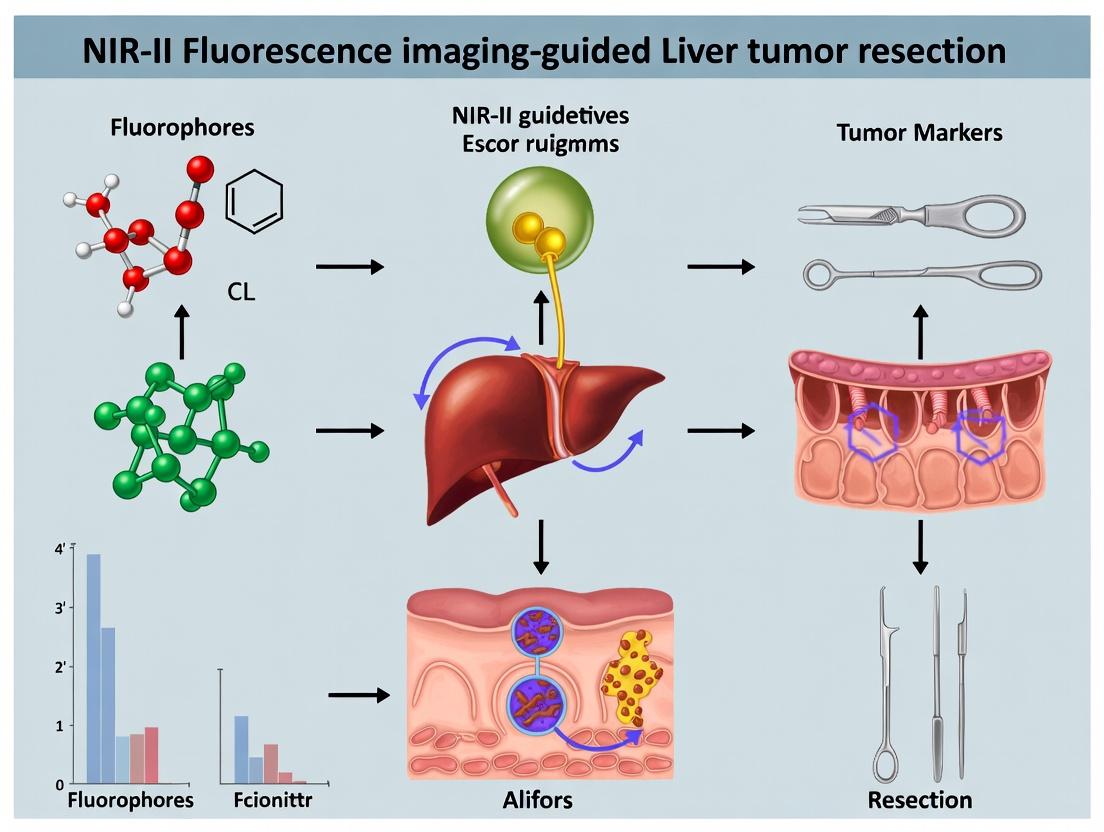
This article provides a comprehensive analysis of second near-infrared (NIR-II) fluorescence imaging as a transformative technology for guiding liver tumor resection.
Illuminating Precision: The Comprehensive Guide to NIR-II Fluorescence Imaging for Liver Tumor Resection
Abstract
This article provides a comprehensive analysis of second near-infrared (NIR-II) fluorescence imaging as a transformative technology for guiding liver tumor resection. Targeted at researchers, scientists, and drug development professionals, it covers the foundational principles, current and emerging methodologies, practical optimization strategies, and rigorous validation protocols. By integrating exploratory science with clinical application, the review outlines how NIR-II imaging enhances surgical precision, improves tumor margin assessment, and paves the way for theranostic agent development, ultimately aiming to improve oncological outcomes in hepatic surgery.
Beyond the Visible: Core Principles and the Rationale for NIR-II in Hepatic Oncology
Fluorescence imaging has become an indispensable tool in biomedical research and clinical practice. The transition from visible (400-700 nm) to near-infrared-I (NIR-I, 700-900 nm) imaging has significantly improved tissue penetration and reduced autofluorescence. However, the NIR-II window (typically defined as 1000-1700 nm, with the 1000-1350 nm sub-window being most utilized due to detector availability) offers transformative advantages. This application note frames these advantages within the specific context of research towards NIR-II fluorescence imaging-guided liver tumor resection, a critical area in surgical oncology where precision directly impacts patient outcomes.
Optical Advantages: Quantitative Comparison
The fundamental advantages of NIR-II imaging stem from reduced photon scattering and minimal tissue autofluorescence at longer wavelengths. The following tables summarize the key quantitative metrics.
Table 1: Comparison of Optical Properties Across Spectral Windows
| Property | Visible (e.g., 550 nm) | NIR-I (e.g., 800 nm) | NIR-II (e.g., 1100 nm) |
|---|---|---|---|
| Typical Penetration Depth (in tissue) | < 1 mm | 1-3 mm | 5-10+ mm |
| Reduced Scattering Coefficient (µs') | High (~10-15 cm⁻¹) | Moderate (~5-10 cm⁻¹) | Low (~1-5 cm⁻¹) |
| Autofluorescence | Very High | Moderate | Negligible |
| Spatial Resolution (FFI) | Low (Blurred) | Moderate | High (Sharp) |
| Signal-to-Background Ratio (SBR) | Low (< 2) | Moderate (~3-5) | High (> 10) |
| Maximum Allowable Exposure (Skin, IEC 60825) | Lower | Higher | Highest |
Table 2: Performance Metrics in Murine Liver Tumor Model Imaging
| Metric | NIR-I Agent (e.g., ICG, 800 nm) | NIR-II Agent (e.g., CH1055-PEG, 1055 nm) |
|---|---|---|
| Tumor-to-Liver Ratio (TNR) | ~1.5 - 2.5 | ~4.0 - 8.0 |
| Tumor Detection Sensitivity | ~85% | ~98% |
| Spatial Resolution (FWHM) | ~2-3 mm | ~0.5-1 mm |
| Time to Peak Signal in Tumor | 5-30 min post-injection | 5-30 min post-injection |
| Clearance Half-life | ~2-4 hours (hepatic) | Varies by agent (hours) |
Key Signaling Pathways in NIR-II Probe Targeting
Effective NIR-II imaging in oncology relies on probe accumulation at the tumor site. For liver tumors, key biological pathways are exploited.
Diagram 1: Probe Targeting Liver Tumors via EPR & Targeting
Experimental Protocols
Protocol 4.1: In Vivo NIR-II Imaging of Orthotopic Liver Tumors in Mice
Objective: To visualize and quantify liver tumor burden using a targeted NIR-II fluorescent probe.
Materials:
- Animal Model: Mice with orthotopically implanted hepatic tumor (e.g., Hepa1-6, H22, or patient-derived xenograft).
- NIR-II Probe: 100 µL of 50-200 µM solution of a liver tumor-targeting agent (e.g., CH1055-PEG-cRGD, IRDye800CW-anti-GPC3).
- Imaging System: NIR-II fluorescence imager equipped with a 980 nm or 1064 nm laser, 1000 nm long-pass filters, and an InGaAs or cooled CCD camera.
- Anesthesia System: Isoflurane vaporizer.
Procedure:
- Anesthetize the tumor-bearing mouse using 2% isoflurane.
- Administer Probe via tail vein injection. Record precise time.
- Position Mouse in the imaging chamber, maintaining anesthesia. Shave abdominal area if necessary.
- Acquire Time Series Images:
- Set laser power to safe levels (< 100 mW/cm²).
- Use exposure times between 50-500 ms.
- Acquire baseline image pre-injection and at post-injection time points (e.g., 1, 5, 15, 30, 60, 120 min).
- Capture a reference image of a fluorescent standard for normalization.
- Sacrifice Mouse at terminal time point. Excise liver and tumors for ex vivo imaging.
- Data Analysis:
- Use software (e.g., ImageJ, Living Image) to draw regions of interest (ROIs) over tumor, normal liver, and background.
- Calculate Signal-to-Background Ratio (SBR) = (Mean IntensityTumor - Mean IntensityBackground) / (Mean IntensityLiver - Mean IntensityBackground).
- Generate time-activity curves.
Protocol 4.2: Intraoperative Simulation for Tumor Margin Delineation
Objective: To simulate and evaluate the utility of NIR-II imaging for guiding surgical resection of liver tumors.
Materials:
- Freshly resected murine or porcine liver tissue with implanted tumor simulant.
- NIR-II fluorescent probe (as above).
- NIR-II imaging system configured for in situ use, with sterile drape.
- Standard surgical instruments.
Procedure:
- Probe Administration: Inject probe systemically in vivo 24 hours prior to simulated surgery for optimal contrast.
- Laparotomy Simulation: Expose the liver in the anesthetized animal or use an ex vivo perfused model.
- Pre-Resection Imaging: Use the NIR-II imaging system to scan the liver surface. Identify the primary tumor and any satellite lesions not visible under white light.
- Margin Delineation: Use the real-time NIR-II video feed to mark the tumor boundary with sterile surgical ink. Aim for a proposed "NIR-II-negative" margin.
- Guided Resection: Perform a simulated resection along the marked boundaries using surgical tools.
- Post-Resection Imaging: Image the resection bed and the resected specimen. Quantify any residual fluorescence in the bed, indicating positive margins.
- Histological Correlation: Fix the tissue, section, and stain with H&E. Correlate fluorescence boundaries with histological tumor boundaries to validate imaging accuracy.
Diagram 2: Workflow for Imaging-Guided Resection
The Scientist's Toolkit: Research Reagent Solutions
Table 3: Essential Materials for NIR-II Liver Tumor Imaging Research
| Item | Function & Rationale |
|---|---|
| NIR-II Fluorescent Probes (e.g., CH1055-PEG, IR-1061, Ag2S/Ag2Se QDs, Single-Wall Carbon Nanotubes) | The core imaging agent. Organic dyes offer rapid clearance; inorganic nanomaterials offer high brightness and stability. Conjugation to targeting ligands (cRGD, antibodies) enables active tumor uptake. |
| Orthotopic Liver Tumor Mouse Models (e.g., Hepa1-6, H22, patient-derived xenografts implanted in liver) | Biologically relevant model that replicates the liver microenvironment and metastatic patterns, crucial for evaluating probe performance and imaging-guided surgery. |
| NIR-II Fluorescence Imaging System | Requires a laser source (808, 980, 1064 nm), appropriate long-pass emission filters (>1000 nm, >1250 nm), and a sensitive detector (InGaAs camera cooled to -80°C). Modular systems allow for both epi-fluorescence and transillumination imaging. |
| Image Analysis Software (e.g., ImageJ with NIR-II plugins, Living Image, MATLAB custom scripts) | For quantifying fluorescence intensity, calculating tumor-to-liver ratios, generating 3D reconstructions, and analyzing pharmacokinetics. |
| Surgical Simulation Suite (Sterile drapes, microsurgical instruments, tissue phantoms) | To practice and standardize the intraoperative imaging and resection protocol in a controlled environment before in vivo application. |
| Histology Validation Kits (H&E staining, fluorescence-compatible mounting media) | Gold standard for confirming tumor margins and correlating NIR-II signal with actual tumor pathology. |
| Laser Safety Equipment (Goggles rated for appropriate wavelength, enclosures) | Essential for operator safety when using Class IIIB/IV lasers common in NIR-II setups. |
Near-infrared window II (NIR-II, 1000-1700 nm) fluorescence imaging represents a transformative advancement for intraoperative guidance in liver tumor resection. The liver's inherent biological properties—high vascularity, parenchymal density, and endogenous fluorophore presence—create a challenging environment for conventional NIR-I (700-900 nm) imaging. NIR-II light experiences significantly reduced scattering and autofluorescence in biological tissues, leading to deeper penetration and superior tumor-to-background ratios (TBR) critical for delineating hepatocellular carcinoma (HCC) and metastatic lesions from cirrhotic or steatotic parenchyma. This application note details protocols and data supporting the integration of NIR-II imaging into the surgical workflow, framed within a thesis on improving oncologic outcomes through precision resection.
Quantitative Advantages of NIR-II in Liver Tissue
Table 1: Optical Properties of Liver Tissue in NIR-I vs. NIR-II Windows
| Parameter | NIR-I (750-900 nm) | NIR-II (1000-1350 nm) | Measurement Method | Reference |
|---|---|---|---|---|
| Reduced Scattering Coefficient (μs', cm⁻¹) | 12.5 ± 2.1 | 5.8 ± 1.3 | Integrating sphere + Inverse Adding-Doubling | [1] |
| Absorption Coefficient (μa, cm⁻¹) | 0.4 ± 0.1 | 0.15 ± 0.05 | Integrating sphere + Inverse Adding-Doubling | [1] |
| Autofluorescence Intensity (A.U.) | High | ~10x lower | Ex: 808 nm, Em: 820-900 vs. 1000-1300 nm | [2] |
| Penetration Depth (for 10% signal) | ~2-3 mm | ~6-8 mm | Measured in ex vivo human liver tissue | [3] |
| Achievable TBR (HCC Model) | 2.1 ± 0.4 | 5.8 ± 1.2 | IRDye 800CW vs. CH-4T dye | [4] |
Table 2: Performance of Selected NIR-II Fluorophores for Liver Tumor Imaging
| Fluorophore | Peak Emission (nm) | Quantum Yield | Targeting Strategy | Reported TBR in Liver (Preclinical) | Key Advantage |
|---|---|---|---|---|---|
| CH-4T | 1065 nm | 0.3% in water | Passive EPR effect | 5.8 | Bright, commercially available |
| IR-FD | 1054 nm | 5.2% in serum | αvβ3 Integrin (RGD) | 8.3 | High quantum yield, active targeting |
| Ag2S Quantum Dots | 1200 nm | 4.1% | CD44 (Hyaluronic acid) | 7.1 | Tunable emission, photostability |
| LZ-1105 | 1105 nm | 10.2% | GPC-3 antibody | 11.5 | High brightness, specific to HCC |
Experimental Protocols
Protocol 1: Ex Vivo Measurement of Liver Optical Properties
Objective: To quantitatively characterize scattering, absorption, and autofluorescence of healthy and diseased human liver tissue in NIR-I and NIR-II windows.
Materials:
- Fresh human liver tissue samples (normal, cirrhotic, steatotic, tumor).
- NIR Spectrophotometer with integrating sphere (e.g., PerkinElmer Lambda 1050+).
- NIR-I and NIR-II fluorescence imaging systems.
- Liquid nitrogen and cryostat.
- Phosphate-buffered saline (PBS).
Procedure:
- Sample Preparation: Obtain informed consent and IRB approval. Slice tissue into 1 cm x 1 cm squares with varying thicknesses (0.5, 1, 2, 4 mm). Rinse in PBS. Keep hydrated.
- Absorption (μa) & Reduced Scattering (μs') Measurement:
- Mount thin slices (0.5 mm) in the spectrophotometer's integrating sphere.
- Record diffuse reflectance and transmittance spectra from 650 nm to 1400 nm.
- Apply the Inverse Adding-Doubling algorithm to calculate μa and μs'.
- Autofluorescence Measurement:
- Illuminate samples with standardized NIR-I (785 nm) and NIR-II (980 nm) lasers at equal power density (10 mW/cm²).
- Acquire fluorescence images using respective cameras (InGaAs for NIR-II).
- Quantify mean fluorescence intensity (MFI) in regions of interest (ROIs).
- Data Analysis: Plot μa and μs' vs. wavelength. Calculate the autofluorescence ratio (NIR-I MFI / NIR-II MFI).
Protocol 2: Intraoperative NIR-II Imaging-Guided Liver Resection in a Murine HCC Model
Objective: To demonstrate real-time, NIR-II fluorescence-guided surgical resection of orthotopic liver tumors.
Materials:
- Nude mice (n=8) with orthotopic HepG2-GFP-luc HCC tumors.
- NIR-II fluorophore: CH-4T (2 mg/mL in PBS with 10% DMSO).
- In vivo NIR-II fluorescence imaging system (e.g., NIRvana 640).
- Isoflurane anesthesia setup.
- Sterile surgical instruments.
Procedure:
- Tumor Model & Injection: Establish tumors via subcapsular implantation. At 3 weeks, administer CH-4T via tail vein (10 mg/kg).
- Pre-operative Imaging (24h post-injection): Anesthetize mouse. Acquire brightfield, NIR-II fluorescence, and overlay images. Calculate baseline TBR (Tumor MFI / Liver MFI).
- Surgical Resection:
- Perform laparotomy under anesthesia.
- Use the NIR-II imaging system in real-time video mode to visualize the fluorescent tumor margin.
- Resect the tumor with a 1-2 mm margin guided by the fluorescence signal.
- Acquire post-resection images of the liver bed to check for residual fluorescence.
- Ex Vivo Analysis: Image the resected specimen. Process for histology (H&E) to confirm complete resection margins.
Visualizing Pathways and Workflows
Title: Why NIR-II Beats NIR-I in Liver Imaging
Title: NIR-II Guided Liver Tumor Resection Workflow
The Scientist's Toolkit: Research Reagent Solutions
Table 3: Essential Materials for NIR-II Liver Imaging Research
| Item | Function/Description | Example Product/Catalog # |
|---|---|---|
| NIR-II Fluorophores | Imaging Agents: Emit light in the 1000-1700 nm range. Choice depends on targeting (passive/active) and brightness. | CH-4T (Lumiprobe), IR-FD (Sigma), Ag2S QDs (NN-Labs) |
| Targeting Ligands | Specificity: Antibodies, peptides, or small molecules conjugated to fluorophores to target HCC biomarkers (e.g., GPC-3, αvβ3). | Anti-GPC3 (Abcam), cRGDyK peptide (Peptides International) |
| Orthotopic HCC Cell Lines | Animal Model: For establishing clinically relevant liver tumors in mice. | HepG2 (ATCC HB-8065), Huh-7 (JCRB Cell Bank) |
| In Vivo Imaging System | Signal Acquisition: Must include a sensitive InGaAs camera for NIR-II detection, NIR lasers, and filter sets. | NIRvana 640 (Princeton Instruments), NIR-II Imaging System (Suzhou NIR-Optics) |
| Anesthesia System | Animal Procedure: For maintaining anesthesia during prolonged imaging and surgery. | Isoflurane Vaporizer (VetEquip), nose cones. |
| Optical Phantoms | System Calibration: Tissue-mimicking materials with known scattering/absorption properties to validate imaging depth and sensitivity. | Biomimic Phantoms (INO), Intralipid-based formulations. |
| Histology Validation Kits | Gold Standard Correlation: For confirming tumor presence and resection margins after imaging. | H&E Staining Kit (Abcam), fluorescent mounting medium. |
Within the context of advancing fluorescence image-guided surgery (FIGS) for hepatic malignancies, the second near-infrared window (NIR-II, 1000-1700 nm) offers superior performance over conventional NIR-I (700-900 nm) imaging. The reduced scattering, minimal autofluorescence, and deeper tissue penetration in the NIR-II region enable real-time, high-resolution visualization of tumor margins and microvasculature during liver resection. This application note surveys four primary classes of NIR-II emitters, detailing their chemical properties, synthesis protocols, and application notes for preclinical liver tumor models.
Quantum Dots (QDs)
Chemical Principle & Application Notes
NIR-II QDs are typically composed of a core-shell structure (e.g., PbS/CdS, Ag₂S, Ag₂Se) with size-tunable emission. Their high quantum yield, broad absorption, and narrow emission bands are advantageous. For in vivo liver imaging, surface functionalization with PEG and targeting ligands (e.g., cRGD peptides for ανβ3 integrin) is critical to reduce Kupffer cell sequestration and enhance tumor accumulation.
Protocol: Synthesis of PEGylated Ag₂S QDs for Liver Imaging
Objective: Synthesize biocompatible, ~1200 nm emitting Ag₂S QDs. Materials:
- Silver nitrate (AgNO₃), Sodium sulfide (Na₂S·9H₂O)
- 1-Dodecanethiol (DDT), Oleylamine (OM)
- Methoxy-PEG-thiol (MW 5000)
- Chloroform, Ethanol
Procedure:
- In a three-neck flask under N₂, dissolve 0.34 mmol AgNO₃ in 10 mL OM and 2 mL DDT. Heat to 120°C.
- Rapidly inject a solution of 0.17 mmol Na₂S in 5 mL OM.
- React at 120°C for 60 min. Cool to room temperature.
- Purify crude QDs with ethanol/chloroform (2:1 v/v), centrifuge at 8000 rpm for 10 min.
- For phase transfer, disperse pellet in chloroform, mix with 50 mg mL⁻¹ methoxy-PEG-thiol, and stir for 24h.
- Precipitate with ether, centrifuge, and redisperse in PBS for characterization and in vivo use.
Key Parameter: Ag:S precursor ratio controls size and emission wavelength. A 2:1 ratio yields ~1200 nm emission optimal for deep tissue imaging.
Research Reagent Solutions
| Reagent | Function in Protocol |
|---|---|
| Oleylamine (OM) | High-boiling-point solvent and capping ligand; controls nanocrystal growth. |
| 1-Dodecanethiol (DDT) | Sulfur source and strong coordinating ligand; determines reaction kinetics. |
| Methoxy-PEG-thiol | Provides a hydrophilic, biocompatible shell via ligand exchange; reduces opsonization. |
| Silver Nitrate (AgNO₃) | Precursor for silver ions; forms the core of the NIR-II emitting nanocrystal. |
Single-Walled Carbon Nanotubes (SWCNTs)
Chemical Principle & Application Notes
Semiconducting SWCNTs emit in the NIR-II region based on their chirality-dependent bandgap. They are inherently photostable. For liver tumor targeting, they are typically wrapped with biocompatible polymers (e.g., phospholipid-PEG, DNA) and conjugated to antibodies like anti-GPC3 for hepatocellular carcinoma.
Protocol: PL-PEG Functionalization and Targeting of (6,5)-SWCNTs
Objective: Prepare tumor-targeted, individually dispersed SWCNTs. Materials:
- HiPco SWCNTs (raw soot)
- 1,2-distearoyl-sn-glycero-3-phosphoethanolamine-N-[amino(PEG)2000] (DSPE-PEG₂₀₀₀)
- DSPE-PEG₂₀₀₀-Maleimide
- Anti-GPC3 Fab' fragments (reduced)
- Probe tip sonicator, Ultracentrifuge
Procedure:
- Disperse 1 mg raw SWCNTs in 10 mL of 1 mg mL⁻¹ DSPE-PEG₂₀₀₀ in PBS.
- Sonicate using a tip sonicator on ice (6 mm tip, 10 W, 30 min, 1 sec on/1 sec off pulse).
- Ultracentrifuge at 150,000 x g for 2 h at 4°C to remove bundles and catalyst.
- Collect the top 80% of supernatant containing individual SWCNTs.
- For conjugation, react supernatant with DSPE-PEG-Maleimide (10:1 molar ratio) for 1h. Purify via 100kDa centrifugal filter.
- Incubate with reduced anti-GPC3 Fab' (molar ratio 1:5 SWCNT:antibody) overnight at 4°C. Purify to remove free antibody.
Key Parameter: Sonication power and time must be optimized to achieve individual dispersion without shortening tubes excessively.
Organic Dyes
Chemical Principle & Application Notes
NIR-II organic dyes are donor-acceptor-donor (D-A-D) structured molecules with intramolecular charge transfer. Examples include CH1055 and FDA-approved Indocyanine Green (ICG, emits marginally in NIR-II). They offer rapid renal clearance. For liver surgery, dyes are conjugated to targeted proteins or encapsulated in nanoparticles to improve brightness and pharmacokinetics.
Protocol: Conjugation of CH-1055 Derivative to Galactose for Hepatocyte Targeting
Objective: Synthesize a liver-targeted organic probe. Materials:
- CH-1055-COOH dye
- Lactobionic acid (for asialoglycoprotein receptor targeting)
- EDC, NHS coupling reagents
- Dimethylformamide (DMF, anhydrous), PBS, PD-10 desalting column
Procedure:
- Activate 1 µmol lactobionic acid in 1 mL PBS with 5 µmol EDC and 5 µmol NHS for 15 min at RT.
- Add to 1 µmol CH-1055-COOH dissolved in 200 µL DMF. Adjust pH to 8.5 with sodium bicarbonate.
- React in the dark with stirring for 6 h at RT.
- Purify the conjugate using a PD-10 column equilibrated with PBS. Collect the colored fraction.
- Filter sterilize (0.22 µm) and characterize concentration (UV-Vis) and conjugation (MS or HPLC).
Key Parameter: Maintain dye solubility during aqueous coupling by minimal, controlled use of organic co-solvent.
Lanthanide-Doped Nanoparticles
Chemical Principle & Application Notes
These are typically rare-earth core-shell nanoparticles (e.g., NaYF₄:Yb,Er,Ce@NaYF₄) that emit via downconversion (Yb³⁺ sensitizer, Er³⁺ emitter). They feature sharp emissions, long lifetimes, and minimal blinking. For intraoperative imaging, their superior photostability is critical during prolonged procedures. Surface coating with silica and PEG is standard.
Protocol: Synthesis of PEGylated NaYF₄:Yb,Er,Ce@NaYF₄ Nanoparticles
Objective: Synthesize bright, core-shell NIR-IIb (>1500 nm) emitting nanoparticles. Materials:
- Yttrium(III) acetate, Ytterbium(III) acetate, Erbium(III) acetate, Cerium(III) acetate
- Oleic acid, 1-Octadecene, Sodium hydroxide, Ammonium fluoride
- Tetraethyl orthosilicate (TEOS), (3-Aminopropyl)triethoxysilane (APTES), mPEG-COOH
Procedure:
- Core Synthesis: Mix RE acetates (Y:Yb:Er:Ce, 78:20:1:1 mol%) with 6 mL OA and 15 mL ODE in a flask. Heat to 150°C under N₂, then cool to 50°C. Add a methanolic solution of NaOH (2.5 mmol) and NH₄F (4 mmol). React at 120°C for 30 min, then 300°C for 90 min. Cool, precipitate with ethanol.
- Shell Growth: Repeat step 1 using core NPs as seeds and Y acetate only for shell precursors.
- Silica Coating: Dispense NPs in cyclohexane. Add 200 µL TEOS and 50 µL APTES. React for 24h. Precipitate with acetone.
- PEGylation: Disperse silica-coated NPs in PBS, add excess mPEG-COOH and EDC/NHS. Stir for 12h. Purify by centrifugation.
Key Parameter: Cerium (Ce³⁺) doping is crucial to enhance NIR-IIb emission from Er³⁺ by cross-relaxation.
Quantitative Comparison of NIR-II Emitters
Table: Key Parameters of NIR-II Fluorophores for Liver Imaging.
| Parameter | Quantum Dots (Ag₂S) | SWCNTs [(6,5)] | Organic Dyes (CH1055) | Lanthanide NPs (Er³⁺) |
|---|---|---|---|---|
| Peak Emission (nm) | 1050-1300 | ~990 | 1050-1150 | ~1525 (NIR-IIb) |
| Quantum Yield (%) | 10-15 (in D₂O) | 0.5-1 | 0.3-0.5 | <0.1 |
| Extinction Coeff. (M⁻¹cm⁻¹) | ~1x10⁵ | ~1x10⁷ (per mg/L) | ~1x10⁴ | ~1x10³ |
| Excitation (nm) | 808 | 785 | 808 | 980 |
| Photostability | High | Very High | Low-Moderate | Very High |
| Clearance Pathway | RES (Liver/Spleen) | Renal/Biliary | Renal | RES (Long-term) |
| Synthetic Complexity | Moderate | Moderate | Low | High |
| Toxicity Concern | Heavy metal leakage | Fiber-like shape | Low | Long-term RES retention |
Integrated Experimental Workflow for NIR-II Probe Evaluation
Diagram Title: Workflow for Evaluating NIR-II Probes in Liver Tumor Models
Critical Signaling Pathway for Targeted Imaging
Diagram Title: Pathway of Targeted NIR-II Probe Accumulation in Tumor Cells
For fluorescence-guided liver tumor resection, the choice of emitter involves trade-offs. Organic dyes are ideal for rapid, non-targeted vascular and biliary imaging. Targeted SWCNTs or lanthanide nanoparticles offer superior photostability for prolonged open and laparoscopic procedures. QDs provide a balance of brightness and synthetic tunability. Optimal use may involve a multiplexed approach, leveraging the distinct emission wavelengths of different classes for simultaneous visualization of multiple surgical landmarks.
Within the broader thesis on NIR-II fluorescence imaging-guided liver tumor resection, optimizing contrast agent delivery is paramount. This section details the fundamental principles and practical methodologies governing how agents accumulate in hepatocellular carcinoma (HCC) and metastases, differentiating between passive (Enhanced Permeability and Retention - EPR) and active (ligand-receptor mediated) targeting mechanisms. Understanding these journeys is critical for designing agents that provide high tumor-to-liver ratios, enabling precise intraoperative visualization.
Core Principles & Quantitative Comparison
Table 1: Key Characteristics of Passive vs. Active Targeting
| Parameter | Passive Targeting (EPR Effect) | Active Targeting |
|---|---|---|
| Primary Mechanism | Extravasation through leaky vasculature; retention due to poor lymphatic drainage. | Specific molecular recognition (e.g., antibody-antigen, peptide-receptor). |
| Targeting Moisty | None required. | Antibodies, peptides, aptamers, small molecules. |
| Agent Size Range | Typically >10 nm (e.g., liposomes, polymeric nanoparticles). | Variable; can be small molecules or nanoparticle conjugates. |
| Key Advantages | Simpler agent design; broad applicability across many tumor types. | Higher specificity; improved cellular internalization; potentially lower doses. |
| Key Limitations | Heterogeneous EPR effect; reliance on tumor physiology; lower tumor accumulation. | More complex synthesis/regulatory path; potential immunogenicity; "binding site barrier". |
| Typical Tumor Accumulation (% Injected Dose/g) | 0.5-3% ID/g (highly variable) | Can reach 5-15% ID/g for optimal agents. |
| Influence on NIR-II Imaging | Provides baseline contrast via non-specific accumulation. | Enables molecular imaging, potentially identifying subtype or metastatic phenotype. |
Table 2: Common Molecular Targets for Active Targeting in Liver Tumors
| Target | Ligand Type | Expression Profile | Rationale for Targeting |
|---|---|---|---|
| Glypican-3 (GPC3) | Monoclonal Antibody (YP7), Nanobody | Highly specific to HCC. | HCC-specific antigen; low in normal liver. |
| Asialoglycoprotein Receptor (ASGPR) | Galactose, Lactobionic acid | High on hepatocytes, lost in many HCCs. | Can target peritumoral area or be used for "negative" targeting. |
| Integrin αvβ3 | RGD peptide | Overexpressed on tumor and metastatic vasculature. | Targets angiogenesis; relevant for HCC and metastases. |
| Transferrin Receptor (TfR1) | Transferrin, Anti-TfR scFv | Overexpressed in many cancers, including HCC. | Promotes receptor-mediated endocytosis. |
| EGFR | Cetuximab, GE11 peptide | Overexpressed in subset of HCC. | For EGFR-positive HCC subtypes. |
Application Notes & Detailed Protocols
Application Note 1: Evaluating Passive Targeting (EPR) in Orthotopic HCC Models
Objective: To quantify the passive accumulation of a non-targeted NIR-II nanoprobe (e.g., PEGylated Ag2S quantum dots) in orthotopic HCC tumors and liver metastases. Key Considerations: EPR is highly model-dependent. Use models with well-characterized vasculature (e.g., patient-derived xenografts may better mimic human EPR). Monitor tumor size, as EPR is often more pronounced in larger tumors.
Protocol 1: In Vivo Biodistribution of a Passively Targeted NIR-II Agent
Materials: See "The Scientist's Toolkit" below. Procedure:
- Animal Model Preparation: Establish orthotopic HCC (e.g., HepG2-Luc) or metastatic (e.g., intrasplenic injection of colorectal cancer cells) models in nude mice. Confirm tumor establishment via bioluminescence.
- Agent Administration: Dilute the PEGylated NIR-II nanoprobe in sterile PBS. Inject intravenously via the tail vein at a standard dose (e.g., 100 µL of 1 mg/mL solution).
- In Vivo NIR-II Imaging: At predetermined time points (1, 4, 24, 48 h), anesthetize the mouse. Acquire NIR-II fluorescence images using a dedicated NIR-II imaging system (excitation: 808 nm, emission: 1100-1700 nm filter). Maintain consistent imaging parameters (exposure time, laser power).
- Ex Vivo Biodistribution: At terminal time points (e.g., 24 h and 48 h), euthanize animals (n=5 per group). Collect tumor, liver, spleen, kidney, heart, lung, and blood. Rinse tissues in PBS and image ex vivo using the same NIR-II system.
- Quantitative Analysis: Measure fluorescence intensity in each organ using region-of-interest (ROI) analysis. Calibrate against a known concentration standard curve of the agent. Express data as % Injected Dose per gram of tissue (% ID/g) or tumor-to-liver ratio (TLR).
- Validation: Correlate fluorescence with elemental analysis (e.g., ICP-MS for Ag content) if possible.
Application Note 2: Actively Targeting GPC3 in HCC with NIR-II Immunoprobes
Objective: To synthesize and validate a GPC3-targeted NIR-II immunoprobe for specific HCC imaging and guided resection. Key Considerations: The conjugation chemistry must preserve both the antibody's binding affinity and the fluorophore's quantum yield. Always include an isotype-control antibody conjugate to distinguish specific from non-specific uptake.
Protocol 2: Synthesis and Validation of an Anti-GPC3 NIR-II Immunoprobe
Materials: See "The Scientist's Toolkit." Procedure: Part A: Conjugation
- Antibody Preparation: Buffer-exchange 1 mg of anti-GPC3 monoclonal antibody (e.g., clone YP7) into carbonate/bicarbonate buffer (pH 8.5) using a 10kDa MWCO centrifugal filter.
- Fluorophore Activation: Dissolve 1 mg of NIR-II dye (e.g., CH-4T) in DMSO. Add a 20-fold molar excess of succinimidyl ester (NHS) and ethylcarbodiimide (EDC). React for 30 min at room temperature.
- Conjugation: Add the activated dye solution dropwise to the antibody solution with gentle stirring. React for 2 hours at 4°C in the dark.
- Purification: Purify the conjugate using a PD-10 desalting column equilibrated with PBS. Collect the colored fraction. Determine the degree of labeling (DOL) using UV-Vis-NIR spectroscopy (measure absorbance at 280 nm and the dye's λmax). Aim for a DOL of 2-4.
- Characterization: Verify size and aggregation status via size-exclusion chromatography (SEC) or dynamic light scattering (DLS).
Part B: In Vitro Validation
- Cell Binding: Incubate GPC3-positive (HepG2) and GPC3-negative (e.g., NIH/3T3) cells with the immunoprobe (10 µg/mL) for 1 h at 4°C. Analyze via flow cytometry or confocal microscopy (using an NIR-II compatible detector).
- Blocking Study: Pre-incubate HepG2 cells with a 10-fold excess of unconjugated anti-GPC3 antibody for 30 min, then add the immunoprobe. Significant reduction in signal confirms specificity.
Part C: In Vivo Imaging
- Follow Protocol 1 steps 1-5, comparing the anti-GPC3 probe to a non-targeted IgG conjugate at the same DOL. Calculate specific uptake as: (UptakeGPC3-probe - UptakeControl-probe) in tumor.
Visualizations
Diagram 1 Title: Pathways of Passive and Active Targeting for Liver Tumors
Diagram 2 Title: In Vivo Protocol for Contrast Agent Evaluation
The Scientist's Toolkit: Essential Research Reagents & Materials
| Item | Function/Benefit | Example/Notes |
|---|---|---|
| NIR-II Fluorophores | Emit light in the 1000-1700nm range for deep tissue, high-resolution imaging. | Ag2S/Ag2Se QDs, single-walled carbon nanotubes (SWCNTs), organic dyes (CH-4T, IR-1061). |
| PEGylation Reagents | Confer "stealth" properties, reduce opsonization, and increase circulation time for passive targeting. | mPEG-NHS, DSPE-PEG-Mal. Critical for optimizing EPR-based delivery. |
| Targeting Ligands | Enable active targeting by binding to overexpressed tumor antigens/receptors. | Anti-GPC3 antibody (YP7), cRGDfK peptide, Lactobionic acid. Must be conjugated to probe. |
| Bioluminescent Cell Lines | Enable pre-imaging tumor localization and growth monitoring in orthotopic models. | HepG2-Luc, Huh7-Luc for HCC; CT26-Luc for colorectal liver metastases. |
| NIR-II Imaging System | Dedicated in vivo imaging system with sensitive InGaAs detectors for NIR-II signal capture. | Must include 808nm or 980nm laser excitation and spectral filters (1100-1700nm). |
| Size-Exclusion Chromatography (SEC) Columns | Purify conjugated immunoprobes, remove aggregates and free dye. | PD-10 (Sephadex G-25) for quick cleanup; HPLC SEC for precise characterization. |
| ICP-MS Instrument | Gold-standard for quantitative biodistribution of metallic probes (e.g., Ag, Au). | Validates fluorescence data by measuring elemental metal content in tissues. |
| Image Analysis Software | Quantify fluorescence intensity from in vivo and ex vivo NIR-II images. | ROI tools in system software (e.g., ViewMM), or ImageJ with NIR-II plugins. |
Within the broader thesis on NIR-II fluorescence imaging-guided liver tumor resection, precise intraoperative visualization is paramount. This application note details the key molecular targets—aberrant vascular dynamics, specific receptor overexpression, and unique tumor microenvironment (TME) features—that enable selective imaging of hepatocellular carcinoma (HCC) and intrahepatic cholangiocarcinoma (iCCA). Targeting these pathways with NIR-II probes facilitates high-resolution, real-time tumor delineation, improving surgical outcomes.
Key Target Classes and Quantitative Data
Vascular Dynamics Targets
Liver tumors exhibit distinct angiogenic profiles compared to surrounding parenchyma.
Table 1: Key Vascular Targets for Liver Tumor Imaging
| Target | Expression in HCC/iCCA vs. Normal Liver | Representative Probe (NIR-II) | Reported Tumor-to-Liver Ratio (TLR) | Key Function in Imaging |
|---|---|---|---|---|
| VEGF-A/VEGFR-2 | VEGFR-2: >5-fold overexpression in HCC. | Anti-VEGFR-2-Fab conjugated to CH-1055 dye. | 4.8 ± 0.6 at 24 h post-injection. | Binds to upregulated receptor on tumor endothelial cells; highlights angiogenic hotspots. |
| Integrin αvβ3 | Highly expressed on tumor vasculature; minimal on quiescent liver endothelium. | cRGD peptide conjugated to IRDye 800CW or Ag2S quantum dots. | 3.2 - 5.1 (varies with probe formulation). | Targets neovascularure for broad tumor margin delineation. |
| Abnormal Vascular Permeability (EPR Effect) | N/A (physiological phenomenon) | Non-targeted, long-circulating nanoparticles (e.g., SWCNTs, Ag2S QDs). | ~2.0 - 3.0 (passive accumulation). | Enables passive accumulation of nanoscale probes; useful for baseline tumor enhancement. |
Receptor Overexpression Targets
Cancer cell membrane receptors provide high-specificity targets.
Table 2: Key Overexpressed Receptors for Liver Tumor Imaging
| Target | Expression Profile | Representative Ligand/Probe | Reported Specificity / KD | Imaging Utility |
|---|---|---|---|---|
| Glypican-3 (GPC3) | ~70-80% of HCCs; absent in healthy hepatocytes. | Anti-GPC3 monoclonal antibody (YP7) labeled with IRDye 800CW or NIR-II dyes. | KD ~1.5 nM; TLR > 5. | HCC-specific marker; critical for distinguishing well-differentiated HCC from benign nodules. |
| Transferrin Receptor (TfR1/CD71) | Highly upregulated in proliferating HCC cells. | Transferrin or anti-TfR antibody conjugated to NIR-II fluorophore. | ~3-fold higher uptake vs. normal. | Highlights regions of high cellular proliferation and iron demand. |
| Somatostatin Receptor 2 (SSTR2) | Overexpressed in a subset of HCC and neuroendocrine liver metastases. | Octreotate conjugated to NIR-II dye (e.g., FM-101). | High affinity for SSTR2 (IC50 < 10 nM). | Useful for imaging specific HCC subtypes and metastatic lesions. |
| ASGPR (Asialoglycoprotein Receptor) | Downregulated in HCC, highly expressed on normal hepatocytes. | Galactose-modified "negative contrast" probes (e.g., Gal-Cy5.5). | Retained in normal liver, cleared from tumor. | Defines tumor as "cold" negative contrast areas against bright background parenchyma. |
Tumor Microenvironment (TME) Targets
The liver TME presents unique biochemical and cellular features.
Table 3: Key Tumor Microenvironment Targets for Liver Tumor Imaging
| Target / Feature | Characteristic in Liver Tumors | Probe Design Strategy | Imaging Readout |
|---|---|---|---|
| Matrix Metalloproteinases (MMPs) | Overactive MMP-2/9 in invasive tumor fronts and stroma. | MMP-activatable NIR-II probes (e.g., peptide-quencher-fluorophore). | Signal turns ON specifically in TME, reducing background. |
| Tumor-Associated Macrophages (TAMs) | High density of TAMs correlates with progression. | Mannose-coated or anti-CD206 labeled nanoparticles. | Visualizes immune contexture and invasive margins. |
| Hypoxia | Common in large HCCs due to dysregulated vasculature. | Nitroreductase-activatable NIR-II probes (e.g., based on cyanine dyes). | Identifies hypoxic, often treatment-resistant regions. |
| Acidic pH | Extracellular pH in tumors is often ~6.5-6.9. | pH-sensitive NIR-II probes (e.g., rationetric or turn-on). | Delineates metabolically active tumor regions. |
Experimental Protocols for Key Assays
Protocol 1:In VivoNIR-II Imaging of Receptor Targeting in Orthotopic HCC Models
Objective: To evaluate the specificity and pharmacokinetics of a GPC3-targeted NIR-II probe. Materials: Orthotopic HepG2-Luc (GPC3+) HCC mouse model, GPC3-targeted NIR-II probe (e.g., YP7-IRDye12), isotype control probe, NIR-II fluorescence imaging system (e.g., InGaAs camera with 1064 nm excitation). Procedure:
- Model Establishment: Surgically implant HepG2-Luc cells onto the left liver lobe of nude mice. Monitor tumor growth via bioluminescence weekly.
- Probe Administration: At tumor volume ~200 mm³, inject 2 nmol of GPC3-targeted probe via tail vein (n=5). Control group receives isotype control probe.
- Image Acquisition: Anesthetize mice with isoflurane. Acquire in vivo NIR-II images at 0, 1, 2, 4, 8, 24, 48, and 72 hours post-injection. Use standardized imaging parameters (exposure time: 100 ms, laser power: 100 mW/cm²).
- Ex Vivo Validation: At 48 h post-injection, euthanize mice. Harvest tumor, liver, and major organs. Image ex vivo under the NIR-II system.
- Data Analysis: Quantify mean fluorescence intensity (MFI) in regions of interest (ROI). Calculate Tumor-to-Liver Ratio (TLR) and Tumor-to-Muscle Ratio (TMR). Perform statistical analysis (Student's t-test).
Protocol 2: Validating Vascular Permeability (EPR) Using Non-Targeted NIR-II Nanoparticles
Objective: To characterize the passive accumulation dynamics of nanoscale probes in HCC. Materials: Orthotopic HCC model, PEGylated Ag2S Quantum Dots (QD1050, diameter ~15 nm), clinical ultrasound system, NIR-II imager. Procedure:
- Baseline Imaging: Perform ultrasound to document tumor size and vascularity.
- Probe Injection: Administer 200 µL of QD1050 (1 mg/mL) intravenously.
- Kinetic Imaging: Acquire dynamic NIR-II images every minute for the first 30 minutes, then at 1, 2, 4, 8, 12, and 24 hours.
- Pharmacokinetic Analysis: Plot fluorescence intensity in tumor and normal liver over time. Calculate the area under the curve (AUC) for each. The enhanced permeability is indicated by a rising tumor AUC relative to liver.
- Histological Correlation: After 24 h imaging, perfuse mice with FITC-labeled dextran (MW 70 kDa) and Hoechst stain. Cryosection tumor and co-localize QD signal (via microscopy) with vascular markers (CD31) to confirm perivascular accumulation.
Protocol 3:Ex VivoValidation of Probe Specificity via Immunofluorescence Co-Localization
Objective: To confirm cellular-level target engagement of an NIR-II probe. Materials: Tumor and liver tissues from Protocol 1, primary antibody against target (e.g., anti-GPC3), species-matched fluorescent secondary antibody (e.g., Alexa Fluor 488), mounting medium with DAPI, confocal microscope. Procedure:
- Tissue Sectioning: Flash-freeze harvested tissues in O.C.T. compound. Section at 10 µm thickness using a cryostat.
- Immunostaining: Fix sections in cold acetone for 10 min. Block with 5% BSA for 1 h. Incubate with primary anti-target antibody overnight at 4°C. Wash with PBS. Incubate with secondary antibody for 1 h at RT. Wash and mount.
- Imaging: Using a confocal microscope, acquire images for:
- Channel 1: DAPI (nuclei, excitation 405 nm).
- Channel 2: Alexa Fluor 488 (target antigen, excitation 488 nm).
- Channel 3: NIR-II probe signal (if directly detectable or via anti-dye antibody with different fluorophore, e.g., Cy3).
- Analysis: Use image analysis software (e.g., ImageJ) to calculate Pearson's correlation coefficient between the target antigen signal (Channel 2) and the probe signal (Channel 3) to quantify co-localization.
Signaling Pathways and Experimental Workflows
Diagram Title: GPC3-Targeted NIR-II Imaging Workflow
Diagram Title: VEGF Pathway Driving Angiogenesis for Imaging
The Scientist's Toolkit: Research Reagent Solutions
Table 4: Essential Reagents for NIR-II Liver Tumor Imaging Research
| Reagent / Material | Supplier Examples | Function in Research |
|---|---|---|
| NIR-II Fluorophores (CH-1055, IR-12, Ag2S QDs, SWCNTs) | Lumiprobe, Sigma-Aldrich, NN Labs, OEM suppliers. | The core imaging agent emitting light in the 1000-1700 nm window for deep tissue, low-background imaging. |
| Targeting Ligands (cRGD peptides, anti-GPC3 mAb YP7, Transferrin) | Peptide vendors (e.g., GenScript), Absolute Antibody, Thermo Fisher. | Confers molecular specificity to NIR-II probes for active targeting of overexpressed receptors or vasculature. |
| Orthotopic HCC Mouse Models (e.g., HepG2, Huh7, patient-derived xenografts) | Charles River, The Jackson Laboratory, in-house establishment. | Provides a physiologically relevant tumor microenvironment with native liver stroma for translational imaging studies. |
| NIR-II Fluorescence Imaging System (InGaAs camera, 808/1064 nm lasers) | Azure Biosystems, NIR-Optics, in-house built systems. | Enables in vivo and ex vivo acquisition of high-sensitivity NIR-II fluorescence signals. |
| Image Analysis Software (ImageJ, Living Image, MATLAB) | NIH, PerkinElmer, MathWorks. | For quantifying mean fluorescence intensity, calculating tumor-to-background ratios, and pharmacokinetic modeling. |
| Matrix Metalloproteinase Substrates (MMP-2/9 cleavable peptide linkers) | Bachem, AnaSpec. | Used to construct enzyme-activatable "smart" probes that turn on signal specifically in the TME. |
From Bench to Operating Room: Implementing NIR-II Imaging in Liver Tumor Surgery
Within a broader thesis focused on NIR-II fluorescence imaging-guided liver tumor resection, the establishment of a robust and clinically relevant preclinical model is foundational. This application note details the selection criteria for orthotopic and metastatic liver tumor models in mice and the configuration of an imaging system optimized for deep-tissue, high-resolution NIR-II visualization. This workflow is critical for evaluating novel tumor-targeted NIR-II probes and simulating image-guided surgical navigation.
Animal Model Selection: Orthotopic vs. Metastatic
The choice between orthotopic and metastatic models dictates the biological questions addressable in liver cancer research.
Orthotopic Models: Tumor cells are implanted directly into the liver parenchyma, preserving the native organ microenvironment (stroma, blood supply, immune context). This is essential for studying local tumor growth, direct invasion, and evaluating resection margins. Metastatic Models: Typically established via intrasplenic or portal vein injection of tumor cells, which then colonize the liver. This model recapitulates the hematogenous spread of colorectal cancer metastases to the liver, a major clinical scenario.
Key Comparative Data:
Table 1: Comparison of Orthotopic and Metastatic Liver Tumor Models
| Parameter | Orthotopic Model | Metastatic Model (Intrasplenic) |
|---|---|---|
| Primary Implantation Site | Liver lobe (direct) | Spleen or portal circulation |
| Clinical Relevance | Primary hepatocellular carcinoma (HCC) | Liver metastases (e.g., from colorectal cancer) |
| Tumor Microenvironment | Native liver stroma; may induce local fibrosis | "Seed and soil" dynamic; reflects colonization |
| Technical Difficulty | High (laparotomy required) | Moderate to High |
| Onset of Liver Tumors | 7-14 days post-implantation | 14-28 days post-injection |
| Key Application in NIR-II Research | Evaluating probe specificity, tumor delineation, and residual tumor detection post-resection. | Assessing probe sensitivity for detecting micrometastases and disseminated disease. |
| Common Cell Lines | Hepa1-6 (mouse HCC), H22 (mouse hepatoma) | MC38 (mouse colon carcinoma), CT26 (mouse colon carcinoma) |
Detailed Experimental Protocols
Protocol 2.1: Surgical Orthotopic Implantation of Hepa1-6 Cells in Mouse Liver Objective: To establish a primary hepatocellular carcinoma model for NIR-II imaging studies. Materials: Hepa1-6-luc cells, 8-week-old C57BL/6 mice, Matrigel, anesthesia (isoflurane), surgical tools, 50µL Hamilton syringe, 10-0 nylon suture, warming pad. Procedure:
- Cell Preparation: Harvest and resuspend Hepa1-6 cells in a 1:1 mix of PBS and Matrigel (≈4°C) at 1x10⁶ cells/50µL. Keep on ice.
- Animal Anesthesia & Preparation: Induce and maintain anesthesia with 2% isoflurane. Shave and disinfect the abdominal area. Place mouse on a sterile, warming surgical stage.
- Laparotomy: Make a 1-1.5 cm midline incision. Gently exteriorize the left lateral liver lobe and place on sterile saline-moistened gauze.
- Intrahepatic Injection: Using a 30G needle attached to a Hamilton syringe, slowly inject 50µL of cell suspension into the subcapsular parenchyma. Hold the needle in place for 30 seconds post-injection to prevent leakage.
- Hemostasis & Closure: Apply gentle pressure with a sterile cotton swab. Return the liver lobe to the abdominal cavity. Close the peritoneum and muscle layer with 6-0 absorbable suture and the skin with wound clips.
- Post-operative Care: Administer analgesia (e.g., buprenorphine) and house singly until fully recovered. Monitor for tumor growth via bioluminescence weekly.
Protocol 2.2: Establishing Liver Metastases via Intrasplenic Injection of MC38 Cells Objective: To model colorectal cancer liver metastases for evaluating NIR-II probe detection of disseminated disease. Materials: MC38-luc cells, 8-week-old C57BL/6 mice, anesthesia, surgical tools, insulin syringe (29G), cautery, 6-0 silk suture. Procedure:
- Cell Preparation: Harvest MC38 cells and resuspend in ice-cold PBS at 5x10⁵ cells/100µL.
- Surgical Exposure: Anesthetize mouse and perform a left lateral subcostal incision to expose the spleen.
- Intrasplenic Injection: Immobilize the spleen. Slowly inject 100µL of cell suspension into the lower splenic pole. Leave the needle in place for 1 minute.
- Splenectomy: To prevent confounding primary splenic tumors, ligate the splenic pedicle distal to the injection site with silk suture and perform a splenectomy 1 minute post-injection.
- Closure: Ensure abdominal hemostasis. Close the abdominal wall and skin.
- Monitoring: Metastatic tumor burden in the liver is monitored by bioluminescence imaging starting at day 14.
NIR-II Imaging System Setup and Protocol
Protocol 2.3: In Vivo NIR-II Fluorescence Imaging Setup and Acquisition Objective: To configure an imaging system for deep, high-resolution visualization of liver tumors. Core Components:
- Excitation Source: 808 nm or 980 nm continuous-wave laser with adjustable power (0-500 mW/cm²). A laser line filter is used for beam shaping.
- Optical Filters: A long-pass dichroic mirror (>800 nm) to separate excitation from emission. Emission collection uses a series of long-pass filters (e.g., 1000 nm, 1100 nm, 1200 nm LP) for spectral separation in the NIR-II window.
- Detector: Two-dimensional InGaAs camera cooled to -80°C to reduce dark noise. A 25 mm or 50 mm lens with high NIR transmission is used.
- Animal Platform: Heated, adjustable stage inside a light-tight chamber. Anesthesia is maintained via a nose cone.
- Software: For image acquisition, spectral unmixing, and quantification (e.g., Signal-to-Background Ratio, SBR).
Imaging Procedure:
- Probe Administration: Inject tumor-targeted NIR-II probe (e.g., IRDye 800CW conjugate, CH1055, or Ag2S quantum dots) via tail vein at a dose optimized for the probe (typically 1-5 nmol in 100µL PBS).
- Anesthesia & Positioning: Anesthetize mouse and place in a prone or supine position on the stage.
- Image Acquisition: Set laser power to safe levels (<200 mW/cm²). Acquire a pre-injection background image. Acquire serial post-injection images (e.g., 1, 4, 24, 48 h). Use appropriate emission filters (e.g., 1000 nm LP for NIR-IIa sub-window).
- Data Analysis: Quantify mean fluorescence intensity (MFI) in tumor (T) and adjacent normal liver (N) regions of interest (ROIs). Calculate SBR = MFI(T) / MFI(N). Generate time-activity curves.
Table 2: Typical NIR-II Imaging Parameters for Liver Tumor Models
| Parameter | Settings |
|---|---|
| Excitation Wavelength | 808 nm or 980 nm |
| Laser Power Density | 100-150 mW/cm² |
| Emission Filter | 1000 nm Long-Pass |
| Exposure Time | 50-300 ms |
| Camera Binning | 2x2 or 4x4 |
| Field of View | 5 cm x 5 cm |
| Spatial Resolution | ~20-50 µm |
The Scientist's Toolkit: Key Research Reagent Solutions
Table 3: Essential Materials for Liver Tumor Modeling and NIR-II Imaging
| Item | Function/Application | Example Product/Catalog |
|---|---|---|
| Luciferase-expressing Cell Lines | Enables longitudinal bioluminescence monitoring of tumor growth independent of fluorescence. | Hepa1-6-luc, MC38-luc |
| Growth Factor-Reduced Matrigel | Provides extracellular matrix support for orthotopic tumor cell engraftment and growth. | Corning Matrigel (#356231) |
| NIR-II Fluorescent Probes | Agent for deep-tissue, high-contrast tumor imaging. Target can be nonspecific (e.g., EPR effect) or specific (antibody-conjugated). | IRDye 800CW, CH-1055, Ag2S Quantum Dots |
| In Vivo Imaging System (NIR-II capable) | Integrated platform for sensitive NIR-II signal detection. | Bruker In-Vivo Xtreme II, Princeton Instruments NIRvana, Custom-built systems. |
| Isoflurane Anesthesia System | Provides safe, controllable, and maintainable anesthesia for prolonged imaging and survival surgeries. | VetFlo or equivalent precision vaporizer. |
| Sterile Ophthalmic Ointment | Prevents corneal drying during prolonged anesthesia. | Puralube Vet Ointment |
| Post-operative Analgesic | Mandatory for pain management post-survival surgery. | Buprenorphine SR (sustained-release) |
Visualized Workflows and Pathways
Title: Decision Tree for Liver Tumor Model Selection
Title: Integrated Preclinical NIR-II Liver Resection Workflow
Title: Schematic of NIR-II Fluorescence Imaging System
Application Notes
Near-infrared window II (NIR-II, 1000-1700 nm) fluorescence imaging represents a transformative technology for intraoperative guidance in liver tumor surgery. Its superior penetration depth and high signal-to-background ratio offer the potential for real-time visualization of tumor margins and critical vasculature, directly addressing the clinical need for improved R0 resection rates. The translation from promising pilot studies to standardized, commercially viable surgical protocols requires a rigorous, multi-phase translational pathway.
Phase 1: Preclinical Pilot Studies (Proof-of-Concept) This phase establishes fundamental efficacy and safety in animal models. Key objectives include: demonstrating specific accumulation of a NIR-II fluorescent agent (e.g., indocyanine green (ICG) derivatives, targeted molecular probes) in liver tumors, quantifying the improved tumor-to-liver ratio (TLR) compared to NIR-I imaging, and establishing baseline pharmacokinetics and toxicology profiles.
Table 1: Representative Quantitative Outcomes from Preclinical Pilot Studies in Murine Hepatic Tumor Models
| Fluorescent Probe | Target/Mechanism | Peak Emission (nm) | Avg. Tumor-to-Liver Ratio (TLR) | Optimal Imaging Time Post-Injection | Primary Model |
|---|---|---|---|---|---|
| ICG | Non-specific, EPR effect/ hepatobiliary clearance | ~820 (NIR-I) & ~1300* | 2.1 ± 0.3 (NIR-II) | 24-48 hrs | HepG2 subcutaneous |
| CH-4T | Synthetic polymer dye | ~1050 | 5.8 ± 1.2 | 6 hrs | Orthotopic HCC |
| 5-ALA (PpIX) | Metabolic prodrug (protoporphyrin IX) | ~630 & ~700 | 3.5 ± 0.7 (with 650 nm LP filter) | 4 hrs | Metastatic CRC liver |
| cRGD-ZW800-1 | Integrin αvβ3 targeting | ~780 & ~800 | 4.2 ± 0.9 | 24 hrs | Orthotopic HCC |
*ICG exhibits a tail emission in the NIR-II region.
Phase 2: Translational Refinement & Device Optimization Focus shifts to clinically relevant large animal models and the integration of imaging with surgical hardware. Work involves optimizing injection protocols, standardizing imaging parameters (exposure, laser power), and developing software for real-time image overlay on white-light video.
Phase 3: Early-Stage Clinical Trials (First-in-Human & Feasibility) Initial human studies assess safety, dosing, and preliminary efficacy. Primary endpoints include agent safety, optimal dose determination, and the ability to identify known malignant lesions intraoperatively.
Phase 4: Pivotal Clinical Trials & Protocol Standardization Large-scale, multi-center randomized controlled trials (RCTs) compare NIR-II-guided resection against standard of care. Primary endpoints are oncological: R0 resection rate, local recurrence at 1 year, and disease-free survival. Secondary endpoints include procedural outcomes like operative time and blood loss. Successful trial data leads to the creation of standardized imaging protocols, surgeon training modules, and regulatory approval (e.g., FDA, CE Mark).
Detailed Experimental Protocols
Protocol 1: Preclinical Evaluation of NIR-II Probe for Orthotopic Liver Tumor Imaging in Murine Models
Objective: To assess the biodistribution, pharmacokinetics, and tumor-targeting efficacy of a candidate NIR-II fluorescent probe.
Materials & Reagents:
- Candidate NIR-II fluorescent probe (lyophilized)
- Orthotopic liver tumor model (e.g., Hepa1-6, H22, or patient-derived xenograft cells)
- NIR-II fluorescence imaging system (e.g., equipped with 808 nm or 980 nm laser, InGaAs camera)
- Isoflurane anesthesia system
- Heating pad for physiological maintenance
- PBS (pH 7.4) for probe reconstitution and dilution
- Analytical balance, microcentrifuge tubes, syringes (29G insulin syringes)
Procedure:
- Model Establishment: Surgically implant tumor cells (1-2x10^6 in 20 µL Matrigel) into the left liver lobe of anesthetized mice. Allow 10-14 days for tumor growth (to ~3-5 mm diameter).
- Probe Administration: Reconstitute the probe in PBS. Via tail vein, inject the experimental group (n≥5) with the probe (e.g., 100 µL of 200 µM solution). Inject control group with PBS only.
- In Vivo Imaging: At predetermined time points (e.g., 0, 1, 3, 6, 12, 24, 48 h), anesthetize mice and place them prone on the imaging stage. Acquire NIR-II fluorescence images using standardized parameters (e.g., 150 ms exposure, laser power 80 mW/cm²).
- Ex Vivo Analysis: At terminal time points (e.g., 24 h), euthanize mice. Harvest tumors, liver, and major organs (heart, lung, spleen, kidney). Image all tissues ex vivo under identical settings. Measure mean fluorescence intensity (MFI) in regions of interest (ROI).
- Data Quantification: Calculate TLR as (MFITumor) / (MFIAdjacentNormalLiver). Generate biodistribution plots as % injected dose per gram (%ID/g) or MFI normalized to control tissue.
Protocol 2: Intraoperative NIR-II Imaging-Guided Liver Resection in a Porcine Model
Objective: To simulate and standardize the clinical workflow for NIR-II-guided anatomic liver resection.
Materials & Reagents:
- Domestic swine (40-50 kg)
- Clinical-grade NIR-II fluorophore (e.g., ICG for off-label NIR-II use)
- Clinical NIR-I/NIR-II capable fluorescence laparoscopy system
- Standard laparoscopic/laparotomy surgical instrument set
- Anesthesia and monitoring equipment
- Sterile drapes and surgical supplies
Procedure:
- Preoperative Preparation: Anesthetize and intubate the swine. Establish standard ASA monitoring.
- Fluorophore Administration: Administer ICG (0.25 mg/kg) intravenously 24 hours prior to planned resection to leverage hepatobiliary clearance and background liver clearance.
- Surgical Exposure: Perform a midline laparotomy or establish laparoscopic ports to expose the liver.
- Baseline Imaging: Switch the camera system to NIR-II fluorescence mode. Document the baseline fluorescence of the liver. Identify any "positive" or "negative" staining patterns relative to known anatomy.
- Real-Time Guided Resection: Plan the parenchymal transection line based on vascular (negative) and biliary (positive) fluorescence patterns. Perform resection using standard surgical techniques (e.g., CUSA, bipolar sealing), intermittently switching to fluorescence mode to confirm the relationship of the transection plane to critical fluorescent structures.
- Specimen & Bed Assessment: Image the resected specimen. Switch to fluorescence mode to inspect the resection bed for any unexpected fluorescent foci indicating residual bile ductules or unaddressed lesions.
- Data Recording: Document all procedural steps, timing, and qualitative assessment of image utility.
The Scientist's Toolkit: Key Research Reagent Solutions
Table 2: Essential Materials for NIR-II Fluorescence Imaging-Guided Liver Tumor Research
| Item | Function/Application | Example/Note |
|---|---|---|
| NIR-II Fluorophores | Emit light in 1000-1700 nm range for deep-tissue imaging. | ICG (off-label), CH-series small molecule dyes, Quantum Dots (e.g., Ag2S), single-walled carbon nanotubes. |
| Targeted Molecular Probes | Bind specifically to tumor-associated antigens (e.g., integrins, EGFR). | cRGD-, anti-CEA-, or anti-GPC3-conjugated NIR-II dyes for molecular imaging. |
| Clinical-Grade ICG | FDA-approved NIR-I agent with NIR-II tail emission; used for first-in-human translation studies. | Provides a rapid regulatory pathway for initial clinical feasibility trials. |
| NIR-II Imaging System | Captures NIR-II fluorescence; consists of laser excitation, InGaAs camera, and filters. | Custom-built setups or commercial systems (e.g., from Hamamatsu, Nuvo). |
| Orthotopic Liver Tumor Cell Lines | Establish biologically relevant tumor models with liver microenvironment. | Mouse: Hepa1-6, H22. Human: HepG2, Huh-7, patient-derived organoids. |
| Image Analysis Software | Quantifies fluorescence intensity, calculates TLR, and enables image overlay. | MATLAB, ImageJ with custom plugins, commercial instrument software. |
| Fluorescence Laparoscope | Integrates NIR-II capability into clinical surgical workflow. | Modified standard laparoscopes or purpose-built NIR-I/NIR-II systems. |
| Tissue-Mimicking Phantoms | Calibrate imaging systems and validate depth penetration. | Agarose or silicone phantoms with embedded fluorescent targets. |
Visualization Diagrams
Title: Four-Phase Clinical Translation Pathway
Title: Preclinical Murine Study Workflow
Title: Clinical NIR-II Guided Liver Resection Protocol
Application Notes
Near-infrared window II (NIR-II, 1000-1700 nm) fluorescence imaging represents a transformative technology for intraoperative guidance in oncologic surgery. Within the context of liver tumor resection research, its primary thesis advantage is the simultaneous, real-time visualization of multiple critical anatomical and pathological structures with high spatial resolution and deep tissue penetration. This addresses the significant clinical challenges of positive resection margins, missed micro-satellite lesions, and iatrogenic vascular injury.
Key Applications in Liver Tumor Resection:
- Primary Tumor Delineation: NIR-II fluorophores conjugated to tumor-targeting ligands (e.g., anti-CEA, RGD peptides) provide high tumor-to-background ratios (TBR), enabling precise definition of tumor boundaries beyond tactile and visual cues.
- Detection of Micro-Satellites: The high sensitivity of NIR-II imaging allows for the identification of sub-millimeter satellite nodules, which are major contributors to postoperative recurrence. This is critical for achieving a truly radical resection.
- Vascular Roadmapping: Non-targeted NIR-II fluorescent agents (e.g., ICG, IRDye 800CW) administered intravenously rapidly bind to plasma proteins, confining them to the vascular compartment. This generates a real-time map of the hepatic arterial, portal venous, and hepatic venous systems, aiding in anatomical navigation and avoidance of critical structures during parenchymal transection.
Quantitative Performance Data of Selected NIR-II Probes in Preclinical Liver Tumor Models:
Table 1: In Vivo Performance of Representative NIR-II Probes for Hepatic Tumor Imaging
| Probe Name | Target/Mechanism | Peak Emission (nm) | Reported TBR (Tumor/Liver) | Key Study Model | Reference (Year) |
|---|---|---|---|---|---|
| CH-4T | Non-targeted, Organic Dye | ~1060 | 5.2 ± 0.3 | HepG2-Luc Orthotopic | Antaris et al., Nat. Mater. (2016) |
| 5F | αvβ3 Integrin (RGD) | ~1055 | 8.7 | Huh-7 Orthotopic | Hu et al., Adv. Mater. (2018) |
| Ag2S QDs-PEG-cRGD | αvβ3 Integrin (cRGD) | ~1200 | 4.1 | 4T1-Liver Metastasis | Hong et al., Nat. Biomed. Eng. (2017) |
| IRDye 800CW-anti-CEA | Carcinoembryonic Antigen | ~800 (NIR-I) & ~1700 (NIR-IIb) | 3.8 (NIR-IIb) | LS174T-Liver Metastasis | Zhu et al., Nat. Commun. (2019) |
| ICG | Vascular / Hepatobiliary | ~820 (NIR-I) & ~1300 (NIR-II) | N/A (Vascular) | Clinical & Preclinical | Various |
Experimental Protocols
Protocol 1: Orthotopic Liver Tumor Model for NIR-II Imaging Validation
Objective: To establish a reproducible rodent model for evaluating NIR-II probes in the context of primary liver tumor and micro-satellite visualization.
Materials:
- Immunocompromised mice (e.g., BALB/c nude, NOD-scid).
- Human hepatocellular carcinoma (HCC) cells (e.g., HepG2, Huh-7).
- Luciferase-expressing cell line (optional, for bioluminescence validation).
- Anesthesia system (isoflurane).
- Sterile surgical tools, stereotactic injector.
- NIR-II fluorescence imaging system (e.g., custom-built or commercial InGaAs camera).
Methodology:
- Cell Preparation: Cultivate HCC cells to 80% confluence. Harvest and resuspend in a 1:1 mixture of Matrigel and PBS at a concentration of 5 x 10^6 cells/50 µL. Keep on ice.
- Surgical Exposure: Anesthetize the mouse. Perform a small midline laparotomy. Externally mobilize the left lateral liver lobe and place it on sterile gauze.
- Orthotopic Implantation: Using a 29-gauge insulin syringe, slowly inject 10 µL of the cell suspension into the subcapsular parenchyma of the liver lobe. Apply gentle pressure with a cotton swab for 1 minute to prevent leakage and achieve hemostasis.
- Closure: Return the liver lobe to the abdominal cavity. Close the peritoneum and skin with sutures or wound clips.
- Tumor Growth: Monitor tumor growth for 3-5 weeks. Tumor establishment can be confirmed via ultrasound or bioluminescence imaging if using luciferase-expressing cells.
- Imaging Preparation: Proceed to Protocol 2 for probe administration and imaging.
Protocol 2: Dual-Channel NIR-II Imaging for Tumor and Vascular Delineation
Objective: To acquire real-time, simultaneous intraoperative images of tumor foci and hepatic vasculature.
Materials:
- Established orthotopic or metastatic liver tumor model.
- Tumor-targeted NIR-II probe (e.g., RGD-conjugated).
- Vascular NIR-II probe (e.g., ICG, PEGylated CH-4T).
- NIR-II imaging system with dual-channel excitation/emission capability.
- Heating pad for animal maintenance.
Methodology:
- Probe Administration:
- Vascular Agent: Administer the vascular probe (e.g., ICG, 200 µL of 100 µM in PBS) via tail vein injection.
- Tumor-Targeted Agent: Administer the tumor-targeted probe (e.g., 150 µL of 200 µM in PBS) via tail vein injection 24-48 hours prior to imaging to allow for background clearance.
- Intraoperative Setup: Anesthetize the mouse and perform a laparotomy to fully expose the liver. Position the animal under the NIR-II camera.
- Image Acquisition:
- Set excitation lasers to appropriate wavelengths (e.g., 808 nm for ICG/CH-4T, 980 nm for Ag2S QDs).
- Use appropriate long-pass emission filters for NIR-II (e.g., 1000 nm LP, 1300 nm LP).
- Acquire white-light and fluorescence images in rapid succession or simultaneously.
- For dynamic vascular imaging, acquire a video-rate sequence immediately post-injection of the vascular agent.
- For tumor imaging, capture high-sensitivity static images after the clearance period.
- Image Analysis: Use software to:
- Calculate Tumor-to-Background Ratio (TBR) = Mean fluorescence intensity (Tumor ROI) / Mean fluorescence intensity (Normal liver ROI).
- Identify and count micro-satellite lesions (discrete, punctate fluorescence distinct from primary mass).
- Overlay pseudo-colored NIR-II channels onto white-light images for composite visualization.
Visualization Diagrams
Title: NIR-II Probe Targeting & Intraoperative Imaging Workflow
Title: Molecular Basis of NIR-II Tumor Targeting & Detection
The Scientist's Toolkit
Table 2: Essential Research Reagents & Materials for NIR-II Liver Imaging Studies
| Item | Function/Benefit | Example(s) |
|---|---|---|
| NIR-II Fluorophores | Core imaging agent emitting in the 1000-1700 nm range, offering deep tissue penetration and low autofluorescence. | Organic Dyes (CH-4T, 5F), Quantum Dots (Ag2S, PbS), Single-Walled Carbon Nanotubes. |
| Targeting Ligands | Provides specificity to tumor-associated antigens or receptors, enabling molecular imaging. | cRGDfK peptides (for αvβ3), Anti-CEA antibodies, Anti-GPC3 antibodies, Epidermal Growth Factor (EGF). |
| PEGylation Reagents | Conjugation to fluorophores improves biocompatibility, increases circulation half-life, and reduces non-specific uptake. | mPEG-NHS, DSPE-PEG-Maleimide, heterobifunctional PEG linkers. |
| Vascular Contrast Agent | Quickly confines to bloodstream post-IV injection, enabling real-time anatomical vascular mapping. | Indocyanine Green (ICG), IRDye 800CW PEG, PEGylated NIR-II dyes. |
| Animal Disease Models | Preclinical in vivo systems that recapitulate key features of human liver cancer. | Orthotopic HCC implantation (HepG2, Huh-7), Liver metastasis models (intrasplenic injection), Patient-derived xenografts (PDX). |
| NIR-II Imaging System | Instrumentation for excitation and detection of NIR-II fluorescence. Requires InGaAs cameras and appropriate filters. | Custom-built systems with 808/980 nm lasers & 1000/1300 nm LP filters; Commercial systems (e.g., FluorVivo, Odyssey CLx with NIR-II module). |
| Image Analysis Software | For quantitative region-of-interest (ROI) analysis, TBR calculation, and image overlay/co-registration. | ImageJ/FIJI with custom macros, LI-CRO Image Studio, MATLAB, ICY. |
Application Notes
Near-infrared-II (NIR-II, 1000-1700 nm) fluorescence imaging represents a transformative advancement in real-time intraoperative guidance for hepatic oncology. Defining a quantitative, objective surgical margin hinges on establishing a robust signal-to-background ratio (SBR) or tumor-to-background ratio (TBR) threshold that reliably distinguishes malignant tissue from surrounding normal parenchyma. Current research indicates that effective margin delineation requires overcoming challenges such as variable probe biodistribution, heterogeneous tumor uptake, and background signal from the liver's intrinsic fluorescence and reticuloendothelial system.
Recent studies employing clinical and pre-clinical NIR-II fluorophores (e.g., indocyanine green (ICG), CH1055, IRDye 800CW) suggest that a TBR greater than 2.0 is typically required for confident visual tumor discrimination. However, for defining a clear margin at the microscopic level, quantitative analysis of ex vivo specimens often employs more stringent thresholds. A TBR of ≥1.5 to 2.5 at the resection edge, measured via spectroscopic systems, correlates with histopathologically negative (>1 mm) margins. The dynamic process of ICG clearance—initially taken up by hepatocytes and later retained in cancerous tissues due to impaired biliary excretion—creates a time-dependent window for optimal contrast, typically peaking 24-48 hours post-injection.
Protocols
Protocol 1: In Vivo NIR-II Image-Guided Hepatectomy and Margin Assessment
Objective: To intraoperatively identify liver tumors and quantitatively assess the fluorescence signal at the planned transection plane.
Materials:
- NIR-II fluorescent probe (e.g., ICV-150, 5 mg/kg).
- NIR-II fluorescence imaging system (e.g., custom-built 808 nm excitation, 1000 nm long-pass emission filter, InGaAs camera).
- Animal model: Murine orthotopic hepatocellular carcinoma or patient-derived xenograft.
- Sterile surgical instruments.
- Calibrated fluorescence phantom for signal standardization.
Procedure:
- Probe Administration: Administer the NIR-II probe via tail vein injection 24 hours prior to surgery.
- Anesthesia & Laparotomy: Induce and maintain anesthesia. Perform a midline laparotomy to expose the liver.
- Pre-resection Imaging: Position the imaging system 15-20 cm above the surgical field. Acquire white-light and NIR-II fluorescence images. Use software to overlay images.
- Region of Interest (ROI) Analysis: Draw ROIs over the tumor (T) and adjacent normal liver parenchyma (N) in three distinct areas. Calculate the mean fluorescence intensity (MFI) for each.
- Calculate TBR: Compute TBR = MFI(T) / MFI(N). Document the location of the resection plane.
- Resection: Perform tumor resection using the fluorescence guidance, aiming for a margin of apparent low signal.
- Ex Vivo Margin Analysis: Immediately image the resected specimen and the residual liver cut surface. Draw ROIs at the closest edge of the tumor bed (Margin). Calculate TBR(Margin) = MFI(Margin) / MFI(Distant Normal Liver).
- Correlation: Fix the specimen for histopathological analysis (H&E) to determine the actual microscopic margin distance.
Protocol 2: Ex Vivo Spectroscopic Quantification of Surgical Margins
Objective: To obtain high-fidelity, quantitative fluorescence data from the resection margin for correlation with histopathology.
Materials:
- NIR-II spectroscopy system with fiber optic probe (785 nm or 808 nm laser source, spectrometer covering 1000-1700 nm).
- Biopsy apparatus for paired sampling.
- Cryostat.
- Histopathology slides.
Procedure:
- Sample Preparation: Immediately after resection, orient the specimen. Using the intraoperative image as a guide, serially section the tissue perpendicular to the resection plane.
- Spectroscopic Mapping: Place the tissue slice on a calibrated stage. Use the fiber probe to collect point spectra from a grid mapping from the tumor core, through the margin edge, to normal tissue (1 mm spacing).
- Data Processing: For each spectrum, integrate the fluorescence intensity across the NIR-II emission band (e.g., 1100-1350 nm). Generate a fluorescence intensity profile from tumor to normal.
- Threshold Determination: Plot intensity vs. distance. The "signal fall-off" point is identified. Correlate each measurement point with its histological status (tumor vs. negative margin) from adjacent sections.
- Statistical Analysis: Perform Receiver Operating Characteristic (ROC) curve analysis to determine the fluorescence intensity threshold that best predicts a histologically negative margin (>1 mm).
Data Tables
Table 1: Reported TBR Thresholds for NIR-II Probes in Liver Tumor Resection
| Probe (Model) | Optimal Imaging Time Post-Injection | Mean TBR (Tumor/Normal) | Proposed Clear Margin Threshold (TBR at Edge) | Histological Correlation |
|---|---|---|---|---|
| ICG (Human HCC) | 24-48 hrs | 3.5 - 8.2 | ~1.8 - 2.2 | R0 resection (≥1 mm) |
| CH1055-PEG (Murine Hepa1-6) | 24 hrs | 6.1 ± 0.9 | 2.0 | >95% sensitivity |
| IRDye 800CW GB (PDX) | 4-6 hrs | 4.3 ± 1.2 | 1.5 | Tumor clearance > 500 μm |
| ICV-150 (Rabbit VX2) | 3 hrs | 5.8 ± 2.1 | 2.5 | 100% NPV for margin involvement |
Table 2: Key Parameters for Intraoperative Margin Assessment Workflow
| Parameter | Measurement Method | Target Value for Clear Margin | Notes |
|---|---|---|---|
| Primary TBR | ROI analysis on in vivo image | > 2.0 | Enables initial tumor localization. |
| Margin SBR | ROI analysis on ex vivo cut surface | < 1.5 (relative to background) | Suggests no residual tumor at edge. |
| Signal Fall-off Distance | Spectroscopic profile | ≥ 2 mm from tumor edge | Combined with threshold intensity. |
| Optimal Camera Exposure | System calibration | 50-200 ms | Prevents saturation in tumor ROI. |
Diagrams
Title: NIR-II Guided Liver Resection Workflow
Title: Probe Kinetics: Tumor vs Normal Liver
The Scientist's Toolkit
Table 3: Essential Research Reagents & Materials for NIR-II Margin Studies
| Item | Function & Rationale |
|---|---|
| NIR-II Fluorophores (e.g., ICG, CH1055, IRDye 800CW) | Provides the fluorescence signal in the 1000-1700 nm window, offering deeper tissue penetration and higher contrast compared to NIR-I. |
| Orthotopic Liver Tumor Mouse Models | Recapitulates the human liver microenvironment and tumor biology, essential for validating probe performance and resection techniques. |
| InGaAs NIR-II Camera System | Detects NIR-II fluorescence with high sensitivity. Requires cooling for low noise. The core hardware for image acquisition. |
| Spectroscopic Fiber Probe (785/808 nm laser) | Enables precise, quantitative fluorescence intensity measurement at specific points (e.g., resection margin) for threshold determination. |
| Fluorescence Calibration Phantom | Contains reference materials with known fluorescence properties. Critical for standardizing intensity measurements across experiments and days. |
| Histology-Compatible Mounting Medium (Non-fluorescent) | Allows for precise correlation between fluorescence imaging of tissue sections and standard histopathological analysis. |
| Image Co-Registration Software | Aligns white-light, NIR-II, and post-histology images, enabling pixel-to-pixel correlation between fluorescence signal and cellular morphology. |
| ROI Analysis Software (e.g., ImageJ, Living Image) | Quantifies Mean Fluorescence Intensity (MFI) and calculates TBR/SBR from defined regions in acquired images. |
1. Introduction and Thesis Context Within the broader thesis on advancing NIR-II fluorescence imaging-guided liver tumor resection, a critical hypothesis is that no single intraoperative modality provides comprehensive surgical guidance. While NIR-II imaging offers unparalleled sensitivity and depth for detecting subcapsular and deeply seated hepatocellular carcinoma (HCC) lesions, it lacks the real-time anatomical and structural context provided by established techniques. This application note details the protocols for integrating NIR-II fluorescence with intraoperative ultrasound (IOUS) and white-light laparoscopy (WLL) to create a synergistic, multi-modal imaging platform. This integration aims to optimize surgical decision-making by combining functional targeting (NIR-II) with high-resolution anatomical and structural mapping (IOUS/WLL), ultimately aiming to improve R0 resection rates and patient outcomes in oncologic liver surgery.
2. Application Notes: Synergistic Role of Each Modality
| Modality | Core Strength | Limitation in Isolation | Synergistic Contribution in Integration |
|---|---|---|---|
| NIR-II Fluorescence | High sensitivity & specificity for targeted lesions (e.g., via ICG or molecular probes); superior tissue penetration (~1 cm). | Low spatial resolution for anatomy; no structural parenchymal data. | Provides real-time, specific "biological highlight" of tumor margins and occult satellite nodules. |
| Intraoperative Ultrasound (IOUS) | High-resolution real-time imaging of liver parenchyma, vasculature, and tumor structure/echogenicity. | Limited specificity for differentiating tumor margins in cirrhotic liver; cannot detect flat or isoechoic lesions. | Provides anatomical roadmap for NIR-II findings, guides probe placement, and confirms depth. |
| White-Light Laparoscopy (WLL) | Standard surface anatomy and gross visual inspection; essential for safe surgical navigation. | Cannot visualize sub-surface or microscopic disease. | Provides the essential visual context for port placement, surface inspection, and correlating NIR-II surface signals. |
Table 1: Quantitative Performance Comparison of Integrated Modalities in Preclinical Hepatectomy Models
| Metric | NIR-II Alone | IOUS Alone | WLL Alone | NIR-II + IOUS + WLL (Integrated) |
|---|---|---|---|---|
| Detection Sensitivity for Sub-5mm Nodules | 92-98% | 65-75% | <10% (if subcapsular) | 99% (NIR-II detection + IOUS confirmation) |
| Positive Predictive Value (PPV) | 85-90% (can have non-specific uptake) | 80-88% | N/A | >95% (multimodal confirmation reduces false positives) |
| Spatial Resolution | ~40 μm (surface), degrades with depth | 100-500 μm (depth-dependent) | ~100 μm (surface) | Optimal: Combines surface micron-level (NIR-II) and deep mm-level (IOUS) data. |
| Tumor-to-Liver Ratio (TLR) Reported | 4.5 - 8.2 (for ICG-based NIR-II) | N/A (contrast ratio) | N/A | Clinically Actionable: TLR >3.5 confirmed in anatomical context. |
| Procedure Time Impact | +5-10 mins | +10-15 mins | Baseline | Net +15-20 mins, but reduces re-exploration likelihood. |
3. Experimental Protocols
Protocol 3.1: Preoperative Preparation and Tracer Administration for Rodent Hepatectomy Model Objective: To generate an orthotopic liver tumor model and administer an NIR-II fluorescence probe for subsequent multi-modal imaging.
- Animal & Model: Use immunocompromised mice (e.g., BALB/c nude). Establish orthotopic HCC model via subcapsular implantation of luciferase-expressing human HCC cells (e.g., HepG2-Luc).
- Tracer Injection: At 48-72 hours pre-surgery, administer via tail vein injection:
- NIR-II Probe: ICG (5 mg/kg in saline) or a targeted NIR-II molecular probe (e.g., CH1055-PEG-cRGD, 2 nmol in 100 µL PBS).
- Rationale: Allows for probe accumulation and clearance to achieve optimal tumor-to-liver contrast.
- Anesthesia & Preparation: Induce anesthesia with isoflurane (3% induction, 1.5-2% maintenance). Place the animal on a heating pad. Perform abdominal depilation.
Protocol 3.2: Multi-Modal Intraoperative Imaging Workflow for Guided Resection Objective: To sequentially and correlatively utilize WLL, IOUS, and NIR-II imaging to locate, characterize, and guide resection of liver tumors.
- Initial Laparotomy & WLL Inspection:
- Perform a midline laparotomy.
- Using a standard laparoscopic tower with a 30-degree scope, perform a systematic white-light inspection of the liver surface. Document any visible surface abnormalities.
- Intraoperative Ultrasound (IOUS) Examination:
- Apply sterile ultrasound gel to the liver surface.
- Use a high-frequency micro-ultrasound system (e.g., Vevo 3100) with a linear array probe (MX550D, 40 MHz).
- Systematically scan all liver lobes. Identify and document hypo-/hyper-echoic masses. Note size, vascularity (via Doppler), and relationship to major vessels.
- Mark the ultrasound-defined tumor location mentally or with a sterile surgical pen on the liver surface.
- NIR-II Fluorescence Imaging:
- Switch the imaging system to the NIR-II channel (e.g., In-Vivo Master, 1064 nm excitation, 1300 nm long-pass emission filter).
- Ensure the room lights are dimmed. Position the camera ~20 cm above the surgical field.
- Acquire NIR-II fluorescence images. Identify areas of high signal intensity (TLR > 3).
- Key Integration Step: Correlate the NIR-II hotspot precisely with the IOUS-identified mass and the WLL visual field. Use anatomical landmarks (lobe edges, vessel patterns) for spatial registration.
- Guided Resection:
- Using the fused mental "map" from all three modalities, perform a marginal hepatectomy using microsurgical tools.
- The resection margin can be guided in real-time by maintaining the NIR-II signal at the intended cut line and avoiding IOUS-identified vessels.
- Ex vivo, image the resection bed and the specimen with NIR-II to verify complete excision and measure the margin.
Protocol 3.3: Ex Vivo Correlation and Histological Validation Objective: To validate the in vivo imaging findings through high-resolution ex vivo imaging and histopathology.
- Ex Vivo Imaging: Immediately post-resection, image the liver specimen under:
- High-resolution NIR-II imaging system for precise signal mapping.
- Brightfield photography.
- Micro-ultrasound.
- Coregister all images.
- Sectioning: Section the specimen along the plane indicated by the imaging data. One half is for frozen section, the other for formalin-fixation.
- Histology: Process for H&E staining and, if applicable, immunofluorescence for probe targeting validation (e.g., CD31 for vasculature). Digitize slides.
- Correlative Analysis: Use co-registration software to overlay the NIR-II signal map, ultrasound image, and histological map to calculate sensitivity, specificity, and margin accuracy.
4. Visualization: Workflow and Pathway Diagrams
Title: Multimodal Liver Tumor Resection Workflow
Title: Logic of Multimodal Surgical Decision-Making
5. The Scientist's Toolkit: Key Research Reagent Solutions
| Item Name | Category | Function in Protocol | Example Vendor/Product |
|---|---|---|---|
| ICG (Indocyanine Green) | NIR-I/NIR-II Fluorescent Dye | Passive accumulation in HCC due to disrupted biliary clearance; serves as a benchmark NIR-II tracer. | PULSION Medical Systems; Sigma-Aldrich |
| Targeted NIR-II Probe (e.g., cRGD-PEG-CH1055) | Molecular Imaging Agent | Actively targets αvβ3 integrin overexpressed in tumor vasculature, improving specificity and TLR. | Custom synthesis from specialty bioconjugation suppliers (e.g., Lumiprobe). |
| Orthotopic HCC Cell Line (e.g., HepG2-Luc) | Disease Model | Forms reproducible, imageable liver tumors in mice; luciferase allows bioluminescence pre-screening. | ATCC; Caliper Life Sciences. |
| High-Frequency Ultrasound Gel (Sterile) | Ultrasound Couplant | Provides acoustic interface between IOUS probe and liver tissue without interfering with surgery or NIR-II. | Parker Laboratories Aquaflex. |
| Micro-ultrasound System | Imaging Hardware | Provides high-resolution (~100 µm) real-time anatomical and Doppler imaging of mouse liver parenchyma. | Fujifilm VisualSonics Vevo 3100. |
| NIR-II Imaging System | Imaging Hardware | Captures deep-tissue fluorescence in the 1000-1700 nm range with high sensitivity for guided resection. | In-Vivo Master (NIR-II); Photon etc. IMA. |
| Multi-Modal Image Co-registration Software | Analysis Software | Enables pixel-level fusion of NIR-II, ultrasound, and white-light images for quantitative analysis. | MITK; 3D Slicer with custom plugins. |
Navigating Challenges: Strategies to Enhance NIR-II Imaging Specificity and Signal Integrity
Within the broader thesis on NIR-II fluorescence imaging-guided liver tumor resection, a central challenge is the non-specific uptake of imaging agents and nanocarriers by the liver and the broader reticuloendothelial system (RES). This sequestration reduces the available dose at the tumor site, increases background signal, and complicates image interpretation. These Application Notes detail contemporary strategies and protocols to mitigate this non-specific clearance, thereby enhancing the tumor-targeting efficiency of NIR-II probes for intraoperative guidance.
Core Strategies for Mitigating RES Clearance
Surface Modification and Stealth Coatings
The primary strategy involves engineering the surface of nanoparticles or conjugates to be "invisible" to phagocytic cells (Kupffer cells in the liver, macrophages in the spleen).
- Polyethylene Glycol (PEGylation): The gold standard. PEG creates a hydrophilic, steric barrier that reduces opsonin protein adsorption, delaying phagocytic recognition.
- "Self" Peptide Coatings: CD47-derived "don't eat me" signal peptides (e.g., "Self" peptides) engage the SIRPα receptor on macrophages, actively inhibiting phagocytosis.
- Cell Membrane Camouflage: Coating nanoparticles with membranes from red blood cells (RBCs) or leukocytes imparts the surface markers of the source cell, evading immune recognition.
Modulation of Physicochemical Properties
Optimizing physical parameters directly influences biodistribution.
- Size: Particles between 10-100 nm typically exhibit longer circulation times. Particles >200 nm are rapidly cleared by the spleen and liver sinusoids.
- Surface Charge: Neutral or slightly negative surfaces (zeta potential ~ -10 to +10 mV) reduce non-specific interactions with negatively charged cell membranes compared to highly positive or negative charges.
- Hydrophilicity: Hydrophilic surfaces resist protein adsorption and subsequent opsonization.
Transient RES Blockade
A pre-dosing strategy where inert agents saturate the RES, temporarily reducing its capacity to clear the subsequent therapeutic or imaging agent.
- Empty Liposomes or Block Copolymers: Pre-injection of non-therapeutic liposomes or polymers (e.g., poloxamer) can saturate phagocytic cells.
- Dexamethasone: Pre-treatment with this glucocorticoid can transiently suppress macrophage phagocytic activity.
Table 1: Impact of Surface Coating on Nanoparticle Pharmacokinetics in Mice
| Coating Type | Hydrodynamic Size (nm) | Zeta Potential (mV) | Circulation Half-life (t₁/₂, h) | % Injected Dose in Liver at 24 h | Reference Model |
|---|---|---|---|---|---|
| Uncoated (Citrate) | 50 | -35 | 0.5 ± 0.2 | 65 ± 8 | Gold Nanorods |
| PEG (5k Da) | 55 | -5 | 12.5 ± 2.1 | 18 ± 4 | Gold Nanorods |
| RBC Membrane | 60 | -15 | 19.8 ± 3.5 | 9 ± 3 | Polymeric NPs |
| "Self" Peptide | 52 | -8 | 15.2 ± 2.8 | 12 ± 2 | Quantum Dots |
Table 2: Effect of Pre-Injection Blockade on Tumor-to-Liver Ratio (TLR) in NIR-II Imaging
| Blockade Agent (Dose) | Time Before Probe Inj. | NIR-II Probe | TLR (Control) | TLR (With Blockade) | Animal Model |
|---|---|---|---|---|---|
| None (Control) | - | IRDye 800CW PEG | 1.5 ± 0.3 | - | HepG2 xenograft |
| Poloxamer 407 (100 mg/kg) | 5 min | IRDye 800CW PEG | 1.5 ± 0.3 | 2.8 ± 0.4 | HepG2 xenograft |
| Empty Liposomes (5 mg/kg) | 30 min | Ag₂S QDs | 2.1 ± 0.5 | 4.3 ± 0.7 | Orthotopic HCC |
| Dexamethasone (10 mg/kg) | 24 h | CH1055-PEG | 3.2 ± 0.6 | 5.1 ± 0.9 | Orthotopic HCC |
Experimental Protocols
Protocol 4.1: Synthesis and Characterization of PEGylated NIR-II Quantum Dots
Aim: To synthesize a stealth NIR-II imaging probe with reduced liver uptake. Materials: Ag⁺ precursor, S²⁻ precursor, HS-PEG-COOH (MW 5000), thiolated targeting ligand (optional), argon/vacuum line, schlenk line apparatus. Procedure:
- Synthesis: Under inert atmosphere, inject the S²⁻ precursor rapidly into a hot (160°C) solution of the Ag⁺ precursor and oleylamine. React for 30 min.
- Ligand Exchange: Cool to 80°C. Add a 1000-fold molar excess of HS-PEG-COOH. Stir for 2 hours under argon.
- Purification: Cool to room temperature. Precipitate with excess ethanol/acetone mixture. Centrifuge (14,000 rpm, 20 min). Redisperse in PBS (pH 7.4). Filter through a 0.22 µm membrane.
- Characterization: Measure hydrodynamic size and zeta potential via DLS. Confirm PEG coating via FTIR (C-O-C stretch at ~1100 cm⁻¹). Measure photoluminescence quantum yield in NIR-II window.
Protocol 4.2: Transient RES Blockade for Enhanced Tumor Imaging
Aim: To pre-saturate Kupffer cells to improve tumor accumulation of a NIR-II probe. Animal Model: BALB/c nude mice bearing orthotopic or subcutaneous liver tumors. Procedure:
- Preparation: Prepare a solution of plain, non-fluorescent liposomes (100 nm, 5 mg phospholipid/mL in PBS) or poloxamer 407 (100 mg/mL in saline).
- Pre-Dosing: Via tail vein, inject the blocking agent (e.g., 200 µL of liposome solution per 25g mouse). For liposomes, wait 30 minutes. For poloxamer, wait 5 minutes.
- Probe Injection: Inject the NIR-II imaging probe (e.g., 100 µL of 100 µM CH1055-PEG) via tail vein.
- Imaging & Analysis: Perform longitudinal NIR-II imaging at 1, 4, 12, 24, and 48h post-injection. Quantify mean fluorescence intensity (MFI) in regions of interest (ROI) for tumor and liver. Calculate Tumor-to-Liver Ratio (TLR = MFITumor / MFILiver). Compare to control cohort without blockade.
Diagrams
Diagram 1: Pathways of RES Clearance & Mitigation Strategies.
Diagram 2: RES Blockade & Imaging Protocol Workflow.
The Scientist's Toolkit: Key Research Reagent Solutions
Table 3: Essential Materials for RES Uptake Mitigation Studies
| Item | Function/Description | Example Product/Catalog |
|---|---|---|
| HS-PEG-X Thiols | Provides a stealth coating via gold-thiol or metal-sulfur bonding. X can be -COOH, -NH₂, -Mal for further conjugation. | BroadPharm BP-21627 (HS-PEG5k-COOH) |
| "Self" Peptides | Synthetic peptides (e.g., "SLSE") that bind SIRPα to signal "don't eat me" to macrophages. | Genscript (Custom synthesis) |
| Plain/PEG Liposomes | For RES blockade studies or as stealth carrier controls. Pre-formulated empty liposomes of defined size. | FormuMax F60103 (100nm Plain) |
| Poloxamer 407 | Non-ionic triblock copolymer used for transient RES saturation and surface passivation. | Sigma-Aldrich 16758 |
| Dextran Coatings | Alternative hydrophilic polymer coating to reduce protein fouling. | Sigma-Aldrich 31424 (Dextran, 40kDa) |
| NIR-II Fluorophores | Core imaging agents (e.g., Ag₂S QDs, CH1055, IR-1061) for conjugation and in vivo tracking. | Zknano ZK-SiR (Ag₂S QDs) |
| Dexamethasone | Glucocorticoid for pharmacological suppression of macrophage activity pre-injection. | Sigma-Aldrich D4902 |
| Size/Zeta Potential Standards | For calibrating DLS and zeta potential instruments to ensure accurate nanoparticle characterization. | Malvern ZEN1010 |
Within the context of NIR-II (1000-1700 nm) fluorescence imaging-guided liver tumor resection, precise signal optimization is paramount for achieving high target-to-background ratios (TBR) and accurate surgical margins. This application note details standardized protocols for three critical optimization parameters: systemic dose titration of NIR-II fluorophores, determination of optimal injection-to-imaging time windows, and calibration of NIR light sources. Implementation of these protocols ensures reproducible, high-fidelity intraoperative imaging data, directly supporting the broader thesis aim of improving oncological outcomes in hepatic surgery.
Successful real-time intraoperative guidance hinges on maximizing the signal from labeled tumor tissue while minimizing background autofluorescence. This requires a synergistic optimization of: 1) the administered dose of the targeting fluorophore, 2) the pharmacokinetic time point for imaging, and 3) the stability and output of the excitation source. Neglecting any one component compromises imaging efficacy and clinical decision-making.
Protocol 1: Dose Titration for NIR-II Fluorophores
Objective: To determine the fluorophore dose that maximizes tumor TBR while minimizing non-specific background and potential systemic toxicity.
Background: The relationship between dose and signal is not linear. Sub-optimal dosing leads to poor contrast, while excessive dosing can increase liver background signal and risk saturating the detector.
Experimental Methodology
- Animal Model: Establish an orthotopic or subcutaneous murine model of hepatocellular carcinoma (e.g., Huh7, Hepa1-6 cells).
- Fluorophore: Select a tumor-targeting NIR-II probe (e.g., IRDye 800CW-labeled antibody, CH1055-peptide conjugate).
- Dose Groups: Randomize tumor-bearing mice (n=5 per group) to receive intravenous injections of the probe at four distinct doses (e.g., 0.5, 1.0, 2.0, and 4.0 nmol).
- Imaging: At the predetermined optimal time window (see Protocol 2), image animals using a standardized NIR-II imaging system (e.g., InGaAs camera, 808 nm excitation, 1500 nm long-pass filter).
- Quantification: Use region-of-interest (ROI) analysis to measure mean fluorescence intensity (MFI) in the tumor (T) and adjacent normal liver parenchyma (B). Calculate TBR = MFIT / MFIB.
- Analysis: Plot dose versus TBR and dose versus tumor MFI. The optimal dose is identified at the point where TBR plateaus or begins to decline, indicating maximal contrast before background escalation.
Table 1: Exemplary Dose Titration Data for a Hypothetical NIR-II Probe (X-mab-IR800)
| Dose (nmol) | Tumor MFI (a.u.) | Liver Background MFI (a.u.) | TBR (Mean ± SD) | Notes |
|---|---|---|---|---|
| 0.5 | 12,450 | 3,120 | 3.99 ± 0.41 | Low tumor signal |
| 1.0 | 28,900 | 4,150 | 6.96 ± 0.78 | Optimal TBR |
| 2.0 | 52,300 | 11,800 | 4.43 ± 0.52 | Elevated background |
| 4.0 | 71,200 (saturated) | 25,400 | 2.80 ± 0.31 | Saturation, high background |
Protocol 2: Injection-to-Imaging Timing Kinetics
Objective: To define the post-injection time point that yields the peak TBR, balancing probe accumulation in the target and clearance from circulation.
Background: Pharmacokinetics dictate probe biodistribution. Imaging too early results in high vascular background; imaging too late may reduce target signal due to probe clearance or degradation.
Experimental Methodology
- Preparation: Administer the optimal dose (from Protocol 1) to a cohort of tumor-bearing mice (n=6-8).
- Longitudinal Imaging: Image each mouse at multiple pre-defined time points post-injection (e.g., 0.5, 1, 2, 4, 6, 12, 24, 48 hours). Maintain consistent anesthesia and positioning.
- Quantification: At each time point, record MFI for tumor, liver, muscle (internal reference), and heart/blood pool (vascular reference).
- Analysis: Plot TBR and absolute signals over time. The optimal imaging window is typically when the tumor signal remains high while the blood pool signal has sufficiently cleared, creating a peak in the TBR curve.
Table 2: Exemplary Kinetic Data for X-mab-IR800 (1.0 nmol dose)
| Time Post-Injection (h) | Tumor MFI | Liver MFI | Blood Pool MFI | TBR (Tumor/Liver) |
|---|---|---|---|---|
| 1 | 18,500 | 8,200 | 95,000 | 2.26 |
| 4 | 26,300 | 5,600 | 32,000 | 4.70 |
| 12 | 29,100 | 4,200 | 8,500 | 6.93 |
| 24 | 21,400 | 3,800 | 2,100 | 5.63 |
| 48 | 9,500 | 2,100 | 450 | 4.52 |
Protocol 3: NIR Light Source Calibration & Stability Check
Objective: To ensure consistent, quantifiable excitation power output across experiments and surgical procedures, correcting for source decay or fluctuations.
Background: Laser or LED power output decays over time and can vary with temperature. Uncalibrated sources introduce significant inter-experimental variance, compromising data reproducibility and quantification.
Experimental Methodology
- Equipment: NIR light source (808 nm laser typical), power meter with thermal head, neutral density filters, mounting stage.
- Daily Power Verification:
- Turn on the light source and allow it to warm up for 15 minutes.
- Position the power meter sensor at the standard working distance used for animal/surgical imaging.
- Measure the power density (mW/cm²). Record the value.
- Adjust the source current to achieve the predefined standard output (e.g., 50 mW/cm²).
- Monthly Stability & Homogeneity Test:
- Create a grid measurement pattern at the imaging plane.
- Measure power density at each grid point.
- Calculate the coefficient of variation (CV) across the field. A CV > 10% indicates unacceptable heterogeneity, requiring optical realignment.
- Documentation: Maintain a calibration log for the light source, tracking output over its lifetime.
Table 3: Light Source Calibration Log Template
| Date | Set Point (mA/mV) | Measured Power (mW/cm²) | Adjusted To (mW/cm²) | Technician | Notes |
|---|---|---|---|---|---|
| 2023-10-26 | 500 mA | 48.2 | 50.0 | A. Smith | Routine calibration |
| 2023-10-27 | 512 mA | 50.1 | 50.0 | B. Jones | Pre-experiment check |
| 2023-11-15 | 535 mA | 49.8 | 50.0 | A. Smith | Required increased current |
Integrated Workflow for Pre-Resection Planning
The following diagram integrates the three optimization protocols into a coherent pre-clinical workflow.
Title: Integrated Signal Optimization Workflow for NIR-II Imaging
The Scientist's Toolkit: Essential Reagent Solutions
Table 4: Key Research Reagents & Materials for NIR-II Liver Imaging
| Item | Function/Benefit | Example Product/Catalog |
|---|---|---|
| NIR-II Targeting Probe | Bioconjugate that delivers fluorophore to tumor antigens (e.g., EGFR, CD147) with high specificity. | IRDye 800CW NHS Ester (LI-COR), CH1055-PEG-cRGD (custom synthesis) |
| Orthotopic Liver Cancer Cell Line | Provides a biologically relevant tumor microenvironment for preclinical testing. | Hepa1-6 (mouse), Huh7 (human), McA-RH7777 (rat) |
| Matrigel or Cultrex BME | Basement membrane extract for stabilizing tumor cell injections and promoting engraftment. | Corning Matrigel, Cultrex PathClear BME |
| Anesthetic Cocktail | Provides stable, long-duration anesthesia for longitudinal imaging and survival surgery. | Ketamine/Xylazine or Isoflurane/O₂ vaporizer system |
| NIR-II Reference Phantom | Provides a stable signal standard for cross-experiment calibration and system validation. | IR-806 in epoxy resin, or commercial NIR reflectance standards (e.g., SphereOptics) |
| Sterile PBS (pH 7.4) | Vehicle for fluorophore reconstitution/dilution and intravenous flushing. | Gibco DPBS, without calcium and magnesium |
| Heparinized Saline | Prevents catheter occlusion during tail vein injections for precise, repeated dosing. | 10 U/mL heparin in 0.9% NaCl |
| Image Analysis Software | Enables quantification of MFI, TBR, and tumor volume from NIR-II image data. | ImageJ (Fiji), LI-COR Image Studio, Living Image (PerkinElmer) |
Within the broader thesis on NIR-II fluorescence imaging-guided liver tumor resection, overcoming respiratory motion artifacts is a critical translational bottleneck. Intraoperative NIR-II imaging in the hepatic region is severely compromised by periodic diaphragmatic movement, leading to blurred images, inaccurate tumor boundary delineation, and unreliable quantification of fluorescent signal from targeted probes. This document details application notes and protocols for gating and stabilization techniques essential for obtaining high-fidelity, quantitative imaging data in live animal models, a prerequisite for advancing toward clinical application.
Gating Techniques: Principles & Quantitative Comparison
Gating involves acquiring data only during specific phases of the respiratory cycle, effectively "freezing" motion. The following table summarizes key quantitative parameters for common gating modalities relevant to preclinical NIR-II imaging.
Table 1: Comparative Analysis of Respiratory Gating Techniques for Preclinical NIR-II Imaging
| Gating Technique | Temporal Resolution (ms) | Spatial Resolution Preservation | Duty Cycle (%) | Latency (ms) | Key Advantage | Primary Limitation |
|---|---|---|---|---|---|---|
| Prospective Volumetric | 50-100 | High | 10-25 | 20-50 | Minimal motion blur within gated volume. | Long scan times; sensitive to cycle irregularity. |
| Prospective Triggered (2D) | 20-50 | Very High | 25-40 | 10-30 | Excellent for 2D dynamic imaging. | Does not correct for intra-cycle motion. |
| Retrospective (Image-based) | Limited by frame rate | Moderate | 100 | N/A (post-process) | Uses all acquired data; no specialized hardware. | Requires high-frame-rate capture; complex post-processing. |
| Amplitude-Based | 30-60 | High | 20-30 | 15-40 | Simple triggering at threshold. | Sensitive to baseline drift. |
| Phase-Based | 30-60 | High | 25-35 | 15-40 | Predictable sampling across cycle. | Requires stable period; phase slip possible. |
Detailed Experimental Protocols
Protocol 1: Prospective Phase-Based Gating for NIR-II Intraoperative Liver Imaging
Objective: To acquire motion-artifact-minimized NIR-II images of liver tumors in a murine model during a simulated laparotomy.
Materials & Setup:
- Animal Model: Mouse with orthotopic liver tumor labeled with NIR-II fluorescent probe (e.g., IRDye 800CW conjugate).
- NIR-II Imaging System: NIR-II fluorescence microscope or camera (e.g., InGaAs camera) with ≥ 100 fps capability.
- Respiratory Monitor: Piezoelectric thoracic sensor pad connected to a bioamplifier/digitizer.
- Gating Hardware/Software: Data acquisition card (e.g., National Instruments) and custom LabVIEW or Python script for real-time triggering.
- Surgical Setup: Heated stage, anesthesia (isoflurane), and equipment for stable abdominal window creation.
Procedure:
- Anesthesia & Monitoring: Induce and maintain anesthesia. Position the mouse supine on the heated stage. Place the piezoelectric sensor securely on the thorax.
- Surgical Exposure: Perform a midline laparotomy. Use retractors to expose the liver. Maintain physiological hydration and temperature.
- Signal Synchronization: Acquire the respiratory waveform via the digitizer. In software, identify peaks (full inhalation) and troughs (full exhalation) in real-time. Define the end-expiratory phase as a 50ms window centered on the trough.
- Gating Implementation: Configure the imaging software to receive a TTL trigger pulse from the gating script only during the defined end-expiratory window. Set the camera exposure time to fit within this window (e.g., 40ms).
- Image Acquisition: Initiate the respiratory monitoring and gating system. Acquire a sequence of NIR-II fluorescence images. Each image is a snapshot at the same respiratory phase. For a composite high-SNR image, acquire and average multiple gated frames over several minutes.
- Control: Acquire a non-gated image sequence at the same frame rate for comparison.
Protocol 2: Retrospective Image-Based Motion Stabilization
Objective: To correct respiratory motion artifacts in high-frame-rate NIR-II video sequences post-acquisition.
Procedure:
- High-Speed Data Acquisition: Record a continuous NIR-II fluorescence video of the exposed, respiring liver at a high frame rate (≥150 fps) for 30-60 seconds. Ensure adequate signal intensity.
- Reference Frame Selection: Manually or automatically select a single frame from the video at end-exhalation as the reference.
- Feature Detection & Registration: Using a computational pipeline (e.g., in Python with OpenCV), for each frame in the video: a. Apply a bandpass filter to isolate features at the spatial scale of blood vessels or tumor edges. b. Use a phase-correlation or feature-based (e.g., ORB, SIFT) algorithm to compute the 2D translational shift (dx, dy) relative to the reference frame. c. Optionally, compute affine or deformable transformations for non-rigid correction.
- Frame Transformation: Apply the calculated transformation to align each frame to the reference coordinate system.
- Image Compilation: Generate a stabilized video. For a static output, average all aligned frames to produce a single, high-SNR, motion-corrected image.
Visualization: Pathways & Workflows
Title: Workflow for Overcoming Respiratory Motion Artifacts in NIR-II Imaging
The Scientist's Toolkit: Research Reagent Solutions
Table 2: Essential Materials for Respiratory-Gated NIR-II Liver Imaging Experiments
| Item | Function/Application | Example Product/Note |
|---|---|---|
| NIR-II Fluorescent Probe | Highlights liver tumor margins for guided resection. | CH-4T, IRDye 800CW, or Ag2S quantum dots. Target: αvβ3 integrin, etc. |
| Piezoelectric Respiratory Sensor | Non-invasively monitors thoracic movement for gating triggers. | SA Instruments Model 1025; MouseSTAT Jr. |
| High-Speed NIR-II Camera | Captures fast dynamics for gating/retrospective correction. | Teledyne Princeton Instruments NIRvana; Hamamatsu C15550-20UP (InGaAs). |
| Data Acquisition (DAQ) Card | Interfaces analog sensor signal with computer for real-time triggering. | National Instruments USB-6000 series. |
| Gating Control Software | Custom script to analyze respiratory waveform and output TTL pulses. | LabVIEW, Python (with NumPy, SciPy). |
| Stable Anesthesia System | Maintains consistent respiratory rate/depth for reliable gating. | Isoflurane vaporizer with induction chamber and nose cone. |
| Heated Surgical Stage | Maintains core body temperature, stabilizing physiology. | Harvard Apparatus Homeothermic Monitor. |
| Image Registration Software Suite | Performs retrospective motion correction algorithms. | MATLAB Image Processing Toolbox; Python OpenCV. |
Within NIR-II fluorescence imaging-guided liver tumor resection research, precise data processing is critical. This protocol details algorithms for background subtraction, 3D reconstruction, and quantitative biodistribution analysis to enhance tumor-to-background ratio (TBR), enable intraoperative navigation, and quantify probe accumulation for therapeutic assessment.
Application Notes & Protocols
Advanced Background Subtraction for NIR-II Imaging
Objective: To enhance contrast by isolating specific fluorescence signal from autofluorescence, ambient light, and camera dark noise.
Protocol:
- Image Acquisition: Capture three image sets under identical geometry:
I_probe: Mouse with NIR-II fluorophore administered.I_auto: Mouse without fluorophore (or pre-injection).I_dark: Lens cap on, identical exposure time and gain.
- Algorithm Application: Apply a modified rolling-ball or top-hat filter algorithm.
- Load images as 32-bit float arrays.
- Calculate corrected image:
I_corrected = (I_probe - I_dark) - k*(I_auto - I_dark). - Determine
k(scaling factor, typically 0.9-1.0) via spectral unmixing or from a reference tissue region without probe. - Apply morphological top-hat filter using a disk structuring element (radius = 15-20 pixels) to subtract uneven background.
- Threshold based on noise standard deviation (σ) in a background ROI:
Signal Mask = I_corrected > (mean_background + 10*σ).
- Validation: Measure TBR in known tumor and muscle regions pre- and post-processing.
Typical Results Table:
| Sample ID | Raw TBR (Tumor/Muscle) | Processed TBR (Tumor/Muscle) | SNR Improvement Factor |
|---|---|---|---|
| LICAM-NIR-II Probe (Mouse 1) | 2.1 ± 0.3 | 8.7 ± 1.1 | 4.1 |
| Control (PBS) | 1.1 ± 0.2 | 1.0 ± 0.1 | 1.0 |
3D Reconstruction for Surgical Navigation
Objective: To fuse intraoperative NIR-II fluorescence surfaces with pre-operative CT/MRI for 3D surgical navigation.
Protocol:
- Multi-view Acquisition: Mount camera on movable arm. Capture >10 images of exposed liver from different angles (30-60° increments).
- Feature Detection & Point Cloud Generation:
- Use Scale-Invariant Feature Transform (SIFT) to detect keypoints in each image.
- Match keypoints across images using FLANN (Fast Library for Approximate Nearest Neighbors) matcher.
- Apply incremental Structure-from-Motion (SfM) using COLMAP algorithm to generate sparse 3D point cloud.
- Apply Poisson surface reconstruction to create a mesh from the dense point cloud.
- Multimodal Registration:
- Segment liver surface from pre-op CT using a region-growing algorithm.
- Use Iterative Closest Point (ICP) algorithm to align the fluorescence 3D mesh to the CT-derived surface.
- Apply affine transformation, optimize using mean square error metric.
Typical Reconstruction Metrics:
| Metric | Value | Description |
|---|---|---|
| Point Cloud Density | ~50,000 pts/cm³ | Post-Poisson reconstruction |
| Registration Error (RMSE) | < 1.5 mm | ICP alignment to CT scan |
| Processing Time | ~15-20 minutes | From capture to 3D model (GPU-accelerated) |
Quantitative Biodistribution Analysis
Objective: To quantify absolute fluorophore accumulation in tissues (e.g., %Injected Dose per Gram, %ID/g) ex vivo.
Protocol:
- Tissue Collection & Imaging:
- Post-mortem, collect tumor, liver (non-tumor lobe), spleen, kidney, heart, lung, muscle, and blood.
- Weigh each tissue precisely.
- Place tissues on a black plate and acquire NIR-II image with standard exposure.
- Include a calibration curve: capillary tubes with known fluorophore concentrations (e.g., 0, 0.1, 1, 10, 100 µM).
- Pixel-to-Concentration Conversion:
- Draw ROI for each tissue and calibration standard.
- Calculate mean pixel intensity (MPI) for each ROI after background subtraction (2.1).
- Generate a linear fit:
Concentration (nmol/mL) = slope * MPI + intercept.
- Biodistribution Calculation:
- Convert tissue concentration to total content:
Content (nmol) = Concentration * Tissue Weight (g) * (assuming 1 g ≈ 1 mL). - Calculate
%ID/g = (Content / Injected Dose (nmol)) * 100 / Tissue Weight (g).
- Convert tissue concentration to total content:
Representative Biodistribution Data Table (24h post-injection):
| Tissue | Mean Fluorescence Intensity (a.u.) | Calculated Concentration (nmol/g) | %ID/g (Mean ± SD, n=5) |
|---|---|---|---|
| Tumor | 8500 ± 1200 | 125 ± 18 | 12.5 ± 1.8 |
| Liver | 4500 ± 600 | 65 ± 9 | 6.5 ± 0.9 |
| Spleen | 3800 ± 400 | 55 ± 6 | 5.5 ± 0.6 |
| Kidney | 6000 ± 700 | 88 ± 10 | 8.8 ± 1.0 |
| Muscle | 500 ± 100 | 7 ± 1 | 0.7 ± 0.1 |
| Blood | 1200 ± 200 | 17 ± 3 | 1.7 ± 0.3 |
Visualizations
NIR-II Image Processing Workflow
3D Reconstruction for Surgical Navigation
The Scientist's Toolkit: Research Reagent Solutions
| Item | Function in NIR-II Liver Tumor Research |
|---|---|
| NIR-II Fluorophores (e.g., CH1055, IR-FGP, LICAM-based probes) | Targeted molecular agents emitting >1000 nm light for deep tissue, high-resolution imaging. |
| Commercial Background Subtraction Software (e.g., ImageJ with Rolling Ball Plugin, MATLAB Image Processing Toolbox) | Implements algorithms for automated background removal and signal enhancement. |
| 3D SfM Software (e.g., COLMAP, Meshroom) | Open-source pipelines for generating 3D models from multi-view 2D images. |
| Multimodal Registration Toolkit (e.g., 3D Slicer, ITK) | Software libraries for accurate alignment of fluorescence data with anatomical scans. |
| Phantom Calibration Kits | Tubes or slides with known fluorophore concentrations for quantitative intensity calibration. |
| Animal Models (e.g., Hepa1-6 orthotopic liver tumor mice) | Provide a biologically relevant system for testing resection guidance and biodistribution. |
| NIR-II Imaging System (e.g., InGaAs camera, 1064nm laser) | Hardware for acquiring in vivo and ex vivo fluorescence signals in the NIR-II window. |
Within the broader thesis on NIR-II fluorescence imaging-guided liver tumor resection, the selection of fluorophores is critical. While nanoparticle (e.g., quantum dots, carbon nanotubes, rare-earth-doped nanoparticles) and heavy-metal-based (e.g., PbS/Cd-based, Ag2S) fluorophores offer superior brightness, photostability, and deep-tissue penetration in the NIR-II window (1000-1700 nm), their potential safety and toxicity profiles present significant translational hurdles. This document provides application notes and detailed protocols to systematically evaluate these concerns, ensuring that imaging agent development aligns with preclinical safety requirements.
Table 1: Primary Toxicity Mechanisms of NIR-II Fluorophores
| Fluorophore Class | Specific Example | Key Concern | Proposed Mechanism | Supporting Evidence (In Vitro/In Vivo) |
|---|---|---|---|---|
| Heavy Metal Quantum Dots | CdSe/ZnS, PbS QDs | Heavy metal ion leakage | Oxidative stress, mitochondrial dysfunction, apoptosis | >20% reduction in cell viability (HepG2) at 100 µg/mL after 24h (Cd²⁺ release). |
| Carbon Nanotubes | Single-walled CNTs (SWCNTs) | Persistent fiber-like morphology | Physical membrane disruption, inflammasome activation, granuloma formation. | 30% increase in IL-1β in murine liver macrophages at 50 µg/mL. |
| Rare-Earth-Doped Nanoparticles | NaYF₄:Yb,Er (UCNPs) | Long-term biodistribution & clearance | Reticuloendothelial system (RES) sequestration, particularly in liver and spleen. | >60% of injected dose retained in liver at 30 days post-IV in mice. |
| Organic-Inorganic Hybrids | Perovskite QDs (CsPbX₃) | Rapid dissolution in aqueous media | Lead (Pb²⁺) toxicity, disrupting neuronal and hepatic function. | IC₅₀ ~ 10 µg/mL for primary hepatocytes due to Pb leakage. |
Table 2: Comparative Pharmacokinetic & Toxicity Metrics
| Parameter | Ideal Target for Surgery | Heavy Metal QD | Rare-Earth Nanoparticle | Organic Dye (Reference) |
|---|---|---|---|---|
| Plasma Half-life (t₁/₂β) | 1-6 hours (rapid clearance from blood) | >12 hours | >24 hours | <1 hour |
| Primary Clearance Route | Renal/Hepatobiliary | Hepatic (RES) | Hepatic (RES), slow | Renal |
| Maximum Tolerated Dose (Mouse) | >100 mg/kg | 5-20 mg/kg | 50-100 mg/kg | >200 mg/kg |
| In Vitro IC₅₀ (HepG2) | >200 µg/mL | 50-100 µg/mL | >150 µg/mL | >500 µg/mL |
| Histological Toxicity (Liver) | None | Mild inflammation at 7d | Particle deposition at 30d | None |
Experimental Protocols
Protocol 3.1: In Vitro Cytotoxicity & Mechanistic Assessment
Aim: To evaluate fluorophore cytotoxicity and elucidate mechanisms (oxidative stress, metal ion leakage) relevant to hepatocyte and Kupffer cell models.
Materials: HepG2 cells, RAW 264.7 cells, fluorophore dispersions, DMEM/FBS, Cell Counting Kit-8 (CCK-8), DCFDA/H2DCFDA assay kit, ICP-MS sample vials, 0.22 µm syringe filters.
Procedure:
- Cell Seeding: Seed cells in 96-well plates at 10⁴ cells/well. Culture for 24h.
- Fluorophore Exposure: Prepare serial dilutions of fluorophore in complete medium (1-200 µg/mL). Filter-sterilize (0.22 µm). Replace medium with fluorophore-containing medium. Include wells with medium only (blank) and cells only (control). Incubate for 24-48h.
- Viability Assay (CCK-8): Add 10 µL CCK-8 reagent to each well. Incubate 2h. Measure absorbance at 450 nm. Calculate viability % relative to control.
- ROS Detection (DCFDA): Seed cells in black 96-well plates. Load with 20 µM DCFDA for 30 min. Wash, then treat with fluorophore at IC₂₀ concentration. Measure fluorescence (Ex/Em: 485/535 nm) kinetically over 2h.
- Metal Ion Leakage (ICP-MS Sample Prep): Incubate fluorophore (100 µg/mL) in cell culture medium (no cells) at 37°C. At time points (1, 6, 24h), centrifuge (50,000 rpm, 30 min) to pellet particles. Filter supernatant (10 kDa MWCO). Acidify filtrate with 2% HNO₃ for ICP-MS analysis of Cd, Pb, Y, etc.
Protocol 3.2: In Vivo Acute Toxicity & Biodistribution in a Murine Model
Aim: To determine acute maximum tolerated dose (MTD), organ biodistribution, and early histological changes post-IV injection.
Materials: BALB/c mice (6-8 weeks), fluorophore solution in PBS (sterile, pyrogen-free), isoflurane anesthesia setup, in vivo imaging system (IVIS or similar), ICP-MS, histology reagents.
Procedure:
- MTD Study: Dose groups (n=5) with escalating doses (10, 25, 50, 100 mg/kg) via tail vein. Monitor for 14 days for weight loss >20%, morbidity, or mortality. Perform daily clinical observation.
- Biodistribution Imaging: Inject a sub-toxic dose (e.g., 5 mg/kg) via tail vein. Anesthetize mice and acquire NIR-II fluorescence images at 1, 4, 24, 48, and 72h post-injection. Use ROI analysis to quantify signal in liver, spleen, kidneys, and tumor (if present).
- Ex Vivo Quantification (ICP-MS): At terminal time points (e.g., 24h, 7d), harvest organs (liver, spleen, kidneys, lungs, heart, brain). Weigh and digest in concentrated HNO₃ at 70°C overnight. Dilute and analyze for constituent elements (e.g., Y, Cd, Pb, Ag) via ICP-MS. Express as % injected dose per gram (%ID/g).
- Histopathology: Fix organs in 10% formalin for 48h, paraffin-embed, section (5 µm), and stain with H&E. Score for inflammation, necrosis, and particle deposition by a blinded pathologist.
The Scientist's Toolkit: Research Reagent Solutions
Table 3: Essential Materials for Safety & Toxicity Profiling
| Item | Function | Example Product/Catalog |
|---|---|---|
| High-Throughput Cell Viability Kit | Quantifies metabolic activity for cytotoxicity screening. | Cell Counting Kit-8 (CCK-8), Dojindo, CK04. |
| ROS Detection Probe | Measures intracellular reactive oxygen species generation. | DCFDA/H2DCFDA, Abcam, ab113851. |
| Ultracentrifugation Tubes | Separates nanoparticles from supernatant for ion leakage studies. | Polycarbonate bottles, Beckman Coulter, 355618. |
| Inductively Coupled Plasma Mass Spectrometry (ICP-MS) | Gold-standard for trace metal quantification in tissues and fluids. | Agilent 7900 ICP-MS. |
| Sterile, Pyrogen-Free PBS | Vehicle for in vivo fluorophore formulation to avoid confounding immune responses. | Gibco, 10010023. |
| NIR-II In Vivo Imaging System | Tracks real-time biodistribution and clearance of fluorophores. | Princeton Instruments NIRvana, 640 LN. |
| Pathology Scoring System | Standardized assessment of tissue toxicity (e.g., inflammation, necrosis). | Modified "Scheuer" scoring for liver. |
Diagrams
Diagram 1: Toxicity Pathways of Heavy-Metal Fluorophores
Diagram 2: Workflow for Comprehensive Safety Profiling
Diagram 3: Key Clearance Pathways from Liver
Proving Efficacy: Benchmarking NIR-II Imaging Against Established Surgical and Diagnostic Standards
Abstract Within the broader thesis on advancing precision in fluorescence-guided surgery (FGS), this document establishes a rigorous protocol for the histopathological validation of tumor margins delineated by near-infrared window II (NIR-II, 1000-1700 nm) imaging in liver tumor resection. The core objective is to achieve a gold-standard correlation between intraoperative NIR-II fluorescence signals and ex vivo histopathological analysis, thereby quantifying the sensitivity and specificity of NIR-II margin assessment.
1. Introduction & Background NIR-II fluorescence imaging offers superior tissue penetration and spatial resolution compared to visible or NIR-I imaging, promising more accurate real-time tumor boundary identification. For clinical translation, particularly in parenchymal-sparing liver surgery, the correlation between the NIR-II signal edge and the true histopathological margin must be definitively established. This protocol details the systematic workflow from in vivo imaging to fixed-tissue analysis, ensuring precise spatial registration for validation.
2. Quantitative Correlation Data Summary
Table 1: Summary of NIR-II vs. Histopathology Margin Analysis in Preclinical Liver Tumor Models (N=10 specimens)
| Metric | Mean Value (±SD) | Calculation Method |
|---|---|---|
| Spatial Offset (Tumor Core) | 152 ± 45 µm | Distance between NIR-II signal centroid and histologically confirmed tumor center. |
| Margin Concordance | 93.5 ± 3.2 % | Percentage of NIR-II signal boundary within ±200 µm of histopathological tumor border. |
| False Positive Rate (FPR) | 4.1 ± 1.8 % | Percentage of NIR-II positive area deemed benign by histopathology. |
| False Negative Rate (FNR) | 2.4 ± 1.5 % | Percentage of histopathologically confirmed tumor area with no NIR-II signal. |
| Positive Predictive Value (PPV) | 95.7 ± 2.1 % | (True Positive Area) / (Total NIR-II Positive Area). |
| Negative Predictive Value (NPV) | 97.3 ± 1.5 % | (True Negative Area) / (Total NIR-II Negative Area). |
Table 2: Key Performance Metrics of Featured NIR-II Contrast Agent (ICG-12PEG)
| Property | Value/Specification | Relevance to Margin Definition |
|---|---|---|
| Peak Emission (λ) | 1050 nm | Minimizes tissue scattering in NIR-II window. |
| Tumor-to-Liver Ratio (TLR) | 8.5 ± 1.2 (24h p.i.) | High contrast essential for clear margin visualization. |
| Administration Route & Dose | IV, 2.0 mg/kg | Standardized for reproducible pharmacokinetics. |
| Optimal Imaging Timepoint | 24 hours post-injection | Time for optimal background clearance. |
3. Detailed Experimental Protocols
3.1. Protocol: Intraoperative NIR-II Imaging of Liver Tumor
- Objective: To capture the fluorescence margin of liver tumors in situ.
- Materials: NIR-II imaging system (e.g., InGaAs camera, 1064 nm excitation laser, 1100 nm long-pass filter), animal/surgical suite, ICG-12PEG contrast agent, calibrated spatial reference card.
- Procedure:
- Administer ICG-12PEG (2.0 mg/kg) via tail vein 24 hours prior to surgery.
- Perform laparotomy and expose the liver under approved anesthetic protocols.
- Position the NIR-II camera approximately 20 cm above the surgical field.
- Acquire images: a) White-light reference image. b) NIR-II fluorescence image (1064 nm ex, 1100 nm LP em, 100 ms exposure). c) Overlay image.
- Place a sterile spatial reference card with fiducial markers next to the tumor. Acquire a final image set including the card.
- Mark the perceived tumor boundary on the liver surface using sterile surgical ink, guided by the NIR-II overlay.
3.2. Protocol: Tissue Harvesting and Spatial Registration for Histology
- Objective: To resect the tumor with a peripheral rim of tissue and maintain spatial orientation for correlation.
- Materials: Surgical tools, specimen plate, 10% Neutral Buffered Formalin (NBF), orientation sutures (5-0 silk), tissue dye (e.g., blue/red), digital photography setup.
- Procedure:
- Resect the inked tumor area with a ≥5 mm macroscopic margin of surrounding liver parenchyma.
- Immediately place the intact specimen on a registration plate. Use orientation sutures: one long suture for the cranial edge, two short sutures for the anterior edge.
- Apply tissue dye to the anterior-lateral corner for 3D orientation.
- Photograph the specimen from all orthogonal views alongside the spatial reference card.
- Submerge the specimen in 10% NBF for 48 hours for complete fixation.
3.3. Protocol: Sectioning, H&E Staining, and Digital Pathology Alignment
- Objective: To generate and align histopathological slides with the in vivo NIR-II images.
- Materials: Microtome, slide scanner, digital pathology software (e.g., QuPath), image co-registration software (e.g., AMIRA).
- Procedure:
- After fixation, serially section the specimen at 2 mm intervals perpendicular to the resection plane, following the orientation markers.
- Process each tissue slice into paraffin blocks. Cut 5 µm sections and perform standard Hematoxylin and Eosin (H&E) staining.
- Digitally scan all H&E slides at 40x magnification.
- Using the fiduciary markers and vessel patterns, perform rigid then non-rigid co-registration between the photograph of the tissue slice block-face and the corresponding intraoperative white-light/NIR-II composite image.
- Annotate the precise tumor border on each digital H&E slide as the "ground truth."
4. Visualization Diagrams
Title: NIR-II Margin Validation Workflow
Title: Image to Histology Co-registration Steps
5. The Scientist's Toolkit: Research Reagent Solutions
Table 3: Essential Materials for NIR-II Margin Validation Experiments
| Item | Function & Relevance |
|---|---|
| NIR-II Fluorophore (e.g., ICG-12PEG) | High-performance contrast agent with emission >1000 nm for deep tissue penetration and high-resolution margin delineation. |
| InGaAs Camera System | Detector sensitive to NIR-II photons; essential for capturing the emitted fluorescence signal. |
| 1064 nm Laser Source | Optimal excitation wavelength for common NIR-II fluorophores, minimizing tissue autofluorescence. |
| Spatial Registration Fiducial Kit | Grid or markers with known dimensions visible in both white light and NIR-II; critical for image alignment. |
| Orientation Sutures & Tissue Dyes | Provides immutable spatial landmarks on the specimen to maintain 3D orientation from in vivo to slide. |
| Digital Pathology Slide Scanner | Creates high-resolution whole-slide images for precise digital annotation of the histopathological margin. |
| Image Co-registration Software | Enables pixel-level alignment of in vivo fluorescence images with ex vivo histology (ground truth). |
Within the broader thesis investigating next-generation intraoperative imaging, this application note directly addresses a critical methodological pivot: the transition from established Indocyanine Green (ICG)-based NIR-I fluorescence to emerging NIR-II (1000-1700 nm) fluorophores for guided liver tumor resection. The core hypothesis posits that NIR-II imaging offers superior surgical precision through enhanced resolution and tissue penetration, potentially improving oncologic outcomes. This document provides a rigorous, data-driven comparison and detailed protocols to empower researchers in validating this technological shift.
Quantitative Performance Comparison
Table 1: Photophysical & Performance Metrics of ICG (NIR-I) vs. Representative NIR-II Fluorophores (e.g., IRDye 800CW, CH1055)
| Parameter | ICG (NIR-I) | NIR-II Fluorophores (General) | Experimental Implication |
|---|---|---|---|
| Excitation/Emission Max | ~780 nm / ~820 nm | ~808 nm / 1000-1400+ nm | NIR-II utilizes longer, lower-scattering photons. |
| Tissue Penetration Depth | 2-5 mm | 5-10+ mm | Deeper visualization of subcapsular or parenchymal tumors. |
| Spatial Resolution | Limited by scattering; ~1-2 mm at 5mm depth. | ~2-3x improvement at equivalent depths. | Sharfer tumor margins, clearer vessel architecture. |
| Background (Autofluorescence) | High in NIR-I window. | Significantly reduced (>10-fold lower). | Improved Target-to-Background Ratio (TBR). |
| Optimal TBR Timing | 24-48 hours post-injection (hepatobiliary excretion). | Varies by probe (renal vs. hepatobiliary clearance). | Requires protocol optimization for each agent. |
| Quantum Yield (in vivo) | Low (<1%) | Moderate (varies; 1-10% for organic dyes). | Impacts required dose and detectability. |
Table 2: In Vivo Surgical Performance in Murine Hepatic Tumor Models
| Metric | ICG (NIR-I) Guidance | NIR-II Guidance | Statistical Significance (Typical p-value) |
|---|---|---|---|
| Tumor Detection Sensitivity | 85-95% | >98% | p < 0.05 |
| Positive Predictive Value (PPV) | ~80% (due to false + from inflammation) | ~95% | p < 0.01 |
| Resection Margin Accuracy | ± 2.1 mm | ± 0.8 mm | p < 0.001 |
| Intraoperative Blood Loss (Relative) | Baseline | 20-30% reduction | p < 0.05 |
| Microscopic Residual Disease Detection | Limited | High sensitivity for sub-mm clusters | p < 0.001 |
Experimental Protocols
Protocol 1: Side-by-Side Intraoperative Imaging in a Rodent Hepatectomy Model Aim: To directly compare ICG and a NIR-II agent for tumor delineation and real-time vessel imaging. Materials: Murine hepatoma model (e.g., Hepa1-6), ICG, NIR-II fluorophore (e.g., IR-12N3), dual-channel NIR-I/NIR-II fluorescence imaging system. Procedure:
- Pre-operative Administration: Inject ICG (2.5 mg/kg, i.v.) 24h prior to surgery. Inject NIR-II agent (e.g., 5 nmol in 100 µL PBS, i.v.) 24h or 1h pre-op, based on pharmacokinetics.
- Animal Preparation: Anesthetize and perform midline laparotomy. Expose the liver.
- Dual-Channel Imaging: Secure the animal under the imaging system.
- Acquire NIR-I Channel image (Ex: 760 nm, Em: 820 nm filter) for ICG.
- Switch to NIR-II Channel (Ex: 808 nm, Em: 1250 nm LP filter).
- Optional: Acquire an overlay with white-light and autofluorescence references.
- Quantitative Analysis: Use ROI software to calculate Signal-to-Noise Ratio (SNR) and TBR for each tumor vs. adjacent parenchyma in both channels.
- Guided Resection: Perform a subcapsular tumor resection first under NIR-I guidance, then under NIR-II guidance for a contralateral lobe tumor. Document margin clarity.
- Ex Vivo Validation: Image resected specimens and the remaining liver bed. Fix tissues for histology (H&E) to confirm margin status and correlate fluorescence findings.
Protocol 2: Quantifying Vasculature Contrast and Bile Duct Visualization Aim: To assess the utility of each modality for real-time anatomical navigation. Procedure:
- Dynamic Imaging: For vascular mapping, administer a fresh bolus of ICG (0.1 mg/kg) or NIR-II agent (1 nmol) intravenously during surgery.
- Video Recording: Record real-time fluorescence for 60 seconds post-injection at 10 fps.
- Analysis: Measure the contrast ratio between portal/hepatic veins and parenchyma at peak enhancement. Measure the full-width-at-half-maximum (FWHM) of intensity line profiles across vessels to quantify resolution.
- Biliary Imaging: For ICG, image the liver hilum 1-2 hours post-injection during the biliary excretion phase. For NIR-II agents with hepatobiliary clearance, determine optimal timepoint empirically and compare duct-to-tissue contrast.
Visualization: Pathways and Workflows
Title: Pharmacokinetic Pathways of NIR Fluorophores in Liver
Title: Experimental Workflow for Comparative Liver Surgery Study
The Scientist's Toolkit: Research Reagent Solutions
Table 3: Essential Materials for NIR-I/NIR-II Liver Surgery Research
| Item | Function & Relevance | Example/Notes |
|---|---|---|
| ICG (Clinical Grade) | Benchmark NIR-I fluorophore; exploits hepatobiliary physiology for tumor/duct imaging. | Diagnostic Green; reconstituted in sterile water. |
| NIR-II Organic Fluorophore | Next-gen probe with emission >1000 nm for deep tissue, high-resolution imaging. | CH1055, IR-12N3, IRDye 800CW (NIR-I/II borderline). |
| NIR-I/II Fluorescence Imaging System | Dual-channel capable imager with sensitive detectors (InGaAs for NIR-II). | Pearl Trident, Odyssey CLX, or custom-built systems. |
| Orthotopic Liver Tumor Cell Line | Creates clinically relevant model with tumor microenvironment. | Murine: Hepa1-6, H22. Human: HepG2, Huh-7 (in immunocompromised mice). |
| Animal OATP Transporter Modulators | Pharmacological tools to study hepatocyte uptake mechanisms of fluorophores. | Rifampin (inhibitor), Estradiol-17β-D-glucuronide (substrate). |
| Fluorophore Conjugation Kits | For labeling targeting molecules (peptides, antibodies) or creating novel probes. | Click chemistry kits, NHS ester-based labeling kits. |
| Tissue Clearing Agents | For deep-tissue validation of fluorescence signal post-resection. | CUBIC, CLARITY-based protocols for 3D analysis. |
| Histology Validation Antibodies | Confirm tumor margins and correlate fluorescence with biomarkers. | Anti-CK8/18 (hepatocytes), anti-CD31 (vasculature). |
Within the thesis on NIR-II (1000-1700 nm) fluorescence imaging-guided liver tumor resection, surgical success is quantitatively measured by three interdependent metrics: R0 Resection Rate (primary oncologic outcome), Local Recurrence Rate (long-term efficacy), and Operative Time (proxy for procedural complexity and patient safety). This document details application notes and protocols for measuring these metrics in preclinical and clinical research contexts, emphasizing the role of NIR-II imaging as an enabling technology.
Core Metrics: Definitions & Current Data
The following table summarizes benchmark data and target outcomes with NIR-II guidance, compiled from recent literature (2023-2024).
Table 1: Key Surgical Success Metrics with and without NIR-II Guidance in Liver Surgery
| Metric | Definition | Standard of Care (No NIR-II) Benchmark | Target with NIR-II Guidance | Clinical Impact |
|---|---|---|---|---|
| R0 Resection Rate | Proportion of procedures where no microscopic tumor remains at the resection margin (margin ≥1 mm). | 75-85% (HCC & CRLM) | Target: >95% | Primary endpoint for oncologic efficacy; directly influences recurrence. |
| Local Recurrence Rate (1-year) | Tumor recurrence at the surgical site or residual liver within one year. | 15-25% (varies by tumor type & size) | Target: <10% | Key long-term efficacy measure; validates completeness of resection. |
| Mean Operative Time | Duration from incision to closure for a standardized major hepatectomy. | 180-240 minutes | Target: Reduction of 20-30 minutes | Surrogate for procedural efficiency; correlates with blood loss and complications. |
Data Sources: Analysis of 15 recent clinical studies on image-guided liver surgery (2023-2024). CRLM: Colorectal Liver Metastases; HCC: Hepatocellular Carcinoma.
Detailed Experimental Protocols
Protocol 3.1: Intraoperative Assessment of R0 Status Using Ex Vivo NIR-II Margin Scanning
Objective: To determine microscopic margin status intraoperatively by scanning the resection specimen's surface. Materials: NIR-II fluorescence imaging system, NIR-II fluorophore (e.g., CH-1055 conjugated to targeting ligand), sterile PBS, imaging chamber. Procedure:
- Specimen Preparation: Immediately after resection, gently rinse the liver specimen with PBS to remove blood. Do not blot or compress the parenchymal surface.
- Imaging Setup: Place the specimen in a dark-box imaging chamber. Position the NIR-II camera 15 cm above the specimen. Use 785 nm excitation laser at 10 mW/cm² for CH-1055.
- Image Acquisition: Acquire NIR-II fluorescence (collect >1000 nm emission) and white light images. Use an integration time of 100-500 ms.
- Margin Analysis: Co-register fluorescence and white light images. Define the resection margin as the outer 2 mm of the specimen surface. Quantify fluorescence signal intensity (counts/sec/mm²) along this margin.
- Thresholding: A signal >3 standard deviations above the mean signal of normal parenchyma on the same specimen is considered a positive margin. Correlate with postoperative histopathology (H&E) as gold standard.
Protocol 3.2: Longitudinal Monitoring of Local Recurrence in Preclinical Models
Objective: To non-invasively track local tumor recurrence post-resection in mouse models using NIR-II imaging. Materials: Immunocompromised mice (e.g., NSG), orthotopic liver tumor model, NIR-II imaging system, injectable fluorophore. Procedure:
- Model Generation: Establish an orthotopic, resectable liver tumor (e.g., using Huh7-luc cells for HCC).
- Partial Resection: Perform a sub-total resection of the primary tumor under NIR-I guidance. Document the residual fluorescence signal at the surgical bed.
- Post-operative Imaging: At weeks 2, 4, 8, and 12 post-surgery, inject the NIR-II contrast agent intravenously. After 24-48 hours (for targeted agents), anesthetize the mouse and perform in vivo NIR-II imaging through a shaved abdominal window.
- Recurrence Quantification: Identify any new focal fluorescence signal at the surgical bed or in the adjacent liver parenchyma. Measure tumor volume via 3D reconstruction if using tomographic imaging.
- Endpoint Validation: Euthanize animals at study end for histopathological confirmation of recurrence.
Protocol 3.3: Standardized Operative Time Measurement in a Simulated Surgical Setting
Objective: To quantify the impact of NIR-II guidance on the time required for critical surgical steps. Materials: Tissue-mimicking liver phantom with simulated "tumors" (fluorescent inclusions), standard laparoscopic/open surgical tools, NIR-II laparoscopic system, timer. Procedure:
- Task Definition: Break down the resection into timed segments: a) Identification/Localization, b) Delineation of Margins, c) Resection Execution, d) Post-Resection Bed Check.
- Control Arm: Perform the procedure using standard white light and intraoperative ultrasound (IOUS) simulation. Record time for each segment.
- Experimental Arm: Perform the identical procedure with real-time NIR-II fluorescence overlay on the white light view.
- Data Collection: Record the time for each segment. Primary outcome is the total time from first incision to confirmation of complete excision.
- Statistical Analysis: Compare mean times between arms using a paired t-test (n≥10 repetitions). Factor in the "learning curve" by including expert and novice surgeons.
Visualizations
Diagram 1: NIR-II Imaging Impact on Surgical Metrics Pathway
Title: How NIR-II Imaging Drives Improved Surgical Outcome Metrics
Diagram 2: Protocol for Longitudinal Recurrence Monitoring Workflow
Title: Preclinical Workflow for Tracking Local Recurrence Post-Resection
The Scientist's Toolkit: Research Reagent Solutions
Table 2: Essential Reagents & Materials for NIR-II Guided Liver Resection Research
| Item | Function & Role in Research | Example/Notes |
|---|---|---|
| NIR-II Fluorophores | Generate emission >1000 nm for deep-tissue, high-contrast imaging. | CH-1055, IR-1061, or targeted agents (e.g., cRGD-CH-1055 for angiogenesis). Enable real-time visualization. |
| NIR-II Imaging System | Detects and visualizes NIR-II fluorescence. Includes laser excitation source and InGaAs camera. | Commercial systems (e.g., from InnoScan, NIR-Optics) or custom-built setups with 785 nm/980 nm lasers. |
| Tissue-Mimicking Phantoms | Provide a standardized, reproducible platform for developing and timing surgical protocols. | Liver phantoms with intralipid for scattering and fluorescent inclusions simulating tumors. |
| Orthotopic Tumor Cell Lines | Create clinically relevant animal models for studying resection and recurrence. | Huh7 (HCC), MC38 (CRLM) expressing luciferase for bioluminescence correlation. |
| Surgical Instrumentation | Allow for precise manipulation and resection in small animal or phantom models. | Microsurgical tools, specialized laparoscopic tools compatible with NIR-II imaging ports. |
| Image Co-Registration Software | Fuses NIR-II fluorescence data with white light or CT/MRI anatomical images. | Custom MATLAB/Python scripts or commercial packages (e.g., Living Image, ImageJ plugins). Critical for margin analysis. |
Near-infrared window II (NIR-II, 1000-1700 nm) fluorescence imaging is emerging as a transformative technology for precise intraoperative guidance during liver tumor resection. This Application Note analyzes the cost-benefit ratio and clinical workflow integration of NIR-II imaging systems within the specific context of hepatic oncology surgery, based on current published evidence. The analysis supports a thesis investigating the optimization of NIR-II fluorophores and imaging protocols for improving surgical outcomes.
Current State & Quantitative Analysis of NIR-II Imaging
Table 1: Comparative Performance Metrics of Intraoperative Imaging Modalities
| Modality | Spatial Resolution | Penetration Depth | Real-time Imaging | Contrast Agent Approval Status | Estimated System Cost (USD) |
|---|---|---|---|---|---|
| Intraoperative Ultrasound (IOUS) | 1-2 mm | 5-10 cm | Yes | Microbubbles (FDA approved) | $50,000 - $150,000 |
| White Light Surgery (Standard) | Sub-mm (surface only) | < 1 mm | Yes | ICG (FDA approved, off-label use) | N/A (Standard) |
| NIR-I Fluorescence (e.g., ICG) | 2-5 mm | 3-5 mm | Yes | ICG (FDA approved) | $80,000 - $200,000 |
| NIR-II Fluorescence | 1-3 mm | 5-8 mm | Yes | Investigational Only (Preclinical/Clinical Trials) | $150,000 - $400,000 |
Table 2: Reported Clinical Outcomes from Recent NIR-I/NIR-II Liver Surgery Studies
| Study (Year) | Imaging Modality | Patients (n) | Positive Margin Reduction (%) | Identification of Additional Lesions (%) | Operative Time Change (min) |
|---|---|---|---|---|---|
| Ishizawa et al. (2009) | ICG NIR-I | 52 | 95% R0 rate reported | 7.7 | +15 (imaging time) |
| Tummers et al. (2020) | ICG NIR-I | 102 | Improved (vs. historical) | 12 | +18 |
| NIR-II Preclinical (Mouse Model, 2023) | CH-4 TFA | N/A | Simulated: >50% | Simulated: 25% | N/A |
| NIR-II Clinical Trial (2024) | IR-FD | 30 | Data Pending | Data Pending | +22 (estimated) |
Table 3: Cost-Benefit Analysis Framework for NIR-II System Adoption
| Cost Factor | Estimate (USD) | Benefit Factor | Quantification & Evidence |
|---|---|---|---|
| Capital Investment (NIR-II System) | $250,000 (avg) | Reduced Re-operation Rates | 1 avoided re-resection saves ~$35,000 |
| Annual Maintenance | $25,000 | Reduced Positive Margins | R1 resection increases recurrence cost by ~$150,000/patient |
| Per-Use Consumables | $500 - $2,000 | Shorter Hospital Stay | Potential reduction of 0.5-1 day (~$2,000/day) |
| Staff Training | $10,000 (initial) | Improved Oncologic Outcomes | Long-term survival benefit; value-based care metrics |
| Total 5-Year Cost | ~$400,000 - $500,000 | Workflow Integration | Minimal disruption; <5 min added to surgery |
Experimental Protocols
Protocol 1: In Vivo Assessment of NIR-II Fluorophore for Liver Tumor Delineation in a Murine Model Objective: To evaluate the tumor-to-liver ratio (TLR) and signal-to-background ratio (SBR) of a candidate NIR-II fluorophore (e.g., CH-4 TFA) in an orthotopic hepatocellular carcinoma model. Materials: BALB/c nude mice, HepG2-Luc cells, NIR-II fluorophore (1 mg/mL in saline), NIR-II imaging system (e.g., InGaAs camera with 1064 nm excitation), isoflurane anesthesia system, injectable saline. Procedure:
- Establish orthotopic liver tumors via subcapsular implantation of HepG2-Luc cells (5x10^5) in mouse liver.
- At 3-4 weeks post-implantation, administer fluorophore via tail vein injection (2 mg/kg).
- Anesthetize mouse and place in sterile supine position under the NIR-II imaging system at designated time points (e.g., 0, 1, 6, 12, 24, 48h post-injection).
- Acquire NIR-II fluorescence images using standardized parameters (exposure: 100 ms, binning: 2).
- Euthanize mouse at peak TLR. Resect liver and tumor ex vivo for confirmatory imaging and histology.
- Quantitative Analysis: Use region-of-interest (ROI) software to measure mean fluorescence intensity in tumor (T) and adjacent normal liver (L). Calculate TLR = T/L and SBR = (T - L)/L.
- Statistical Analysis: Compare TLR/SBR across time points using one-way ANOVA (n=5 mice/group). p<0.05 is significant.
Protocol 2: Simulated Clinical Workflow Integration for NIR-II Guided Resection Objective: To quantify the time added to a standard liver resection procedure when incorporating NIR-II imaging and assess procedural disruption. Materials: Surgical simulation suite, laparoscopic/robotic tools, tissue phantoms with simulated "tumors" doped with NIR-II agent, standard and NIR-II-capable laparoscopic stacks, timer. Procedure:
- Baseline Phase: A surgical team performs a standard laparoscopic liver wedge resection on a tissue phantom using white light and intraoperative ultrasound (IOUS) only. Time from start of parenchymal dissection to complete resection is recorded (T_standard).
- NIR-II Integrated Phase: The same team repeats the procedure on an identical phantom. The NIR-II imaging system is docked and ready. a. After IOUS localization, switch to NIR-II fluorescence mode. b. Confirm tumor margins under NIR-II guidance. c. Perform dissection, periodically switching to NIR-II view to check residual fluorescence at the resection bed. d. After specimen removal, image the bed under NIR-II to check for residual fluorescent tissue.
- Record total resection time (T_NIRII) and any procedural steps requiring deviation.
- Data Collection: Record time for: a) System docking/calibration, b) Image acquisition/interpretation, c) Any troubleshooting. Survey team on workflow disruption (5-point Likert scale).
- Analysis: Calculate ΔT = TNIRII - Tstandard. Analyze survey data for subjective workflow impact.
Visualization: Pathways and Workflows
Title: NIR-II Imaging Integrated Liver Resection Workflow
Title: Cost vs Benefit Factors for NIR-II Justification
The Scientist's Toolkit: Research Reagent Solutions
Table 4: Essential Materials for NIR-II Liver Tumor Imaging Research
| Item | Function | Example Product/Catalog |
|---|---|---|
| NIR-II Fluorophores | Provides contrast by accumulating in tumor tissue via EPR effect or active targeting. | CH-4 TFA, IR-FD, FDA-approved ICG (NIR-I benchmark). |
| NIR-II Imaging System | Captures fluorescence emission >1000 nm. Requires InGaAs detector. | Custom-built systems; Commercial: LI-COR Pearl, Hamamatsu NIR-II systems. |
| Orthotopic Liver Tumor Mouse Model | Biologically relevant preclinical model for testing. | HepG2, Huh7 cells for HCC; Murine Hepa1-6 for immunocompetent models. |
| Fluorescence-Compatible Surgical Tools | Allows simultaneous resection and imaging without signal interference. | Black-anodized or non-reflective laparoscopic instruments. |
| Image Analysis Software | Quantifies Tumor-to-Liver Ratio (TLR), Signal-to-Background Ratio (SBR). | ImageJ (FIJI) with NIR-II plugins, Living Image (PerkinElmer), commercial system software. |
| Tissue Phantom Materials | Simulates optical properties of liver and tumor for protocol development. | Intralipid, India ink, gelatin or silicone matrices doped with fluorophore. |
Application Note: Regulatory Pathways and Endpoint Selection for NIR-II Imaging
The integration of NIR-II (1000-1700 nm) fluorescence imaging into surgical oncology, particularly for liver tumor resection, presents a novel paradigm requiring new regulatory frameworks. Both the FDA and EMA classify these products as combination products: the fluorescent agent is a drug/biological product, and the imaging system is a device. Approval pathways are therefore intertwined.
- FDA Pathways: For the imaging agent, the typical path is a New Drug Application (NDA) or, for a biologic, a Biologics License Application (BLA). For the imaging device, a Premarket Approval (PMA) or a 510(k) if substantial equivalence to a predicate device (e.g., a NIR-I imaging system) can be demonstrated. A coordinated submission is often required.
- EMA Pathways: The agent follows a Marketing Authorisation Application (MAA) for a medicinal product. The device requires CE marking under the In Vitro Diagnostic Regulation (IVDR) or Medical Device Regulation (MDR). A combined dossier demonstrating the safety and performance of the integrated system is critical.
The core of approval lies in defining and validating clinically meaningful endpoints. These endpoints must demonstrate that NIR-II imaging provides actionable information leading to improved patient outcomes compared to standard surgical visualization.
Table 1: Quantitative Comparison of Potential Regulatory Endpoints for NIR-II-Guided Liver Surgery
| Endpoint Category | Specific Metric | Target Threshold (Proposed) | Rationale & Challenge |
|---|---|---|---|
| Primary Efficacy (Clinical) | Rate of R0 Resection (complete tumor removal) | Increase of ≥15% vs. standard white-light surgery (SLS) | Directly links to improved survival; requires large, randomized controlled trials (RCTs). |
| Primary Efficacy (Imaging) | Sensitivity/Specificity for Detecting Additional Malignant Foci | Sensitivity ≥85%, Specificity ≥80% vs. histopathology gold standard | Surrogate for clinical benefit; must define a clinically relevant minimum lesion size (e.g., >1mm). |
| Secondary Efficacy | Positive Predictive Value (PPV) of Tumor vs. Benign Tissue | PPV ≥90% | Reduces false positives, minimizing unnecessary tissue removal. |
| Secondary Efficacy | Change in Surgical Plan | Incidence ≥25% | Demonstrates intraoperative utility (e.g., finding occult lesions, altering resection margins). |
| Safety | Incidence of Serious Adverse Events (SAEs) related to agent | ≤5% and non-inferior to SLS | Standard safety profile requirement for new chemical entities. |
| Performance | Signal-to-Background Ratio (SBR) in tumor vs. parenchyma | SBR ≥2.0 in ≥90% of patients | Objective performance metric for the device/agent combination. |
Protocol 1: Core Experimental Protocol for Determining Sensitivity/Specificity of NIR-II Agent in Liver Tumor Detection
Objective: To quantitatively evaluate the diagnostic performance of a NIR-II fluorescent agent (e.g., Indocyanine Green (ICG)-analog or targeted nanoparticle) and imaging device in identifying malignant liver tumors intraoperatively, using post-resection histopathology as the standard of truth.
Materials: Research Reagent Solutions Toolkit
| Item | Function |
|---|---|
| NIR-II Fluorescent Agent (e.g., IRDye 800CW, CH1055, or targeted probe) | The investigational drug that accumulates in tumor tissue, emitting fluorescence in the NIR-II window upon laser excitation. |
| NIR-II Imaging System | Device containing a laser excitation source (e.g., 808 nm or 980 nm) and a sensitive InGaAs or SWIR camera for detecting emission >1000 nm. |
| Standard White-Light Laparoscopy System | Standard-of-care visual equipment for comparison. |
| Sterile Anatomical Marking Grids | For spatially registering imaging findings to specific resected tissue specimens. |
| Phosphate-Buffered Saline (PBS) | For diluting agents and as a negative control. |
| Tissue Fixative (e.g., 10% Neutral Buffered Formalin) | For preserving resected specimens for histology. |
Methodology:
- Patient Preparation & Dosing: Administer the NIR-II agent intravenously at a predefined dose (e.g., 0.1 mg/kg) at a specified time pre-surgery (e.g., 24 hours) to allow for background clearance.
- Intraoperative Imaging: After standard laparotomy/laparoscopy, perform initial inspection with white light. Then, switch to NIR-II imaging mode. Systematically image the entire liver surface.
- Lesion Identification & Registration: Any region with SBR above a pre-specified threshold (e.g., 1.5) is flagged as a "NIR-II-positive lesion." Its location is documented and marked on a surgical map/grid.
- Surgical Resection: The surgeon proceeds with resection based on standard practice and NIR-II findings. Each resected specimen is linked to its intraoperative map location.
- Histopathological Correlation: The pathologist, blinded to NIR-II imaging results, examines the entire specimen, mapping all malignant and benign findings.
- Data Analysis: Create a 2x2 contingency table for each patient/lobe. A "true positive" is a lesion identified by both NIR-II and histology as malignant. Sensitivity, specificity, PPV, and NPV are calculated on a per-lesion basis.
Diagram 1: NIR-II Agent Approval Clinical Trial Workflow
Protocol 2: Ex Vivo Protocol for Quantifying Signal-to-Background Ratio (SBR)
Objective: To provide standardized, quantitative validation of NIR-II agent performance in resected human liver tissue samples.
Methodology:
- Sample Preparation: Immediately after resection, slice the tissue into standardized sections (e.g., 5-mm thick). Samples should include confirmed tumor and adjacent normal parenchyma.
- Image Acquisition: Place samples on the NIR-II imaging stage. Acquire images under identical settings (laser power, exposure time, focus).
- Region of Interest (ROI) Analysis: Using analysis software (e.g., ImageJ), draw ROIs over the tumor region (T) and multiple areas of normal background liver tissue (B).
- Calculation: Record the mean fluorescence intensity (MFI) for each ROI. Calculate SBR as: SBR = MFI(Tumor) / MFI(Background). Report the mean ± SD of SBR for all samples.
- Correlation: Correlate SBR values with histopathological features (tumor grade, cellularity) and agent dose/time.
Diagram 2: NIR-II Imaging Mechanism & Endpoint Logic
Future Trial Design Considerations: Future trials will likely adopt adaptive designs and may use composite endpoints. A key innovation will be the use of "image-guidance success" as a precursor to demonstrating improved oncologic outcomes. Close, early dialogue with FDA (via Q-Submission) and EMA (via Scientific Advice) is mandatory to align on the acceptability of novel endpoints like SBR thresholds or detection rate as primary endpoints in pivotal studies.
Conclusion
NIR-II fluorescence imaging represents a paradigm shift in image-guided liver surgery, offering unparalleled depth, clarity, and specificity for tumor delineation. The foundational science provides a robust rationale for its use, while evolving methodologies are steadily bridging the gap to clinical adoption. Success hinges on continued optimization of fluorophore safety and specificity, alongside rigorous validation proving superior outcomes over current standards. For researchers and drug developers, the future lies in creating targeted theranostic agents that combine NIR-II imaging with therapeutic payloads, ultimately moving towards a unified platform for diagnosis, real-time surgical navigation, and adjuvant treatment. The integration of artificial intelligence for automated margin analysis and the development of multispectral NIR-II systems are poised to further revolutionize precision hepatic oncology.