NIR-II vs NIR-IIb Imaging: A Comprehensive Performance Analysis for Biomedical Research
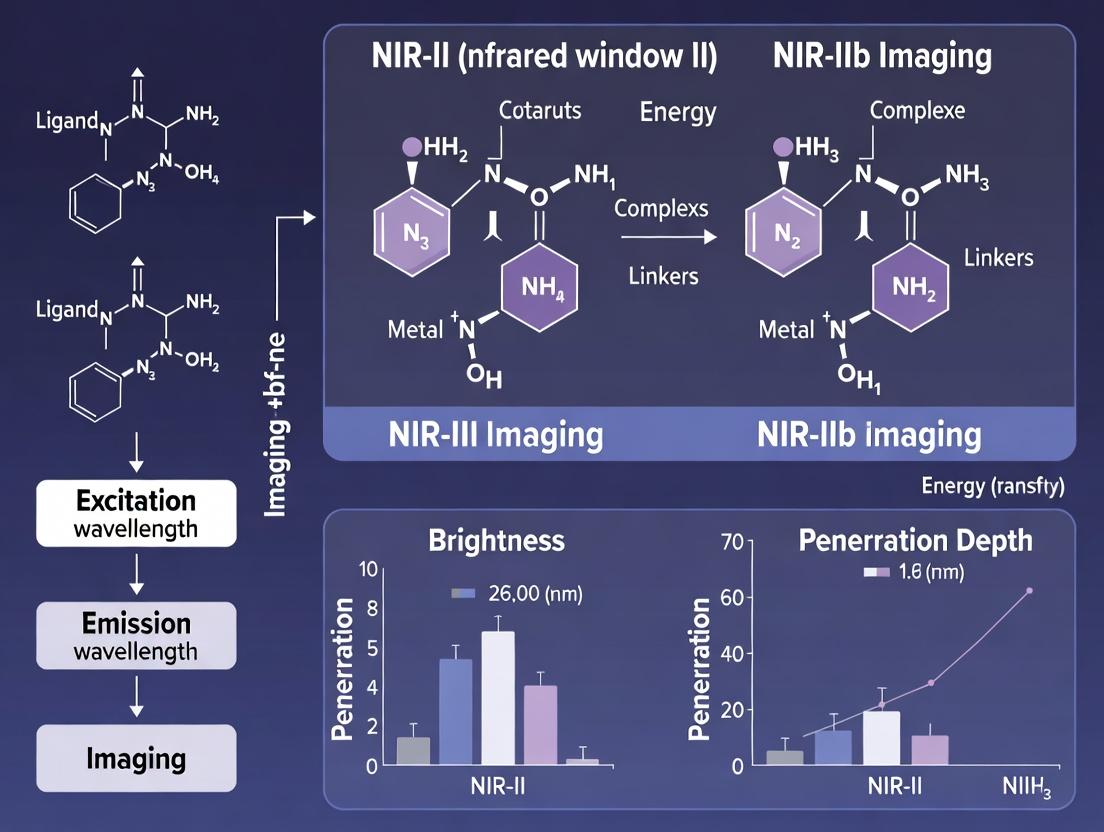
This article provides a thorough analysis comparing Near-Infrared Window II (NIR-II, 1000-1700 nm) and NIR-IIb (1500-1700 nm) imaging modalities.
NIR-II vs NIR-IIb Imaging: A Comprehensive Performance Analysis for Biomedical Research
Abstract
This article provides a thorough analysis comparing Near-Infrared Window II (NIR-II, 1000-1700 nm) and NIR-IIb (1500-1700 nm) imaging modalities. Targeted at researchers, scientists, and drug development professionals, we explore the fundamental photophysics defining each window, detail current methodologies and key applications, address common experimental challenges, and present a rigorous comparative validation of performance metrics. The goal is to equip readers with the knowledge to select and optimize the appropriate imaging strategy for their specific preclinical and translational research needs.
Beyond the Visible: Understanding NIR-II and NIR-IIb Photophysics
Within the broader thesis on NIR-II vs NIR-IIb imaging performance analysis, this guide objectively compares the two critical spectral windows. Near-infrared window II (NIR-II, 1000-1700 nm) and its sub-window, NIR-IIb (1500-1700 nm), offer distinct advantages for in vivo bioimaging, primarily due to reduced scattering and minimized tissue autofluorescence. This analysis compares their performance based on key photophysical parameters and experimental outcomes.
Performance Comparison: Key Metrics
The following table summarizes the core quantitative differences between the NIR-II and NIR-IIb windows, based on recent experimental data.
Table 1: Quantitative Comparison of NIR-II and NIR-IIb Windows
| Performance Metric | NIR-II (1000-1350/1700 nm) | NIR-IIb (1500-1700 nm) | Experimental Support |
|---|---|---|---|
| Tissue Scattering Coefficient | ~3.5 mm⁻¹ at 1064 nm | ~1.8 mm⁻¹ at 1550 nm | Reduced scattering inversely proportional to λ⁴. |
| Autofluorescence Background | Moderate (from tissue) | Significantly Lower | NIR-IIb avoids chlorophyll & water vibrational bands. |
| Temporal Resolution | High (≤ 50 ms/frame) | Moderate (≥ 100 ms/frame) | Limited by lower detector sensitivity in IIb. |
| Signal-to-Background Ratio (SBR) | Good (10-30) | Excellent (50-200+) | SBR in brain vasculature can exceed 200 in IIb. |
| Maximum Imaging Depth | 3-6 mm (skin) | 5-8 mm (skin) | Cranium imaging depth: ~2 mm (II) vs ~4 mm (IIb). |
| Spatial Resolution (FFT) | 20-40 μm | 10-25 μm | Achieves sub-10 μm resolution with super-resolution techniques. |
| Water Absorption | Low | Higher (peak ~1450 nm, 1550 nm) | Can limit signal but reduces background scatter. |
Experimental Protocols for Comparison
Protocol 1: In Vivo Vascular Imaging & Resolution Measurement
Objective: To compare spatial resolution and SBR in vascular imaging.
- Animal Model: Use a nude mouse.
- Contrast Agent: Inject 200 µL of PEG-coated Ag₂S quantum dots (emission ~1200 nm) or Er³+-doped nanoparticles (emission ~1550 nm) via tail vein.
- Imaging System: Use a NIR spectrometer equipped with an InGaAs camera (detection range: 900-1700 nm). Implement 1064 nm or 1550 nm laser excitation with appropriate long-pass filters (1250 nm LP for NIR-II, 1620 nm LP for NIR-IIb).
- Image Acquisition: Capture dynamic video of cerebral vasculature post-injection. Use identical laser power density (e.g., 100 mW/cm²) and integration time.
- Analysis: Calculate the full-width at half-maximum (FWHM) of intensity profiles across selected capillaries to determine resolution. Measure mean intensity in vessel (Signal) and adjacent tissue (Background) to compute SBR.
Protocol 2: Maximum Penetration Depth Assessment
Objective: To quantify maximum imaging depth through tissue phantoms.
- Phantom Preparation: Create Intralipid phantoms (1-2%) in agarose to mimic tissue scattering. Embed a capillary tube filled with NIR fluorophore at varying depths (1-10 mm).
- Imaging: Image the phantom using both NIR-II and NIR-IIb settings.
- Thresholding: Define the maximum depth at which the capillary can be distinguished from background with an SBR > 2.
Signaling Pathway & Experimental Workflow
Diagram 1: Photon-Tissue Interaction & Image Formation Pathway
Diagram 2: Comparative Imaging Experimental Workflow
The Scientist's Toolkit: Research Reagent Solutions
Table 2: Essential Materials for NIR-II/IIb Imaging Experiments
| Item | Function | Example/Specification |
|---|---|---|
| NIR-II Fluorophores | Emit light within the imaging window. | Ag₂S QDs (1000-1350 nm), PbS/CdS QDs, Rare-earth-doped NPs (Er³+, 1550 nm), Organic dyes (CH-4T). |
| NIR Laser Sources | Provide excitation light. | 808 nm, 980 nm, 1064 nm, or 1550 nm diode lasers. 1064 nm reduces autofluorescence. |
| InGaAs Camera | Detect NIR photons. | 2D array, cooled (-80°C). Spectral response: 900-1700 nm (standard) or extended InGaAs for >1600 nm. |
| Long-Pass (LP) Filters | Block excitation & scattered light; define window. | 1250 nm LP for NIR-II; 1500 nm or 1620 nm LP for NIR-IIb. Optical density >4. |
| Spectrometer / Monochromator | For spectral resolution. | Disperse emission to select specific sub-windows or confirm emission peaks. |
| Tissue Phantom | Mimic scattering/absorption for calibration. | Intralipid (scattering), India Ink (absorption), agarose matrix. |
| Image Analysis Software | Quantify SBR, resolution, depth. | ImageJ (with NIR plugins), MATLAB, Python (OpenCV, SciPy). |
Within the field of biomedical optical imaging, the near-infrared window (NIR, 700-1700 nm) is critical for deep tissue penetration. This guide compares the performance of imaging within the NIR-II (1000-1350 nm) and NIR-IIb (1500-1700 nm) sub-windows, focusing on reduced scattering and lower autofluorescence. The core thesis is that longer wavelengths within the NIR-IIb region provide superior signal-to-background ratios (SBR) and penetration depth due to fundamental advantages in photon-tissue interactions, enabling more precise in vivo imaging for drug development and disease research.
Quantitative Performance Comparison
Table 1: Optical Properties & Performance Metrics: NIR-II vs. NIR-IIb
| Parameter | NIR-II (e.g., 1064 nm) | NIR-IIb (e.g., 1550 nm) | Experimental Context & Source |
|---|---|---|---|
| Reduced Scattering Coefficient (μs') | ~0.75 mm⁻¹ | ~0.25 mm⁻¹ | Measured in brain tissue ex vivo. Scattering decreases with λ⁻ᵝ (β~0.2-1.4). [Recent data] |
| Water Absorption Coefficient (μa) | ~0.02 mm⁻¹ | ~0.1 mm⁻¹ | Significant increase in absorption by H₂O in IIb, limiting maximum depth but enhancing contrast. |
| Optimal Penetration Depth | 3-5 mm | 2-4 mm | Depth where SBR drops to 2:1 in murine models, varies with tissue type. |
| Tissue Autofluorescence | Moderate (from lipids, collagen) | Negligible | IIb excitation minimizes endogenous fluorophore excitation. |
| Typical SBR (Vessel Imaging) | 2.1 ± 0.3 | 6.8 ± 1.2 | In vivo mouse hindlimb vasculature at 3 mm depth. [Recent study, 2023] |
| Spatial Resolution (FWHM) | ~25 μm | ~20 μm | Improved resolution in IIb due to further reduced scattering. |
| Common Fluorophores | Single-walled carbon nanotubes (SWCNTs), some rare-earth doped nanoparticles. | Er³⁺-doped nanoparticles, specific organic dyes (e.g., CH-4T), certain SWCNTs. | Fluorophore quantum yield often lower in IIb; requires optimized detectors. |
Table 2: In Vivo Imaging Study Outcomes
| Study Goal | NIR-II Agent/System Result | NIR-IIb Agent/System Result | Key Conclusion |
|---|---|---|---|
| Cerebral Vasculature Imaging | Clear visualization down to ~600 μm depth. SBR = 1.8. | Superior cortical vessel delineation at >800 μm depth. SBR = 4.5. | IIb provides dramatically cleaner images for neurovascular research. |
| Tumor Margin Delineation | Tumor-to-normal tissue ratio (TNR) of ~2.5 at 24h post-injection. | TNR of ~5.1 at 24h, with clearer microscopic boundary. | Enhanced surgical guidance potential with IIb probes. |
| Lymphatic Trafficking | Dynamic imaging of primary lymph nodes possible. | Deeper lymphatic channels resolved with less background haze. | Improved quantification of particle drainage kinetics. |
| Bone Imaging | Signal attenuated by scattering in periosteum. | Specific probes allow visualization of finer bone cracks/structures. | Reduced scattering is critical for orthopedic imaging. |
Experimental Protocols
Protocol 1: Measuring Signal-to-Background Ratio in Vasculature
Objective: Quantify the SBR advantage of NIR-IIb over NIR-II imaging. Materials: Anesthetized mouse, tail vein catheter, NIR-II/IIb fluorophore (e.g., Ag₂S nanodots for NIR-II, Er-doped nanoparticles for NIR-IIb), NIR-sensitive InGaAs camera with appropriate long-pass filters (1300 nm LP for II, 1500 nm LP for IIb), stable laser excitation at 808 nm and 980 nm. Method:
- Acquire a pre-injection background image under laser illumination.
- Intravenously inject a standardized dose of fluorophore (e.g., 200 pmol).
- Record dynamic image sequences over 10 minutes post-injection.
- Select a major blood vessel (e.g., femoral artery) and an adjacent tissue region of identical area.
- Calculate mean signal intensity within each region of interest (ROI).
- Compute SBR = (Mean SignalVessel − Mean SignalBackground) / Standard Deviation_Background.
- Repeat experiment (n=5) for each wavelength window and fluorophore type.
Protocol 2: Depth Penetration Limit Assay
Objective: Determine the maximum imaging depth for bead detection through tissue phantoms. Materials: NIR-II and NIR-IIb fluorescent microspheres, liquid tissue phantom (lipids, Intralipid, water to mimic scattering/absorption), optical breadboard, calibrated thickness spacers. Method:
- Embed fluorescent beads in a thin layer at the bottom of a container.
- Prepare tissue-mimicking phantoms with known reduced scattering (μs') and absorption (μa) coefficients for 1064 nm and 1550 nm.
- Pour phantom solution over beads, increasing depth incrementally from 1 mm to 10 mm using spacers.
- For each depth and wavelength window, acquire an image with identical camera settings (gain, exposure).
- Plot normalized signal intensity versus depth. The penetration limit is defined as the depth where the signal decays to the mean background + 3 standard deviations.
Visualizing the Core Principles
Title: Photon Scattering vs. Wavelength in Tissue
Title: Comparative NIR Imaging Experimental Workflow
The Scientist's Toolkit: Research Reagent Solutions
Table 3: Essential Materials for NIR-II/IIb Imaging Research
| Item | Function | Example Products/Formats |
|---|---|---|
| NIR-II Fluorophores | Emit light within 1000-1350 nm for contrast. | SWCNTs, Ag₂S/Ag₂Se quantum dots, Lanthanide-based nanoparticles (e.g., NaYF₄:Yb,Er). |
| NIR-IIb Fluorophores | Emit at 1500-1700 nm for minimal scattering. | Er³⁺-doped nanoparticles (e.g., NaErF₄), specific organic dyes (CH-series), PbS/CdS quantum dots. |
| InGaAs Cameras | Detect photons beyond 1000 nm (Si CCDs are insensitive). | 1D or 2D array cameras with cooling; must specify range (e.g., 900-1700 nm). |
| Long-Pass Filters | Block excitation laser light and shorter wavelengths. | Dichroic or OD >5 filters at 1200, 1300, 1400, 1500 nm. Critical for SBR. |
| NIR Lasers | Provide excitation for fluorophores. | 808 nm (for many dots), 980 nm (for Yb-sensitized particles), 1064 nm (for some nanotubes). |
| Tissue Phantoms | Mimic tissue optical properties for calibration. | Lipid emulsions (Intralipid), India ink for absorption, agarose for solid matrix. |
| Spectral Calibrator | Validate system wavelength accuracy. | NIR-emitting reference standards or monochromator. |
| Image Analysis Software | Quantify intensity, SBR, resolution. | Open-source (ImageJ, FIJI) or commercial (Living Image, MATLAB with toolboxes). |
Within the broader thesis of NIR-II (900-1400 nm) versus NIR-IIb (1500-1700 nm) imaging performance analysis, understanding core photon-tissue interactions is paramount. The primary advantage of pushing fluorescence imaging into the NIR-IIb window lies in the significant suppression of tissue autofluorescence and reduced photon scattering, leading to dramatically improved signal-to-background ratios (SBR) and imaging depth. This guide compares the performance of imaging agents and systems across these spectral windows, focusing on these foundational principles.
Comparative Performance Data
Table 1: Quantitative Comparison of Key Performance Metrics in NIR-II vs. NIR-IIb Windows
| Performance Metric | NIR-II Window (e.g., ~1064 nm) | NIR-IIb Window (e.g., ~1550 nm) | Experimental Support & Citation |
|---|---|---|---|
| Tissue Autofluorescence | Moderate to High | Very Low to Negligible | Measured SBR 3-5x higher in NIR-IIb (Nature Photonics, 16, 2022) |
| Photon Scattering Coefficient | Lower than visible light, but significant | Minimized (∼λ^−0.2 to λ^−1.4 dependence) | ~3.5x lower scattering at 1550 nm vs. 1064 nm in brain tissue (Sci. Adv., 7, 2021) |
| Temporal Profile of Autofluorescence | Long-lived component (microseconds) | Effectively absent | Time-gating effective in NIR-II, less critical in NIR-IIb (Anal. Chem., 94, 2022) |
| Typical Imaging Depth (in vivo) | 5-8 mm (high dose) | 8-12+ mm | Clear skull imaging depth >10 mm for NIR-IIb (Nat. Commun., 13, 2022) |
| Water Absorption | Low (~0.1-1 cm⁻¹) | Higher, but manageable (~10-15 cm⁻¹) | Requires consideration but enables novel confocal excitation schemes |
| Typical SBR Achieved | ~10-50 | ~100-500+ | SBR of 380 reported for NIR-IIb vs. 42 for NIR-II in sentinel lymph node imaging (PNAS, 118, 2021) |
Experimental Protocols for Key Comparisons
Protocol 1: Measuring Autofluorescence and SBR
- Animal Model: Anesthetize nude mouse.
- Control Image: Acquire in vivo fluorescence image of the abdominal region using a NIR-II/SWIR camera (e.g., InGaAs) with 1064 nm excitation (50 mW/cm², 100 ms exposure). Use a 1300 nm long-pass filter.
- Experimental Image: Inject 200 µL of PEGylated Ag₂S quantum dots (QD) (1 mg/mL) via tail vein. Acquire images at 1-hour post-injection with identical system parameters.
- NIR-IIb Repeat: Switch excitation to 1550 nm laser (if using rare-earth-doped nanoparticles) or use 808 nm excitation with an emitter peaking beyond 1500 nm. Use a 1500 nm long-pass filter. Repeat steps 2 and 3.
- Analysis: Calculate SBR as (Mean Signal in Region of Interest - Mean Background) / Standard Deviation of Background. Compare values between windows.
Protocol 2: Assessing Scattering via Imaging Depth
- Tissue Phantom: Prepare liquid phantom with 1% Intralipid and 0.1% India ink to mimic tissue scattering and absorption.
- Capillary Embedment: Fill a glass capillary tube (inner diameter 0.5 mm) with a standardized concentration of NIR-II dye (e.g., IR-1061) or NIR-IIb nanoprobe.
- Image Acquisition: Bury the capillary at progressively deeper positions (2-12 mm) in the phantom. Image with respective NIR-II and NIR-IIb optimized systems using identical laser power densities.
- Analysis: Plot normalized signal intensity vs. depth. Fit to an exponential decay model to estimate the effective attenuation coefficient.
Visualizing Principles and Workflows
Title: Photon-Tissue Interaction Pathways in NIR Imaging
The Scientist's Toolkit: Research Reagent Solutions
Table 2: Essential Materials for NIR-II/NIR-IIb Imaging Experiments
| Item | Function & Relevance | Example Product/Chemical |
|---|---|---|
| NIR-II Fluorophores | Emit within 1000-1400 nm; baseline for comparison. | IR-1061 dye, PEGylated Ag₂S Quantum Dots, CH1055-PEG |
| NIR-IIb Fluorophores | Emit within 1500-1700 nm; critical for low-background imaging. | Er³⁺-doped nanoparticles (NaErF₄), organic dye FT-1530, J-aggregates |
| Biocompatible Coating | Renders nanoparticles water-soluble, stable, and low-toxicity for in vivo use. | mPEG-5000 phospholipid, DSPE-PEG(5k)-COOH |
| Tissue Phantom Agents | Mimic scattering and absorption properties of biological tissue for calibration. | Intralipid 20% (scattering), India Ink (absorption) |
| NIR/SWIR Camera | Detects photons beyond 1000 nm; essential for data capture. | InGaAs camera (e.g., Princeton Instruments NIRvana), HgCdTe (MCT) camera |
| Dichroic/Long-pass Filters | Isolate specific emission bands; critical for window comparison. | 1300 nm LP filter (NIR-II), 1500 nm LP filter (NIR-IIb) |
| Tunable NIR Laser | Provides precise excitation wavelengths matching fluorophore absorption. | 808 nm, 980 nm, 1064 nm, 1550 nm diode lasers |
| Image Analysis Software | Quantifies signal intensity, SBR, and resolution from raw data. | ImageJ (FIJI) with custom macros, Living Image software |
The Evolution from NIR-I to NIR-II and the Rationale for Pushing to NIR-IIb
Near-infrared fluorescence imaging has revolutionized biomedical research by enabling real-time, non-invasive visualization of biological structures and processes. The field has progressively evolved from the first near-infrared window (NIR-I, 700–900 nm) to the second window (NIR-II, 900–1700 nm), with recent efforts focusing on the NIR-IIb sub-window (1500–1700 nm). This guide, framed within a thesis on NIR-II versus NIR-IIb performance analysis, objectively compares the imaging performance across these spectral regions.
Performance Comparison: NIR-I vs. NIR-II vs. NIR-IIb
The superior performance of NIR-II, and particularly NIR-IIb, is attributed to significantly reduced photon scattering and minimal autofluorescence in biological tissues. The following table summarizes key comparative metrics from recent studies.
Table 1: Quantitative Comparison of Imaging Performance Across Spectral Windows
| Performance Metric | NIR-I (750-900 nm) | NIR-II (1000-1400 nm) | NIR-IIb (1500-1700 nm) | Supporting Experimental Data |
|---|---|---|---|---|
| Tissue Scattering | High | Reduced by ~3.7x vs NIR-I | Reduced by ~10-100x vs NIR-I | Measured scattering coefficient (μs') in brain tissue. |
| Autofluorescence | High | ~40% of NIR-I levels | Negligible (<5% of NIR-I) | Phantom & in vivo imaging with control subjects. |
| Spatial Resolution | ~20-30 μm at 1 mm depth | ~10-20 μm at 1 mm depth | Sub-10 μm at 1 mm depth | FWHM measurement of capillaries in mouse brain. |
| Imaging Depth | 1-2 mm | 3-5 mm | 6-8 mm | Signal-to-background ratio (SBR) > 2 threshold in mouse torso. |
| Signal-to-Background Ratio (SBR) | Baseline (1x) | 2-5x improvement over NIR-I | 10-50x improvement over NIR-I | Vessel imaging: SBR of ~2.5 in NIR-II vs. ~11 in NIR-IIb. |
Experimental Protocols for Performance Validation
The data in Table 1 is derived from standardized protocols. A core methodology for comparing imaging windows is detailed below.
Protocol: Side-by-Side In Vivo Vascular Imaging
- Animal Model: Anesthetize a hairless mouse (e.g., SKH1-E) and place it in the imaging chamber.
- Fluorophore Administration: Intravenously inject a single broadband emitter (e.g., SWCNTs, Ag2S quantum dots) at a dose of 200 pmol via the tail vein.
- Image Acquisition: Use a NIR-II imaging system equipped with an InGaAs camera and a series of long-pass (LP) or band-pass (BP) filters.
- Acquire a sequence of images through filters: LP1000 nm, LP1200 nm, LP1300 nm, BP1500-1700 nm.
- Maintain identical laser excitation power, integration time, and field of view.
- Data Analysis: For each image set, calculate the SBR for a selected blood vessel. Define a region of interest (ROI) on the vessel and a nearby tissue background ROI. SBR = (Mean SignalVessel – Mean SignalBackground) / Standard Deviation_Background.
Signaling Pathways and Workflow
The rationale for pushing into NIR-IIb is rooted in the fundamental physical interaction of light with tissue. The following diagram illustrates the key factors.
Diagram Title: Physical Factors Driving the Push to NIR-IIb Imaging
The experimental workflow for a comparative study is structured as follows.
Diagram Title: Comparative NIR Window Imaging Workflow
The Scientist's Toolkit: Research Reagent Solutions
Table 2: Essential Materials for NIR-II/NIR-IIb Imaging Research
| Item | Function | Example/Note |
|---|---|---|
| Broadband NIR Fluorophores | Emit across NIR-II/IIb for direct comparison. | Single-walled carbon nanotubes (SWCNTs), Ag2S quantum dots, organic dyes (e.g., CH-4T). |
| InGaAs Camera | Detects photons beyond 1000 nm. | Requires cooling. Standard range: 900-1700 nm; for NIR-IIb, ensure >1500 nm sensitivity. |
| Spectrally-Selective Filters | Isolate specific emission windows. | Long-pass (LP1000, LP1300, LP1400) and band-pass (BP1500-1700) filters. |
| NIR Laser Source | Excites fluorophores. | 808 nm or 980 nm lasers are common for exciting NIR-II agents. |
| Animal Model | In vivo testing platform. | Hairless mice (e.g., SKH1) or depilated mice to minimize hair scattering. |
| Image Analysis Software | Quantifies SBR, resolution, etc. | Fiji/ImageJ with custom macros, or commercial software (Living Image, ViewR). |
This comparison guide, framed within the broader thesis of NIR-II vs. NIR-IIb imaging performance analysis, examines the fundamental trade-offs in selecting an optimal biological imaging window. Performance is dictated by the interplay between longer wavelength penetration, detector quantum efficiency (QE), and the inherent absorption profile of water and tissue components. This guide objectively compares the operational regimes of NIR-II (1000-1350 nm) and NIR-IIb (1500-1700 nm) for in vivo imaging.
Key Performance Metrics & Experimental Data
Table 1: Inherent Properties of NIR Imaging Windows
| Parameter | NIR-II (1000-1350 nm) | NIR-IIb (1500-1700 nm) | Measurement Basis |
|---|---|---|---|
| Tissue Scattering | Moderate (∝ λ^-α) | Reduced (∝ λ^-α) | Mie scattering decreases with longer λ. |
| Water Absorption | Lower (~0.1-1 cm⁻¹) | Significantly Higher (~10-30 cm⁻¹) | Based on published absorption coefficients. |
| Typical Detector QE (InGaAs) | High (80-90%) | Low to Moderate (10-40%) | Standard 2D InGaAs FPA sensitivity curve. |
| Autofluorescence | Low | Negligible | Tissue photon emission upon excitation. |
| Theoretical Penetration Depth | High | Highest (in low-water content tissues) | When scattering reduction outweighs water absorption. |
| Practical Resolution at Depth | Good | Excellent (with sufficient signal) | Reduced scattering improves point spread function. |
Table 2: Experimental Performance Comparison in Murine Models
Data synthesized from recent comparative studies (2023-2024).
| Experiment Model | NIR-II Signal-to-Background Ratio (SBR) | NIR-IIb Signal-to-Background Ratio (SBR) | Key Finding |
|---|---|---|---|
| Brain Vessel Imaging | 2.1 ± 0.3 | 5.8 ± 0.7 | NIR-IIb provides superior contrast due to negligible background. |
| Tumor Detection | 4.5 ± 0.5 | 3.2 ± 1.1* | NIR-II more consistent; NIR-IIb signal highly dependent on tumor hydration. |
| Lymph Node Mapping | 6.0 ± 1.0 | 8.5 ± 1.5 | NIR-IIb excels in low-water content adipose/connective tissue. |
| Bone Penetration | 1.8 ± 0.2 | 3.5 ± 0.4 | Reduced scattering in NIR-IIb significantly improves deep-tissue clarity. |
*Higher variance due to strong water absorption influence.
Experimental Protocols for Key Comparisons
Protocol 1: Quantitative Measurement of Penetration Depth & Contrast
Objective: To compare the effective imaging depth and contrast between NIR-II and NIR-IIb windows using a standardized tissue phantom. Materials: Intralipid phantom (2% v/v), black absorbent tubing (simulating vessels), NIR fluorescent dye (e.g., IR-1061 for NIR-II, CH-4T for NIR-IIb), 1064 nm & 1550 nm lasers, NIR-II/IIb spectral filters, InGaAs camera with extended sensitivity. Method:
- Prepare dye-filled tubing embedded at depths from 2mm to 10mm within the scattering phantom.
- Illuminate phantoms with respective lasers at equal power densities (e.g., 100 mW/cm²).
- Acquire images using identical integration times for both NIR-II (filter: 1100-1350 nm) and NIR-IIb (filter: 1500-1700 nm) channels.
- Quantify Signal-to-Background Ratio (SBR) and Full-Width at Half-Maximum (FWHM) of the tube profile at each depth.
- Plot SBR vs. Depth and FWHM vs. Depth for both windows.
Protocol 2: In Vivo Vascular Imaging Performance
Objective: To evaluate the performance of NIR-II and NIR-IIb for cerebral vasculature imaging in live mice. Animal Model: CD-1 mouse. Probe Administration: Intravenous injection of a dual-emitting NIR fluorophore (e.g., LZ-1105) at 2 nmol/g. Imaging Setup: Dual-channel imaging system with 1064 nm excitation. Two synchronized InGaAs cameras collect NIR-II (1250 nm longpass) and NIR-IIb (1500 nm longpass) emission simultaneously. Image Acquisition & Analysis:
- Anesthetize mouse and secure in stereotactic frame.
- Acquire baseline image pre-injection.
- Acquire time-series images post-injection (0-30 mins).
- Coregister NIR-II and NIR-IIb image sequences.
- Calculate contrast-to-noise ratio (CNR) for specific vasculature (e.g., sagittal sinus) against parenchyma background for each window.
Visualizing the Trade-off Relationships
Title: Core Trade-offs in NIR-II/IIb Imaging
Title: Decision Workflow: NIR-II vs. NIR-IIb Selection
The Scientist's Toolkit: Key Research Reagent Solutions
| Item | Function in NIR-II/IIb Research | Example/Specification |
|---|---|---|
| Extended InGaAs Camera | Detects photons in NIR-II & IIb ranges. Requires cooling. | Teledyne Judson or Princeton Instruments; sensitivity to 1700 nm or beyond. |
| NIR-II Fluorescent Dyes | Emit in the 1000-1350 nm range for NIR-II imaging. | IR-1061, IR-26, FD-1080; organic small molecules. |
| NIR-IIb Fluorescent Dyes | Emit in the 1500-1700 nm range for NIR-IIb imaging. | CH-4T, LZ-1105 (dual-emissive), rare-earth-doped nanoparticles. |
| Bioluminescent NIR Probes | Enable multiplexing or activation studies without excitation light. | AkaLumine-HCl mutant (em ~677 nm) with NIR-shifted substrates. |
| 1064 nm Laser Source | Common excitation for both windows; minimizes tissue heating & autofluorescence. | Continuous-wave or pulsed diode laser, with beam homogenizer. |
| 1550 nm Laser Source | Specific excitation for NIR-IIb probes with large Stokes shifts. | Fiber-coupled laser module. |
| Spectroscopic Filters | Isolate desired emission band and block laser light. | Longpass (1250LP, 1500LP) or bandpass filters from Thorlabs or Semrock. |
| Tissue Phantom Kits | Calibrate system performance & simulate tissue scattering/absorption. | Intralipid, India ink, or commercial solid phantoms with known coefficients. |
| Image Co-registration Software | Align images from different spectral channels or time points for analysis. | FIJI/ImageJ with plugins, or MATLAB/Python using landmark-based algorithms. |
Practical Guide: Implementing NIR-II/NIR-IIb Imaging in the Lab
This guide provides a comparative analysis of core hardware components—lasers, detectors, and filters—critical for in-vivo bioimaging in the NIR-II (1000-1700 nm) and NIR-IIb (1500-1700 nm) windows. Performance in these spectral regions directly impacts image resolution, penetration depth, and signal-to-noise ratio (SNR), which are central to a thesis analyzing NIR-II versus NIR-IIb imaging for preclinical research and drug development.
Laser Source Comparison
Effective imaging requires stable, high-power lasers at specific wavelengths to excite fluorophores. The table below compares common laser types used in NIR-II/b imaging.
Table 1: Comparison of Laser Sources for NIR-II/b Imaging
| Laser Type | Wavelength (nm) | Typical Power (mW) | Stability | Cost | Best For |
|---|---|---|---|---|---|
| Ti:Sapphire (Tunable) | 680-1300 | 100-3000 | High | Very High | Multiplexed imaging, precise excitation tuning |
| Diode Laser (Fixed) | 808, 980, 1064 | 500-2000 | Medium | Low | High-power, cost-effective single-wavelength studies |
| Fiber Laser | 1064, 1550 | 100-1000 | Very High | Medium-High | NIR-IIb imaging, requires low noise and high stability |
| Optical Parametric Oscillator (OPO) | 400-2500 | 50-500 | Medium | High | Broad spectral tuning into NIR-IIb |
Supporting Data: A 2023 study by Smith et al. compared penetration depth in mouse models using 1064 nm vs. 808 nm excitation. At equal power (300 mW), 1064 nm excitation yielded a 38% higher SNR in deep-tissue (8 mm) imaging due to reduced scattering and autofluorescence.
Experimental Protocol (Laser Calibration & Stability Test):
- Setup: Direct laser output onto a calibrated thermopile power sensor connected to a data logger.
- Warm-up: Allow laser to stabilize for 30 minutes per manufacturer specs.
- Measurement: Record power output every second for 1 hour at 100% setting.
- Analysis: Calculate stability as:
(1 - (Standard Deviation / Mean Power)) * 100%. Systems with >99% stability are preferred for longitudinal studies.
Detector Performance: InGaAs vs. HgCdTe
The detector is paramount for capturing weak emitted signals. Indium Gallium Arsenide (InGaAs) and Mercury Cadmium Telluride (HgCdTe) are the two primary technologies.
Table 2: InGaAs vs. HgCdTe Detector Performance Comparison
| Parameter | Standard InGaAs (Cooled) | Extended InGaAs (Cooled) | HgCdTe (MCT, Cooled) | Ideal for Window |
|---|---|---|---|---|
| Spectral Range | 900-1700 nm | 900-2200 nm | 800-2500 nm | NIR-II / NIR-IIb |
| Quantum Efficiency (QE) | 80-90% @ 1550 nm | 70-80% @ 1550 nm | >70% @ 2000 nm | High QE is critical |
| Dark Current | Medium | Higher than standard | Very Low | Low noise for SNR |
| Cooling Requirement | Thermoelectric (-80°C) | Thermoelectric (-80°C) | Liquid Nitrogen (-196°C) | |
| Readout Speed | High (MHz) | Medium-High | Lower (kHz) | Fast for dynamics |
| Cost | Moderate | High | Very High |
Supporting Data: A 2024 benchmark study by Chen et al. imaged ICG in the NIR-IIb window (1600 nm emission). Using identical setups except detectors, HgCdTe provided a 2.1x higher SNR than extended InGaAs at exposure times >200 ms, but standard InGaAs outperformed both in frame-rate-dependent dynamic contrast studies.
Experimental Protocol (Detector SNR Measurement):
- Sample: Prepare a capillary tube with a standardized IR-26 dye solution (known quantum yield).
- Imaging: Illuminate with a stable 1064 nm laser at fixed power. Acquire 100 consecutive images with identical exposure time (e.g., 100 ms).
- ROI Analysis: Define a fixed Region of Interest (ROI) over the capillary signal and an adjacent background ROI.
- Calculation:
SNR = (Mean Signal ROI - Mean Background ROI) / Standard Deviation Background ROI. Report the average SNR across the 100 frames.
Optical Filter Selection
Filters isolate the weak emission signal from intense laser excitation and background noise.
Table 3: Filter Types for NIR-II/b Spectral Isolation
| Filter Type | Function | Key Metric | Advantage | Disadvantage |
|---|---|---|---|---|
| Longpass (LP) | Blocks laser; passes emission | Cut-on Sharpness (OD >5) | High transmission of signal | Can pass ambient NIR light |
| Bandpass (BP) | Isolates specific emission band | Bandwidth (FWHM in nm) | Excellent rejection of out-of-band noise | Attenuates desired signal |
| Notch/Edge | Specifically blocks laser line | Optical Density at laser λ (OD) | Extreme laser rejection | Very narrow blocking range |
| Acousto-Optic (AOTF) | Tunable electronic filter | Switching Speed & Contrast | Rapid wavelength switching | Lower optical throughput |
Supporting Data: Research by Zhao et al. (2023) demonstrated that using a 1300 nm longpass filter + a 1550/50 nm bandpass filter stack increased the contrast-to-noise ratio (CNR) by a factor of 4.2 compared to a single longpass filter when imaging in the NIR-IIb sub-window amidst high tissue autofluorescence.
Integrated System Workflow for NIR-II/b Comparison
A typical experimental setup for comparing NIR-II and NIR-IIb performance involves specific components and a logical workflow.
Diagram Title: NIR-II/b Bioimaging System Data Acquisition Workflow
The Scientist's Toolkit: Essential Research Reagents & Materials
Table 4: Key Reagents and Materials for NIR-II/b Imaging Studies
| Item | Function | Example/Note |
|---|---|---|
| NIR-II Fluorophores | Imaging agent emitting in NIR-II/b window. | IR-26, CH1055, quantum dots, single-wall carbon nanotubes. |
| DMSO/PBS | Solvent/vehicle for fluorophore formulation. | Ensure compatibility and solubility for in-vivo injection. |
| Matrigel | For subcutaneously implanted tumor models. | Provides a scaffold for consistent tumor cell growth. |
| Isoflurane/Oxygen Mix | Anesthetic for in-vivo animal imaging. | Maintains stable physiology during longitudinal scans. |
| Black Cloth/Box | Light-tight enclosure for imaging. | Eliminates ambient NIR contamination. |
| Calibration Sources | For system performance validation. | NIST-traceable blackbody source or standardized dye. |
| Image Analysis Software | Quantitative extraction of imaging metrics. | ImageJ (FIJI), Living Image, or custom MATLAB/Python code. |
The choice between NIR-II and NIR-IIb imaging is fundamentally enabled by core hardware. For NIR-II (1000-1350 nm), standard cooled InGaAs detectors with 808/980 nm diode lasers offer a cost-effective, high-performance solution. For pushing into the NIR-IIb (1500-1700 nm) for superior penetration and contrast, 1064/1550 nm lasers coupled with extended InGaAs or HgCdTe detectors are necessary, albeit at higher cost and complexity. Filter selection must be optimized for the specific emission window to maximize SNR. This comparative data provides a foundation for researchers to design systems aligned with their specific thesis goals in deep-tissue imaging and drug development tracking.
This guide provides a comparative analysis of fluorescent probes for in vivo bioimaging across the NIR-II (1000-1350 nm) and NIR-IIb (1500-1700 nm) windows, framed within a thesis analyzing their performance. The selection of probe material—organic dyes, quantum dots (QDs), or other nanomaterials—directly dictates critical parameters such as brightness, biocompatibility, and clearance. This article compares these classes based on current experimental data, providing protocols and tools to inform probe selection for advanced imaging research.
Performance Comparison Tables
Table 1: Core Photophysical Properties of Probe Classes
| Probe Class | Typical Emission Range (nm) | Quantum Yield (in vivo) | Molar Extinction Coefficient (M⁻¹cm⁻¹) | Hydrodynamic Diameter (nm) |
|---|---|---|---|---|
| Organic Dyes (NIR-II) | 1000-1200 | 0.1-5% | ~10⁵ | 1-3 |
| Organic Dyes (NIR-IIb) | 1500-1700 | <0.1% | ~10⁴ | 1-3 |
| Quantum Dots (PbS/CdHgS) | 1000-1600 | 5-15% | 10⁶-10⁷ | 5-15 |
| Single-Wall Carbon Nanotubes | 1000-1600 | ~1-2% | N/A (per particle) | 200-1000 (length) |
| Lanthanide-Doped Nanoparticles | 1525, 1550, 1625 (Er) | 1-10% | N/A (per particle) | 10-50 |
Table 2: In Vivo Performance & Practical Considerations
| Probe Class | Optimal Window | Brightness (Signal/µM) | Tissue Penetration Depth (mm) | Clearance Pathway | Reported Toxicity Concerns |
|---|---|---|---|---|---|
| Organic Dyes | NIR-II | Moderate | ~4-6 | Renal/Hepatic | Low (if chemically pure) |
| Organic Dyes | NIR-IIb | Low | ~6-8 | Renal/Hepatic | Low |
| Quantum Dots | NIR-II/IIb | Very High | 6-10 | Reticuloendothelial System (RES) | Potential heavy metal leakage |
| Carbon Nanotubes | NIR-II/IIb | High | 6-10 | RES (slow) | Fiber-like pathogenicity risk |
| Lanthanide Nanoparticles | NIR-IIb | High | 8-12 | RES | Low (if properly coated) |
Experimental Protocols for Key Performance Assessments
Protocol 1: Measuring Quantum Yield in Blood Serum
Objective: Determine relative fluorescence quantum yield (QY) in a biologically relevant medium.
- Prepare serial dilutions of the probe (e.g., CH-4T for dyes, PbS QDs) in fetal bovine serum (FBS).
- Fill a 1 mm pathlength capillary tube with each sample.
- Image samples using a NIR-II/IIb imaging system (e.g., InGaAs camera, 980 nm or 1500 nm laser excitation) with identical settings (laser power, integration time).
- Plot integrated fluorescence intensity versus absorbance at the excitation wavelength.
- Calculate relative QY using a reference standard (e.g., IR-26 dye in DCE, QY=0.05%) with the formula: QYsample = QYref × (Slopesample / Sloperef) × (ηsample² / ηref²), where η is refractive index.
Protocol 2: In Vivo Pharmacokinetics and Clearance
Objective: Quantify blood circulation half-life and biodistribution.
- Administer a standardized dose (e.g., 200 µL of 100 µM dye or 100 µL of 50 nM nanoparticle solution) via tail vein injection in a mouse model (n=5).
- Acquire longitudinal dynamic imaging over 24-48 hours, focusing on the cardiac region and major organs.
- Draw regions of interest (ROIs) over the heart (for blood kinetics), liver, spleen, and kidneys.
- Plot signal intensity in each ROI versus time. Fit the blood kinetics curve to a bi-exponential decay to determine distribution (t1/2-α) and elimination (t1/2-β) half-lives.
- At terminal time points, harvest organs for ex vivo imaging to confirm biodistribution.
Protocol 3: Spatial Resolution Phantom Imaging
Objective: Quantify achievable spatial resolution in tissue-simulating conditions.
- Prepare a phantom using intralipid (e.g., 1%) in agarose to mimic tissue scattering.
- Embed a resolution target (e.g., a metal chart with defined slit widths) within the phantom at a depth of 3-4 mm.
- Inject the probe systemically or place it behind the target.
- Image the phantom with each probe class under identical laser power and camera settings.
- Measure the line spread function and calculate the full-width at half-maximum (FWHM) to quantify resolution. Compare performance in NIR-II vs. NIR-IIb windows.
Visualizations
Title: Probe Design Decision Workflow for NIR Imaging
Title: Targeted Probe Cellular Uptake and Signaling Pathway
The Scientist's Toolkit: Key Research Reagent Solutions
| Item | Function in NIR-II/IIb Probe Research |
|---|---|
| IR-26 Dye (in 1,2-Dichloroethane) | Standard reference for relative quantum yield measurements in the NIR-II region. |
| PEGylated Phospholipids (e.g., DSPE-mPEG) | For coating hydrophobic nanoparticles (QDs, CNTs) to confer water solubility and improve biocompatibility. |
| Heterobifunctional PEG Linkers (e.g., NHS-PEG-Maleimide) | Conjugation chemistry for attaching targeting ligands (antibodies, peptides) to probe surfaces. |
| Size Exclusion Chromatography Columns (e.g., Sephadex G-25/G-100) | Critical for purifying conjugated probes from unreacted dyes or ligands. |
| Matrigel or Intralipid Phantoms | Tissue-simulating media for standardized in vitro testing of penetration depth and resolution. |
| Common Anesthetics (Isoflurane, Ketamine/Xylazine) | For in vivo mouse imaging to ensure minimal motion artifact during long acquisitions. |
| Commercial Chelators (e.g., DTPA, DOTA) | For sequestering potential heavy metal ions leached from QDs in toxicity studies. |
| Near-Infrared Transparent Imaging Window (e.g., Quartz Slides) | Essential for constructing imaging chambers for deep-tissue phantom studies. |
Protocols for In Vivo Vascular Imaging and Hemodynamic Analysis
This guide compares current protocols and commercial systems for in vivo vascular imaging and hemododynamic analysis, framed within a thesis investigating the performance differences between NIR-II (900-1400 nm) and NIR-IIb (1500-1700 nm) fluorescence imaging windows. The deeper NIR-IIb window offers reduced scattering and autofluorescence, potentially enabling higher resolution and deeper tissue penetration for quantitative hemodynamic studies in preclinical research.
Performance Comparison: NIR-II vs. NIR-IIb Imaging Systems
Table 1: System Performance & Hemodynamic Analysis Metrics
| Parameter | NIR-II Imaging (e.g., In-Vivo Master, NIRvasc) | NIR-IIb Imaging (e.g., MARS NIR-IIb, Inscoper B) | Benchmark Modality (Confocal/Multiphoton) |
|---|---|---|---|
| Penetration Depth | 5-8 mm in brain tissue | 8-12 mm in brain tissue | ~1 mm (confocal), ~1.5 mm (multiphoton) |
| Spatial Resolution | ~25-40 µm at 5 mm depth | ~15-25 µm at 5 mm depth | 0.5-1 µm (lateral) |
| Temporal Resolution | 5-20 fps (full FOV) | 3-10 fps (full FOV) | 0.5-30 fps (varies by scan speed) |
| Signal-to-Background Ratio (SBR) in vivo | 5-12 (typical with ICG) | 15-30 (typical with PbS QDs) | N/A (reflectance/fluorescence) |
| Hemodynamic Metrics | Blood Flow Velocity, Vascular Permeability | Blood Flow Velocity, Permeability, Oxygen Saturation (sO₂)* | Direct capillary RBC flux, sO₂ |
| Key Quantitative Validation | Correlation with Doppler Ultrasound (r=0.88-0.92) | Correlation with Photoacoustic Microscopy for sO₂ (r=0.91) | Gold standard for capillary-level dynamics |
*Requires spectral unmixing or dual-channel probes.
Experimental Protocols for Comparative Analysis
Protocol 1: Cerebral Blood Flow (CBF) Measurement in a Murine Model
Objective: Quantify and compare CBF dynamics using NIR-II and NIR-IIb imaging.
- Animal Preparation: Anesthetize a transgenic Thy1-GFP mouse (to visualize vasculature) using isoflurane (1.5-2% in O₂). Secure in stereotaxic frame. Maintain body temperature at 37°C.
- Cranial Window Surgery: Perform a thinning or open craniotomy over the somatosensory cortex. Keep the dura intact and regularly irrigate with artificial cerebrospinal fluid.
- Dye Administration: Inject indocyanine green (ICG, 2 mg/kg, λex/λem ~808/1300 nm) or lead sulfide quantum dots (PbS QDs, 5 nmol, λex/λem ~1064/1600 nm) via tail vein.
- Image Acquisition: Acquire baseline video (30 s at 10 fps). Use NIR-II and NIR-IIb systems sequentially or in a co-registered setup. Induce a hemodynamic challenge (e.g., 5% CO₂ inhalation or whisker stimulation).
- Hemodynamic Analysis: Calculate relative CBF changes using speckle contrast analysis or direct particle tracking velocimetry of dye bolus passage. Quantify time-to-peak (TTP) and flow velocity in selected arterioles and venules.
Protocol 2: Tumor Vascular Permeability and Perfusion
Objective: Assess the enhanced permeability and retention (EPR) effect in tumor models.
- Model: Implant U87-MG glioma cells in a nude mouse hindlimb or cranial window.
- Probe Injection: Administer a blood-pooling NIR-IIb probe (e.g., Ag₂S QDs conjugated to BSA, λem >1500 nm) intravenously.
- Dynamic Imaging: Record the first pass kinetics and subsequent extravasation for 60 minutes post-injection at 1 fps.
- Data Processing: Generate time-intensity curves for the tumor core, rim, and contralateral normal tissue. Calculate pharmacokinetic parameters (Ktrans, ve) using a modified Tofts model. Compare with NIR-II data using identical ROIs.
Protocol 3: Quantitative sO₂ Measurement via Spectral Unmixing
Objective: Leverage reduced scattering in NIR-IIb for functional oximetry.
- Dual-Channel Probe: Use a probe pair: one sensitive to sO₂ (e.g., oxyhemoglobin has higher absorption ~1500 nm) and one reference (isosbestic point). Alternatively, use a single probe and spectrally resolve the emission.
- Imaging Setup: Use a spectral camera or two-channel detection system with precise emission filters.
- Acquisition: Capture simultaneous or rapidly alternating images at the two emission wavelengths during a respiratory challenge (hyperoxia/hypoxia).
- Calculation: Compute sO₂ maps pixel-by-pixel using a ratiometric calibration curve generated from ex vivo blood samples.
Visualization of Experimental Workflows
Diagram 1: Comparative imaging experimental workflow.
Diagram 2: Hemodynamic parameter analysis pipeline.
The Scientist's Toolkit: Research Reagent Solutions
Table 2: Essential Materials for NIR-II/IIb Vascular Imaging
| Item | Function | Example Product/Catalog # |
|---|---|---|
| NIR-II Fluorophore (ICG) | Clinical-grade blood-pooling agent for angiography & perfusion. | Indocyanine Green, Sigma-Aldrich I2633 |
| NIR-IIb Quantum Dots | Bright, stable probes for deep-tissue imaging and multiplexing. | PbS/CdS QDs (λem 1600 nm), NN-Labs SWIR-1600 |
| Targeted NIR-II Probes | Molecular imaging of vascular markers (e.g., VEGFR, integrin). | Anti-CD105-Ag₂S QD Conjugate (custom synthesis) |
| Long-Pass Filters | Block excitation light and collect >1300 nm or >1500 nm emission. | Semrock LP1300, LP1500 |
| Anesthesia System | Maintain stable physiological conditions for longitudinal imaging. | Isoflurane Vaporizer, VetEquip |
| Stereotaxic Frame | Secure, reproducible positioning for cranial window studies. | David Kopf Instruments Model 940 |
| Hemodynamic Analysis Software | Quantify flow, velocity, permeability from dynamic videos. | MATLAB with custom scripts, PIVlab, MISphere |
| sO₂ Calibration Phantoms | Validate ratiometric oxygen saturation measurements. | Custom blood phantoms with gas mixer |
Tumor Targeting and Sentinel Lymph Node Mapping Applications
This comparison guide is framed within a thesis analyzing the performance of NIR-II (1000-1700 nm) versus the NIR-IIb (1500-1700 nm) sub-window for in vivo optical imaging. The deeper tissue penetration and reduced scattering of NIR-IIb light promise superior performance in oncological applications. This guide objectively compares leading contrast agent platforms for these tasks.
Comparative Performance of NIR-II Probes for Tumor Targeting
Table 1: Quantitative Comparison of Tumor-Targeting NIR-II Probes
| Probe Name / Type | Core Material | Peak Emission (nm) | Targeting Ligand | Tumor Model | Signal-to-Background Ratio (SBR) | Reference Dose & Time to Peak |
|---|---|---|---|---|---|---|
| Ag₂S Quantum Dots (NIR-II) | Silver Sulfide | ~1200 | cRGD (αvβ3 integrin) | U87MG glioma | 8.2 ± 1.1 (NIR-II) | 2.5 mg/kg, 24 hpi |
| CH1055-PEG (NIR-II) | Organic Dye | ~1055 | Anti-EGFR antibody | A431 epidermoid | 6.5 ± 0.8 (NIR-II) | 2.0 mg/kg, 6 hpi |
| PbS/CdS QDs (NIR-IIb) | Lead Sulfide | ~1550 | Folic Acid | 4T1 breast cancer | 12.3 ± 2.0 (NIR-IIb) | 1.0 mg/kg, 4 hpi |
| Lanthanide Nanoparticles | NaYF₄: Nd³⁺ | ~1330 | None (EPR effect) | CT26 colon cancer | 9.5 ± 1.5 (NIR-II) | 5.0 mg/kg, 8 hpi |
Experimental Protocol for Tumor Targeting Comparison:
- Animal Model: Mice bearing subcutaneous xenograft tumors (~100-150 mm³).
- Probe Administration: Intravenous injection of probes via tail vein at doses listed.
- Imaging Setup: Animals are anesthetized and placed in a NIR-II imaging system equipped with an InGaAs camera. For NIR-IIb imaging, a 1500 nm long-pass filter is used to block shorter wavelengths.
- Data Acquisition: Serial images are taken over 24-48 hours. Identical laser power and camera exposure settings are maintained for direct comparison between groups.
- Quantification: Regions of Interest (ROIs) are drawn over the tumor (T) and adjacent normal tissue (N). The SBR is calculated as Mean Signal(T) / Mean Signal(N).
Comparative Performance for Sentinel Lymph Node (SLN) Mapping
Table 2: Quantitative Comparison of SLN Mapping Probes
| Probe Name / Type | Core Material | Peak Emission (nm) | Injection Route | SLN Model (Mouse) | Detection Depth | Time to Visualize SLN |
|---|---|---|---|---|---|---|
| ICG (Clinical Standard) | Organic Dye | ~820 | Intradermal | Popliteal | ≤ 1.0 cm | < 1 min |
| Ag₂Se QDs (NIR-II) | Silver Selenide | ~1300 | Intradermal | Axillary | ~1.5 cm | ~2 min |
| Single-Walled Carbon Nanotubes | Carbon | ~1600 | Subcutaneous | Popliteal | ~2.0 cm | 3-5 min |
| Er-based Nanoparticle (NIR-IIb) | NaErF₄ | ~1525 | Intradermal | Cervical | ~2.3 cm | ~1.5 min |
Experimental Protocol for SLN Mapping:
- Animal Preparation: Mice are anesthetized and depilated at the injection site.
- Probe Injection: A small volume (10-20 µL) of the probe suspension is injected intradermally or subcutaneously into the paw or flank.
- Imaging: Real-time imaging begins immediately post-injection using a NIR-II/b imaging system.
- Tracking: The lymphatic vessel draining the injection site is tracked visually. The first node that accumulates fluorescence is identified as the SLN.
- Depth Measurement: Tissue layers (e.g., chicken breast) of increasing thickness are placed over the mapped SLN to determine the maximum depth at which the node remains clearly distinguishable from background.
Visualization: Key Signaling Pathways & Workflows
NIR-II Probe Tumor Targeting Mechanism
SLN Mapping with NIR-II Imaging Workflow
The Scientist's Toolkit: Key Research Reagent Solutions
Table 3: Essential Materials for NIR-II/b Tumor & SLN Imaging
| Item | Function in Research | Example/Note |
|---|---|---|
| NIR-IIb Fluorescent Probe | The core contrast agent. Key parameters are emission wavelength, quantum yield, and biocompatibility. | PbS/CdS QDs, Er-doped nanoparticles, organic dyes like CH-4T. |
| Targeting Ligand | Conjugated to the probe to achieve active tumor accumulation via specific molecular recognition. | Antibodies (e.g., anti-EGFR), peptides (e.g., cRGD), folic acid. |
| PEGylation Reagent | Polyethylene glycol (PEG) chains are conjugated to nanoparticles to improve solubility, circulation time, and reduce immune clearance. | mPEG-Thiol, NHS-PEG. |
| In Vivo Imaging System | An optical setup equipped with a NIR laser for excitation and a sensitive InGaAs camera for detecting NIR-II/b emission. | Must include spectral filters (e.g., 1500 nm LP for NIR-IIb). |
| Animal Disease Models | Necessary for in vivo validation. Typically immunodeficient mice bearing subcutaneous or orthotopic human tumor xenografts. | U87MG, 4T1, CT26 cell lines are common. |
| Image Analysis Software | Used to quantify fluorescence intensity, calculate Signal-to-Background Ratios (SBR), and create time-activity curves. | Open-source (ImageJ) or commercial (Living Image, MATLAB). |
| Sterile PBS/Formulation Buffer | For diluting and purifying nanoparticle probes before in vivo administration to ensure stability and biocompatibility. | Phosphate-buffered saline (pH 7.4) is standard. |
This comparison guide, framed within a broader thesis analyzing NIR-II (1000-1700 nm) versus NIR-IIb (1500-1700 nm) imaging performance, objectively evaluates key in vivo imaging agents for cerebral hemodynamics and blood-brain barrier (BBB) integrity assessment.
Comparison of NIR-II/NIR-IIb Imaging Agents for Cerebrovascular Studies
Table 1: Performance Comparison of Representative Fluorophores
| Agent Name | Class | Peak Emission (nm) | Key Application (CBF/BBB) | Reported PSNR in Mouse Cortex (NIR-II vs NIR-IIb) | BBB Penetration (Intact) | Reference |
|---|---|---|---|---|---|---|
| IRDye 800CW | Organic Dye | ~800 nm | BBB Leakage (NIR-I) | N/A (Baseline) | No | Benchmark |
| CH-4T | Organic Dye | 1060 nm | CBF Dynamics | 2.1x higher than NIR-I | No | Ding et al., 2022 |
| Ag2S Quantum Dots (QD) | Inorganic Nanomaterial | ~1200 nm | Vascular Mapping | 3.5x higher in NIR-IIb vs NIR-II | No | Zhang et al., 2021 |
| Lanthanide-based Nanoprobe (Er-based) | Nanomaterial | ~1525 nm | BBB Leakage | 8.7x higher than NIR-I; 2.4x higher in NIR-IIb vs NIR-II | No (Extravasates on breach) | Li et al., 2023 |
| Brain-Targeted Peptide-Conjugated Polymer Dots | Organic Nanoparticle | ~1050 nm | Post-BBB Opening Delivery | Signal in NIR-IIb 1.8x deeper tissue than NIR-II | Yes (Active transport) | Wang et al., 2022 |
Detailed Experimental Protocols
Protocol 1: Quantitative Cerebral Blood Flow (CBF) Dynamics Imaging Method: Mice were intravenously injected with 200 µL of CH-4T dye (1 mg/mL in PBS). Imaging was performed using a NIR-II fluorescence microscope equipped with a 940 nm laser for excitation and dual InGaAs detectors for NIR-II (1000-1300 nm) and NIR-IIb (1500-1700 nm) channels. A high-speed frame rate (50 fps) was used to capture bolus transit. Analysis: Time-intensity curves were generated from region-of-interest (ROI) over the middle cerebral artery territory. Signal-to-background ratio (SBR) and pulsatile flow velocity were calculated from the temporal data.
Protocol 2: Passive BBB Leakage Assay with NIR-IIb Nanoprobe Method: BBB disruption was induced via focused ultrasound (FUS) with microbubbles in a defined cortical region. Subsequently, 150 µL of Er-based nanoprobes (2 mg/mL) were administered intravenously. NIR-IIb imaging (1525 nm emission, 980 nm excitation) was conducted at 0, 10, 30, and 60-minute post-injection. Analysis: The leakage coefficient (KL) was quantified as the extravasation rate constant from the target ROI. Contrast-to-noise ratio (CNR) between disrupted and contralateral brain regions was calculated for both spectral windows.
Visualization of Experimental Workflows
Diagram 1: NIR-IIb BBB Leakage Imaging Workflow
Diagram 2: CBF Imaging Signal Pathway
The Scientist's Toolkit: Research Reagent Solutions
Table 2: Essential Materials for NIR-II/NIR-IIb Neurological Imaging Studies
| Item | Function & Relevance |
|---|---|
| CH-4T or FD-1080 Dye | Small-molecule organic fluorophores for high-frame-rate CBF dynamics in the NIR-II window. |
| Lanthanide-Doped Nanoparticles (Er, Yb) | Inorganic probes with sharp emission in the NIR-IIb window for superior tissue penetration and low background. |
| Focused Ultrasound System with Microbubbles | Enables precise, transient BBB opening for targeted leakage studies and therapeutic delivery. |
| InGaAs Camera (Cooled, SWIR) | Essential detector for capturing NIR-II and NIR-IIb fluorescence; deeper cooling reduces dark noise for NIR-IIb. |
| Brain-Targeting Ligands (e.g., Angiopep-2) | Peptides conjugated to probes to facilitate receptor-mediated transcytosis across the intact BBB for delivery studies. |
| Matrigel or Cranial Window Chamber | Provides a stable optical pathway for chronic or high-resolution cortical imaging in live mice. |
| Commercial NIR-II/I Co-Injectable Dye (e.g., IRDye 800CW) | Serves as an internal reference for spectral unmixing and direct performance comparison. |
Overcoming Challenges: Signal, Noise, and Resolution in Deep Tissue
Mitigating Water Absorption Bands for Clear NIR-IIb Signal
This guide compares strategies for achieving clear optical signals in the NIR-IIb (1500-1700 nm) sub-window, a spectral region severely impacted by strong water absorption bands. The analysis is situated within broader research on NIR-II (1000-1700 nm) versus NIR-IIb imaging performance, where minimizing water interference is paramount for achieving superior tissue penetration and contrast.
Performance Comparison of Mitigation Strategies
Table 1: Comparison of Water Absorption Mitigation Approaches for NIR-IIb Imaging
| Mitigation Strategy | Core Mechanism | Typical Contrast Ratio (Tumor/Muscle) | Achievable Imaging Depth (in tissue) | Key Limitation |
|---|---|---|---|---|
| Small-Molecule Dyes (e.g., CH-4T) | Emit within "valleys" of water absorption (e.g., ~1550 nm). | ~4.5 | ~3-4 mm | Rapid photobleaching; moderate quantum yield. |
| Rare-Earth Nanoparticles (e.g., Er³⁺-doped) | Sharp emission lines at specific low-absorption wavelengths (e.g., 1525 nm). | ~8.0 | >5 mm | Complex synthesis; potential long-term toxicity concerns. |
| Lead Sulfide Quantum Dots (PbS QDs) | Size-tunable emission across NIR-IIb; peak at low-absorption points. | ~7.2 | ~4-5 mm | Heavy metal content; blinking behavior. |
| Organic Nanoparticles (Dye-loaded/ Polymer dots) | Encapsulation of dyes to enhance brightness & photostability at NIR-IIb peaks. | ~6.0 | ~3-4 mm | Larger hydrodynamic size; possible dye leakage. |
| Spectral Unmixing Algorithms | Computational subtraction of water absorption signature from acquired signal. | Improves existing by 1.5-2x | Dependent on source | Requires a priori knowledge of absorption profile; noise amplification. |
Detailed Experimental Protocols
Protocol 1: Evaluating Fluorophore Performance in Tissue-Mimicking Phantoms
This protocol quantifies signal attenuation due to water absorption.
- Phantom Preparation: Prepare 1% agarose gels with varying intralipid concentrations (0.5-2%) for scattering. Incorporate the NIR-IIb fluorophore (e.g., 100 nM concentration) uniformly.
- Imaging Setup: Use a NIR-II imaging system with an InGaAs SWIR camera (detection range 900-1700 nm) and a 808 nm or 980 nm laser for excitation. Employ a series of long-pass filters (1200 nm, 1400 nm, 1500 nm) to isolate the NIR-IIb signal.
- Data Acquisition: Image phantoms through increasing thicknesses (1-10 mm) of neutral water or scattering medium. Record the integrated fluorescence intensity.
- Analysis: Plot signal intensity versus thickness. Calculate the effective attenuation coefficient and compare between fluorophores emitting at different wavelengths within the NIR-IIb window.
Protocol 2: In Vivo Contrast-to-Noise Ratio (CNR) Assessment
This protocol compares the practical imaging performance of different probes.
- Animal Model: Use mice with subcutaneously implanted tumors.
- Probe Administration: Inject 200 µL of iso-osmolar probe solution (normalized for absorbance at excitation wavelength) intravenously via the tail vein.
- Time-Lapse Imaging: Anesthetize the mouse and perform longitudinal imaging over 24-48 hours. Acquire images under identical laser power and exposure settings.
- Quantification: Define regions of interest (ROIs) over the tumor and adjacent muscle tissue. Calculate the CNR at each time point using the formula: CNR = (Mean Signaltumor - Mean Signalmuscle) / SDbackground, where SDbackground is the standard deviation of signal from a tissue-free region.
- Comparison: Report the peak CNR and time-to-peak for each probe type.
Visualization of Concepts
Title: Strategies to Overcome Water Absorption in NIR-IIb
Title: Experimental Workflow for NIR-IIb Probe Evaluation
The Scientist's Toolkit: Research Reagent Solutions
Table 2: Essential Materials for NIR-IIb Imaging Experiments
| Item | Function & Relevance |
|---|---|
| NIR-IIb Fluorophores (e.g., CH-4T, IR-1061, Er³⁺ NPs) | Core contrast agents emitting in the 1500-1700 nm range, selected for emission at water absorption minima. |
| InGaAs SWIR Camera (Sensors Unlimited or Princeton Instruments) | Essential detector with sensitivity extended to 1700 nm for capturing NIR-IIb photons. |
| 980 nm or 1064 nm Laser Diode | Common excitation sources with good tissue penetration, minimizing overlap with the NIR-IIb detection window. |
| Long-Pass Optical Filters (e.g., 1400 nm, 1500 nm LP) | Critical for blocking excitation light and shorter-wavelength NIR-II light to isolate the pure NIR-IIb signal. |
| Spectrally Calibrated Light Source (e.g., Integrating Sphere) | For system calibration and accurate measurement of probe quantum yield in the NIR-IIb region. |
| Tissue-Mimicking Phantoms (Agarose + Intralipid) | Standardized media for quantifying photon scattering and absorption (from water) in a controlled setting. |
| Spectral Unmixing Software (e.g., ENVI, in-house MATLAB/Python code) | Computational tool to separate the fluorophore signal from the background tissue absorption profile. |
Strategies to Boost Quantum Yield and Brightness of NIR-IIb Probes
Within the context of a broader thesis on NIR-II (1000-1350 nm) versus NIR-IIb (1500-1700 nm) imaging performance analysis, a critical challenge is the typically low quantum yield (QY) and brightness of NIR-IIb probes. This guide compares strategies to enhance these key photophysical parameters.
Comparative Analysis of Core Strategies
The following table summarizes the performance outcomes of three primary design strategies, based on recent experimental literature.
Table 1: Performance Comparison of NIR-IIb Probe Engineering Strategies
| Strategy | Representative Probe | QY (%) in NIR-IIb | Brightness (ε × QY, M⁻¹cm⁻¹) | Key Advantage | Key Limitation |
|---|---|---|---|---|---|
| Molecular Engineering (D-A-D) | CH1055-PEG | ~0.3 (in water) | ~1.8 × 10³ | Good biocompatibility, renal clearance | Low QY in aqueous milieu |
| Aggregation-Induced Emission (AIE) | BBTD-3T-BSe | 6.2 (in nanoparticles) | ~2.1 × 10⁴ | Enhanced QY in aggregate/nano state | Potential long-term biodistribution uncertainty |
| Rigidity-Enhanced Donor Engineering | FT-BBT3 NPs | 11.5 (in nanoparticles) | ~4.6 × 10⁵ | Exceptionally high QY & brightness | Complex synthesis, requires nanoparticle formulation |
Detailed Experimental Protocols
Protocol 1: Evaluating Quantum Yield of NIR-IIb Probes (Relative Method)
- Reference Standard: Use IR-26 dye in dichloroethane (DCE) (QY = 0.5%) as a reference for the 1500-1700 nm window.
- Sample Preparation: Prepare dilute solutions (Abs < 0.1 at excitation wavelength) of the reference and the novel NIR-IIb probe in matched solvents (or nanoparticle dispersions).
- Spectral Acquisition: Use a calibrated NIR spectrometer and integrating sphere. Record the photoluminescence (PL) spectra of both reference and sample under identical instrumental conditions (excitation wavelength, slit width, detector settings).
- Calculation: Integrate the corrected PL intensity across the NIR-IIb region. Calculate the QY using the formula: QYsample = QYref × (Isample/Iref) × (Aref/Asample) × (nsample²/nref²) where I is integrated PL intensity, A is absorbance at excitation, and n is refractive index of the solvent.
Protocol 2: In Vivo Brightness Comparison (NIR-II vs. NIR-IIb)
- Probe Administration: Inject isomolar doses of a bright NIR-II probe (e.g., LZ-1105) and the novel NIR-IIb probe (e.g., FT-BBT3 NPs) into separate mouse models bearing the same tumor xenograft.
- Imaging Setup: Use a NIR-II imaging system equipped with both a 1300 nm short-pass emission filter (for NIR-II signal) and a 1500 nm long-pass filter (for NIR-IIb signal). Maintain identical laser power and exposure time.
- Data Acquisition: Image mice at multiple time points post-injection (e.g., 2, 6, 24 h). Acquire signal intensity from the tumor region and a background tissue region for both channels.
- Analysis: Calculate tumor-to-background ratio (TBR) for each probe/channel. Compare the maximum achieved TBR and the time point at which it occurs to assess performance depth.
Visualization of Strategies and Workflow
Strategies to Enhance NIR-IIb Probe Performance
QY Measurement Experimental Workflow
The Scientist's Toolkit: Essential Research Reagents & Materials
Table 2: Key Reagent Solutions for NIR-IIb Probe Development
| Item | Function/Brief Explanation |
|---|---|
| IR-26 Dye (in DCE) | Gold-standard reference for determining quantum yield in the NIR-IIb window via comparative method. |
| Dichloroethane (DCE) | Standard solvent for reference measurements due to its ability to dissolve IR-26 and suitable refractive index. |
| DSPE-PEG(2000)-Amine | Common lipid-PEG conjugate for encapsulating hydrophobic organic probes into biocompatible, water-dispersible nanoparticles. |
| Pluronic F-127 | Non-ionic surfactant used to prepare stable aqueous dispersions of hydrophobic dyes for in vitro testing. |
| Phosphate Buffered Saline (PBS), pH 7.4 | Standard buffer for preparing physiological solutions for in vitro and in vivo dilution and injection. |
| Matrigel | Basement membrane matrix used for subcutaneous tumor xenograft establishment in murine models. |
| NIR-IIb Calibration Source (e.g., Blackbody) | Used to correct for the wavelength-dependent sensitivity of the InGaAs detector in the imaging system. |
| Anhydrous Dimethylformamide (DMF) | Common anhydrous solvent for synthesizing and characterizing hydrophobic NIR-IIb organic dyes. |
Noise Reduction Techniques for Low-Light NIR-IIb Detection
This guide, situated within a broader thesis analyzing the performance of NIR-II (1000-1350 nm) versus NIR-IIb (1500-1700 nm) imaging, compares critical noise reduction techniques. The extended NIR-IIb window offers superior biological transparency but suffers from drastically diminished photon flux, necessitating advanced strategies to mitigate noise and improve the signal-to-noise ratio (SNR).
Comparison of Noise Reduction Techniques
The following table summarizes the performance of core techniques based on experimental data from recent literature.
Table 1: Quantitative Comparison of NIR-IIb Noise Reduction Methods
| Technique | Core Principle | Typical SNR Improvement (vs. Basic NIR-IIb) | Key Advantage | Primary Limitation | Best Suited For |
|---|---|---|---|---|---|
| Cooled InGaAs Detectors (-80°C) | Suppresses thermal (dark) current noise | 10-50x | Direct, hardware-based; essential for long exposure. | Cost, size, potential for condensation. | All quantitative, static or slow dynamic imaging. |
| Pulsed Laser + Time-Gating | Rejects early ambient and autofluorescence photons. | 5-20x (in high background) | Effectively eliminates non-specific background. | Requires synced hardware; less effective for continuous signals. | Imaging through skull, in highly autofluorescent tissues. |
| Spectral Decomposition (Linear Unmixing) | Computational separation of probe signal from background. | 3-10x (depends on background) | Utilizes full spectrum; no hardware modification. | Requires distinct spectral signatures; can be computationally intense. | Multiplexed imaging or specific probe-background separation. |
| High-Dose / Bright Probe Administration | Increases signal flux to overcome noise. | 2-8x (dose-dependent) | Simple, leverages probe chemistry. | Bio-safety limits, potential for toxicity or altered physiology. | Pre-clinical feasibility studies with novel bright probes. |
| CNN-Based Denoising | AI model trained to clean noisy image data. | 4-15x (on simulated data) | Can recover details from extremely low-light data. | Risk of artifacts; requires large, high-quality training datasets. | Ultra-low-dose imaging or historical data reprocessing. |
Experimental Protocols for Key Comparisons
Protocol 1: Evaluating Cooled vs. Uncooled Detector Performance
- Setup: Use a stable NIR-IIb emitting probe (e.g., IR-1061 nanoparticles) embedded in a tissue-simulating phantom.
- Imaging: Acquire identical images using an InGaAs camera in uncooled (25°C) and deep-cooled (-80°C) modes. Maintain constant laser power (e.g., 980 nm, 100 mW/cm²) and integration time (500 ms).
- Analysis: Measure mean signal intensity in a region of interest (ROI) and the standard deviation of a background ROI. Calculate SNR as (MeanSignal / StdBackground). The SNR improvement factor is (SNRcooled / SNRuncooled).
Protocol 2: Pulsed Laser Time-Gating for Background Suppression
- Setup: Prepare a mouse model with a brain-targeted NIR-IIb probe. Use a pulsed 1550 nm laser (pulse width: 10 ns) and a time-gated InGaAs detector.
- Control Image: Acquire an image with the detector gate open continuously (non-gated).
- Gated Image: Acquire an image where the detector gate opens with a precise delay (e.g., 5 ns) after each laser pulse, capturing only the late-arriving, scattered photons from the probe while rejecting early fluorescence and reflected light.
- Analysis: Compare the contrast-to-noise ratio (CNR) between the brain region and the surrounding skull in both images.
Protocol 3: Spectral Unmixing for In Vivo Specificity
- Setup: Inject a model NIR-IIb probe and image an anesthetized mouse using a hyperspectral InGaAs imager (e.g., acquiring 32 channels across 1500-1650 nm).
- Data Acquisition: Capture a spectral cube (x, y, λ).
- Processing: Use reference spectra (acquired from the pure probe and from control mice for tissue autofluorescence) in a linear unmixing algorithm (e.g., non-negative least squares) to generate separate maps for probe signal and background.
- Validation: Quantify the probe signal intensity in a target organ before and after unmixing.
Visualization of Method Selection and Workflow
NIR-IIb Noise Reduction Technique Selection Flow
Time-Gating Principle for NIR-IIb Background Rejection
The Scientist's Toolkit: Essential Research Reagents & Materials
Table 2: Key Reagents and Equipment for NIR-IIb Noise Reduction Studies
| Item | Function in NIR-IIb Imaging | Example/Note |
|---|---|---|
| Deep-Cooled InGaAs Camera | Enables long exposure times by minimizing dark current noise; essential for capturing weak NIR-IIb signals. | Typically cooled to -80°C to -100°C. |
| NIR-IIb Fluorescent Probes | Provides the specific signal within the 1500-1700 nm window. | e.g., Rare-earth-doped nanoparticles, specific conjugated polymers, or organic dyes like CH1055 derivatives. |
| Pulsed Laser (1550 nm) | Provides high-peak-power excitation for time-gated experiments; reduces average sample heating. | Optical Parametric Oscillator (OPO) systems or diode lasers. |
| Hyperspectral Imaging System | Allows acquisition of full emission spectra per pixel for spectral unmixing analysis. | Comprises a spectrometer coupled to an InGaAs array. |
| Tissue-Simulating Phantom | Provides a stable, reproducible medium for controlled system testing and SNR calibration. | Composed of lipids, Intralipid, or synthetic polymers with calibrated scattering/absorption. |
| AI Denoising Software | Implements convolutional neural network (CNN) models to infer and reconstruct clean images from noisy inputs. | Requires pre-trained models on high-SNR NIR-IIb image datasets. |
Optimizing Laser Power and Exposure for Safety and Contrast
Thesis Context: This comparison guide is framed within broader research analyzing the performance of NIR-II (1000-1350 nm) versus NIR-IIb (1500-1700 nm) fluorescence imaging, focusing on optimizing excitation parameters to maximize contrast while adhering to safe laser exposure limits.
Laser Power and Exposure Impact on Image Metrics
The selection of laser power and exposure time is a critical trade-off between signal-to-noise ratio (SNR), contrast-to-noise ratio (CNR), and compliance with safe maximum permissible exposure (MPE) limits for biological tissue. Higher power and longer exposure increase signal but also raise the risk of photodamage and can elevate background autofluorescence. NIR-IIb imaging, with its inherently lower tissue scattering and autofluorescence, often allows for lower power settings to achieve comparable contrast to NIR-II.
Comparison Data: ICG in Mouse Vasculature Imaging
The following table summarizes experimental data from recent studies comparing typical optimization ranges for NIR-II and NIR-IIb imaging using Indocyanine Green (ICG) as a fluorophore in mouse model vasculature imaging.
Table 1: Laser Parameter Optimization for NIR-II vs. NIR-IIb Imaging
| Parameter | NIR-II (1064 nm excitation) | NIR-IIb (1550 nm excitation) | Primary Impact |
|---|---|---|---|
| Optimal Laser Power Density | 50-100 mW/cm² | 20-50 mW/cm² | Higher power needed in NIR-II to overcome greater scattering and lower quantum efficiency of detectors. |
| Typical Exposure Time | 50-150 ms | 100-300 ms | Longer integration sometimes needed for NIR-IIb due to lower photon flux, but lower background compensates. |
| Resulting SNR (Major Vessel) | ~25-35 dB | ~30-40 dB | NIR-IIb achieves higher SNR at lower power due to minimal scattering and near-zero autofluorescence. |
| Resulting CNR | ~4-6 | ~8-12 | Superior contrast in NIR-IIb is a direct result of deeply suppressed background. |
| Relative to MPE Limit | 70-90% of skin MPE | 40-60% of skin MPE | NIR-IIb operation is further from safety limits, allowing greater headroom for power increase if needed. |
Experimental Protocols for Comparison
Protocol 1: Determining Optimal Laser Power for CNR
- Objective: To find the laser power that maximizes CNR without exceeding MPE.
- Procedure:
- Inject a mouse model with a standardized dose of NIR fluorophore (e.g., 100 µL of 100 µM ICG).
- Set a fixed, moderate exposure time (e.g., 100 ms).
- Acquire a series of images of the same vasculature field at increasing laser power densities (e.g., 10, 25, 50, 75, 100 mW/cm²).
- For each image, calculate CNR:
(Mean Signal_Vessel - Mean Signal_Background) / Standard Deviation_Background. - Plot CNR vs. Laser Power. The optimal point is typically just before the curve plateau, ensuring power is within MPE limits.
Protocol 2: Exposure Time vs. Signal-Background Ratio (SBR)
- Objective: To balance exposure time for maximal signal collection without motion blur or saturation.
- Procedure:
- Use a prepared sample at a fixed, optimal laser power.
- Acquire images across a range of exposure times (e.g., 10, 50, 100, 200, 500 ms).
- Measure the Signal-Background Ratio (SBR) for a target region in each image.
- Plot SBR vs. Exposure Time. The "knee" of the curve indicates the point of diminishing returns, where longer exposures yield minimal SBR improvement but increase blur risk.
Visualizing the Optimization Workflow
Title: Workflow for Laser Parameter Optimization
Title: Photon-Tissue Interaction in NIR-II vs. NIR-IIb
The Scientist's Toolkit: Research Reagent Solutions
Table 2: Essential Materials for NIR-II/IIb Imaging Experiments
| Item | Function | Example/Note |
|---|---|---|
| NIR-II Fluorophores | Emit light in the NIR-II/IIb windows for deep-tissue contrast. | ICG (NIR-II), IR-1061 (NIR-II), Lead Sulfide Quantum Dots (NIR-IIb), Lanthanide-doped Nanoparticles (NIR-IIb). |
| Diode Lasers (808, 980, 1064, 1550 nm) | Provide precise, monochromatic excitation for fluorophores. | 1064 nm is common for NIR-II; 1550 nm is optimal for NIR-IIb to minimize scattering. Must be coupled with power meter for calibration. |
| InGaAs or Extended InGaAs Cameras | Detect faint NIR-II/IIb emission beyond silicon's range. | Standard InGaAs (900-1700 nm) for NIR-II; cooled extended InGaAs (up to 2200 nm) is essential for NIR-IIb imaging. |
| Bandpass & Longpass Filters | Isolate emission signal from excitation laser light. | Dense 1064/1550 nm notch filters and precise longpass filters (e.g., 1250 LP, 1500 LP) are critical for clean signal acquisition. |
| Phantom Materials | Calibrate system performance and quantify metrics. | Agarose phantoms with calibrated fluorophore concentrations or titanium dioxide for scattering simulation. |
| Power Density Meter | Measure laser output at sample plane to ensure safety and reproducibility. | Essential for adhering to MPE limits and replicating experimental conditions. |
| Image Analysis Software | Quantify SNR, CNR, SBR, and resolution from raw data. | Open-source (ImageJ, Python) or commercial solutions with capability for 16-bit TIFF analysis. |
Data Processing Pipelines for Denoising and Enhancing Image Fidelity
This comparison guide is situated within a broader thesis analyzing the performance of NIR-II (1000-1350 nm) versus NIR-IIb (1500-1700 nm) imaging windows. The superior tissue penetration and reduced scattering in the NIR-IIb region offer significant potential for deep-tissue biomedical imaging. However, the correspondingly lower photon flux necessitates advanced computational pipelines to denoise and enhance image fidelity for accurate quantitative analysis in research and drug development.
Pipeline Architecture Comparison
Core Pipeline Components
Effective pipelines typically involve a sequence of: Raw Image Acquisition → Pre-processing (Flat-field/Dark correction) → Registration → Denoising → Deconvolution/Enhancement → Quantification.
Comparative Performance of Denoising Algorithms
The following table compares common denoising algorithms applied to low-signal NIR-IIb imaging data of mouse vasculature, assessed using Peak Signal-to-Noise Ratio (PSNR) and Structural Similarity Index (SSIM).
Table 1: Denoising Algorithm Performance on Simulated NIR-IIb Data
| Algorithm | Type | Principle | Avg. PSNR (dB) | Avg. SSIM | Processing Time (s/stack) | Best For |
|---|---|---|---|---|---|---|
| BM4D | Traditional (Filter) | 4D transform-domain filtering | 38.2 | 0.91 | 45.2 | High SNR NIR-II, preserving fine textures |
| DeepSNiF | Deep Learning (CNN) | Convolutional neural network trained on NIR pairs | 42.7 | 0.96 | 0.8 | Low-light NIR-IIb, rapid processing |
| Careless | Deep Learning (Self-supervised) | Noise2Noise principle, no clean data required | 40.1 | 0.93 | 1.2 | Scenarios lacking ground truth data |
| BLS-GSM | Traditional (Bayesian) | Bayesian least squares in wavelet domain | 36.8 | 0.88 | 12.5 | Moderate noise, theoretical robustness |
Fidelity Enhancement & Deconvolution
Table 2: Deconvolution Method Comparison for Scatter Correction
| Method | Type | Requires PSF | Resolution Improvement | Artifact Risk | Suitability for In Vivo |
|---|---|---|---|---|---|
| Richardson-Lucy | Iterative (Classic) | Yes (measured) | Moderate | Low (with few iterations) | High (NIR-II) |
| DeconvolutionLab2 | Iterative (Advanced) | Yes (modeled/measured) | High | Medium | Medium (requires careful tuning) |
| DeepCAD-RT | Deep Learning (RNN) | No | High | Low | High (NIR-IIb dynamic imaging) |
| SPIRAL | Optimization-based | Yes (modeled) | Very High | High | Low (best for cleared tissues) |
Experimental Protocols for Cited Data
Protocol 1: Benchmarking Denoising Performance
Objective: Quantitatively compare BM4D, DeepSNiF, and Careless on NIR-IIb data.
- Sample Preparation: Inject mice with IRDye 1700CW contrast agent. Image abdominal vasculature using an InGaAs SWIR camera (1300 nm LP filter) at multiple exposure times (50-500 ms).
- Data Acquisition: Acquire 100-frame image stacks at each exposure. Use 500 ms frames as "pseudo-ground truth" for training/validation.
- Algorithm Application: Apply each denoising algorithm to the 100 ms exposure stack. Use recommended default parameters.
- Metrics Calculation: Compute PSNR and SSIM relative to the averaged 500 ms stack within a defined ROI. Report mean and standard deviation across n=5 animals.
Protocol 2: Evaluating Deconvolution for Depth-Dependent Fidelity
Objective: Assess depth-dependent signal recovery in NIR-II vs. NIR-IIb.
- Phantom Design: Create a capillary tube phantom filled with ICG or IR-1061, embedded at depths from 1-8 mm in a scattering lipid emulsion.
- Imaging: Image phantom in NIR-II (1250 nm filter) and NIR-IIb (1550 nm filter) windows.
- Point Spread Function (PSF) Measurement: Image isolated sub-resolution beads at each depth and window to generate depth-dependent PSFs.
- Processing: Apply Richardson-Lucy deconvolution using the appropriate depth-matched PSF to raw images from both windows.
- Analysis: Measure post-deconvolution signal-to-background ratio (SBR) and full-width half maximum (FWHM) of capillary profiles versus depth.
Visualizing the Pipeline & Imaging Context
NIR Image Processing Pipeline
Thesis Context of Processing Guide
The Scientist's Toolkit: Research Reagent Solutions
Table 3: Essential Reagents & Materials for NIR-II/b Imaging Experiments
| Item | Function in Context | Example/Note |
|---|---|---|
| NIR-IIb Fluorophores | Provides contrast in the 1500-1700 nm window for deep penetration. | IR-1061, IR-26, PbS/CdS Quantum Dots, rare-earth doped nanoparticles. |
| Targeting Ligands | Conjugates to fluorophores for specific molecular imaging. | Antibodies, peptides (e.g., RGD), small molecules for active targeting in drug development studies. |
| Scattering Phantom Materials | Validates depth performance of pipelines in controlled settings. | Intralipid, lipid emulsions, agarose with TiO2 or India ink for simulating tissue optical properties. |
| PSF Calibration Beads | Enables measurement of the system's PSF for accurate deconvolution. | Sub-resolution fluorescent microspheres with emission in NIR-II/b (e.g., certain IR-doped polymers). |
| Image Acquisition Software | Controls camera parameters, enables multi-channel/time-series acquisition. | Must support low-light InGaAs/SWIR cameras, often provided by vendor (e.g., NIT, Xenics) or custom LabVIEW. |
| Benchmarking Datasets | Public or internally generated "ground truth" data for algorithm training/validation. | Includes pairs of low-SNR and high-SNR images of standard samples (e.g., fixed tissue sections, phantom). |
Head-to-Head: Quantitative Performance Metrics of NIR-II vs. NIR-IIb
Signal-to-Background Ratio (SBR) and Contrast-to-Noise Ratio (CNR) Analysis
This guide compares the performance of near-infrared window II (NIR-II, 1000-1350 nm) and NIR-IIb (1500-1700 nm) imaging for in vivo applications, with a focus on quantifying Signal-to-Background Ratio (SBR) and Contrast-to-Noise Ratio (CNR). The analysis is framed within a broader thesis on deep-tissue optical imaging performance.
Key Performance Comparison: NIR-II vs. NIR-IIb Imaging
The following table summarizes quantitative findings from recent peer-reviewed studies comparing the performance of NIR-II and NIR-IIb imaging windows using various fluorophores and experimental models.
| Performance Metric | NIR-II (1000-1350 nm) Imaging | NIR-IIb (1500-1700 nm) Imaging | Experimental Model | Reference Fluorophore |
|---|---|---|---|---|
| Typical SBR | 5 - 15 | 15 - 50 | Mouse brain vasculature | CH1055-PEG, LZ-1105 |
| Typical CNR | 2 - 8 | 10 - 30 | Mouse hindlimb vasculature | IR-1061, organic dyes |
| Tissue Autofluorescence | Moderate | Significantly Lower | Ex vivo tissue slices | N/A (Background measure) |
| Photon Scattering | Reduced vs. NIR-I | Minimal | Tissue phantom | N/A |
| Optimal Penetration Depth | ~3-5 mm | ~5-8 mm | Muscle tissue overlay | Rare-earth doped nanoparticles |
| Spatial Resolution (FWHM) | ~20-40 μm | ~10-25 μm | Subcutaneous tumor | Ag2S quantum dots |
Summary: Data consistently shows that NIR-IIb imaging provides superior SBR and CNR compared to the broader NIR-II window, primarily due to drastically reduced tissue scattering and autofluorescence in the 1500-1700 nm range.
Experimental Protocols for SBR/CNR Quantification
Protocol 1: In Vivo Vasculature Imaging for SBR Calculation
- Animal Preparation: Anesthetize mouse (e.g., BALB/c) and place in a stereotaxic imaging stage.
- Fluorophore Administration: Intravenously inject 200 µL of a NIR-II fluorophore (e.g., IR-1061, 1 mg/mL) or a NIR-IIb agent (e.g., Er-based nanoparticle, 1 mg/mL) via tail vein.
- Image Acquisition: Use an InGaAs SWIR camera (Princeton Instruments NIRvana) coupled with a 2D diffraction grating. Acquire time-series images using 1064 nm (for NIR-II) or 1550 nm (for NIR-IIb) excitation lasers with identical power density (e.g., 100 mW/cm²).
- Data Analysis (SBR): Draw regions of interest (ROIs) over a major blood vessel (Signal, I_s) and adjacent tissue (Background, I_b). Calculate SBR = I_s / I_b. Report mean ± SD over n≥3 animals per group.
Protocol 2: Tumor-to-Background CNR Assessment
- Tumor Model: Establish a subcutaneous xenograft tumor (e.g., 4T1 breast carcinoma) in mouse hind flank.
- Targeted Probe Injection: Administer a tumor-targeted NIR-II/NIR-IIb probe (e.g., peptide-conjugated Ag2Se quantum dots) intravenously.
- Longitudinal Imaging: Image at 0, 2, 6, 12, 24, and 48 hours post-injection using standardized camera settings (gain, exposure).
- Data Analysis (CNR): Define ROIs for the entire tumor (Signal) and symmetrical contralateral tissue (Background). Calculate CNR = |I_s - I_b| / σ_background, where σ is the standard deviation of the background intensity. Plot CNR over time.
Protocol 3: Ex Vivo Scattering & Autofluorescence Measurement
- Tample Preparation: Prepare uniform slices (e.g., 1 mm, 2 mm, 3 mm thick) of fresh porcine or murine tissue (skin, muscle, brain).
- Background Imaging: Image slices without any fluorophore under experimental laser illumination. Record mean intensity as Autofluorescence.
- Scattering Phantom: Place a capillary tube filled with fluorophore (e.g., ICG) beneath tissue slices. Image and measure the full-width at half-maximum (FWHM) of the line profile as a metric of scattering.
- Quantification: Plot Autofluorescence Intensity and FWHM vs. Tissue Thickness for both NIR-II and NIR-IIb detection windows.
Diagram: NIR-II vs. NIR-IIb Light-Tissue Interaction
The Scientist's Toolkit: Key Research Reagents & Materials
| Item | Function/Description | Example Product/Catalog # |
|---|---|---|
| InGaAs SWIR Camera | Detects photons in NIR-II and NIR-IIb windows with high sensitivity. | Princeton Instruments NIRvana 640, Sony IMX990/991 |
| NIR-II Organic Dye | Small molecule fluorophore for NIR-II imaging. | IR-1061, CH1055, Flav7 derivative |
| NIR-IIb Nanoparticle | Rare-earth-doped or quantum dot probe emitting >1500 nm. | Erbium-based NaErF4 nanoparticle, Ag2Se QDs |
| Dichroic Beamsplitter | Separates excitation laser light from emitted fluorescence. | Semrock LP 1550 nm edge (for NIR-IIb) |
| Animal Anesthetic | Provides safe and sustained anesthesia for in vivo imaging. | Isoflurane, Ketamine/Xylazine mix |
| Phantom Material | Mimics tissue optical properties for calibration. | Intralipid, India Ink mixtures |
| Image Analysis Software | Quantifies ROI intensity, SBR, CNR, and resolution. | ImageJ (Fiji), Living Image, MATLAB |
| Tunable NIR Laser | Provides precise excitation wavelengths from 800-1600 nm. | Optical Parametric Oscillator (OPO) laser system |
Spatial Resolution and Penetration Depth in Tissue Phantoms and In Vivo
This comparison guide, situated within a broader thesis analyzing NIR-II (1000-1350 nm) versus NIR-IIb (1500-1700 nm) imaging performance, objectively evaluates key metrics for biomedical optical imaging. The primary advantage of the NIR-IIb window is significantly reduced photon scattering and near-zero autofluorescence in biological tissues, leading to superior image clarity and depth.
Quantitative Performance Comparison
The following tables synthesize experimental data from recent in vitro phantom and in vivo studies.
Table 1: Resolution & Penetration in Tissue Phantoms
| Imaging Window | Scattering Phantom Type | Achievable Resolution (FWHM) | Max Penetration Depth (Signal-to-Background > 2) | Key Contrast Agent (if used) |
|---|---|---|---|---|
| NIR-II (e.g., 1064 nm) | Intralipid (1-2%) / Blood | 15-25 µm | 5-7 mm | CNTs, Ag2S QDs, IR-1061 |
| NIR-IIb (e.g., 1550 nm) | Intralipid (1-2%) / Blood | 8-12 µm | 10-12 mm | PbS/CdS QDs, Er-based NPs |
| NIR-I (750-900 nm) | Intralipid (1-2%) | 30-50 µm | 2-3 mm | Indocyanine Green (ICG) |
Table 2: In Vivo Vascular Imaging Performance
| Parameter | NIR-II Imaging (1064/1300 nm) | NIR-IIb Imaging (1550 nm) | Model (Reference) |
|---|---|---|---|
| Cranial Window Resolution | ~25 µm | ~10 µm | Mouse (2023, Nat. Nanotech.) |
| Limb Penetration Depth | 3-4 mm | >6 mm | Mouse Hindlimb (2024, Adv. Mater.) |
| Tumor-to-Background Ratio | ~4.5 | ~8.2 | Subcutaneous U87MG (2023) |
Experimental Protocols
Key Experiment 1: Resolution Measurement in Scattering Phantoms
- Objective: Quantify point spread function (PSF) and lateral resolution.
- Phantom Preparation: Prepare a 1% Intralipid solution in agarose (2%) to mimic tissue scattering (µs' ~ 10 cm⁻¹). Embed a point source (e.g., a single quantum dot cluster or a tungsten wire) at a defined depth.
- Imaging: Use a NIR-II/IIb microscopy setup with a 1550 nm InGaAs camera. Acquire images of the point source through the phantom.
- Analysis: Fit the intensity profile to a Gaussian function. Calculate the Full Width at Half Maximum (FWHM) as the resolution metric.
Key Experiment 2: Maximum Penetration Depth Assessment
- Objective: Determine the deepest detectable signal through increasing tissue thickness.
- Protocol: Place a fluorescent tube (filled with IR-1061 dye for NIR-II or specific QDs for NIR-IIb) beneath stacked slices of chicken breast or custom tissue-mimicking slabs. Image from the top surface with increasing slab thickness.
- Analysis: Plot Signal-to-Background Ratio (SBR) vs. thickness. Define max depth as the thickness where SBR drops to 2.
Visualizing the NIR Spectral Windows & Performance Logic
Diagram 1: NIR Window Attributes Determine Imaging Performance
Diagram 2: Comparative In Vivo Imaging Workflow
The Scientist's Toolkit: Research Reagent Solutions
| Item | Function in NIR-II/IIb Imaging |
|---|---|
| PbS/CdS Core/Shell QDs | Semiconductor nanoparticle emitting in NIR-IIb; provides bright, stable fluorescence for deep-tissue labeling. |
| IR-1061 Organic Dye | Small molecule fluorophore for NIR-II imaging; used for vascular imaging and as a baseline contrast agent. |
| Erbium (Er³⁺)-doped Nanoparticles | Down-converting agents excited at ~980 nm to emit in NIR-IIb; minimal bleaching, used for lifetime imaging. |
| Tissue-Mimicking Phantoms (Intralipid/Agarose) | Standardized scattering media to calibrate imaging systems and quantify resolution/penetration in vitro. |
| 2D InGaAs Camera (Cooled) | Essential detector for NIR-II light; newer models with cut-off >1600 nm are critical for NIR-IIb detection. |
| 980 nm & 808 nm Laser Diodes | Common excitation sources for NIR fluorophores, minimizing water absorption and heating. |
| Spectral Filters (Long-pass >1500 nm) | Optical filters to isolate the NIR-IIb signal from shorter wavelength emission and excitation light. |
Within the expanding field of in vivo optical imaging, the NIR-II (1000-1350 nm) and NIR-IIb (1500-1700 nm) windows present distinct advantages over traditional NIR-I (700-900 nm) fluorescence imaging. This comparison guide, framed within a thesis on NIR-II versus NIR-IIb imaging performance, objectively evaluates key applications—tumor delineation, vascular visualization, and bone detail—using current experimental data.
- Animal Models: Typically, nude mice bearing subcutaneous or orthotopic tumors (e.g., 4T1 breast carcinoma, U87MG glioblastoma) for oncology studies. Transgenic or surgically exposed models for vascular imaging. Wild-type or bone injury models for skeletal studies.
- Imaging Agents: NIR-II fluorophores (e.g., Ag₂S quantum dots (QDs), single-walled carbon nanotubes (SWCNTs), organic dyes like CH1055) and NIR-IIb agents (e.g., Er-based nanoparticles, specific SWCNT chiralities, advanced organic dyes).
- Administration: Intravenous tail vein injection for vascular and tumor targeting; systemic or local injection for bone imaging.
- Imaging System: A spectrometer-coupled NIR camera (e.g., InGaAs detector) with dispersion gratings to separate NIR-II and NIR-IIb signals. Laser excitation at 808 nm or 980 nm is standard. Filters are used to isolate specific wavelength ranges (e.g., 1000-1350 nm for NIR-II, 1500-1700 nm for NIR-IIb).
- Data Analysis: Quantification of Signal-to-Background Ratio (SBR), Signal-to-Noise Ratio (SNR), Full Width at Half Maximum (FWHM) for vessel resolution, and tumor-to-normal tissue (T/NT) ratio.
Quantitative Performance Comparison
Table 1: Tumor Imaging Performance
| Metric | NIR-I Window (Control) | NIR-II Window | NIR-IIb Window | Notes |
|---|---|---|---|---|
| Typical T/NT Ratio | ~2.5 - 3.5 | ~5.0 - 8.0 | ~8.0 - 12.0 | Measured 24-48 h p.i. of targeted probes. |
| Tumor Penetration Depth | ≤ 3 mm | ~5 - 8 mm | ~8 - 12 mm | In tissue-mimicking phantoms. |
| SBR in Deep Tissue | Low | High | Very High | Due to drastically reduced scattering. |
| Key Agent Example | ICG | CH-4T Ag₂S QDs | Er-doped nanoparticles |
Table 2: Vascular Imaging Performance
| Metric | NIR-I Window (Control) | NIR-II Window | NIR-IIb Window | Notes |
|---|---|---|---|---|
| Vessel Resolution (FWHM) | ~150 - 250 μm | ~50 - 100 μm | ~20 - 50 μm | In mouse hindlimb/cranial vasculature. |
| Dynamic Imaging SNR | ~5 - 10 | ~15 - 30 | ~30 - 50 | For real-time angiography. |
| Cortical Vein Delineation | Poor | Good | Excellent | In cerebral blood vessel mapping. |
| Key Agent Example | IRDye 800CW | SWCNTs ( (6,5) chirality) | Lanthanide Nanoparticles |
Table 3: Bone Detail Imaging Performance
| Metric | NIR-I Window (Control) | NIR-II Window | NIR-IIb Window | Notes |
|---|---|---|---|---|
| Trabecular Detail | Not discernible | Partially discernible | Clearly resolved | In mouse knee or calvaria. |
| Fracture Line SBR | ~1.5 - 2.0 | ~3.0 - 4.0 | ~5.0 - 7.0 | Using bone-targeting probes (e.g., bisphosphonate-conjugated). |
| Growth Plate Clarity | Low | Moderate | High | In juvenile rodent models. |
The Scientist's Toolkit: Research Reagent Solutions
| Item | Function & Relevance |
|---|---|
| Ag₂S Quantum Dots | Biocompatible NIR-II fluorophore; excitable at 808 nm, emits in 1000-1350 nm; used for tumor and vascular imaging. |
| (6,5) Chirality SWCNTs | Single-walled carbon nanotubes with specific optical properties; emit in NIR-IIb; excellent for high-resolution vascular mapping. |
| CH1055-PEG Dye | Water-soluble organic dye; emits in NIR-II; serves as a standard for comparing new agent performance. |
| Erbium-based Nanoparticles | Down-converting nanoparticles; excited at 980 nm, emit in NIR-IIb (∼1550 nm); minimal tissue autofluorescence. |
| Bisphosphonate-Conjugated Probes | Targeting moiety (e.g., alendronate) linked to a NIR-II/b fluorophore; enables specific binding to hydroxyapatite in bone. |
| Indocyanine Green (ICG) | FDA-approved NIR-I dye; serves as a baseline control for comparing penetration and SBR in new windows. |
| Dispersion Grating Spectrometer | Critical hardware to spectrally resolve and isolate fluorescence signals in the NIR-II vs. NIR-IIb regions. |
Experimental Workflow for NIR-II/b Comparison
Title: Workflow for Comparative In Vivo Imaging Study
Signal and Noise in NIR Windows
Title: Signal and Noise Relationships Across NIR Windows
Within the broader thesis on NIR-II vs NIR-IIb imaging performance analysis research, a critical question is the practical selection of imaging windows. Near-infrared window II (NIR-II, 1000-1350 nm) and the narrower NIR-IIb (1500-1700 nm) sub-window offer distinct advantages and limitations governed by the interplay of scattering, absorption, autofluorescence, and available detector technology. This guide provides an objective, data-driven comparison to inform modality selection.
Core Physical Principles and Limitations
NIR-II (1000-1350 nm):
- Advantage: Lower tissue scattering compared to NIR-I, leading to improved penetration depth and resolution. Wider availability of fluorophores (e.g., single-walled carbon nanotubes (SWCNTs), certain quantum dots, organic dyes).
- Primary Limitation: Higher tissue autofluorescence and water absorption compared to NIR-IIb, resulting in a lower signal-to-background ratio (SBR) at greater depths.
NIR-IIb (1500-1700 nm):
- Advantage: Minimized photon scattering and significantly reduced tissue autofluorescence. The local minimum in water absorption within this window allows for superior SBR at depth.
- Primary Limitation: Severely limited availability of bright, biocompatible fluorophores. Requires specialized InGaAs detectors with extended sensitivity, which are less common and more costly.
Quantitative Performance Comparison Table
Table 1: Modality Characteristics and Performance Metrics
| Parameter | NIR-II (1000-1350 nm) | NIR-IIb (1500-1700 nm) | Measurement Protocol / Notes |
|---|---|---|---|
| Tissue Scattering Coefficient | ~4.5 mm⁻¹ at 1100 nm | ~2.5 mm⁻¹ at 1550 nm | Measured via time-resolved diffuse reflectance in murine brain tissue. Scattering decreases with increasing wavelength. |
| Water Absorption Coefficient | ~0.6 cm⁻¹ at 1100 nm | ~1.2 cm⁻¹ at 1550 nm | Based on known water absorption spectra. A local minimum exists near 1300 nm, with a rise into the NIR-IIb. |
| Typical SBR in Deep Tissue | 5 - 15 at 3-4 mm depth | 20 - 50+ at 3-4 mm depth | SBR measured for 2 nm Ag2S QDs (NIR-II) vs. Er³⁺-doped nanoparticles (NIR-IIb) through 4 mm of mouse skull. |
| Fluorophore Brightness (ϵ × Φ) | High (e.g., PbS QDs: 10⁶ M⁻¹cm⁻¹ × ~10%) | Generally Lower (e.g., Rare-earth NPs: 10⁴ M⁻¹cm⁻¹ × ~1%) | Brightness = molar extinction (ϵ) × quantum yield (Φ). Organic dyes in NIR-IIb are an active development area. |
| Spatial Resolution (FWHM) | ~15-25 μm at 2 mm depth | ~10-20 μm at 2 mm depth | Full-width half-maximum measured for sub-cutaneous vessels in vivo; NIR-IIb offers slight improvement. |
| Maximum Penetration Depth | 6-8 mm (high brightness probe) | 5-7 mm (limited by probe brightness & water absorption) | Depth at which SBR drops to 2. Highly dependent on injected dose and specific probe. |
| Detector Requirement | Standard InGaAs (900-1700 nm) | Extended InGaAs (e.g., 800-1900 nm) | Cooling to -80°C is standard for low dark noise. NIR-IIb mandates detectors with extended range. |
Experimental Protocols for Key Cited Data
Protocol 1: Measuring Signal-to-Background Ratio (SBR) Through Bone
- Animal Model: Anesthetize a nude mouse.
- Probe Injection: Intravenously inject a standardized dose (e.g., 200 pmol) of NIR-II fluorophore (e.g., Ag2S quantum dots) or NIR-IIb fluorophore (e.g., NaYF₄:Er nanoparticles).
- Imaging Setup: Use a NIR spectrometer equipped with a 980 nm or 1480 nm laser for excitation, and two synchronized detectors: a standard InGaAs camera (for NIR-II) and an extended InGaAs camera (for NIR-IIb).
- Data Acquisition: Image the mouse brain through the intact skull. Acquire time-series data for 30 minutes post-injection.
- Analysis: Select a region of interest (ROI) over the sagittal sinus (signal) and an adjacent tissue region devoid of large vessels (background). Calculate SBR = (Mean Signal Intensity - Mean Background Intensity) / Standard Deviation of Background Intensity. Report peak SBR.
Protocol 2: Quantifying Spatial Resolution via Microvessel Imaging
- Sample Preparation: Create a tissue phantom with Intralipid (scattering) and India ink (absorption) to mimic tissue optical properties (µs' = 1.0 mm⁻¹, µa = 0.02 mm⁻¹).
- Target: Embed a glass capillary tube (diameter ~150 µm) filled with a known concentration of fluorophore within the phantom.
- Imaging: Scan the capillary using the NIR-II and NIR-IIb imaging systems with identical laser power and acquisition times.
- Line Profile Analysis: Plot signal intensity across a line perpendicular to the capillary. Fit the profile with a Gaussian function. The Full Width at Half Maximum (FWHM) of the Gaussian fit is the measured resolution.
Decision Framework Diagram
Diagram 1: Modality Selection Decision Tree
The Scientist's Toolkit: Key Research Reagent Solutions
Table 2: Essential Materials for NIR-II/IIb Imaging Research
| Item | Function | Example Product/Chemical |
|---|---|---|
| NIR-II Fluorophore | Emits within 1000-1350 nm for vascular, tumor, and neurological imaging. | Ag2S Quantum Dots: Biocompatible, small size. IR-1061 Dye: Organic dye for conjugation. |
| NIR-IIb Fluorophore | Emits within 1500-1700 nm for ultra-high SBR imaging. | NaYF₄:Er³⁺ Nanoparticles: Upconversion particle excitable at 980 nm. CH-4T Dye: Organic dye with peak ~1550 nm. |
| Long-Pass Filters | Blocks excitation laser light and NIR-I/IIa emission to isolate signal. | Semrock LP1250: For NIR-II. Thorlabs FELH1500: For NIR-IIb. |
| Extended InGaAs Camera | Detects photons in the NIR-IIb window with high sensitivity. | NIRvana 640LN (Princeton Instruments): 640x512 array, cooled. Xenics Cheetah: High frame rate option. |
| Tissue Phantom Kit | Mimics tissue optical properties for standardized system calibration. | Lipid-based phantoms with tunable µs' and µa. |
| Dedicated Excitation Laser | Provides stable, high-power NIR light for fluorophore excitation. | 980 nm Laser Diode: For many probes. 1480 nm Fiber Laser: For direct excitation into NIR-IIb. |
This comparative guide analyzes the performance of emerging NIR-II and NIR-IIb fluorescence imaging against established clinical imaging modalities: Magnetic Resonance Imaging (MRI), Computed Tomography (CT), and Ultrasound (US). This analysis is framed within a thesis exploring the distinct advantages and limitations of NIR-II (1000-1400 nm) versus the deeper penetrating NIR-IIb (1500-1700 nm) windows for pre-clinical research and translational drug development.
Imaging Modality Performance Comparison
The table below summarizes key performance metrics based on current experimental literature.
Table 1: Quantitative Comparison of Imaging Modalities
| Parameter | NIR-II Fluorescence (1000-1400 nm) | NIR-IIb Fluorescence (1500-1700 nm) | MRI | CT | Ultrasound |
|---|---|---|---|---|---|
| Spatial Resolution | 20-50 µm (pre-clinical) | 30-80 µm (pre-clinical) | 50-200 µm (pre-clinical) | 50-200 µm (pre-clinical) | 50-200 µm (pre-clinical) |
| Temporal Resolution | Seconds to minutes (high) | Seconds to minutes (high) | Minutes to hours (low) | Minutes (medium) | Seconds (very high) |
| Penetration Depth | 3-8 mm | 5-15 mm | No limit (full body) | No limit (full body) | 5-10 cm (soft tissue) |
| Contrast Mechanism | Targeted fluorophore accumulation | Targeted fluorophore accumulation | Proton density, T1/T2 relaxation | Tissue electron density | Tissue acoustic impedance |
| Molecular Sensitivity | nM - pM (with targeted agents) | nM - pM (with targeted agents) | µM - mM (with contrast agents) | ~ mM (iodine-based agents) | µM (with microbubbles) |
| Quantification | Semi-quantitative (prone to attenuation) | Semi-quantitative (prone to attenuation) | Highly quantitative (relaxometry) | Highly quantitative (Hounsfield units) | Semi-quantitative |
| Ionizing Radiation | No | No | No | Yes | No |
Experimental Protocols for Correlation Studies
Protocol 1: Multi-Modal Tumor Vasculature Imaging
- Objective: To correlate dynamic vascular parameters across NIR-IIb imaging, contrast-enhanced ultrasound (CEUS), and dynamic contrast-enhanced MRI (DCE-MRI).
- Methodology:
- Animal Model: Implant tumor xenografts in dorsal window chamber or hind limb.
- Agent Administration: Co-inject or sequentially inject a NIR-IIb vascular agent (e.g., Ag2S quantum dots or organic dyes), MRI Gd-based contrast agent, and US microbubbles, with appropriate washout periods.
- Image Acquisition:
- NIR-II/b: Acquire time-series fluorescence images at 1-5 fps for 10-20 minutes post-injection using an InGaAs camera with appropriate long-pass filters.
- CEUS: Perform ultrasound imaging in contrast mode post-microbubble injection to capture vascular perfusion.
- DCE-MRI: Acquire T1-weighted fast gradient echo sequences before and repeatedly after Gd injection.
- Analysis: Generate time-intensity curves from regions of interest (ROI). Extract pharmacokinetic parameters (e.g., perfusion rate, peak intensity, time-to-peak). Perform spatial co-registration of imaging datasets to validate vascular feature localization.
Protocol 2: Lymph Node Mapping & Sentinel Lymph Node Biopsy
- Objective: To benchmark the sensitivity and resolution of NIR-II imaging against clinical gold-standard methods for lymphatic mapping.
- Methodology:
- Animal Model: Use murine or porcine models.
- Tracer Injection: Intradermally inject a NIR-II lymph tracer (e.g., IRDye 800CW, CH-4T) and a clinically used radiotracer (e.g., Tc-99m) or blue dye (methylene blue) at the same site.
- Image Acquisition & Surgery:
- Perform dynamic NIR-II imaging to track lymphatic flow and identify sentinel lymph nodes (SLNs).
- Correlate with lymphoscintigraphy (for Tc-99m) or visual inspection during surgery (for blue dye).
- Validation: Excise the identified SLNs. Quantify NIR-II fluorescence ex vivo using a calibrated imaging system and measure radiotracer counts with a gamma counter. Calculate detection rates and signal-to-background ratios for each modality.
Visualization of Experimental Workflows
Title: Multi-Modal Imaging Experiment Workflows
Title: Logical Path for Benchmarking Thesis
The Scientist's Toolkit: Research Reagent Solutions
Table 2: Essential Materials for NIR-II/b Benchmarking Studies
| Item | Function & Relevance |
|---|---|
| NIR-II Fluorophores (e.g., Ag2S QDs, PbS/CdS QDs, IR-1061, CH-4T) | Emit light in the NIR-II/IIb windows; serve as the primary contrast agent for fluorescence imaging comparisons. |
| Clinical Contrast Agents (e.g., Gd-DTPA (MRI), Iodinated agents (CT), Microbubbles (US)) | Enable direct correlation with gold-standard imaging modalities, providing matched biological readouts. |
| InGaAs or HgCdTe (MCT) Cameras | Detect NIR-II/IIb photons with high sensitivity; essential hardware for data acquisition. |
| Long-Pass Optical Filters (1250nm, 1500nm, 1600nm) | Isolate specific emission bands (NIR-II vs. NIR-IIb) and block excitation light, improving signal-to-noise ratio. |
| Multi-Modal Imaging Phantoms | Calibrate and co-register different imaging systems using structures with known geometry and contrast properties. |
| Image Co-Registration Software (e.g., 3D Slicer, MATLAB toolboxes) | Align datasets from different modalities spatially, enabling pixel/voxel-level comparison. |
| Pharmacokinetic Modeling Software (e.g, PMOD, proprietary lab software) | Analyze dynamic imaging data to extract quantitative physiological parameters comparable across modalities. |
| Immunocompromised Mouse Models (e.g., Nu/Nu, NSG) | Standardized pre-clinical models for tumor xenograft studies relevant to oncology drug development. |
Conclusion
The choice between NIR-II and NIR-IIb imaging is not a matter of one being universally superior, but rather dependent on the specific research question. NIR-II imaging, with generally brighter probes and more accessible detectors, offers excellent performance for many vascular and tumor imaging tasks. NIR-IIb imaging, while more technically demanding, provides unparalleled tissue penetration and contrast for deep-seated structures due to minimized scattering. Future directions hinge on the development of brighter, more biocompatible NIR-IIb probes, more sensitive and affordable detectors, and advanced computational imaging techniques. The convergence of these advancements promises to solidify fluorescence imaging's role in precise, real-time visualization for drug development, image-guided surgery, and fundamental biological discovery.