Research Articles
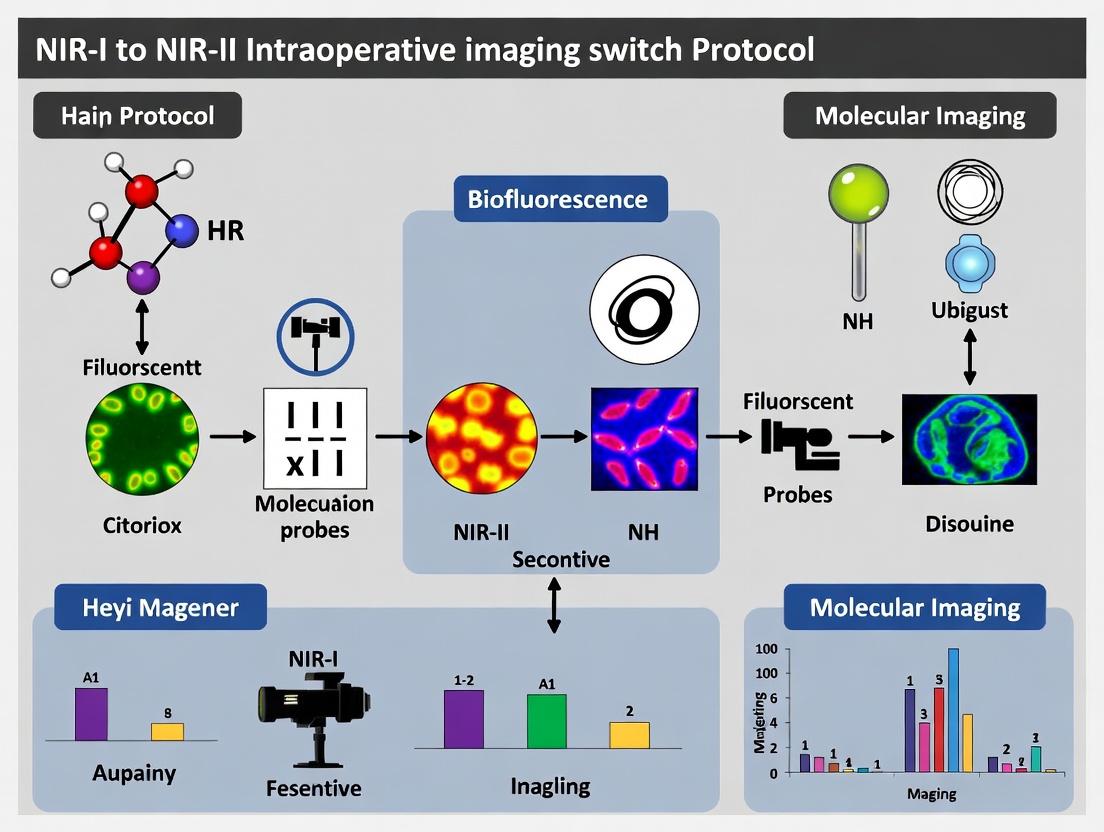
From First Glimpse to Deep Vision: Implementing an NIR-I to NIR-II Switch Protocol for Superior Intraoperative Imaging
This article provides a comprehensive guide for researchers and drug development professionals on establishing a switchable intraoperative imaging protocol from the first near-infrared window (NIR-I, 700-900 nm) to the second...
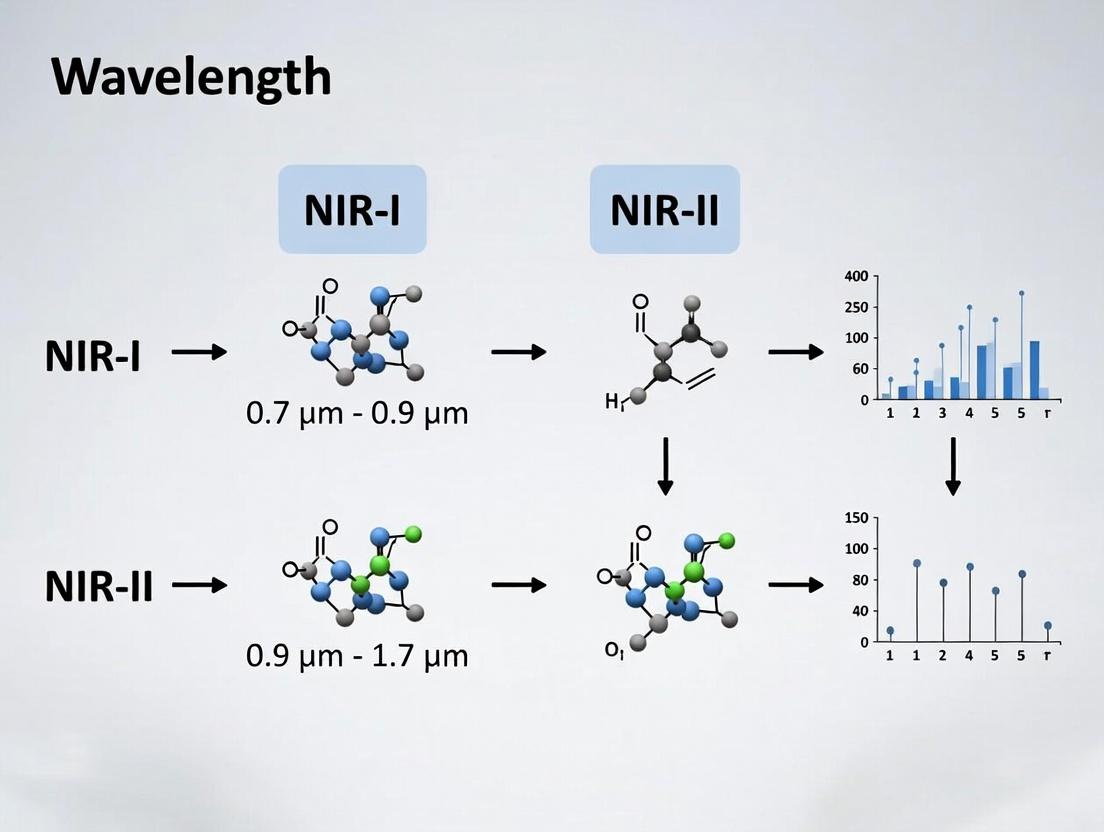
Beyond Visible Light: A Comprehensive Guide to NIR-I, NIR-II, and NIR-IIb Windows for Biomedical Imaging
This article provides a detailed technical overview of near-infrared (NIR) wavelength ranges, specifically NIR-I (700-900 nm), NIR-II (1000-1700 nm), and the emerging NIR-IIb (1500-1700 nm) sub-window.
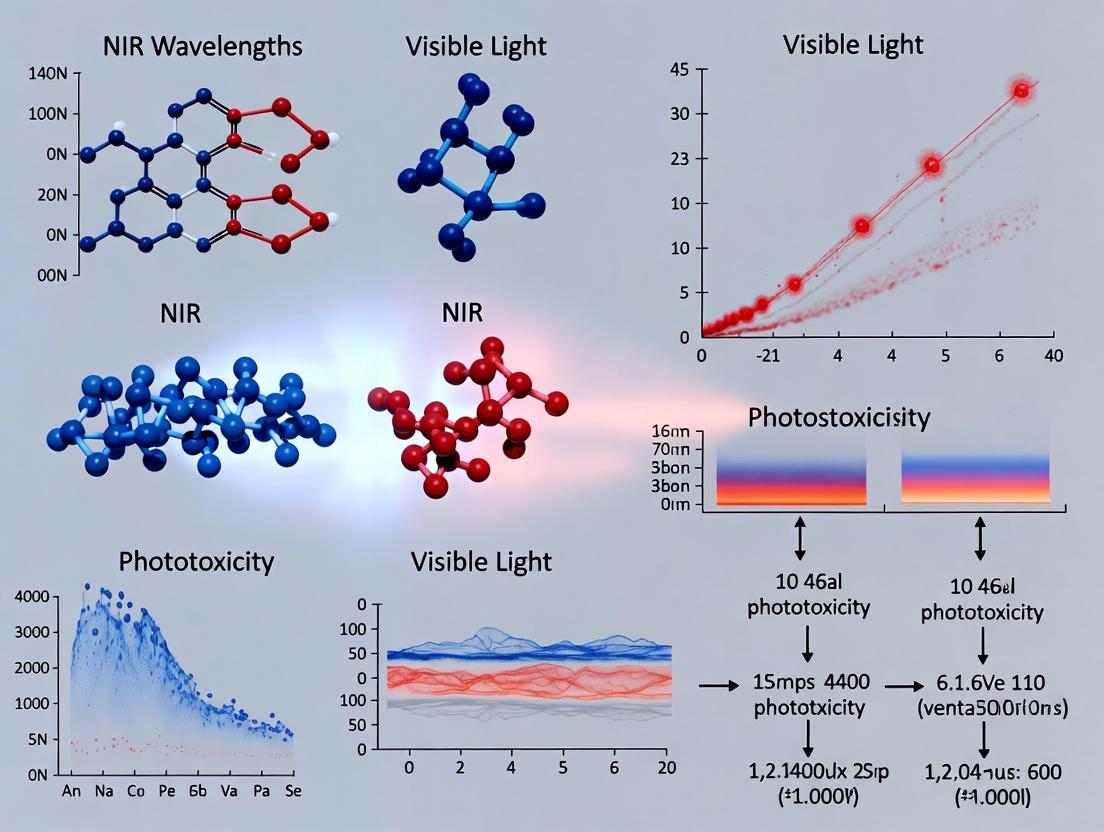
Beyond the Visible: A Scientific Comparison of Phototoxicity in NIR vs. Visible Light for Biomedical Research
This article provides a comprehensive scientific analysis comparing the phototoxic effects of Near-Infrared (NIR) and visible light wavelengths in biological imaging and phototherapy applications.
Beyond the Visible: Mastering NIR vs. SWIR Imaging for Superior Autofluorescence Reduction in Biomedical Research
This article provides a comprehensive technical analysis of Near-Infrared (NIR) and Short-Wave Infrared (SWIR) imaging for mitigating tissue autofluorescence, a critical obstacle in fluorescence-based assays.
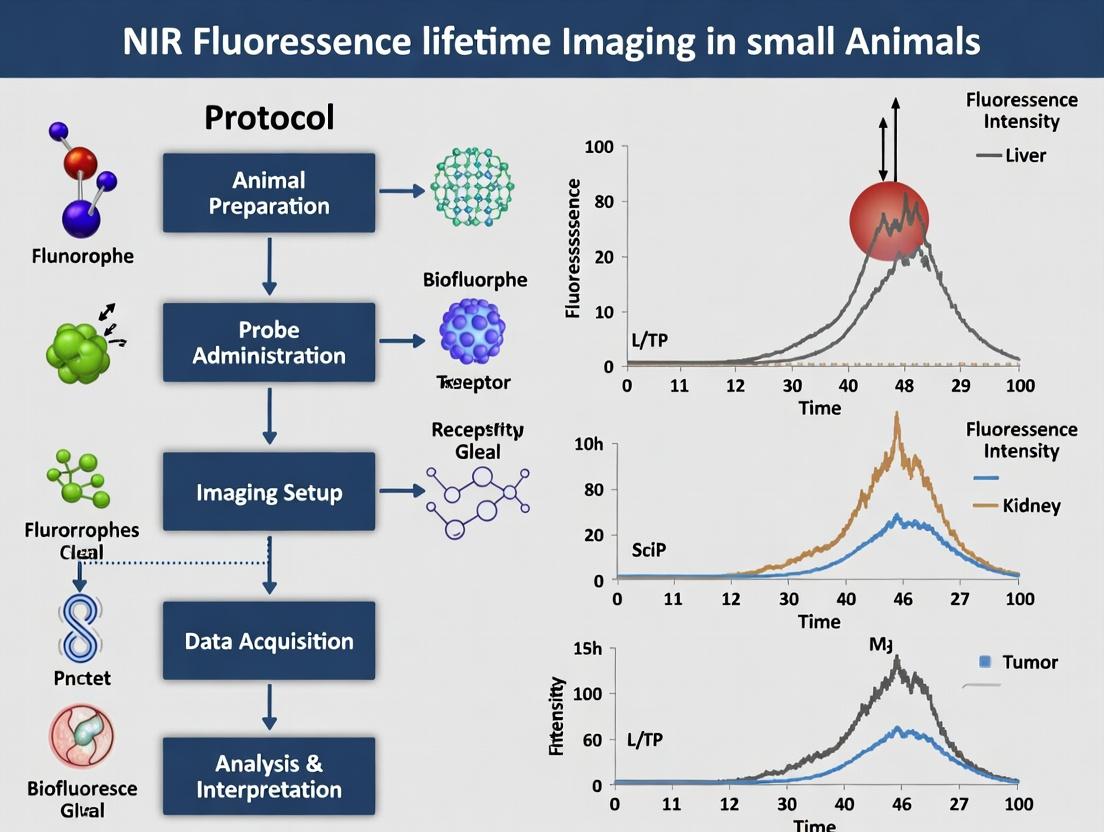
A Complete Guide to NIR Fluorescence Lifetime Imaging (FLI) in Small Animals: Protocol, Optimization, and Biomedical Applications
This comprehensive guide provides researchers, scientists, and drug development professionals with a detailed, step-by-step protocol for implementing Near-Infrared Fluorescence Lifetime Imaging (NIR-FLI) in preclinical small animal studies.
Beyond the Visible: A Critical Comparison of NIR Fluorescence Imaging and Conventional Intraoperative Visualization
This review provides researchers, scientists, and drug development professionals with a comprehensive analysis of Near-Infrared (NIR) fluorescence imaging in surgical and preclinical contexts.
NIR Fluorescence Imaging vs. MRI: A Comparative Analysis of Sensitivity in Tumor Detection for Biomedical Research
This article provides a comprehensive technical analysis for researchers, scientists, and drug development professionals, comparing the fundamental principles and detection sensitivities of Near-Infrared (NIR) fluorescence imaging and Magnetic Resonance Imaging...
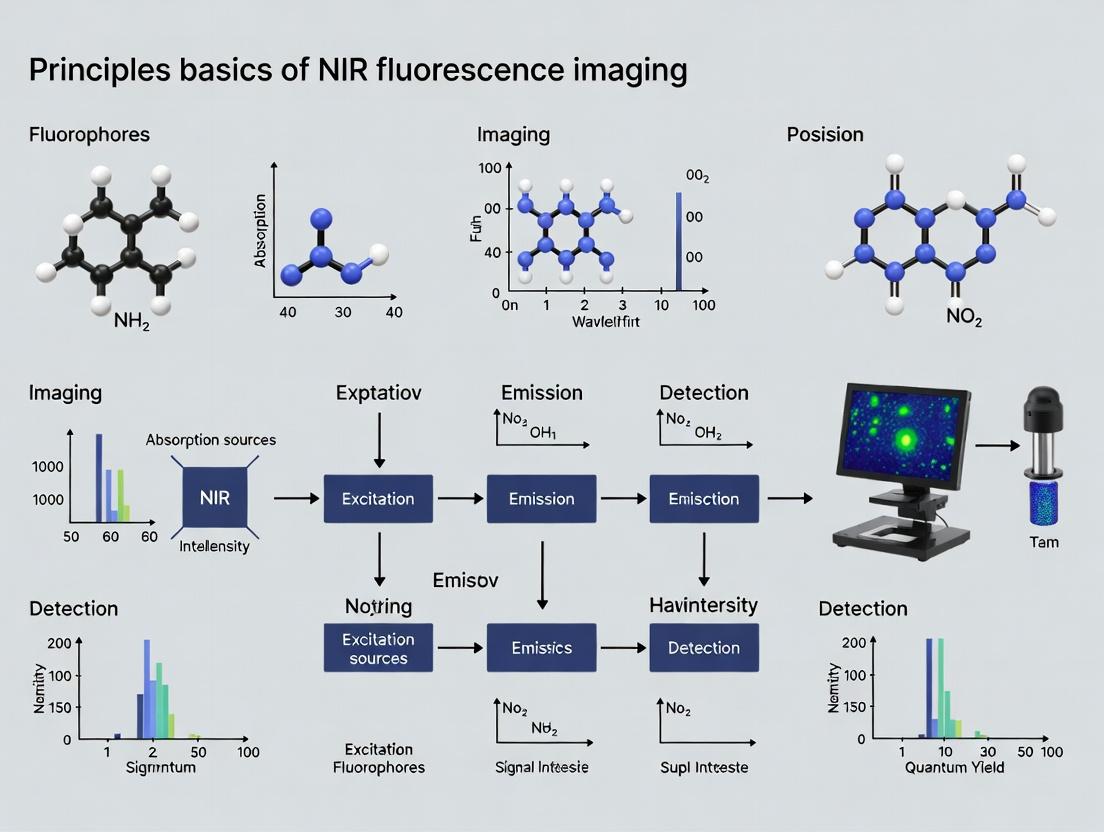
NIR Fluorescence Imaging Explained: Principles, Techniques, and Applications in Biomedical Research
This comprehensive guide details the core principles of Near-Infrared (NIR) fluorescence imaging, an indispensable tool for biomedical research and drug development.
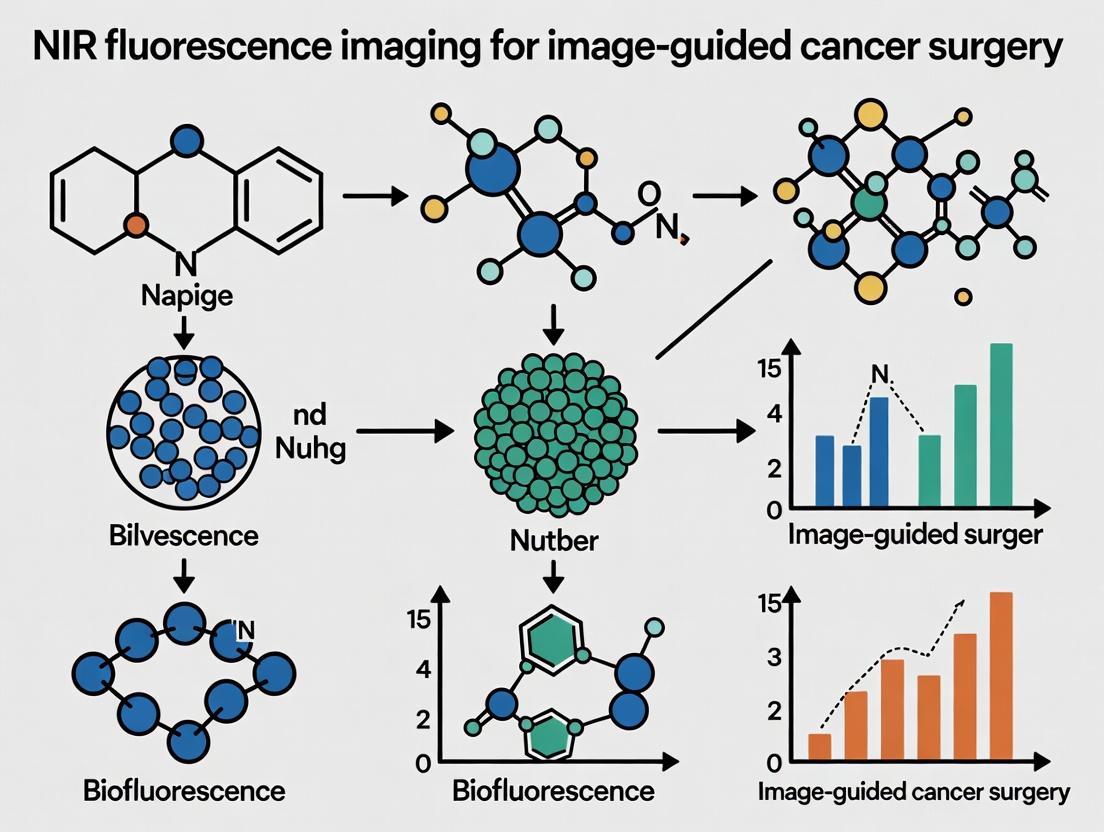
Illuminating Cancer: The Complete Guide to NIR Fluorescence Imaging for Precise Image-Guided Surgery
This article provides a comprehensive overview of Near-Infrared (NIR) fluorescence imaging as a transformative tool for image-guided cancer surgery.
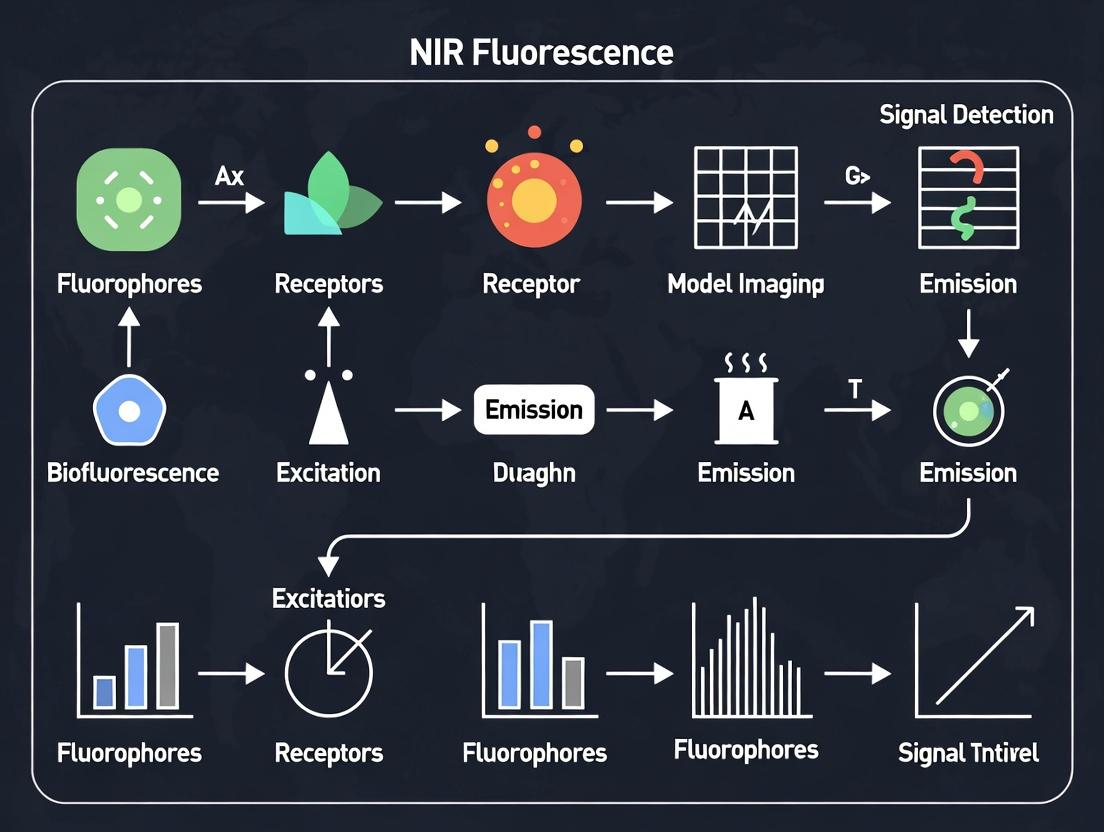
NIR Fluorescence Imaging in Vivo: A Comprehensive Guide for Advancing Molecular Research and Drug Development
This article provides a detailed examination of near-infrared (NIR) fluorescence for in vivo molecular imaging, specifically tailored for researchers, scientists, and drug development professionals.